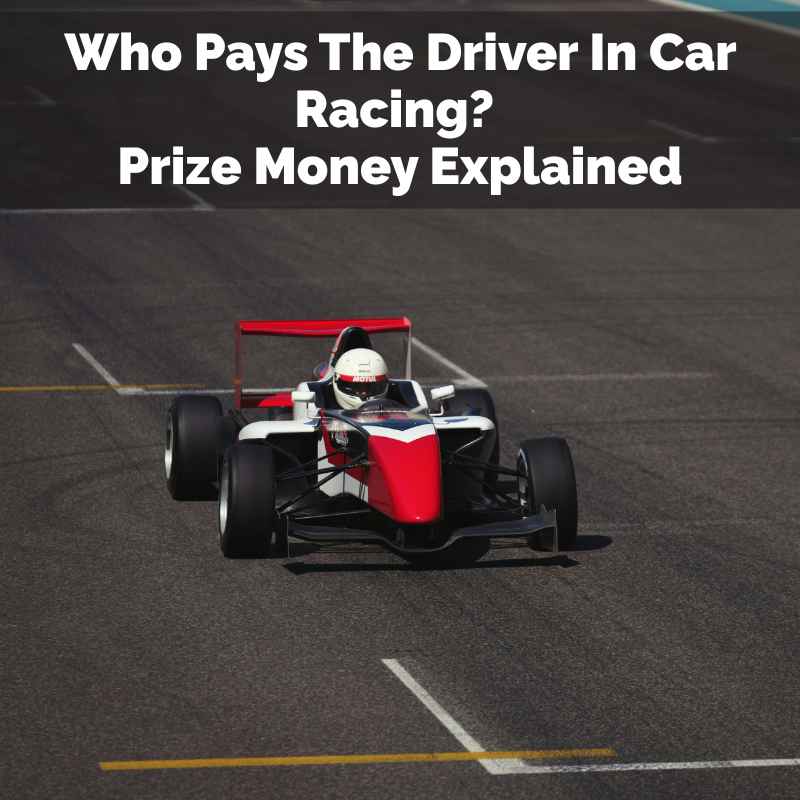
Who Pays The Driver In Car Racing? Prize Money Explained
In car racing, prize money is distributed among drivers, their teams, and even organizers, with a significant portion often going to the team for operational costs. Drivers also earn from salary, endorsements, and performance bonuses.
Understanding Where Racing Money Comes From
Car racing is a big business. It involves a lot of money. Think about the cars themselves.
They are incredibly advanced machines. They cost millions to build and maintain. Then there are the teams.
These teams have many people working for them. Mechanics, engineers, strategists, and support staff all need to be paid. Fuel, tires, and travel are also big expenses.
So, the money in racing comes from many places.
The main sources of income for racing teams and drivers are prize money from races, sponsorship deals, driver salaries, and merchandise sales. Sometimes, manufacturers also provide funding if their cars are competing. Each racing series has its own way of handling prize money distribution.
This can change the amount each driver and team takes home.
Who Gets the Prize Money? The Distribution Chain
When a race concludes, there is often a prize fund. This fund is not just for the person who crosses the finish line first. It is split up.
The rules for this split depend on the racing series. For example, in Formula 1, the prize money is shared based on the Constructors’ Championship standings from the previous year. This means teams that performed better get a larger share.
The driver who wins the race usually gets the largest individual payout from the prize money. However, a significant portion of that money immediately goes back to their team. This helps cover the costs of running the car and the team.
It’s like a reimbursement for their efforts and investment. Drivers also have contracts with their teams. These contracts outline how much of the prize money they are entitled to.
Some drivers might get a fixed percentage, while others might have performance bonuses tied to race wins or championship points.
Beyond the winner, other drivers who finish in the points also receive a smaller share of the prize money. Even drivers who don’t finish well get something. This is to encourage participation and cover some of their expenses.
The exact amounts can vary greatly. Some races have much larger prize funds than others.
Prize Money Breakdown Example (Hypothetical)
Race Winner: Gets the largest chunk, but a large part goes to the team.
Team Operations: A substantial amount is used for car development, repairs, salaries, and equipment.
Other Top Finishers: Receive smaller shares based on their finishing position.
Driver’s Personal Earnings: A portion of the team’s winnings may be allocated to the driver based on their contract.
The Driver’s Contract: More Than Just Race Wins
A driver’s income is not solely dependent on the prize money won in a single race. Their contract with the racing team is a much bigger factor. These contracts are complex and detail many aspects of their earnings.
Most professional drivers have a base salary. This is paid regardless of race results. It ensures they have financial stability.
On top of the base salary, contracts often include performance bonuses. These are triggered by achieving certain goals. Winning a race might earn a specific bonus amount.
Finishing on the podium (top three) could have its own bonus. Securing pole position, which is the fastest lap in qualifying, can also be worth extra cash. Winning a championship is usually the biggest bonus trigger of all.
These bonuses are a way for teams to reward their drivers for exceptional performance.
Sometimes, drivers also have clauses related to points scored. Earning a certain number of points over a season might unlock additional payments. It’s all about incentivizing success and pushing the team forward.
The better the driver performs, the more money they, and their team, can potentially earn.
Key Contract Elements for Drivers
Base Salary: A guaranteed yearly income.
Race Win Bonus: Extra money for each race victory.
Podium Bonus: For finishing in the top three.
Championship Bonus: A large sum for winning the season title.
Points Bonus: Earned by reaching certain point milestones.
Sponsorships: The Lifeblood of Racing
Sponsorships are absolutely vital in car racing. They often provide more money than prize winnings. Teams and drivers seek out companies willing to pay for their brand to be seen by millions of fans worldwide.
These sponsors want their logos on cars, helmets, race suits, and team merchandise. They also want visibility on TV broadcasts and team websites.
For drivers, personal sponsorship deals are common. A company might pay a driver directly to endorse their products. This could involve appearing in advertisements or using their products in their daily life.
These deals can be very lucrative. They allow drivers to earn significant income outside of their team salary and race winnings.
Teams also have major team sponsors. These are usually large corporations. They might be oil companies, tire manufacturers, car brands, or even beverage companies.
The money from these sponsors is crucial. It helps pay for everything – from the cars to the staff. The larger and more visible the sponsor, the more money the team can secure.
This funding directly impacts the team’s ability to compete at the highest level.
I remember once, a smaller team I was following was struggling to find a title sponsor. They had a talented driver but lacked the funds to develop their car fully. You could see the frustration in the pit lane.
Then, a new tech company, looking for global exposure, stepped in. Suddenly, their cars had a fresh new look. The driver had better equipment.
They started achieving better results. It showed me just how much sponsorship power can change a team’s fortunes.
Sponsorship Value Explained
Brand Visibility: Companies want their logos seen by millions.
Target Audience Reach: Racing fans are a dedicated consumer group.
Marketing Opportunities: Drivers and teams offer unique advertising platforms.
Association with Success: Sponsoring a winning team boosts a brand’s image.
Manufacturer Involvement: Factories on Track
In many racing disciplines, car manufacturers are heavily involved. Think of brands like Ford, Chevrolet, Toyota, or Ferrari. They don’t just build road cars; they also race them.
This involvement is multifaceted. Manufacturers might run their own factory teams. They might also provide support and funding to privateer teams running their cars.
When a manufacturer invests in racing, they often allocate a budget. This budget can be quite large. It goes towards research and development, car programs, and sometimes direct payments to teams.
This funding can be seen as a form of sponsorship, but it’s more integrated. They are investing in the performance and image of their brand on the track.
The prize money from races is still relevant, but manufacturer support can smooth out the financial peaks and valleys. A factory-backed team often has more resources than an independent one. This can lead to better car development and, consequently, better race results.
This manufacturer money also helps keep the sport vibrant by ensuring competitive machinery is on the grid.
The Team’s Share: Essential for Operations
It’s crucial to understand that the team is the engine that makes the driver successful. Without a well-funded, well-run team, even the most talented driver will struggle. Therefore, a large portion of any prize money, sponsorship revenue, and manufacturer funding goes directly to the team.
This money is not just for profit; it’s for survival and advancement.
Team operational costs are immense. They include:
- Car Development: Designing, building, and testing new parts.
- Car Maintenance: Constant upkeep, repairs, and component replacements.
- Staff Salaries: Paying engineers, mechanics, crew chiefs, strategists, and administrative staff.
- Logistics: Transporting cars, equipment, and personnel to races worldwide.
- Technology: Investing in simulation tools, data analysis software, and pit equipment.
- Testing: Running extra practice sessions to gather data and improve performance.
This is why a team might receive, say, $1 million in prize money for a win, but only a fraction of that might be distributed to the driver as a bonus or part of their salary. The rest is reinvested into the team’s future success. It’s a cycle: more investment leads to better performance, which leads to more prize money and better sponsorship opportunities.
Team Expenses: What the Money Covers
Engineering Talent: Hiring and retaining top minds.
Pit Crew Excellence: Training and equipping a fast, efficient crew.
Aerodynamics: Research and development for speed.
Engine Performance: Powering the machines to victory.
Reliability: Ensuring cars don’t break down mid-race.
Merchandise and Licensing: Fan Power
Beyond direct race winnings and sponsorships, there’s another income stream: merchandise and licensing. Teams and drivers sell branded items to their fans. This includes T-shirts, hats, model cars, posters, and more.
These sales can generate a considerable amount of revenue, especially for popular drivers and teams.
Licensing agreements also play a role. Companies might pay to use a driver’s or team’s name and image on products. This could be for video games, toys, or other consumer goods.
The royalties from these licenses contribute to the overall income of the driver and the team.
For drivers, especially those with a large fan base, merchandise can be a significant part of their personal earnings. It allows fans to connect with their heroes and support them directly. The more popular a driver becomes, the more valuable their brand and associated merchandise become.
Different Series, Different Payouts
It’s important to note that the financial structure varies greatly across different forms of motorsport. Formula 1, for instance, has a massive prize fund and huge sponsorship deals. IndyCar also has significant prize money and strong sponsorship.
NASCAR has a unique revenue-sharing model with its teams, particularly for those who are charter members.
Lower-tier racing series, like local club racing or entry-level formula series, operate on much smaller budgets. Prize money might be minimal, often just enough to cover basic expenses. Sponsorships are harder to come by.
Drivers in these series often rely heavily on personal funds, family support, or small local business sponsorships. This is where the dream of becoming a professional racer begins, but the financial reality is much tougher.
I recall talking to a young karter a few years back. He was incredibly quick and loved the sport. But his dad was exhausted.
They were spending every weekend driving to different tracks, buying tires, and paying entry fees. The prize money was barely enough to cover a set of tires. He told me, “It’s not about the money now.
It’s about getting noticed. Maybe one day, a big team will see me.” That was his entire focus – performance to attract future support, not current winnings.
Series Payout Comparisons (General)
Formula 1: Highest prize money, massive sponsorship, manufacturer backing.
IndyCar: Strong prize pools and corporate sponsorships.
NASCAR: Revenue sharing for charter teams, significant sponsorship.
Lower Formulas / Club Racing: Minimal prize money, high personal investment.
Endorsements: The Driver as a Brand
Beyond team-related income, drivers can earn money directly through endorsements. These are agreements where a driver promotes a product or service. This can range from energy drinks and automotive parts to clothing brands and even financial services.
The more famous and marketable a driver is, the more lucrative these endorsement deals can be.
A driver’s personality, public image, and success on the track all contribute to their endorsement value. Companies want to associate their brand with positive attributes like speed, precision, determination, and winning. A driver who embodies these qualities can command high fees for their endorsement.
These deals can be structured in various ways. Some might involve a flat fee. Others might include a percentage of sales generated by the endorsement.
Sometimes, a driver might only be required to wear certain clothing or use specific equipment while representing the brand. It’s another way drivers build their personal wealth and financial security.
Who Pays the Driver? A Summary
So, to circle back to the original question: who pays the driver? It’s a collective effort.
- The Team: Primarily pays the driver through their salary and bonuses, funded by all other revenue streams.
- Prize Money: A portion of race winnings, distributed according to team contracts and series rules.
- Sponsors: Provide funding to the team, which in turn pays the driver. Personal sponsors also pay drivers directly.
- Manufacturers: Offer direct financial support or resources to factory-backed teams, indirectly benefiting the driver.
- Endorsements: Independent contracts where companies pay the driver directly for promotion.
- Merchandise Sales: A portion of profits from branded goods can go to the driver.
It’s a complex ecosystem. The driver is the most visible part, but they rely on a vast network of support, funding, and operational capabilities provided by their team and its partners. The success of one fuels the success of the others.
It’s a symbiotic relationship where everyone benefits from a winning performance.
The Reality for Aspiring Racers
For those dreaming of a career in professional racing, understanding this financial structure is key. It’s not just about being fast. It’s also about being a marketable individual and a valuable asset to a team and its sponsors.
The journey often starts with significant personal investment. Many young drivers fund their early careers through go-karting, then junior formula series, often with substantial help from family and personal savings.
The goal is to perform well enough to attract attention. This attention could lead to a place on a junior development program. These programs often provide funding and training.
Eventually, the hope is to climb the ladder to top-tier series where the prize money, salaries, and endorsements become more significant. It’s a long and challenging road. It requires talent, dedication, and often, a bit of luck in finding the right financial backing.
What struck me when I first got involved in motorsport circles was the sheer number of people behind each car. It’s not just the driver. It’s the engineers tweaking the suspension, the mechanics meticulously checking every bolt, the strategists making split-second calls.
All these people are paid. And the driver’s contract is carefully structured to reflect their importance, but also their dependence on the entire team machine. It’s a very human endeavor, filled with passion and immense financial pressure.
Path to Pro Racing: Financial Hurdles
Karting: High entry costs, often self-funded.
Junior Formulas: Increased costs for car, travel, and mechanics.
Development Series: Need for significant sponsorship or manufacturer support.
Professional Racing: Salary, bonuses, and endorsements become primary income.
When is it Just About the Driver’s Skill?
Even with all the money involved, the driver’s skill is paramount. A team might have the best engineers and the biggest budget, but if the driver can’t extract performance from the car, they won’t win. That’s why teams invest so heavily in their drivers and why contracts are structured to reward performance.
The driver is the one making the split-second decisions on track. They are the ones pushing the car to its absolute limits. They manage tire wear, fuel economy, and race strategy in real-time.
Their ability to handle pressure, their consistency, and their raw speed are what ultimately lead to victories and championships. So, while many people and companies contribute financially, it’s the driver’s talent that often puts the car in a position to win and earn that prize money.
I’ve seen races where the fastest car wasn’t the winner. It was the driver who made fewer mistakes, who managed their tires better, or who took a calculated risk at the right moment. That driver, regardless of their car’s pure speed advantage, earned that win and the associated prize money through sheer skill and determination.
It’s a testament to their abilities, even within a financially driven sport.

Future of Racing Payouts
The landscape of motorsport finances is always evolving. With the rise of esports and sim racing, new avenues for income and competition are emerging. Electric racing, like Formula E, is also changing the sponsorship landscape, attracting companies focused on sustainability and new technologies.
The importance of data and analytics is growing. This influences how teams evaluate drivers and how sponsors measure the return on their investment. Expect more performance-based contracts and data-driven sponsorship activation in the future.
Ultimately, the core principle remains: success on the track drives financial rewards.
Conclusion
In car racing, the driver is paid by a combination of sources. Their team pays them their salary and bonuses. Prize money from races contributes, but mostly to the team.
Sponsors, both for the team and personally for the driver, are huge. Manufacturers also fund racing programs. It’s a complex system where talent meets capital.
The driver’s skill is vital, but it thrives within a robust financial structure built by many.
Frequently Asked Questions
Do drivers get paid a salary or just prize money?
Drivers are typically paid a salary by their team, which is a guaranteed income. They also receive performance bonuses for wins, podiums, and championship results. Prize money from races is a significant source of revenue, but a large portion often goes to the team to cover operational costs.
How much prize money does a winning driver get in Formula 1?
In Formula 1, the prize money distribution is complex and based on a Constructors’ Championship percentage for teams. While the winning driver gets a substantial portion of the team’s share as part of their contract, it’s not a direct payout to the driver as a single lump sum from the race itself. The team receives the main prize money.
Are sponsorships more important than prize money for F1 teams?
Yes, for most Formula 1 teams, sponsorships are generally more important than prize money. Sponsorship deals provide a more stable and predictable revenue stream, often covering a larger portion of a team’s massive operational budget than race winnings alone.
How do independent or privateer racing teams make money?
Independent teams rely heavily on sponsorship, personal investment from the team owner, and sometimes manufacturer support. Prize money is important but often not enough to cover all expenses. They must carefully manage their budgets and seek out every available funding opportunity.
Does a driver’s popularity affect how much they get paid?
Absolutely. A driver’s popularity significantly impacts their earning potential through personal endorsements, merchandise sales, and their marketability to sponsors. Teams also consider a driver’s popularity when negotiating contracts, as they can attract more fan engagement and sponsor interest.
What happens to prize money if a car crashes and doesn’t finish?
If a car crashes and doesn’t finish, the driver and team do not receive prize money for that specific race. While they might have earned some prize money for previous performances in the season, there is no payout for a DNF (Did Not Finish) position. Insurance and team budgets help cover repair costs.
Products related to this article
Sponsored / affiliate links. As an Amazon Associate I earn from qualifying purchases. I may earn additional commission from eligible campaigns.