How Much Do You Get When You Donate a Car? Tax Deduction Guide
You do not get cash when you donate a car. You get a tax deduction – either the price the charity sells it for, or the vehicle’s fair market value if the charity keeps and uses it instead. For most donated cars sold at a charity auction, that deduction lands somewhere between $200 and $1,000, though it can run higher for a newer or rarer vehicle. Here is exactly how that amount is calculated, what changed under the new 2026 tax rules, and how to make sure you actually get the deduction you are owed.
What Is Car Donation?
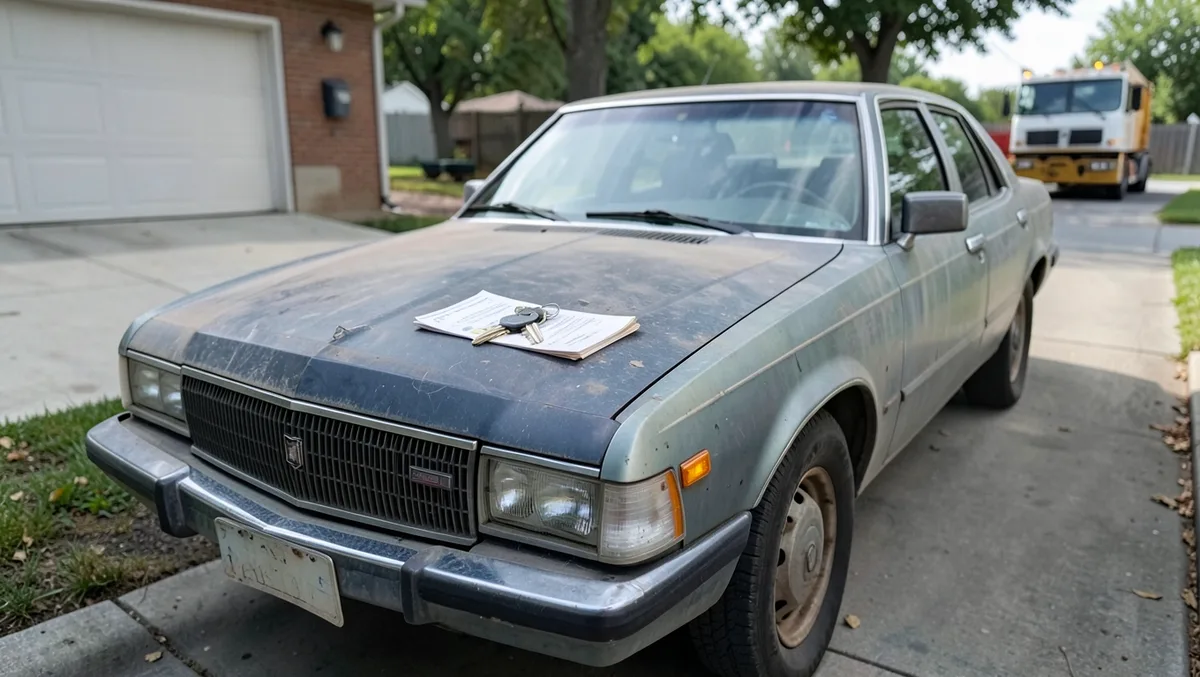
Car donation means signing your vehicle over to a nonprofit instead of selling or scrapping it. The charity either sells the car at auction to raise money for its programs, or, less often, repairs it and gives it directly to someone in need. Either way, the IRS treats the handoff as a charitable gift, which is what makes a tax deduction possible in the first place.
Why Does Car Donation Matter?
Donating skips the hassle of listing, showing, and haggling over a car nobody wants to buy. It also keeps a non-running or high-mileage vehicle out of a scrapyard and turns it into funding for a cause instead. The tradeoff is that a deduction only helps if you itemize your taxes, which is worth checking before you assume donating will save you money.
How Much Do You Get When You Donate a Car?
You never receive a check. What you get is a deduction you can subtract from your taxable income, and the size of that deduction depends entirely on what the charity does with the car. If the charity turns around and sells it, your deduction is capped at the exact gross sale price, not what you personally think the car is worth. If the charity keeps the car for its own use, or gives it to someone who needs transportation, you can instead deduct the vehicle’s fair market value, which you can estimate using Kelley Blue Book or a similar pricing guide. For example, a car that sells at a wholesale charity auction for $600 gives you a $600 deduction, even if you believed it was worth $1,200 privately.
How the Tax Deduction Works
A deduction lowers your taxable income, not your tax bill dollar for dollar. If you are in the 24% federal bracket and deduct $600 for a donated car, you save roughly $144 in taxes, which is 24% of $600. But that deduction only counts if you itemize on Schedule A instead of taking the standard deduction, which is $16,100 for single filers and $32,200 for married couples filing jointly for the 2026 tax year. If your total itemized deductions, including mortgage interest, state taxes, medical bills, and charitable gifts, do not exceed the standard deduction, donating a car will not lower your tax bill at all.
2026 Update: The New 0.5%-of-AGI Floor on Car Donations
Starting with the 2026 tax year (the return you file in 2027), a rule from the One Big Beautiful Bill Act adds a floor to itemized charitable deductions, including car donations. Under this rule, only the portion of your total charitable giving that exceeds 0.5% of your adjusted gross income (AGI) actually counts toward your deduction. For example, if your AGI is $100,000, the first $500 of your combined charitable donations for the year is not deductible at all, only the amount above that floor is. If a donated car is the only charitable gift you make that year and its deduction value falls under 0.5% of your AGI, you may not get any tax benefit from it. Add up all of your giving for the year before assuming the full car-donation amount will count.
Step-by-Step Guide to Donating a Car
Donating a car follows the same basic process no matter which charity you choose.
- Pick a Charity: Choose a charity with confirmed 501(c)(3) status. Check its rating on Charity Navigator first.
- Check Your Car: Most charities accept a car in any condition, even if it does not run.
- Contact the Charity: Call or use their website to start the donation and schedule a pickup date.
- Arrange Pickup: Most charities offer free towing, often within just a few days of your call.
- Get a Receipt: When a charity sells your car for more than $500, it must send you a Form 1098-C showing the exact sale price.
- File Your Taxes: Attach the 1098-C, and Form 8283 for any deduction over $500, when you itemize.
Documents You Need
You will need a short list of paperwork to make the handoff official:
- Car Title: Proves ownership and lets you legally transfer the vehicle.
- Photo ID: Confirms your identity to the charity or its towing partner.
- Form 1098-C: The tax receipt the charity issues after it sells the car.
Missing paperwork is the most common reason a pickup gets delayed. For the full checklist of what to have ready, plus state-by-state title rules, see What Do I Need to Donate a Car?

Benefits of Donating a Car
Donating a car has real upsides beyond the tax deduction itself:
- Helps a Cause: Your vehicle turns into funding for the charity’s programs.
- Saves Time: No listing, no test drives, no haggling with buyers.
- Tax Savings: A deduction can offset part of your tax bill, if you itemize.
- Frees Up Space: Clears a driveway or garage without the effort of a private sale.
Drawbacks to Watch For
Donating is not the right move for everyone. Keep these limits in mind:
- No Cash: You will not get money in hand, unlike a private sale.
- Deduction Limits: What you can claim depends on the car’s value and whether you itemize.
- Scam Risk: Some outfits posing as charities keep most or all of the proceeds. Verify 501(c)(3) status first.
Selling vs. Donating: Which Is Better?
Selling privately gets you cash immediately, and used-car prices are still strong enough that a private sale often beats a charity’s wholesale auction price. Donating only pays off at tax time, and only if you itemize. Here is a quick comparison:
Table 1: Donating vs. Selling a Car
| Option | Pros | Cons |
|---|---|---|
| Donating | Helps a charity, possible tax deduction, minimal effort | No cash, tax rules can be complex |
| Selling | Get cash directly, usually a quicker payout | Takes effort to list and show, may need repairs first |
Caption: Compare donating and selling to decide what is best for you.
Tips for a Smooth Car Donation
A few habits make the entire donation process go faster:
- Research Charities: Check Charity Navigator or the IRS Tax Exempt Organization Search before you commit.
- Ask Questions: Find out whether the charity plans to sell the car or use it directly, since that determines your deduction method.
- Keep Records: Save every document related to the donation for at least three years in case of an audit.
- Clean Out the Car: Remove personal items and anything in the trunk or glovebox before pickup.
Common Mistakes to Avoid
These are the mistakes that most often cost donors their deduction:
- Skipping Research: Donating to an unverified charity can mean no deduction and a car that never actually reaches anyone in need.
- Ignoring the Rules: A tax professional can tell you whether itemizing, and this donation, actually saves you money under the new 2026 floor.
- Forgetting Paperwork: Without a Form 1098-C, the IRS has no record of your donation and can deny the deduction outright.
Table 2: Common Car Donation Mistakes
| Mistake | Why It’s Bad | How to Fix It |
|---|---|---|
| Not checking charity status | Risk of scams and a denied deduction | Use Charity Navigator or the IRS website |
| Missing Form 1098-C | Cannot claim the deduction | Ask the charity for the form directly |
| Not itemizing taxes | No tax benefit at all | Consult a tax professional |
Caption: Avoid these mistakes for a hassle-free donation.
How Much Can You Deduct?
The math is simple once you know which of the two rules applies. If the charity sells the car, your deduction equals the exact gross sale price shown on Form 1098-C, even if you thought the car was worth more. If the charity keeps the car to use itself, or transfers it to someone in need at a below-market price, you deduct its fair market value instead, based on a guide like Kelley Blue Book. Deductions over $500 also require Form 8283 attached to your return, and deductions over $5,000 require a written appraisal.
Example: Car Value vs. Tax Savings by Bracket
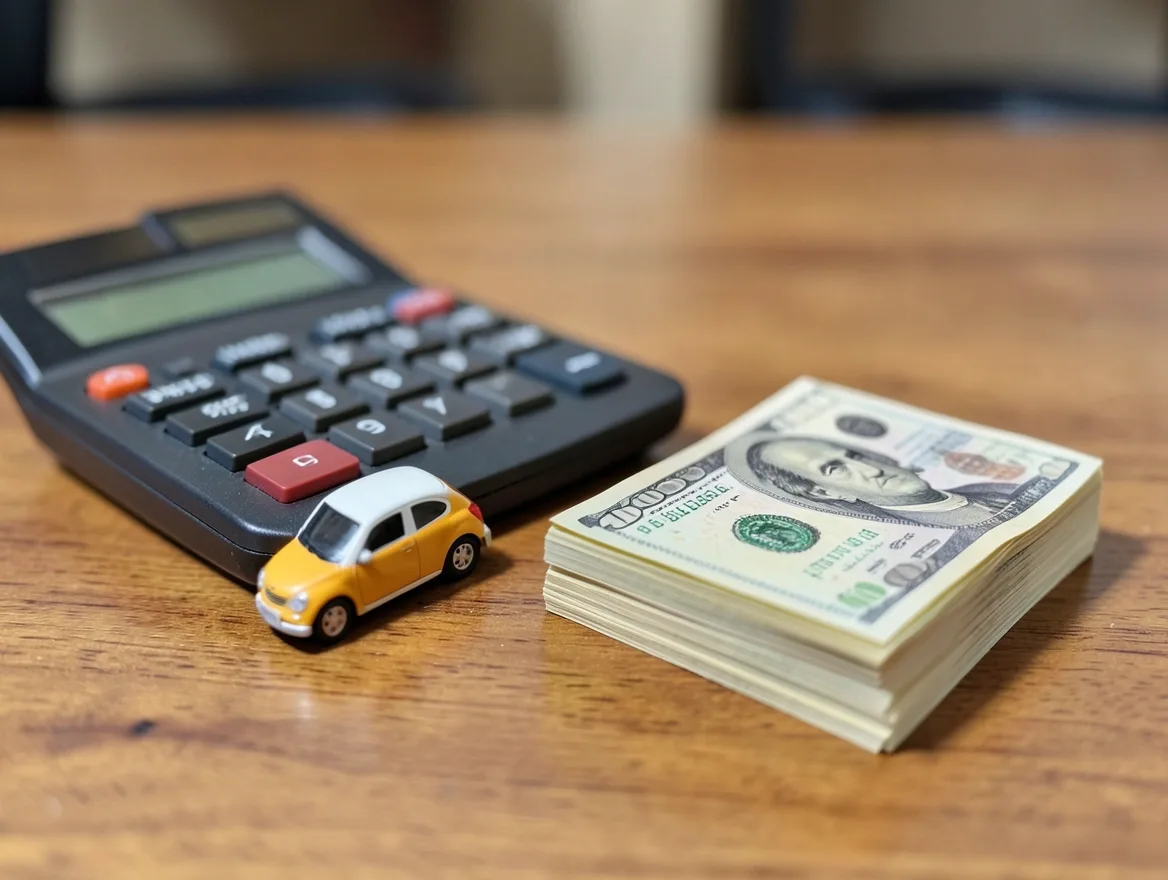
Say a donated car is worth roughly $800 privately, but the charity auctions it for $600. Because the charity sold it, $600, not $800, is the deduction amount. The table below shows how that deduction translates into real tax savings at different values and brackets, assuming you itemize and your total giving clears the 2026 AGI floor.
Table 3: Example Tax Deduction
| Car Value | Sale Price | Tax Bracket | Tax Savings |
|---|---|---|---|
| $800 | $600 | 24% | $144 |
| $2,000 | $1,500 | 24% | $360 |
Caption: See how car value and tax bracket affect your savings.
Alternatives to Donating
If a straight donation is not the right fit for your situation, a few other options are worth comparing:
- Sell Privately: List on Facebook Marketplace or Craigslist for a direct cash sale.
- Trade It In: A dealership may credit the car’s value toward a new vehicle.
- Junk It: Services like CarBrain pay cash for cars that no longer run.
Which option makes sense depends on the car’s condition and whether you need cash quickly or a tax deduction instead.
Frequently Asked Questions
Do You Get Cash for Donating a Car?
No. You get a tax deduction, not a cash payment. The deduction equals the amount the charity sells the car for, or its fair market value if the charity keeps it. You only benefit if you itemize your deductions instead of taking the standard deduction.
Is Donating a Car Worth It?
It is worth it if you itemize your taxes and the deduction meaningfully lowers your tax bill, or if supporting a specific cause matters more to you than cash. If you take the standard deduction, or the car’s value falls under the new 2026 charitable-giving floor, selling the car privately will usually put more money in your pocket.
How Do I Find a Good Charity?
Look up the charity’s 501(c)(3) status on the IRS Tax Exempt Organization Search or check its rating on Charity Navigator before you hand over the keys. Ask directly whether the charity sells donated cars or uses them, since that changes how your deduction is calculated.
What If My Car Does Not Run?
Most car donation charities accept non-running vehicles and arrange free towing. Confirm this with the specific charity before scheduling pickup, and make sure you still have the signed title, since charities generally cannot accept a car without it.
Do I Need to Clean My Car Before Donating?
You should remove personal belongings, registration documents, and anything in the glovebox or trunk, but you do not need to detail or repair the car. Charities that accept donations expect vehicles in any condition.
Can I Deduct More Than $500?
Yes. When a charity sells your car for more than $500, your deduction equals the sale price shown on Form 1098-C, and you must attach Form 8283 to your return. For a car worth more than $5,000, the IRS requires a written appraisal to support the deduction.
How Long Does Car Donation Take?
Pickup is often scheduled within a few days of contacting the charity. The Form 1098-C typically arrives within 30 days after the car sells, and most donors can file the deduction on their next tax return.
Did the Rules for Car Donation Deductions Change in 2026?
Yes. Starting with the 2026 tax year, a new rule under the One Big Beautiful Bill Act requires itemized charitable deductions, including car donations, to exceed 0.5% of your adjusted gross income before any of it counts. Add up your other charitable giving for the year before assuming your full car-donation amount will be deductible.
Conclusion
Donating a car will not put cash in your hand, but it can lower your tax bill if you itemize and the charity handles the paperwork correctly. The deduction comes down to two numbers: what the charity sells the car for, or its fair market value if it keeps the car, and, starting in 2026, whether your total giving for the year clears the new 0.5%-of-AGI floor. Check a charity’s status before you commit, keep every document it gives you, and talk to a tax professional if the car is worth more than a few hundred dollars.
Products related to this article
Sponsored / affiliate links. As an Amazon Associate I earn from qualifying purchases. I may earn additional commission from eligible campaigns.