Why Are Car Insurance Rates Rising
You opened your renewal notice, saw the new premium, and blinked. Then you read it again. No tickets, no accidents, no claims — yet your rate jumped 15% or 20% compared to last year. It feels random, almost personal. It isn’t.
Insurance companies don’t raise rates because they’re greedy, at least not in the way you think. They raise rates because their own costs went up, and they need to keep the money coming in ahead of the money going out. That gap is the whole story. This article walks through why car insurance rates are rising in 2026 and 2026, what it means for your wallet, and the specific steps you can take to push back.

autoversicherung-vergleich
Opt For Car Insurance Comparison to Get…
- Key services offered in car insurance
- Tariff features in car insurance comparison
- Benefits of Car Insurance comparison
You’ll learn about the loss ratio, the role of reinsurance, how your credit score quietly affects your bill, and why your state’s laws matter more than your driving record. You’ll also get a practical audit checklist to review your declaration page before you call your insurer. If you want to compare options side by side, an insurance comparison tool helps you see multiple quotes without the phone tag.
The Real Reasons Your Car Insurance Bill Is Higher This Year
Let’s start with the core metric insurers use to decide whether they’re making money: the loss ratio. That’s the percentage of every premium dollar paid out in claims and expenses. If an insurer collects $100 in premiums and pays $85 in claims, the loss ratio is 85%. Anything above 70% starts to squeeze profitability. Above 80%, and the company is losing money on underwriting.
In 2026 and 2026, many major insurers reported loss ratios above 90%. Some, like State Farm and Allstate, posted underwriting losses in the billions. When that happens, the response is predictable: file for rate increases in every state where regulators allow it. That’s not a conspiracy. That’s arithmetic.
So the real question isn’t whether insurers are greedy. It’s why their payout costs exploded. The answer breaks into macro factors affecting every policyholder and micro factors specific to your profile.
The Macro Factors: Why the Entire Market Is Repricing Risk
Inflation and the Soaring Cost of Repairs
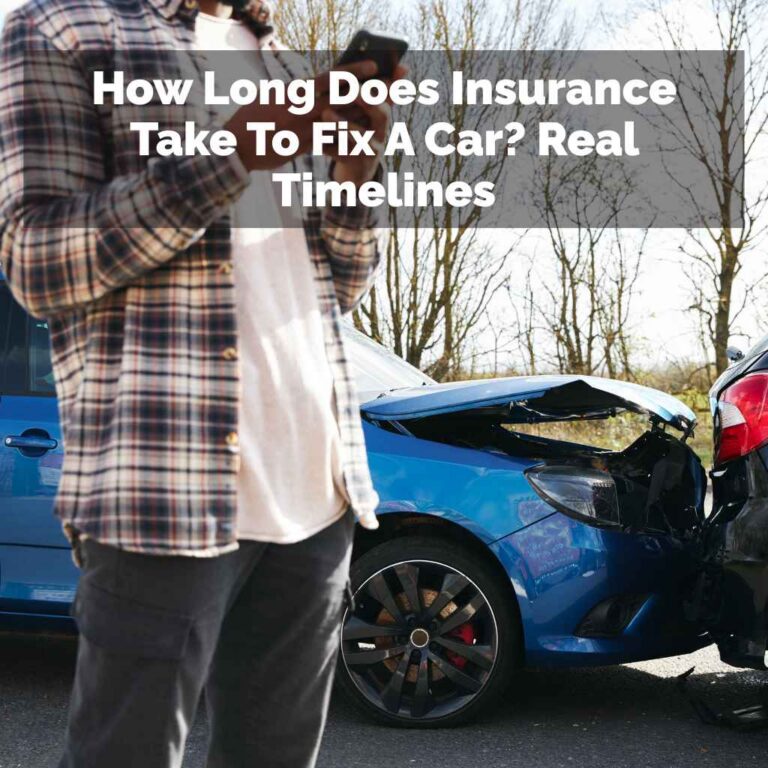
New cars are packed with sensors, cameras, and radar units. A minor fender bender that used to cost $800 to fix now runs $2,500 because the bumper houses a dozen electronic components. Parts prices rose roughly 20% between 2026 and 2026, and labor rates at body shops went up too. The supply chain disruptions from the pandemic never fully unwound, so certain parts still face shortages and backorders.
That means every claim costs more to settle. If the average claim payout goes from $5,000 to $7,000, the insurer needs higher premiums just to keep the loss ratio stable. Your individual driving record doesn’t matter when the entire claims pool gets more expensive.
The Litigation and Medical Cost Spiral
Bodily injury claims are the biggest single driver of auto insurance costs. Medical expenses keep climbing, and injured parties are more likely to hire attorneys than they were a decade ago. Litigation costs add 20% to 30% to the average claim, according to industry data. When a claim goes to court, the insurer pays for defense lawyers, expert witnesses, and settlements — all of which flow into the premium pool.
There’s also a rise in claims frequency for severe accidents, not just minor ones. Distracted driving is a major culprit. More people are looking at their phones, and the result is more rear-end collisions at higher speeds. Those injuries are more severe, which means higher medical payouts and longer recovery times. It’s not just that there are more accidents — the accidents that happen are more expensive.
Severe Weather and the Reinsurance Domino Effect
Here’s a factor most people never see: reinsurance. That’s insurance for insurance companies. When a hurricane or wildfire causes billions in losses, primary insurers pay claims, then file claims with their reinsurers. But reinsurers have been raising their prices sharply because global catastrophic events keep multiplying. Hailstorms in Texas, floods in the Northeast, wildfires in California — each one depletes the global pool of capital.
When reinsurance costs go up, primary insurers pass that cost down to you. It doesn’t matter that your car wasn’t in a flood. The insurer’s own protection got more expensive, and that expense gets spread across every policyholder in the state. In 2026, reinsurance rates jumped by as much as 37% in some markets. That alone explains a chunk of your premium increase.
The Micro Factors: Why Your Personal Rate Went Up (Even Without a Ticket)
The Hidden Impact of Your Credit Score and Address
Insurance companies use credit-based insurance scores, and they’re allowed to in most states. Studies show a strong correlation between lower credit scores and higher claim likelihood. If your credit score dropped even slightly, your premium can jump. It’s not fair, but it’s legal. Some states like California and Massachusetts ban this practice, but most don’t.
Your address matters just as much. Move from a quiet suburb to a busy zip code with more intersections and higher theft rates, and your rate changes even if your driving habits stay the same. Insurers look at claim frequency in your zip code, not just your personal record. Two identical drivers with identical cars can pay wildly different premiums based on where they park at night.
How Vehicle Technology Is Making Your Car More Expensive to Insure
Modern cars are safer, but they’re far more expensive to repair. A headlight assembly with adaptive LED technology costs $2,000 to replace. A windshield with camera calibration runs $1,500. Even a minor collision can total a car that would have been repairable a decade ago, because the parts and labor exceed the car’s value.
That’s why your premium went up even if your car is older. The insurer’s risk pool includes newer vehicles with expensive parts, and the average claim payout across the pool is higher. You’re paying for your neighbor’s Tesla repair, in a sense. It’s not personal, but it is collective.
Why Your State Matters More Than You Think
State regulations create massive rate differences. In no-fault states like Florida and Michigan, your policy pays for your own medical bills regardless of who caused the accident. That pushes premiums way up. Florida’s average premium is among the highest in the nation, partly because of high litigation rates and generous personal injury protection laws.
Compare that to states like Maine or Vermont, where premiums run roughly half of Florida’s average. Those states have fewer lawsuits, lower medical costs, and more favorable regulatory environments. If you’re shopping for insurance, your state’s legal framework matters more than your driving record in many cases.
Some states require insurers to get approval before raising rates, which slows the process but doesn’t stop it. Others allow insurers to file rate changes immediately, so hikes show up faster. That’s why you see headlines about rate increases in Texas and Colorado while neighboring states barely change.
If you want to understand your state’s specific situation, check your department of insurance website. They publish rate filings and consumer complaint data. It’s dry reading, but it shows exactly which companies raised rates and by how much.
How to Audit Your Policy and Fight the Increase
The Declaration Page Checklist
Before you call your insurer, pull out your declaration page. That’s the first page of your policy documents. Go through it line by line. Look for these common errors:
- Wrong annual mileage. If you drive 12,000 miles a year but the policy says 20,000, your rate is inflated. Correct it.
- Incorrect vehicle use. If you use your car for commuting but the policy says business use, that’s a big markup.
- Duplicate coverage. If you have roadside assistance on your policy and through your credit card, drop one.
- Outdated deductibles. Raising your collision deductible from $500 to $1,000 can cut your premium by 10% to 20%. Only do this if you have the cash to cover the higher deductible.
- Wrong driver listed. If a teen driver moved out and took their own car, remove them from your policy.
- Coverage limits that are too high. If your car is worth $5,000, carrying collision coverage with a $250 deductible is wasteful. Drop it and save.
Once you’ve corrected errors, call your agent and ask for a policy review. Mention any defensive driving courses or telematics programs. Usage-based insurance apps track your driving and can earn you a discount if you’re a safe driver. The discount isn’t huge, usually 10% to 30%, but it compounds over time.
When to Switch vs. When to Negotiate
Loyalty doesn’t pay with insurance. Studies show that long-term customers pay more than new customers for the same coverage. That’s why it’s worth shopping around every year or two. Get quotes from at least three carriers, including one direct writer like Geico or Progressive and one independent agent who represents multiple companies.
If you find a lower quote, take it to your current insurer and ask them to match it. Sometimes they will, sometimes they won’t. If they won’t, switch. The process takes about 15 minutes online, and your new policy can start within a day. Just make sure there’s no gap in coverage. A lapse in coverage is a red flag to insurers and can raise your rates for years.
Before you switch, check the new company’s financial strength and customer service ratings. A cheap policy from a company that denies claims isn’t a bargain. Look up their complaint ratio on your state’s insurance department website.
Will Rates Ever Go Down?
Short answer: yes, but not soon. The current cycle of rate increases is the result of a multi-year stretch where claims costs outpaced premium revenue. Insurers are playing catch-up, and they’ll keep raising rates until their loss ratios drop below 80% across the board. That could take another year or two.
Several factors could reverse the trend. If inflation cools, repair costs should stabilize. If distracted driving declines, claim frequency should drop. If reinsurance prices fall, that relief will flow through to consumers. But none of those things are guaranteed. The honest prediction is that rates will keep climbing in 2026, then level off as the market finds a new equilibrium.
In the meantime, the best strategy is to control what you can. Drive safely, maintain good credit, review your coverage limits annually, and shop around. The only power you have as a consumer is the willingness to leave. Use it.
Frequently Asked Questions
Why did my car insurance go up if I haven’t had an accident?
Because your premium is based on the entire risk pool, not just your record. Insurers look at claim trends in your zip code, your state’s legal environment, and the cost of repairs and medical care across the country. Even perfect drivers see increases when the average claim payout rises. It’s the same reason health insurance premiums go up for everyone when hospital costs rise.
Is it true that checking insurance quotes lowers my credit score?
No, not for the reason you think. Insurance companies do a soft credit inquiry when you request a quote, which doesn’t affect your credit score. Hard inquiries only happen when you apply for a loan or credit card. You can shop for car insurance as much as you want without worrying about your credit.
What’s the difference between comprehensive and collision coverage?
Collision coverage pays for damage to your car from a crash with another vehicle or object. Comprehensive coverage pays for damage from non-crash events like theft, fire, hail, or hitting a deer. Both are optional for older cars, but lenders require them if you have a loan. If your car is worth less than $3,000, dropping collision and keeping comprehensive is a common cost-saving move.
How much does raising my deductible actually save?
It depends on your insurer, but a common rule of thumb is that going from a $500 deductible to $1,000 saves about 10% to 15% on your collision and comprehensive premiums. Going to $2,000 saves more, sometimes up to 25%. The trade-off is that you’ll pay more out of pocket if you have a claim. Only raise your deductible to an amount you can comfortably cover.
Does my credit score really affect my car insurance rate?
In most states, yes. Insurers use a credit-based insurance score that weighs payment history, outstanding debt, and credit age. Studies show a strong correlation between lower credit scores and higher claim risk. Some states ban this practice, but most don’t. If your credit score dropped, your premium likely went up even without any driving violations.
What You Can Do Right Now
- Pull your declaration page and check for errors in mileage, vehicle use, and listed drivers. Fix anything that’s wrong.
- Raise your deductible to at least $1,000 if you can cover it. That alone can cut your premium by 10% to 20%.
- Shop around every 12 months. Loyalty discounts don’t exist. New customer rates are almost always lower.
- Ask about usage-based insurance programs. Safe drivers can save 10% to 30% by letting an app track their driving.
- Maintain good credit. Pay bills on time and keep balances low. It’s one of the biggest levers you control.
- Consider dropping collision coverage on an older car worth less than $3,000. The premium savings often exceed the potential payout.
- Check your state’s insurance department website for rate filings and complaint data. Know which companies are raising rates and which aren’t.
Car insurance feels like a fixed cost, but it’s not. You have more control than you think, and the effort you put into auditing your policy and shopping around pays off immediately. The rates are rising, but your bill doesn’t have to rise with them.
Products related to this article
Sponsored / affiliate links. As an Amazon Associate I earn from qualifying purchases. I may earn additional commission from eligible campaigns.
 Headlight Stain Remover Polishing Paste,Car Lamp Care Brightening Clean Yellow Reconditioning Paste,Polishing Cleaner for Cars, Trucks, Motorcycles, RVs (3PC)
 Headlight Stain Remover Polishing Paste,Car Lamp Care Brightening Clean Yellow Reconditioning Paste,Polishing Cleaner for Cars, Trucks, Motorcycles, RVs (1PC)