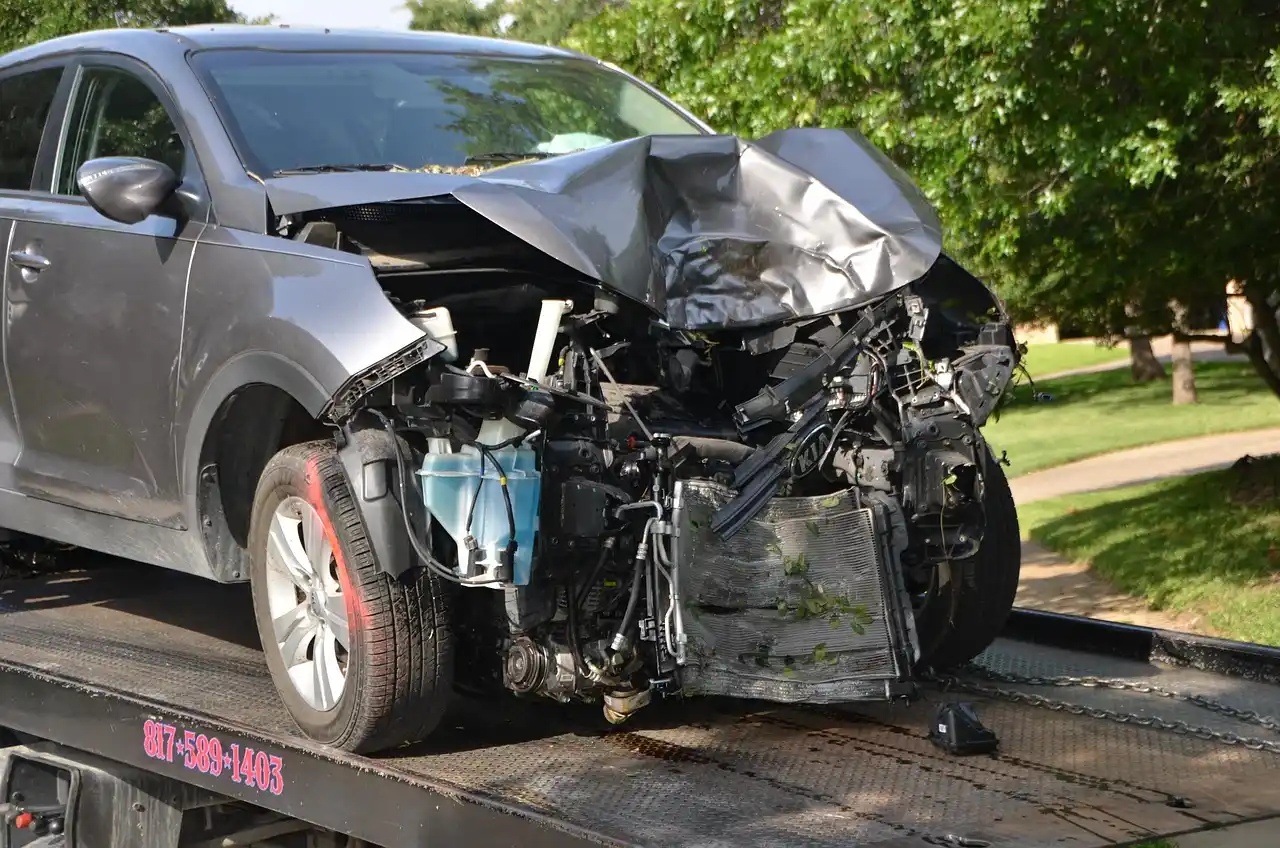
Allstate Auto Insurance Review: Is It Worth It for You?
Allstate often makes sense if you can stack discounts or want local-agent help, but drivers focused on price usually find Geico, State Farm, or Progressive cheaper. Miss that split, and you can pay for coverage extras you may never use. This Allstate Auto Insurance Review breaks down who tends to win on price, claims experience, and discounts.
This guide is part of our Car insurance coverage guide series.
Allstate auto insurance review: verdict and bottom line
Allstate is a solid national choice, but it is not a universal value pick. Some review sites give it a fairly good rating and note its claims handling favorably. The tradeoff is cost: the average annual rate is $3,572, which sits $1,064 above the national average.
Where Allstate fits in the market
Allstate fits best when service, coverage choices, and discount stacking matter more than chasing the cheapest base quote. It is available in all 50 states plus DC, so access is broad. The pricing math, though, usually favors shoppers who qualify for more than one discount or who need a specific add-on.
The short verdict by shopper type
Safe commuters with clean records can often find better prices elsewhere unless they qualify for strong discounts. Families with teen drivers may like the discount menu, but the base rate can still run high. Drivers who need rideshare or gap coverage may find the add-ons useful. Minimum-coverage shoppers usually have better options.
📊 U.S. News gives Allstate a 3.7 U.S. News Rating. Source: Usnews.
Pros and cons of Allstate auto insurance
Allstate’s strengths are broad availability, agent support, and a wide coverage menu. Its biggest weakness is plain: average pricing often starts high, so discounts have to do most of the work. If you qualify for several savings programs, it can become more competitive. If not, the quote can feel expensive fast.
Pros
- Available in all 50 states plus DC.
- Strong claims reputation in several third-party reviews.
- Multiple discounts, including multi-policy, good student, safe-driver, and responsible payer.
- Useful add-ons such as gap insurance and rideshare insurance in many states.
- Good fit for shoppers who want local-agent support.
Cons
- Higher-than-average pricing for many drivers.
- Drivewise can reward safe driving, but risky driving may lead to a higher rate.
- Discounts may not bring the premium down far enough for low-risk drivers.
- Not the easiest pick for bargain hunters shopping minimum coverage only.

How much does Allstate car insurance cost?
Allstate is not a low-cost insurer for most shoppers. U.S. News reports an average annual rate of $3,572, which is $1,064 above the national average. NerdWallet says full coverage averages $267 per month and minimum coverage averages $67 per month. Those are averages, not promises.
Average annual full coverage premium
For full coverage, the headline numbers point to a higher-price carrier. NerdWallet lists $267 per month, which works out to about $3,204 a year, while another 2026 figure lists full coverage at $3,210 yearly. Those figures are close enough to point in the same direction: expect a mid-to-high quote.
Average annual minimum coverage premium
Minimum coverage is still not especially cheap with Allstate. NerdWallet lists $67 per month. AutoInsurance.org cites a 65-year-old female minimum-coverage price of $64 per month, which shows how age and profile can move the number. The main point is that minimum coverage may still cost more than some rivals’ full policies.
Why your quote may differ from the averages
Your rate can swing based on state rules, driving history, age, vehicle value, credit-based factors where allowed, and discounts. A driver with a short commute, bundled home coverage, and a clean record may see a better quote than a high-mileage commuter with a recent ticket. State rules and local claim costs can move the number a lot.
- Start with the same liability limits you plan to keep.
- Add collision and comprehensive if the car is worth insuring fully.
- Check discount eligibility before judging the quote.
- Compare the final annual price, not the teaser monthly number.
- Ask how the rate changes if Drivewise data worsens.
Which drivers get the best fit from Allstate?
Allstate fits some shoppers far better than others. The best matches are usually people who can use discounts, want broader coverage choices, or need add-ons such as rideshare or gap insurance. The weaker fits are shoppers chasing the lowest premium, especially if they do not qualify for usage-based savings.
Safe commuter
A safe commuter with a short, predictable drive can fit Allstate well if the quote includes a good-driver discount or a strong bundle. If the driver has a clean record and low mileage, though, competitors often still price lower. This profile is a mixed fit, not an automatic win.
Teen family
Families with a teen driver should pay close attention to the good student discount and any multi-policy savings. Those discounts can help, but teen premiums are often high everywhere. Say a household adds a 17-year-old with a newer sedan and a long commute to school. The quote may still land above budget unless several discounts apply.
Rideshare driver
Rideshare drivers are one of the clearer Allstate use cases, because NerdWallet says rideshare insurance is available in many states. That extra coverage can matter when a personal policy would otherwise leave gaps during app time. This is a strong fit if you drive for Uber or Lyft part time and want clearer protection between trips.
Minimum-coverage shopper
Minimum-coverage shoppers often get less value here. Allstate can write the policy, but the brand’s pricing tends to make bare-bones coverage less attractive than it is with some rivals. If you only want the legal minimum and you do not need add-ons, this is usually a weak fit.
Financed-car owner
Financed-car owners often need more than liability alone, and Allstate’s gap insurance can help if the car is totaled and loan balance exceeds the payout. That makes Allstate more relevant for newer cars, leases, and long loan terms. The fit is strong if you need both full coverage and gap protection.
What discounts and programs can lower the price?
Allstate’s discount stack is one of the main reasons to consider it. The big names are multi-policy, good student, safe-driver, and responsible payer. Drivewise can also lower costs for drivers who behave like low-risk motorists. The problem is simple: the savings only matter if they beat the base premium.
Multi-policy discount
Bundling auto with home or renters insurance is one of the quickest ways to improve the quote. This discount can matter most for households already buying multiple policies, since the auto rate alone may not look competitive. For one-car, one-driver shoppers, the savings may be smaller.
Good student discount
The good student discount is useful for teen families and college-age drivers with strong grades. It can soften the hit from a young-driver premium, which is often one of the priciest parts of an auto policy. It helps most when paired with another discount, not used alone.
Safe-driver discount
The safe-driver discount rewards low-risk driving habits and clean records. That makes it valuable for commuters who rarely brake hard, speed, or rack up claims. If your record is spotless, this can help. If your history includes violations or frequent claims, the discount may be limited or unavailable.
Responsible payer discount
The responsible payer discount helps drivers who pay on time and keep their policy in good standing. It is not flashy, but it can chip away at monthly cost. This is a smaller lever than bundling or a good-driver program, so it should be treated as a bonus, not the main reason to buy.
Drivewise and who it helps most
Drivewise is Allstate’s usage-based insurance program, and AutoInsurance.org says Allstate has two UBI programs. It can help safe drivers save by tracking habits that usually signal lower risk. The flip side matters too: risky driving can mean less savings or even a higher rate, so it is not for everyone.
What coverage options and add-ons does Allstate offer?
Allstate covers the basics and then gives shoppers room to build out a policy. Core options include liability, collision, and comprehensive. Policy customization matters for drivers with financed cars, shared vehicles, or higher replacement costs. The add-on list is part of why Allstate can fit more profiles than a bare-bones carrier.
Liability, collision, and comprehensive
Liability is the legal foundation. Collision helps repair your own vehicle after a crash, and comprehensive covers non-collision losses such as theft, fire, or storm damage. Those three pieces form the standard structure of a full policy, and Allstate offers them in the usual way.
Policy customization
Policy customization matters when the car is newer, financed, or used for more than a simple commute. Higher deductibles can lower the bill, while stronger limits can protect your savings if a claim gets expensive. The right setup depends on the vehicle’s value and how much risk you want to keep.
Gap insurance for financed or leased cars
NerdWallet says Allstate offers gap insurance. That add-on is most useful when you owe more than the car is worth, which is common early in a loan or lease. If the car is totaled, gap coverage can help cover the difference between the payout and the remaining balance.
Rideshare insurance in some states
NerdWallet says Allstate offers rideshare insurance in many states. This coverage is for drivers who use their personal car for Uber, Lyft, or similar platforms and want protection that better matches app-based driving. It can matter during periods when the ride app is on but a passenger is not yet in the car.
How does Allstate handle claims and complaints?
Allstate gets a relatively favorable claims reputation from U.S. News, which says it is best for claims handling. That said, shoppers should still verify how claims are filed, how status updates are delivered, and whether the carrier has a reputation for fair resolution. A smooth quote means little if a claim turns into a slog.
Ease of filing a claim
Before buying, check whether claims can be started online, in an app, or through an agent, and whether photo uploads are part of the process. The easier the intake, the faster the repair timeline usually starts. A clear claims path matters most after a tow, a theft, or a parking-lot hit.
Status updates and communication
Claim status updates can be the difference between a manageable repair and a frustrating wait. Look for plain-language notifications about estimate review, supplement approval, and payment timing. If you rely on a rental car or need body-shop updates, communication quality is a real buying factor.
Resolution satisfaction
Resolution satisfaction is about whether the final answer feels fair: repair choice, total-loss value, and payment timing. U.S. News’s claims praise suggests strength here, but shoppers should still ask what happens when a repair estimate changes or a supplement is needed. Those moments expose service quality quickly.
NAIC complaint level versus the average
On NAIC complaints, Allstate sits at about the industry average rather than far above or far below it. That means complaint volume is not a clear red flag, but it also is not a standout advantage. Treat it as ordinary rather than exceptional.
| Buyer type | Allstate feature that matters most | Likely pain point | Fit |
|---|---|---|---|
| Safe commuter | Safe-driver discount, claims reputation | Base rate may still run high | Mixed |
| Teen family | Good student discount, policy customization | Teen pricing can stay expensive | Mixed |
| Rideshare driver | Rideshare insurance in many states | Not every state qualifies | Strong |
| Minimum-coverage shopper | Basic liability coverage | Price may be higher than rivals | Weak |
| Financed-car owner | Gap insurance, full coverage options | Needs full coverage to get full value | Strong |
Frequently asked questions
what is allstate auto insurance rating
Allstate’s rating depends on the reviewer. U.S. News gives it a 3.7 U.S. News Rating and NerdWallet rates it 4.3 stars out of 5. AutoInsurance.org lists an overall score of 3.8. Those scores point to a reputable carrier, but not the cheapest option.
is allstate a good auto insurance
Yes, for the right driver. Allstate is a good auto insurer if you want broad availability, agent help, and a useful discount stack. It is less appealing if your priority is the lowest possible premium, since the average price sits above the national average.
how much does allstate car insurance cost
U.S. News reports an average annual rate of $3,572, which is $1,064 above the national average. NerdWallet says full coverage averages $267 per month and minimum coverage averages $67 per month. Your quote can move a lot based on state, age, record, and discounts.
does allstate offer rideshare insurance
Yes. NerdWallet says Allstate offers rideshare insurance in many states. It is meant for drivers who use personal vehicles to transport passengers through ride-hailing apps and need coverage that better fits app-based driving. You still need to check your state, since availability is not universal.
what discounts does allstate offer
Allstate’s notable discounts include multi-policy, good student, safe-driver, and responsible payer. It also offers Drivewise, its usage-based program, which can lower prices for low-risk drivers. The catch is that discounts may not fully bring down a quote that starts high, especially for shoppers with clean records.
is allstate cheaper than geico or progressive
Usually no. For many clean-record, price-sensitive drivers, Geico or Progressive often come in lower. Allstate can become more competitive when you qualify for several discounts, need a specific add-on, or value agent support more than the lowest starting premium.
Products related to this article
Sponsored / affiliate links. As an Amazon Associate I earn from qualifying purchases. I may earn additional commission from eligible campaigns.
 XICHG Universal Auto Body Alignment Bar Pulling Stick Tool, Dent Puller Tool 30 Inch Frame Puller, 3.9 inch Heavy Chain, High-Strength Rubber Pad for Auto Body Repair, Car Dent Removal (30 Inch)
 Auto Car Dent Repair Puller Head Paintless-Dent Repair Removal Kit for Slide Hammer Pulling Tab Adapter Pulling Tabs Car Aluminum-alloy Puller Head Adapter Screw Glue-tabs for Slide Hammer and