Why Car Mileage Resets Explained: Common Reasons & Fixes
If you’re wondering Why Did My Car Mileage Reset? Causes Explained, you’re not alone! This can be a tricky problem, especially if you’re new to car maintenance. Don’t worry, though. It’s usually something simple. This guide will explore the common reasons why your car’s odometer might be acting up. We’ll break down the possibilities step-by-step so you can figure out what’s going on. Let’s explore the possible causes and easy solutions.
Possible Reasons for a Mileage Reset
A car’s odometer, or mileage counter, is a vital piece of equipment. It tracks the total distance your car has traveled, helping you keep track of maintenance schedules and the car’s overall condition. When your odometer resets, it can be a source of worry, potentially impacting the car’s value and your ability to accurately track its usage. This section explores various factors that might cause your mileage to reset, including electronic glitches, physical tampering, and other unexpected events. Knowing these causes is the first step toward finding a solution.
Battery Issues and Electrical Problems
One common culprit behind a mileage reset is a problem with the car’s electrical system, especially the battery. Modern vehicles rely on electronic components to operate, and a failing or disconnected battery can cause all sorts of issues, including resetting the odometer. This is because the odometer’s memory is often powered by the car’s main battery. When the power is cut off, the stored data can be lost. Let’s investigate this critical aspect of car functionality.
Battery Disconnection: Disconnecting or replacing the car battery can sometimes cause the odometer to reset. This is more common in older cars that use simpler electronic systems. The memory that stores the mileage might not have a backup power source, and losing power means losing the data.
If you recently had your battery changed or worked on your car’s electrical system, a reset might be directly related. Always ensure the battery is securely connected.
Low Battery Voltage: A weak or undercharged battery can also lead to electrical problems. The car’s computer might not function correctly, leading to data corruption or a complete reset of the odometer. Extreme temperatures can also affect battery performance.
Regularly check your battery’s voltage, especially in cold weather. If your car struggles to start, it’s a sign your battery needs attention.
Faulty Wiring or Electronic Components: Issues with the car’s wiring harness, fuses, or other electronic control modules (ECMs) can cause electrical surges or power interruptions, which can lead to a mileage reset. Short circuits and damaged wires can also cause this.
Have a qualified mechanic inspect the electrical system if you suspect wiring issues. Modern cars have complex systems, and diagnosing electrical problems can be difficult.
Mechanical and Tampering Issues
Although less common than electrical issues, mechanical problems and deliberate tampering can also cause mileage resets. This is because car odometers, even in modern vehicles, aren’t always immune to physical manipulation. Understanding these aspects will help ensure that the mileage displayed is accurate and reliable. Let’s look at the mechanical causes and intentional manipulations that might impact the odometer.
Odometer Tampering: Unfortunately, odometer tampering is a real concern. Unscrupulous individuals might try to roll back the odometer to increase a car’s perceived value. This is a serious ethical and legal issue.
Be cautious when purchasing a used car. Always check the car’s history report and inspect the odometer for signs of tampering. Any inconsistencies should be investigated.
Mechanical Failure of Odometer Gears: In older cars with mechanical odometers, the gears and other components inside the odometer can wear out or break. This can lead to a complete or partial mileage reset.
Regular maintenance can help prevent these problems, but wear and tear is inevitable. If the odometer stops working, it needs repair or replacement.
Instrument Cluster Malfunctions: The instrument cluster, which includes the odometer, can sometimes malfunction due to manufacturing defects or general wear and tear. This can result in an incorrect mileage reading or a complete reset.
If you suspect an instrument cluster problem, have a mechanic inspect it. Replacing or repairing the cluster might be necessary to fix the issue.
Understanding Digital Odometer Systems
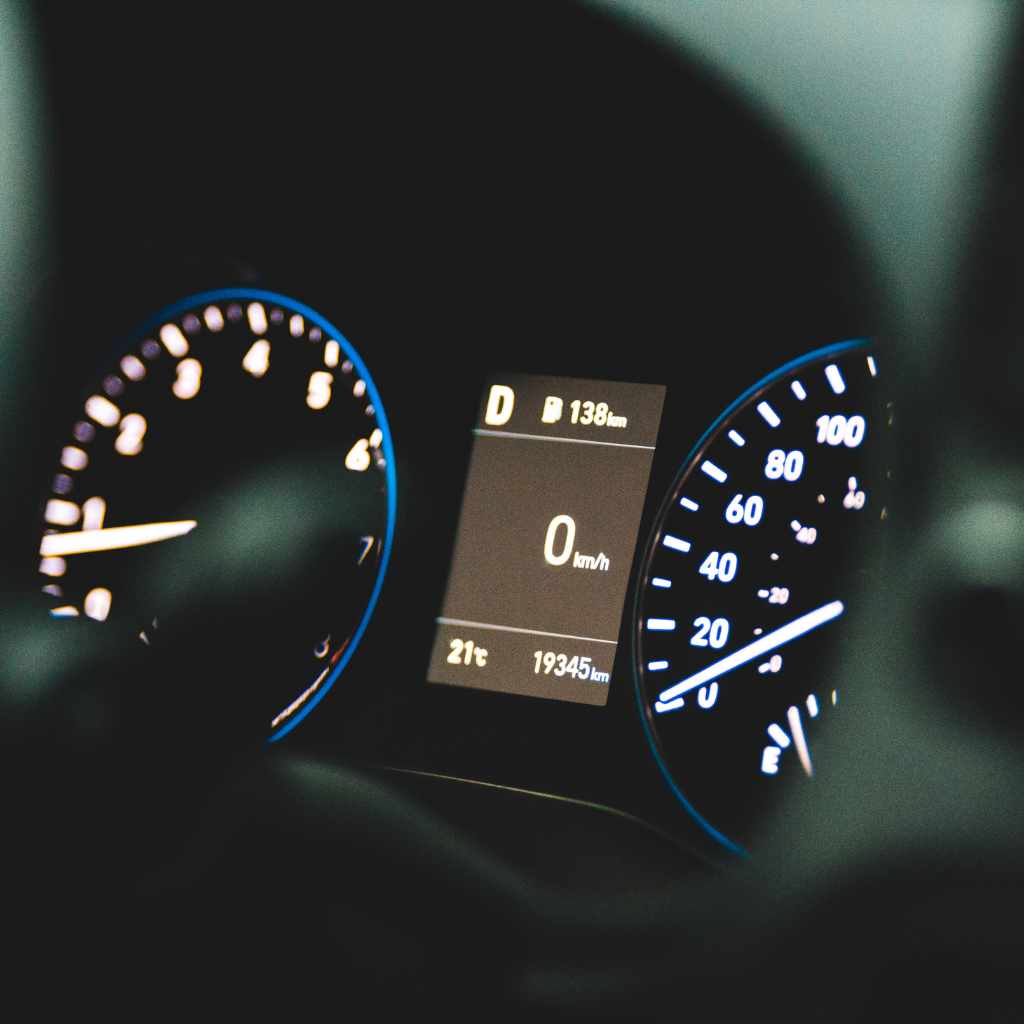
Modern vehicles mostly use digital odometers, which are significantly different from their mechanical predecessors. These digital systems are integrated into the car’s computer and offer several advantages in terms of accuracy and security. Although more advanced, digital systems can still experience issues. This section explores how digital odometers work, including the types of memory used, and common failures. This information can help you better understand why your mileage might reset.
How Digital Odometers Store Data
Unlike mechanical odometers, digital odometers use electronic memory to store the mileage data. This memory is usually a non-volatile type, meaning it retains the data even when the car’s power is off. Different types of memory are used. Understanding this can help explain how a reset may occur. Let’s explore the technology used to track mileage in modern vehicles.
EEPROM (Electrically Erasable Programmable Read-Only Memory): Many digital odometers use EEPROM chips to store mileage data. EEPROM is non-volatile, so it can retain data even if the car’s power is disconnected.
The stored mileage data is not lost even if the battery dies. If the EEPROM chip fails, the odometer might display incorrect data or reset. This is a common failure point in older digital odometers.
Flash Memory: Some modern vehicles use flash memory, a more advanced type of non-volatile memory. Flash memory is faster and can store more data. It is often integrated within the car’s ECM.
Flash memory is generally more reliable than EEPROM, but it can still fail. Power surges or electrical problems can damage the flash memory, leading to data corruption or a reset.
Backup Systems: Many manufacturers include backup systems to protect the mileage data. This can include storing the data in multiple locations within the car’s computer or using a secondary power source.
These backup systems help to reduce the risk of a mileage reset due to electrical failures. The car might retain a record of the original mileage even if the primary odometer resets.
Common Failures in Digital Systems
Although digital odometers are generally reliable, they are not completely immune to problems. Several factors can cause these systems to malfunction or reset. Understanding these potential issues will help you to pinpoint the cause of the problem. Let’s delve into the areas where digital systems are most vulnerable.
Software Glitches: Software bugs within the car’s computer system can sometimes cause the odometer to reset. These glitches can be triggered by various factors, including power fluctuations or data corruption.
Updating the car’s software might fix a software glitch. Manufacturers sometimes release updates that correct these issues. In this situation, the car might need to visit a service center.
Electronic Control Module (ECM) Issues: The ECM, the “brain” of the car, controls many functions, including the odometer. If the ECM fails or malfunctions, it can corrupt the data stored in the odometer.
ECM problems can be complex to diagnose and repair. A qualified mechanic should perform the diagnostics and repairs.
Power Surges: Electrical surges, perhaps due to a short circuit or faulty wiring, can damage the electronic components of the odometer. This can lead to a complete reset.
Installing surge protection devices or repairing the electrical problems can help prevent these issues. These types of surges can also be due to external events such as lightning strikes.
Troubleshooting and Solutions: Car Mileage Reset Problems
If your car’s mileage resets, figuring out the cause can seem difficult, but there are steps you can take to troubleshoot the problem. This section provides a guide to diagnosing the issue and potential solutions to restore the odometer. You don’t need to be a car expert to start the troubleshooting process. Let’s start with a practical plan for resolving the mileage problem.
Step-by-Step Diagnostics
Begin by systematically checking various elements that could lead to a reset. Following these steps can help narrow down the cause and identify the best solution. Careful analysis is the key to solving this issue. Let’s explore how to diagnose the issue with the odometer.
Inspect the Battery: Start by examining the car’s battery. Check the battery terminals for corrosion and ensure they are securely connected. Use a multimeter to measure the battery voltage. A low voltage (below 12.0 volts) indicates a potential problem.
Low voltage can disrupt the car’s electrical systems. Clean any corrosion, tighten the terminals, and charge or replace the battery if necessary.
-
Check Fuses: Examine the fuse box for any blown fuses. Locate the fuse responsible for the instrument cluster or odometer.
A blown fuse indicates a short circuit or overload. If the fuse blows again, consult a mechanic.
- Scan for Diagnostic Codes: Use an OBD-II scanner to scan for any diagnostic trouble codes (DTCs) related to the instrument cluster or electrical system. These codes can provide clues about the problem.
-
A scanner can help identify the root cause of the odometer reset. A professional mechanic can interpret the codes and perform repairs.
- Examine Wiring: Inspect the wiring harness for any signs of damage, such as frayed wires or loose connections. Pay close attention to the wiring near the battery, instrument cluster, and ECM.
-
Wiring problems can cause intermittent issues or complete failures. Repair or replace any damaged wiring.
- Consult a Professional: If you are unable to pinpoint the cause of the reset, or if you are uncomfortable working with the car’s electrical system, consult a qualified mechanic. They have the tools and expertise to diagnose and fix complex problems.
-
A mechanic can perform advanced diagnostics and repairs, ensuring the odometer functions correctly.
Available Fixes and Restoration
Once you’ve identified the cause of the mileage reset, you can take steps to correct the issue and restore the functionality of the odometer. The specific solution will depend on what caused the reset in the first place. You can use this information to decide what actions to take. Let’s delve into the possible solutions available.
-
Battery
A new battery ensures a stable power supply for all the car’s electrical components.
-
Fuse
Fuses protect the electrical components from damage. Replace them immediately when needed.
- Wiring Repair: Repair or replace any damaged wiring. Ensure all connections are secure and properly insulated.
-
Wiring problems can cause intermittent issues or complete failures. They must be corrected to ensure the odometer and other electrical components work properly.
- Instrument Cluster Repair or Replacement: If the instrument cluster is faulty, it can be repaired or replaced.
-
If the instrument cluster is the source of the problem, the mechanic will determine if the components can be repaired or if a full replacement is needed.
- ECM Reprogramming or Replacement: If the ECM is causing the problem, it might need to be reprogrammed or replaced. This should be done by a qualified technician.
-
ECM problems can be complex to diagnose and repair. A qualified mechanic should perform the diagnostics and repairs.
Ethical and Legal Considerations
When dealing with mileage resets, there are ethical and legal aspects to consider. Odometer tampering is illegal in many places, and misrepresenting a car’s mileage can lead to legal issues. This information can help you understand the laws and the ethical concerns surrounding odometers. The integrity of your vehicle’s odometer has wide-ranging implications.
Laws Regarding Odometer Tampering
Odometer tampering, also known as odometer fraud, is against the law in most countries and regions. The laws are there to safeguard buyers and sellers of vehicles. Understanding these laws helps you to steer clear of potential legal trouble. Here are some of the key laws surrounding the odometer.
Federal Regulations: In the United States, federal laws like the Truth in Mileage Act (TIMA) make it illegal to tamper with a vehicle’s odometer or to misrepresent its mileage. This includes rolling back the odometer, disconnecting it, or changing the mileage display.
Penalties for odometer tampering can include fines, imprisonment, and civil lawsuits.
State Laws: Individual states also have laws regarding odometer tampering and vehicle sales. These laws often align with federal regulations but may have their own specific provisions.
It’s important to understand both federal and state laws in your region.
Reporting Requirements: Car sellers must disclose the accurate mileage of the car. If the odometer has been replaced or repaired, the seller must disclose this information to the buyer.
Accurate disclosure of mileage is an essential part of a fair car transaction.
Ethical Considerations
Beyond legal considerations, there are ethical considerations to keep in mind. Tampering with the odometer is considered unethical. Maintaining the integrity of the odometer is important for everyone involved. Here are the main ethical issues to keep in mind.
Honesty and Transparency: Always be honest and transparent about the car’s mileage, whether you are buying, selling, or repairing a car. Accurate information helps buyers make informed decisions.
Provide all relevant information honestly, to help build trust with buyers or mechanics.
Impact on Car Value: Odometer tampering affects the value of a car. A lower mileage reading can mislead potential buyers and give them a false sense of the car’s condition.
Misrepresenting mileage to inflate a car’s value is unethical and may be illegal.
Consequences of Non-Disclosure: If you are aware of odometer issues, disclose them to the buyer. Failure to do so can have legal and ethical consequences.
Full disclosure is the key to an honest and ethical transaction.
Frequently Asked Questions
Question: What should I do if my car’s odometer resets?
Answer: Check the battery connections and voltage, inspect fuses, and use an OBD-II scanner to look for error codes. If the problem continues, seek assistance from a mechanic.
Question: Can I fix a reset odometer myself?
Answer: Basic tasks, like checking the battery and fuses, you can often do yourself. However, more complex issues such as instrument cluster or ECM problems require a professional.
Question: Is odometer tampering illegal?
Answer: Yes, odometer tampering is illegal in most places. It violates federal and state laws.
Question: How can I prevent my odometer from resetting?
Answer: Maintain your battery, ensure proper electrical connections, and have any electrical problems addressed promptly.
Question: What if I think someone has tampered with my car’s odometer?
Answer: Consult an expert mechanic. They can inspect the car and provide a history report.
Final Thoughts
Understanding Why Did My Car Mileage Reset? Causes Explained is important for all car owners. Many issues, from battery problems to software glitches, can cause these resets. By exploring the causes and the steps to diagnose and correct the problems, you can address the issue. Always begin by checking the battery and fuses, then consider using an OBD-II scanner. If the problem is more complex, seek assistance from a qualified mechanic who is well-versed in car electrical systems. Always make sure to consider the ethical and legal implications of any odometer-related problems, especially when buying or selling a car.
By being informed and proactive, you can take care of your car and protect yourself from potential issues. Keep up with routine maintenance and be attentive to any unusual behavior in your vehicle. That way, you’ll ensure that you have accurate mileage readings and continue to use the car in the correct way.