Why Does My Car Horn Keep Going Off? Causes & Fixes
A car horn that keeps going off on its own is usually a stuck horn button, a bad relay, or a short in the wiring — but if you have an aftermarket alarm, a dying siren battery or a worn clock spring behind the steering wheel are just as likely. Ignoring it can drain your battery or leave you unable to silence the horn while driving. This guide covers each cause, how to test for it, and when the fix is a $5 fuse versus a mechanic visit.
Quick Answer
Check the horn button, relay, and fuse first — these are the cheapest and most common fixes. If you have an aftermarket alarm system, its siren battery or a worn steering-wheel clock spring is often the real cause, not the horn itself.

Common Causes Of Horn Malfunctions
The car’s electrical system can cause horn problems. Wiring faults might lead to a horn that won’t stop. Corrosion can also disrupt connections, causing the horn to malfunction. Check the battery and fuses if the horn keeps sounding.
The horn relay is an important component. A bad relay can make the horn sound unexpectedly. This small part controls the horn’s electrical flow. Replacing a faulty relay often solves the issue.
A stuck horn button can keep your horn on. Dirt or debris can cause the button to stick. Inspect the button on the steering wheel. Cleaning it might fix the problem. Ensure the button moves freely when pressed.
Best Horn Relay Pick
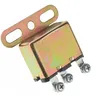
Universal 12V Horn Relay Replacement
A bad relay is one of the most common causes of a horn that won’t stop — this is the exact part this guide’s own “Replacing Horn Components” section names as the fix.
- Best for: A horn that sounds continuously or randomly with no button pressed
- Why we picked it: A cheap, direct-swap part before assuming the whole horn or wiring is at fault
- Main drawback: Requires confirming the right relay type for your specific vehicle
Compare more horn-troubleshooting essentials
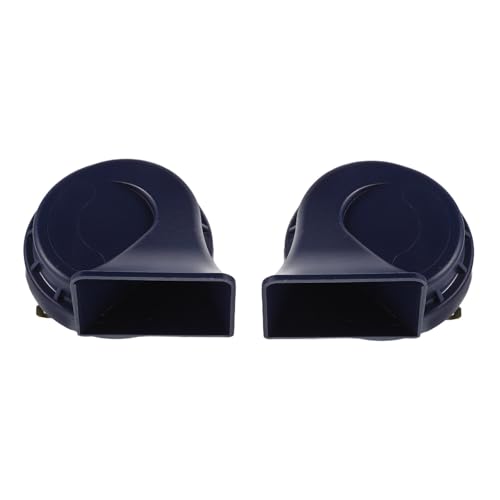
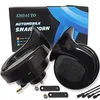 Option 1 SYOAUTO 12V Universal Replacement Horn
|
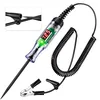 Option 2 Automotive Circuit Tester / Test Light
|
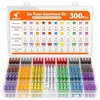 Option 3 Car Fuse Assortment Kit (300-Piece)
|
As an Amazon Associate we earn from qualifying purchases.
Aftermarket Alarms, Clock Springs & Key Fobs: The Causes Most Guides Skip
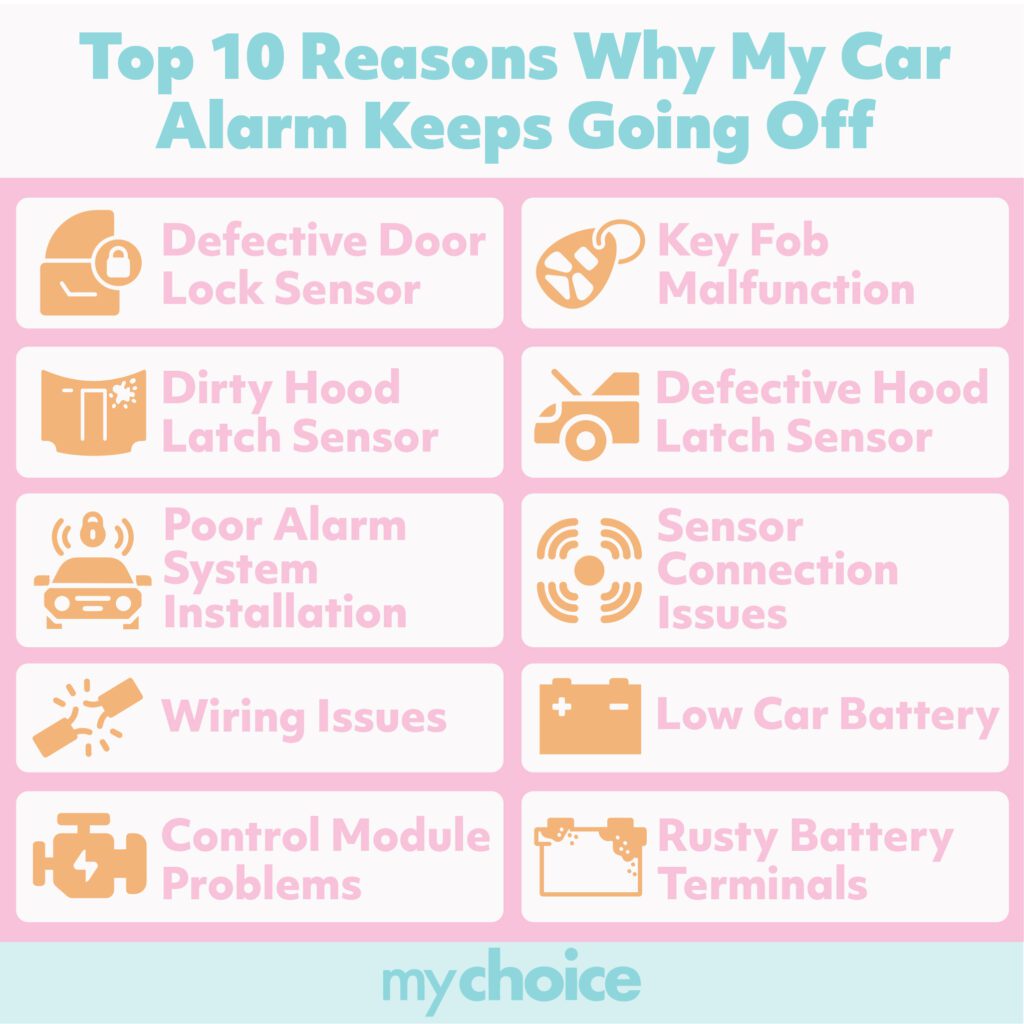
If your car has an aftermarket alarm system wired into the horn, the horn itself may be completely fine. A dying internal battery inside the alarm’s siren module is one of the most common reasons a horn honks randomly, since the module can misfire as its backup power fades. Check the siren, usually mounted near a wheel well, before assuming the horn or relay is at fault.
A worn clock spring is another overlooked cause. The clock spring is the coiled electrical connector behind the steering wheel that lets the horn button, airbag, and cruise controls keep working as the wheel turns. Years of turning can wear it out, causing intermittent horn activation or a horn that won’t sound at all.
A malfunctioning key fob can also trigger the horn through the remote panic button, especially if a button is stuck or the fob has water damage. Try removing the fob’s battery for a few minutes to rule this out before assuming it’s an electrical fault inside the car itself.
📊 Common causes of a randomly sounding horn include a stuck horn relay, a faulty switch, electrical grounding issues, a worn clock spring, a malfunctioning key fob, or an overly sensitive aftermarket alarm system. — Source: YourMechanic, My Car Horn Goes Off Randomly
“Start by replacing the key fob battery, checking the horn relay and fuse, and inspecting for loose wires or corrosion.”
Diagnosing The Problem
Horn fuse might cause the horn to go off. Find the fuse box in your car. It is usually near the dashboard or under the hood. Look for the horn fuse label. Pull it out carefully. Check if the fuse is burnt or broken. Replace it with a new one of the same type if needed. This can stop the horn from beeping unexpectedly.
Wiring connections can be loose or damaged. Check the wires connected to the horn. Make sure they are tight. If wires are frayed or broken, they need fixing. Secure connections can stop the horn from going off suddenly. Always handle wires with care.
The horn button might be the problem. Press the horn button gently. If the horn sounds without pressing, it might be stuck. Clean around the button carefully. Remove any dirt or debris. If it still doesn’t work, the button may need replacing.
Fixing Electrical Problems
A car horn that won’t stop might have a bad fuse. Check your car’s fuse box. Locate the horn fuse. If the fuse is burnt, replace it. Use a new fuse with the same rating. This can solve the horn problem quickly.
Broken wires can cause horn issues. Inspect the horn’s wiring. Look for any cuts or breaks. Fix any damaged wires. Use electrical tape to cover them. This can help the horn work properly again.
A weak battery can cause the horn to malfunction. Check the battery’s voltage. Ensure it is fully charged. Clean the battery terminals. Remove any dirt or rust. A healthy battery ensures all systems work well.
Replacing Horn Components
The horn relay helps control the horn sound. It might be stuck. Check if it’s working right. If not, remove the old relay. Put in a new relay. Ensure it fits well. Tighten any loose connections. This can stop unwanted horn sounds.
The horn button can get old or broken. This might cause the horn to beep. Inspect the button carefully. Look for any damage or wear. Replace it with a new button. Ensure it’s installed tightly. This can help fix the horn problem.
The horn might be the issue. Sometimes it wears out. Remove the old horn. Put in a new one. Make sure it is secure. Connect all wires properly. This can solve the horn noise problem.
Preventive Measures
Keep your car in good shape. Check wires for damage often. Clean horn parts to avoid dirt buildup. Lubricate moving parts to keep them working smoothly. A clean car works better. It prevents horn issues.
Protect wires from water. Water harms them. Check for rust in connections. Rust causes problems. Use covers for wires. Avoid touching wires with wet hands. Keep the battery clean.
Test the horn weekly. Make sure it works. Listen for strange sounds. Strange sounds mean trouble. Adjust horn settings if needed. Watch for changes in horn tone. Replace faulty parts. For a horn that will not sound at all rather than one that will not stop, see quick fixes for a stuck or silent horn.
Frequently Asked Questions
Why Does My Car Horn Sound Randomly?
A randomly sounding car horn may indicate a malfunction. Common causes include electrical issues, damaged wiring, or a faulty horn relay. Moisture or dirt can also affect connections. Inspect the wiring and relay for damage. If unsure, consult a mechanic to diagnose and fix the issue promptly.
Can Weather Affect My Car Horn?
Yes, weather can impact your car horn. Extreme cold or heat may affect electrical components. Moisture can cause wiring issues, leading to unexpected horn sounds. Ensure your car is regularly maintained to prevent weather-related problems. If problems persist, seek professional advice to avoid further damage.
How Can I Fix A Stuck Car Horn?
To fix a stuck horn, first, disconnect the battery. Check for debris or corrosion around the horn and wiring. Inspect the horn relay and fuse for damage or wear. Replace faulty components as needed. If the problem persists, consult a mechanic to ensure proper repair.
Is A Faulty Relay Causing Horn Issues?
A faulty relay can indeed cause horn problems. The relay controls the electrical current to the horn. If it’s malfunctioning, it may lead to intermittent or continuous horn sounds. Check the relay for signs of wear or damage. Replacing a faulty relay can often resolve horn issues effectively.
Conclusion
Dealing with a car horn that won’t stop can be frustrating. It’s important to find the cause quickly. Check the fuse, relay, and wiring first. Sometimes, a faulty horn switch needs replacing. Regular maintenance helps prevent issues. If unsure, consult a mechanic for advice.
Keeping your car in good shape ensures smooth rides. Remember, a little attention now can save headaches later. Be proactive in your car care. Your horn will behave better, and you’ll drive stress-free. Stay calm, and tackle the issue with confidence.
Your car will thank you.
Products related to this article
Sponsored / affiliate links. As an Amazon Associate I earn from qualifying purchases. I may earn additional commission from eligible campaigns.