Does a Bad Car Battery Affect Performance? Signs and Fixes
Yes, a bad battery affects car performance — but mostly through starting power and electrical systems, not through engine horsepower itself. A weak or failing battery causes slow cranking, dim or flickering lights, glitchy dashboard and infotainment behavior, and extra strain on the alternator. It rarely changes how the engine runs once it’s already started and warmed up.
Quick Answer
A bad car battery affects starting power, headlight brightness, dashboard electronics, and alternator load — not the engine’s actual horsepower or top speed. If your car is already running rough or accelerating poorly while driving, the battery usually isn’t the cause; look at the alternator, fuel system, or ignition components instead.
Car batteries exist to start the engine and to steady out the electrical system before the alternator takes over. Once a battery starts losing capacity, that job gets harder, and the symptoms show up in specific, recognizable ways — not as a vague loss of power. Below is what a bad battery genuinely does to your car, what it doesn’t do, and how to check which one you’re dealing with.
How a Bad Battery Affects Engine Starting
Slow cranking is the clearest sign. The starter motor turns the engine over sluggishly instead of firing right away, because the battery can’t deliver enough current in the first second or two of the start attempt. In cold weather this gets worse, since low temperatures reduce a battery’s usable capacity even further.
A single clicking sound when you turn the key usually means the battery has too little charge to engage the starter solenoid at all. A rapid clicking-clicking-clicking is a different symptom — that’s more often a starter or connection problem than the battery itself, so don’t assume every click means “replace the battery.”
How a Bad Battery Affects Electrical Systems
AT-HOME BATTERY TESTER
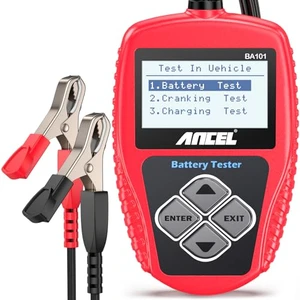 |
ANCEL BA101 Car Battery Tester – $34.99 If you’re seeing any of the symptoms above, this clamps onto your battery and gives you a real state-of-health, CCA, and cranking/charging reading in under a minute — no guessing needed.
|
A weak battery struggles to hold a steady voltage, and every electrical component in the car is sensitive to that. Headlights and interior lights dim or flicker, especially when you turn the key or add another electrical load like the blower motor. This is genuinely dangerous at night, since dim headlights cut your visible range on the road.
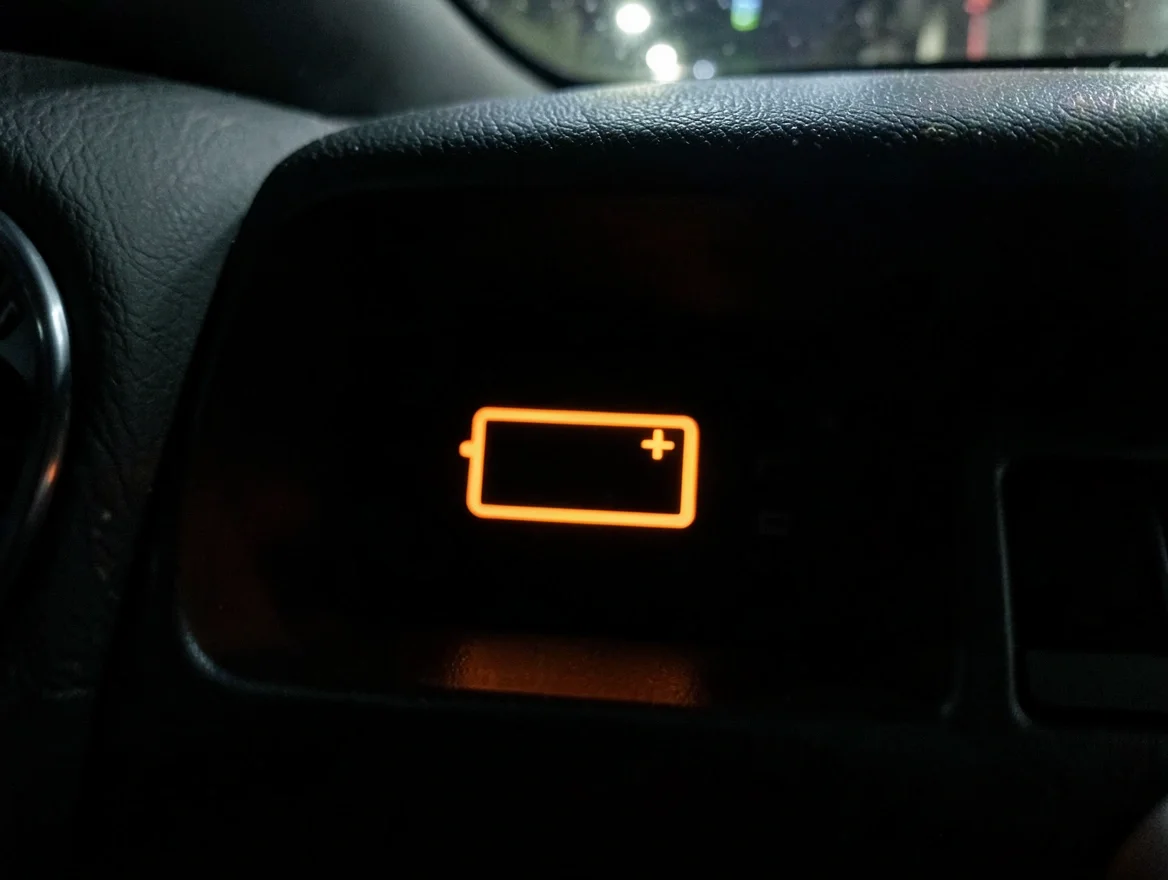
Dashboard gauges and warning lights can behave erratically on a failing battery — needles jumping, backlighting flickering, or random warning lights flashing on and off. Modern cars also run dozens of small computers (the ECU, ABS module, body control module, and more), and unstable voltage can make them reset or throw temporary fault codes even though nothing mechanical is actually wrong.
Does a Bad Battery Affect Fuel Economy or Acceleration?
This is where it’s easy to overstate the connection. A weak battery does not meaningfully reduce your engine’s horsepower, torque, or acceleration once it’s already running — the engine gets its power from fuel and air, not from the battery. Claims that a bad battery causes “frequent refueling” or dramatically worse gas mileage are exaggerated.
What does happen is more modest: a battery that won’t hold its charge forces the alternator to work harder trying to keep it topped up, and that extra mechanical load on the alternator is ultimately powered by the engine, which burns a small amount of extra fuel to drive it. CAA (the Canadian Automobile Association) has pointed out this exact link between a failing battery and slightly reduced fuel economy — but it’s a marginal effect, not the “frequent refueling” story some articles claim. If you’re seeing a real jump in fuel consumption, look at tire pressure, a clogged air filter, or a failing oxygen sensor before blaming the battery.
Battery Strain on the Alternator
A battery that’s losing its ability to hold charge puts the alternator in a bind: it has to work continuously trying to recharge a battery that can’t fully accept or retain that charge. Over time, this constant extra load can shorten the alternator’s own lifespan and, in some cases, cause it to run hotter than normal.
The two problems tend to feed each other. A weak battery strains the alternator, and a strained or aging alternator can’t properly recharge even a healthy battery — which is why a “battery” that keeps dying might actually need a new alternator instead. If your battery has needed a jump more than once in the past month, it’s worth having both the battery and the charging system load-tested together rather than just swapping the battery and hoping.
Effects on Car Accessories
Air conditioning is one of the biggest electrical draws in the car, and a weak battery can leave it underpowered — the blower fan may run slower than usual, cutting airflow on a hot day. The infotainment system is another common casualty: screens flicker, sound gets distorted, or the head unit reboots mid-drive because it isn’t getting stable power.
Battery Corrosion and Its Impact on Performance
Corrosion on the battery terminals — the white or bluish crust you sometimes see building up — adds electrical resistance right at the connection point. That resistance blocks current from flowing normally, which produces the exact same symptoms as a weak battery: hard starting, dim lights, and erratic accessories, even if the battery itself is otherwise healthy. For a deeper look at why this buildup keeps coming back and how to stop it, see our guide on why car batteries keep corroding.
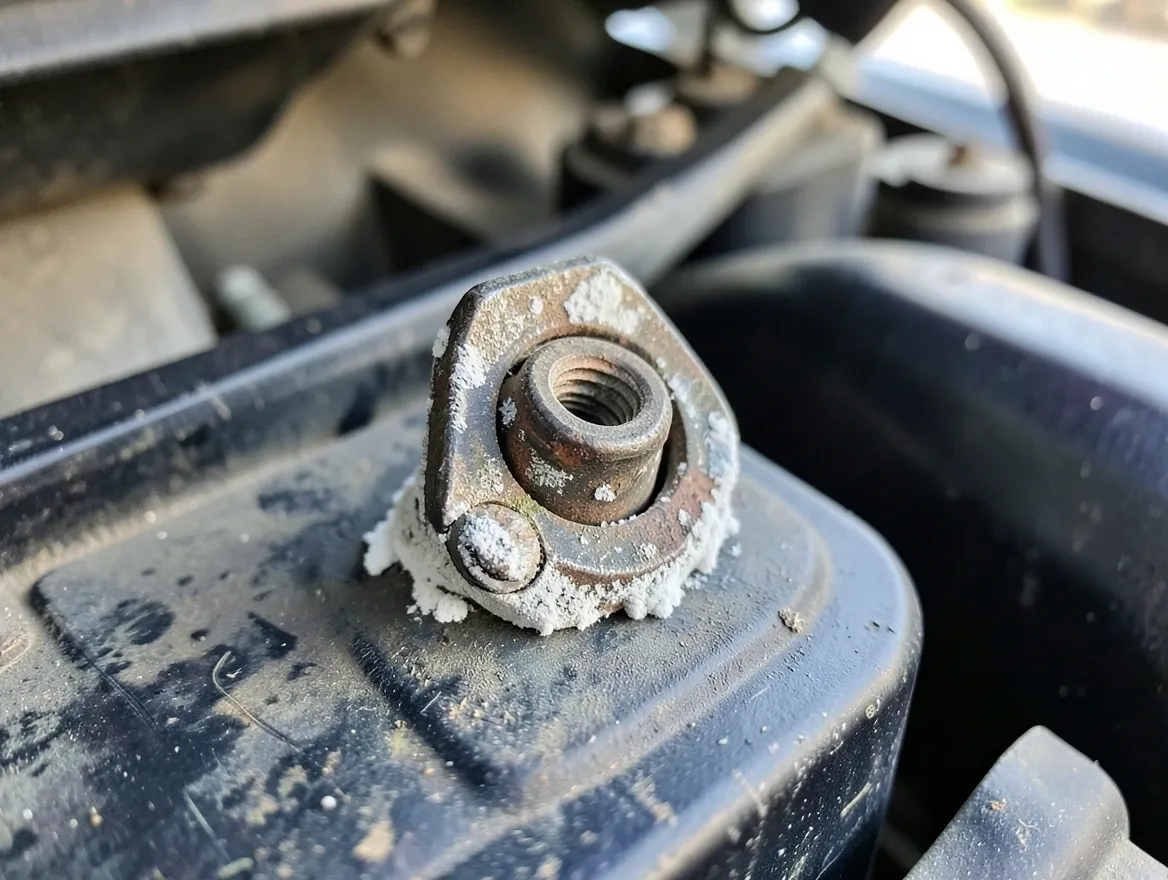
Heavy corrosion can get bad enough to interrupt power delivery entirely, which is a separate question from whether it’s dangerous to touch or breathe — we cover that specifically in is car battery corrosion dangerous. The fix is straightforward: disconnect the terminals (negative first), clean them with a wire brush and a baking-soda-and-water solution, and apply a thin layer of dielectric grease or petroleum jelly before reconnecting to slow the buildup from coming back.
Signs of a Failing Battery
- Slow or labored engine cranking
- A single click instead of the engine turning over
- Dim or flickering headlights and interior lights
- The battery warning light staying on after startup
- Dashboard gauges or infotainment acting erratically
- Visible corrosion on the battery terminals
- Needing a jump start more than once in a few weeks
- A battery older than 3–5 years, especially after a hot summer
Common causes behind these signs include extreme heat or cold, a battery simply reaching the end of its 3–5 year service life, loose or corroded connections, a parasitic drain from something staying powered on (a dome light, a phone charger, an aftermarket alarm), long stretches without driving, or a failing alternator that isn’t recharging the battery properly between drives.
How to Test and Maintain Your Battery
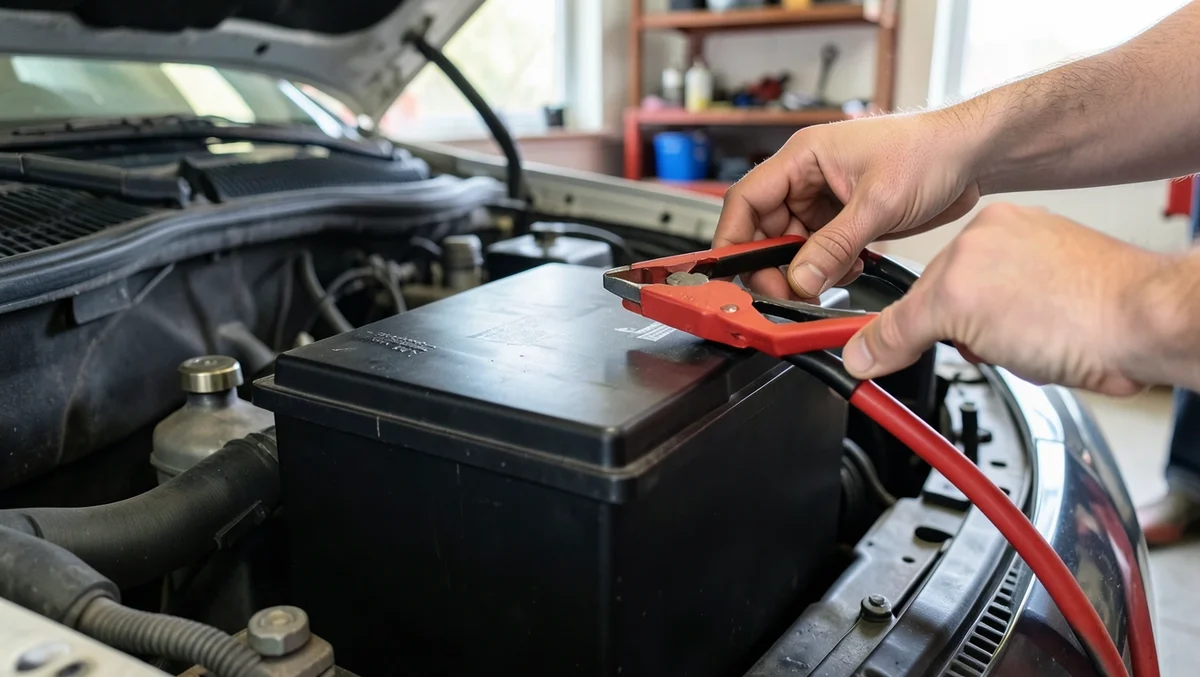
Most auto parts stores will load-test your battery for free, and a $30–$40 handheld tester (like the one above) lets you check it yourself anytime in under a minute. A healthy 12V battery should read around 12.6V with the engine off and roughly 13.7–14.7V with the engine running — if it’s noticeably below that, or if a load test flags it under 70% of its rated cold-cranking amps, it’s time to replace it rather than wait for it to strand you.
To help a battery last its full service life: keep the terminals clean and free of corrosion, make sure it’s mounted securely so vibration doesn’t damage the internal plates, avoid letting the car sit unused for more than a couple of weeks at a time, and don’t leave accessories like lights or the radio running with the engine off. If you’re shopping for a replacement, our guide to the best car battery chargers and our explainer on AGM car batteries are good next reads.
Frequently Asked Questions
Does a bad battery affect acceleration?
Not directly. Once the engine is running, acceleration comes from fuel, air, and ignition timing, not the battery. A bad battery can indirectly cause rough idling or hesitation if it’s so weak that it’s dragging down voltage to the ignition and fuel-injection systems, but this is uncommon and usually shows up alongside starting problems, not as isolated poor acceleration.
Will a new battery improve car performance?
A new battery restores reliable starting power and stable voltage for your electronics — it will not increase horsepower or make the engine run better than it already does. If your car feels sluggish while driving, that’s an engine, fuel, or ignition issue, and a new battery won’t fix it.
How does a weak battery affect your car?
A weak battery causes slow or failed engine starts, dim or flickering lights, erratic dashboard and infotainment behavior, and extra strain on the alternator that can shorten its lifespan. Left unaddressed, it eventually leads to a no-start condition, usually at the worst possible moment.
Can a bad battery affect fuel economy?
Only slightly. A battery that can’t hold its charge forces the alternator to work harder recharging it, and that extra mechanical load is powered by the engine, which burns marginally more fuel. It is not a major factor compared to tire pressure, a clogged air filter, or worn spark plugs — if your mileage has dropped noticeably, look at those first.
How do I know if my performance problems are the battery or something else?
If the symptoms show up mainly at startup — slow cranking, clicking, dim lights when you turn the key — the battery is the likely cause. If the car runs poorly, hesitates, or loses power while you’re already driving, the battery is rarely the culprit; have the alternator, fuel system, and ignition components checked instead. A load test takes a couple of minutes and will tell you definitively which one it is.
How long does a car battery usually last?
Most car batteries last 3 to 5 years, though extreme heat, frequent short trips, and age-related wear can shorten that. Once a battery passes the 3-year mark, it’s worth testing it every few months rather than waiting for it to fail without warning.
Conclusion
A bad battery genuinely affects your car — through slow or failed starts, dim and flickering electronics, and extra wear on the alternator — but it isn’t the reason your car feels sluggish while driving. Test the battery with a load tester or a free store test, keep the terminals clean, and replace it once it’s past 3–5 years old or failing a load test, and most of these symptoms disappear for good.
Products related to this article
Sponsored / affiliate links. As an Amazon Associate I earn from qualifying purchases. I may earn additional commission from eligible campaigns.