Why Do Cars Have Fuel Filters? Function, Signs & Replacement
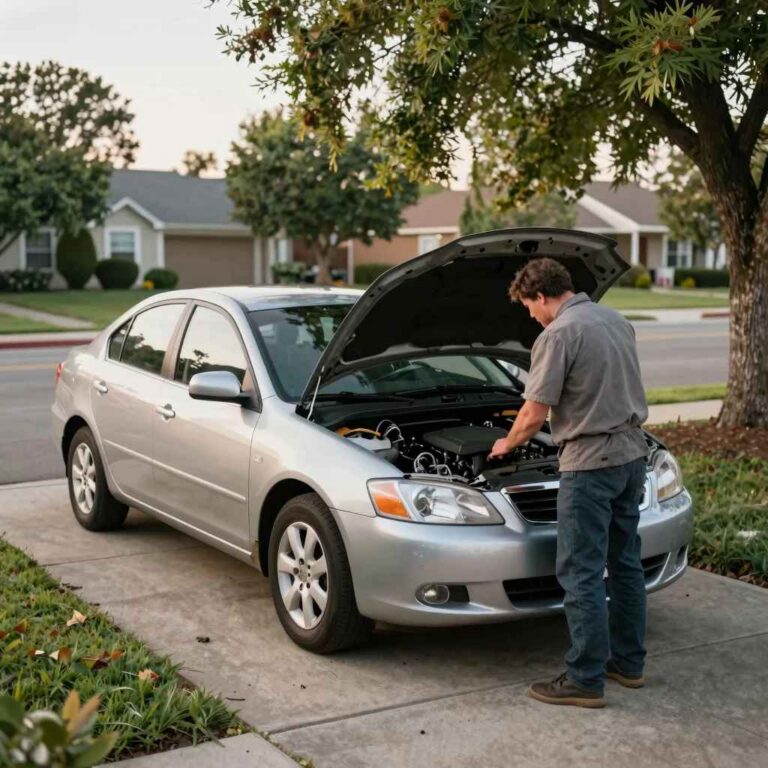
Cars have fuel filters to strain rust, dirt, and other debris out of the gasoline or diesel before it reaches the fuel injectors. Without one, those particles would build up inside the injectors and fuel pump, leading to rough running, lost power, and eventually a repair bill that’s a lot bigger than the filter itself.
Quick Answer
A fuel filter’s job is to trap rust, dirt, and sediment before they reach your engine. On most gasoline cars built since the early 2000s, it’s built into the fuel pump module inside the tank; older vehicles and many diesels use a separate inline canister filter you can replace on its own. Depending on the type and the manufacturer’s schedule, that can mean anywhere from 20,000 to 100,000+ miles between changes – there’s no single number that applies to every car.
Fuel filters don’t get much attention until something goes wrong, but they’re doing real work every time the engine runs. Below is what a fuel filter actually does, where to find yours, the warning signs that it’s clogging up, and how often it realistically needs to be replaced – plus how keeping your fuel system clean can help it go the distance.
What a Fuel Filter Actually Does
Gasoline and diesel aren’t perfectly clean when they leave the pump. Underground storage tanks can shed tiny amounts of rust and sediment, and dirt can work its way in during fueling. A fuel filter is a fine mesh or pleated-paper element sitting in the fuel line whose only job is to catch that debris before it reaches parts of the engine that can’t tolerate it – mainly the fuel injectors, which meter fuel through openings narrower than a human hair, and the fuel pump itself.
What a fuel filter does not do is regulate fuel pressure – that’s the job of a separate pressure regulator elsewhere in the fuel system. A filter’s role is purely mechanical filtration: it removes solid particles (and, on diesel filters, water) from the fuel stream without changing how much fuel flows or at what pressure it arrives.
Keeping Fuel Clean Between Filter Changes
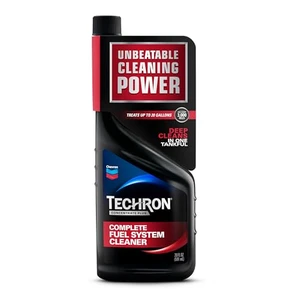 |
Chevron Techron Concentrate Plus Fuel System Cleaner (20 oz.) – $15.99 Fuel filters themselves are vehicle-specific – there’s no single part number that fits every car, so the right one for your vehicle comes from your owner’s manual or a parts-store lookup by year/make/model. A fuel system additive like this one is different: it’s poured straight into the tank and works across most gasoline engines, helping clean deposits off injectors and valves between filter services.
|
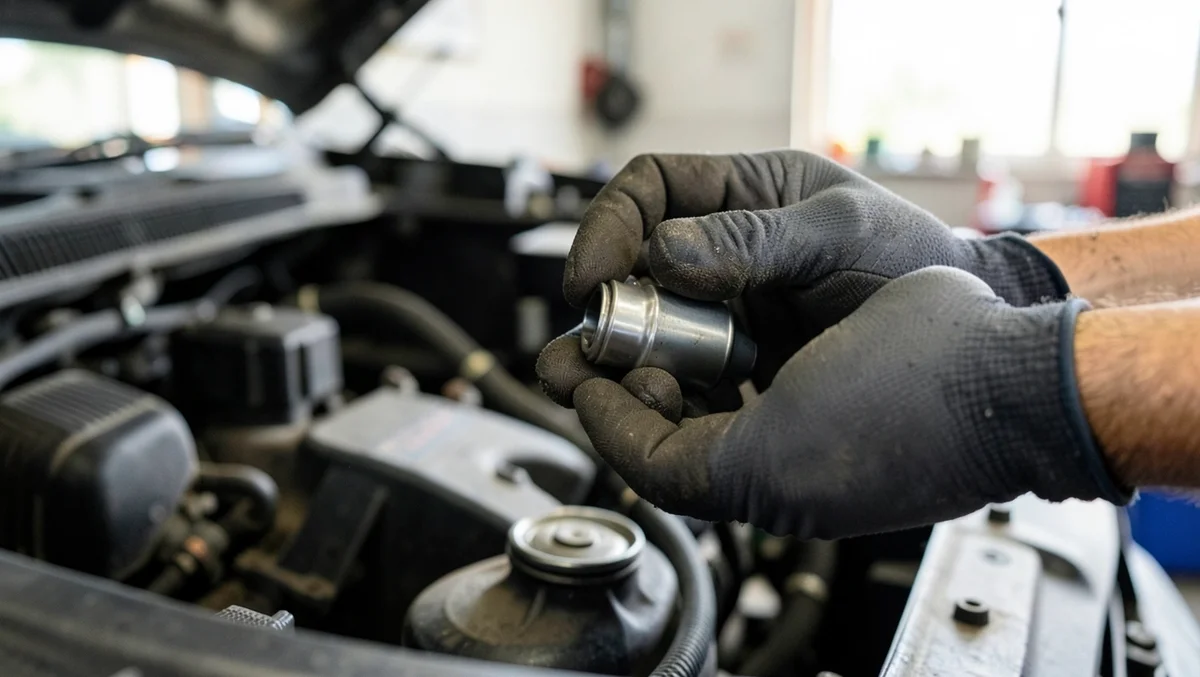
In-Tank vs. Inline Fuel Filters: Where Is Yours?
Not every car hides its fuel filter in the same place, and that matters when it’s time for service. Here’s how the three most common setups compare:
| Filter Type | Most Common On | Where It Lives | Typical Service |
|---|---|---|---|
| In-tank (built into the fuel pump module) | Most fuel-injected gasoline cars from the early 2000s onward | Submerged inside the fuel tank | Not separately replaceable; changed along with the fuel pump assembly, often 80,000–100,000+ miles |
| Inline canister | Older fuel-injected and carbureted vehicles, many trucks | Along the fuel line, under the car or in the engine bay | Bolts or clamps on and off; commonly serviced every 20,000–60,000 miles |
| Diesel filter/water separator | Diesel engines | Usually under the hood, often with a manual drain valve | Also separates water from fuel; drained regularly and replaced on the manufacturer’s schedule |
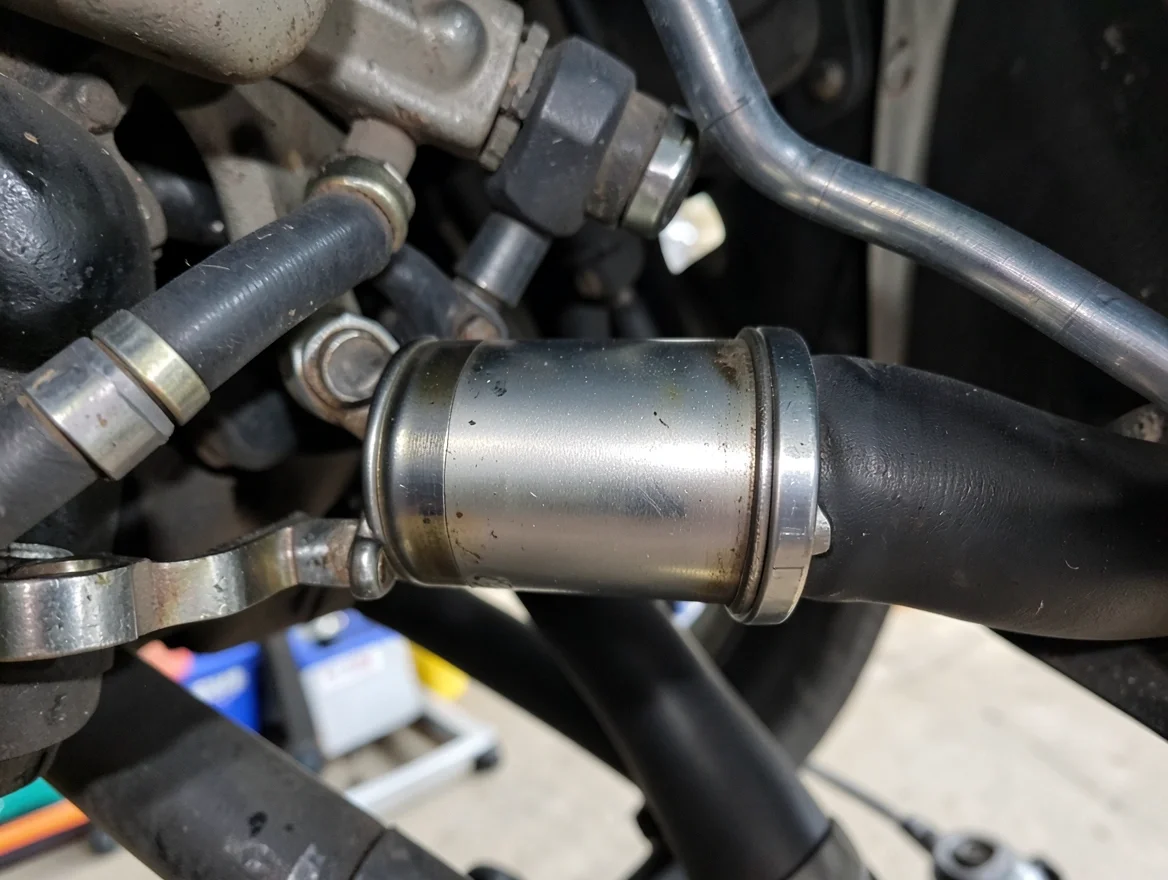
If your car doesn’t have a separately serviceable fuel filter, that’s normal for newer designs – the manufacturer built it to last as long as the fuel pump and expects it to be replaced as one assembly rather than on its own. Your owner’s manual or a parts lookup by year, make, and model will tell you which setup your car actually has.
Signs of a Clogged or Failing Fuel Filter
A fuel filter clogs gradually, so the symptoms usually build up rather than appear all at once. Watch for:
- Hard or delayed starting, especially after the car has sat overnight
- Stalling, particularly at highway speed or under a heavy load
- Hesitation, sputtering, or jerking when you accelerate
- Rough idle or random misfires
- Noticeably less power climbing hills or passing
- Worse fuel economy than usual
- In severe cases, an engine that cranks but won’t start at all
Many of these symptoms overlap with other fuel-system problems, so it’s worth ruling out a failing MAP sensor or a dirty throttle body before assuming the filter is the culprit – a mechanic can confirm with a fuel pressure test in a few minutes.
How Often Should You Replace a Fuel Filter?
There’s no single mileage number that applies to every car, because it depends on both the filter type and the manufacturer’s own schedule.
Data Callout
On older vehicles with a separately serviceable inline filter, the general rule of thumb is every 2 years or roughly 30,000 miles. Most modern gasoline passenger cars stretch that to 30,000–60,000 miles, or every 3–6 years. For in-tank filters built into the fuel pump module, many independent mechanics recommend proactively replacing the whole assembly between 80,000 and 100,000 miles – and some automakers specify their own intervals: Ford’s schedule for many gasoline models calls for an initial fuel filter change at 100,000 miles, then every 50,000 miles after that, while Porsche specifies roughly 60,000 miles (or 6 years) on many 911s. Your owner’s manual is always the final word for your specific vehicle.
Do Electric and Hybrid Cars Have Fuel Filters?
Fully electric vehicles have no fuel system at all, so they have no fuel filter – there’s simply nothing to filter. Hybrids are different: any hybrid with a gasoline engine still runs that engine on gasoline some of the time, so it still needs a fuel filter just like a conventional gas car. The electric motor and battery pack don’t change anything about how the gasoline side of the powertrain is filtered or maintained.
Frequently Asked Questions
Can a Car Run Without a Fuel Filter?
A car can technically run for a short time without a fuel filter, but it’s not something you’d want to do deliberately. Unfiltered dirt and rust would reach the fuel injectors and fuel pump almost immediately, and the damage that causes is usually far more expensive to fix than the filter itself.
Is a Fuel Filter the Same as a Fuel Pump?
No. The fuel pump pushes fuel from the tank to the engine, while the fuel filter simply strains debris out of that fuel along the way. On many modern cars the two are packaged together as one in-tank assembly, but they do two completely different jobs.
Why Do Some Modern Cars Not Have a Separately Replaceable Fuel Filter?
Many newer gasoline cars build the fuel filter into the fuel pump module inside the tank instead of using a stand-alone canister. Cleaner modern fuels and tighter manufacturing tolerances let these filters last much longer, so automakers design them to be replaced along with the pump rather than serviced on their own.
How Do I Know What Fuel Filter My Car Needs?
Fuel filters are vehicle-specific parts – there’s no universal filter that fits every car. Your owner’s manual will list the correct part and replacement interval, and any auto parts store can look up the exact filter (or confirm your car uses an in-tank filter that isn’t sold separately) using your vehicle’s year, make, and model or your VIN.
What Happens If You Never Replace Your Fuel Filter?
An old, clogged filter progressively restricts fuel flow, so you’ll typically notice hesitation, stalling, and lost power before the engine eventually struggles to start at all. Ignoring it long enough can also strain the fuel pump, since it has to work harder to push fuel through a restricted filter – a much costlier repair than the filter itself.
Conclusion
A fuel filter’s job is simple but essential: keep rust, dirt, and sediment out of the fuel injectors and pump before they can cause real damage. Whether your car uses an in-tank filter built into the fuel pump module or a separate inline canister, the same rule applies – know which type you have, follow your manufacturer’s replacement schedule instead of guessing, and pay attention to hesitation, stalling, or hard starting as an early warning sign. A little attention to this one small part goes a long way toward avoiding much bigger repairs down the road.
Products related to this article
Sponsored / affiliate links. As an Amazon Associate I earn from qualifying purchases. I may earn additional commission from eligible campaigns.