What Is A Throttle Body On A Car? Simple Explanation Here
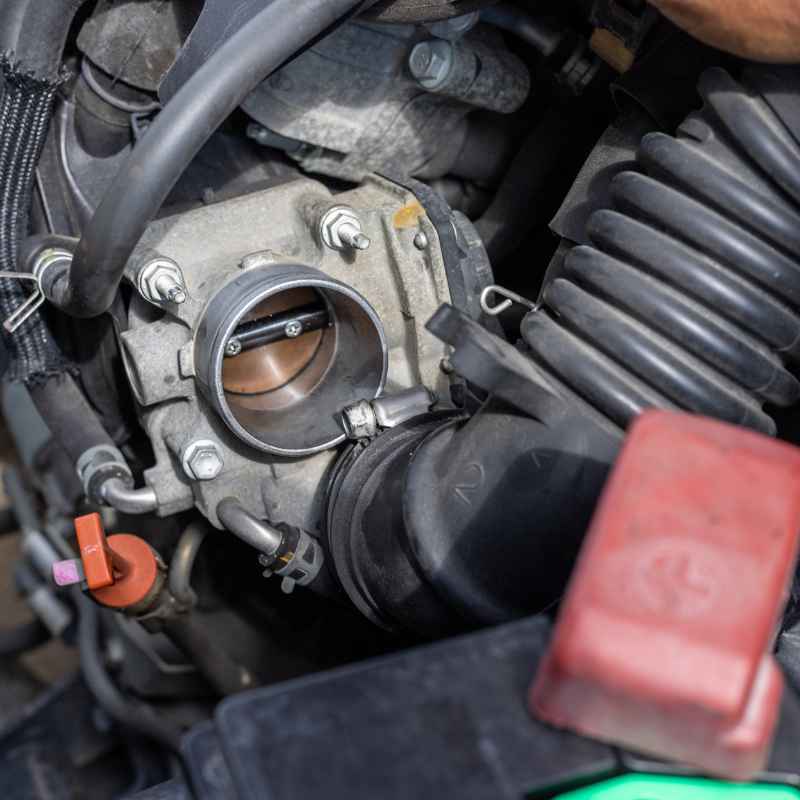
A car’s throttle body is a crucial part of the engine’s air intake system. It’s essentially a valve that controls the amount of air flowing into the engine. This airflow is directly linked to how much fuel is injected, which determines your car’s speed and power.
It works hand-in-hand with your gas pedal.
What Is a Throttle Body?
Think of your car’s engine like a hungry person. It needs air and fuel to run, just like a person needs food and air. The throttle body is like a gatekeeper for the air.
It sits between your car’s air intake system and the engine’s intake manifold. Its main job is to manage how much air gets into the engine.
This is super important because the amount of air determines how much fuel the engine can burn. More air and fuel mean more power. Less air and fuel mean less power.
The throttle body makes sure this happens smoothly based on what you want the car to do.
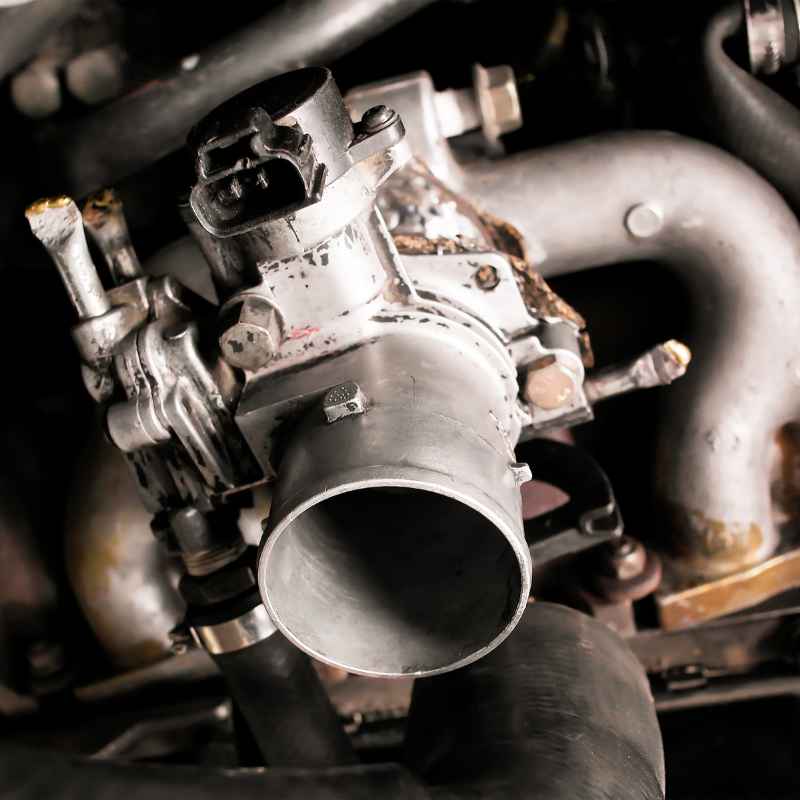
It’s a metal housing. Inside, there’s a butterfly valve. This valve is like a flat disc that can spin.
When you press the gas pedal, this valve opens up. It lets more air rush into the engine. When you let off the gas pedal, the valve closes.
This restricts the airflow.
Modern cars use electronic throttle control (ETC). This means there’s no direct cable connecting your gas pedal to the throttle body. Instead, a sensor on the pedal tells a computer how far you’ve pushed it.
The computer then tells a motor on the throttle body how much to open the valve. Older cars used a physical cable, but ETC is more common now.
How Does a Throttle Body Work?
The whole process starts with your foot. When you press the gas pedal, you’re signaling the engine to use more power. In a car with electronic throttle control (ETC), your pedal has a sensor.
This sensor tells the engine control unit (ECU), which is like the car’s brain, how much you’ve pressed the pedal.
The ECU then sends an electronic signal to a small electric motor attached to the throttle body. This motor turns a shaft. Attached to this shaft is the butterfly valve.
The motor adjusts the angle of this valve. It opens it wider if you’re pressing the gas pedal more. It closes it if you ease up.
As the butterfly valve opens, it creates a larger path. This allows more air to be sucked into the engine. The ECU also knows how much air is coming in.
It uses this information to tell the fuel injectors how much fuel to spray. It’s a precise mix of air and fuel that makes the engine run efficiently.
When the valve is almost closed, only a small amount of air can enter. This is for idling or when you’re not accelerating. When you floor the pedal, the valve opens almost completely.
This lets in a lot of air for maximum power. It’s a constant, fine-tuned adjustment happening very quickly.
My Own Throttle Body Scare
I remember a time a few years back. I was driving my older sedan on a road trip. It was late at night, and I was getting tired.
Suddenly, my car started acting weird. It felt sluggish. When I tried to speed up, it just wouldn’t go.
It was like the engine was coughing.
My heart sank. I thought I was stranded in the middle of nowhere. The check engine light came on, which never helps your mood.
I pulled over safely and popped the hood. I’m not a mechanic, but I know a few basic things. I looked around, and nothing seemed obviously broken.
I called roadside assistance. While waiting, I did some quick searching on my phone. The symptoms I was experiencing—sluggishness, poor acceleration, and the check engine light—pointed to a few things.
One of them was a dirty or faulty throttle body. I had never even thought about it before.
When the tow truck arrived, I told the driver my suspicions. He plugged in his diagnostic tool. Sure enough, the codes indicated a throttle body issue.
He said sometimes they just get gummed up with carbon deposits. He suggested cleaning it might help. It was a bit of a gamble, but it was my only option then.
He cleaned it right there, and honestly, it felt like a different car. The sluggishness was gone. It accelerated smoothly again.
I was so relieved. It taught me that even parts you don’t think about play a huge role. And that a little bit of maintenance can save you a lot of headaches.
Throttle Body Components You Might See
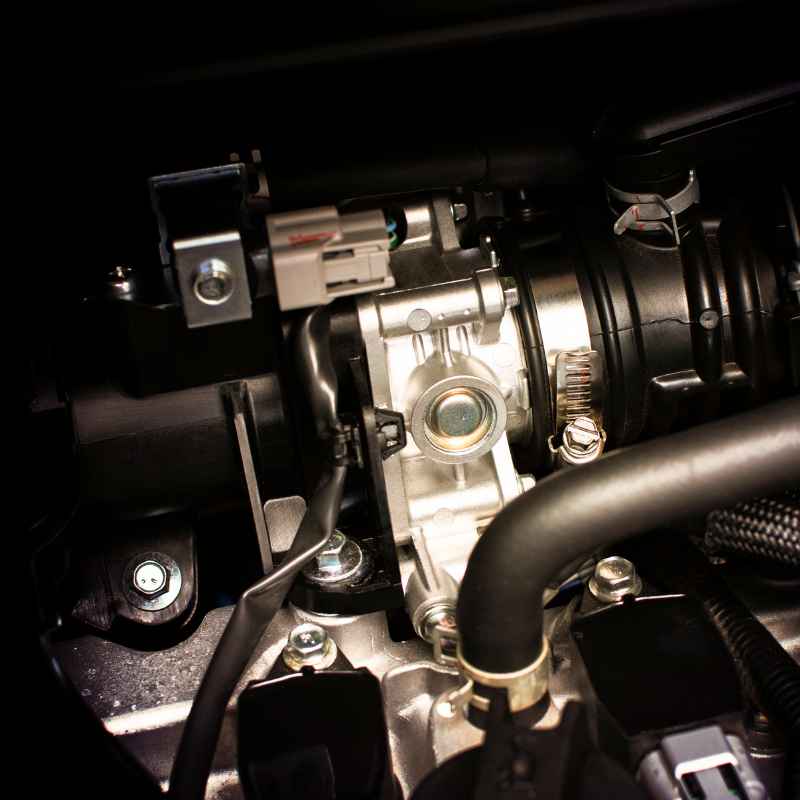
Housing: This is the main body, usually made of aluminum. It’s the part that bolts onto the engine’s intake manifold.
Butterfly Valve: The disc inside that opens and closes to control airflow. It’s connected to a shaft.
Throttle Position Sensor (TPS): This sensor tells the ECU how far the throttle valve is open. It’s critical for proper engine management.
Idle Air Control (IAC) Valve (Older Cars): On some older models, this valve controlled idle speed. Modern systems manage idle through the main throttle plate.
Electric Motor (ETC Systems): A small motor that moves the throttle valve based on computer commands.
Why Is the Throttle Body Important?
The throttle body is central to your car’s performance. It’s the direct link between your desire to accelerate and the engine’s ability to respond. Without a properly working throttle body, your car would be either too slow or run very poorly.
It affects several key aspects of driving.
Engine Power: The most obvious impact is on engine power. When you press the gas pedal, you want the car to speed up. The throttle body opens to let in the air needed for that power surge.
If it’s not working right, you won’t get the power you expect.
Fuel Efficiency: A clean and well-functioning throttle body helps your car use fuel efficiently. By precisely controlling the air-fuel mixture, it ensures the engine burns fuel effectively. A dirty or stuck throttle body can lead to wasted fuel, hurting your MPG.
Smooth Operation: It contributes to how smoothly your car drives. When you’re accelerating, decelerating, or cruising, the throttle body is constantly adjusting. This ensures the engine’s response is fluid and not jerky.
It makes your ride more comfortable.
Idle Speed Control: Even when your foot isn’t on the gas, the engine needs to idle. The throttle body plays a role in maintaining a stable idle speed. It allows a small, controlled amount of air to pass through.
This keeps the engine running without stalling.
Emissions: By ensuring the right air-fuel ratio, the throttle body indirectly helps reduce harmful emissions. An engine running with incorrect amounts of air or fuel can produce more pollutants. So, a healthy throttle body is good for the environment too.
Common Problems with Throttle Bodies
Like any car part, throttle bodies can develop problems over time. The most frequent issue is getting dirty. Over thousands of miles, carbon deposits, oil mist, and other gunk can build up inside the throttle body.
This buildup can cause the butterfly valve to stick or not close properly. It can also restrict the smooth flow of air. This is what happened to my car on that road trip.
The deposits made the valve sluggish to open and close, affecting performance.
Another common problem is a faulty throttle position sensor (TPS). If this sensor isn’t reporting the valve’s position accurately, the ECU will get wrong information. This can lead to erratic engine behavior, poor acceleration, or even stalling.
In electronic throttle control (ETC) systems, the electric motor that moves the valve can also fail. If the motor breaks, the valve won’t move at all. This can leave your car stuck in a limp mode, with very limited power, or unable to drive.
A less common issue is a vacuum leak around the throttle body. If the seal between the throttle body and the intake manifold is damaged, air can leak in where it shouldn’t. This disrupts the carefully measured air-fuel mixture and can cause rough idling or stalling.
When is a Throttle Body Bad? Signs to Watch For
- Check Engine Light: This is a common indicator for many car issues, including throttle body problems.
- Rough Idle: The engine may shake or sputter when stopped.
- Stalling: The engine might cut out unexpectedly, especially at idle or low speeds.
- Poor Acceleration: The car feels slow to respond when you press the gas pedal.
- Hesitation: The car might feel like it’s stumbling or pausing before picking up speed.
- Decreased Fuel Economy: You notice you’re filling up your gas tank more often.
- Burning Smell: In some cases, a failing throttle body might lead to a burning smell.
Can I Clean My Throttle Body Myself?
Yes, in many cases, you can clean your throttle body yourself. It’s a task that many car owners can handle with some basic tools and care. The most common issue is carbon buildup, and cleaning it can often restore performance.
However, it’s important to do it correctly.
You’ll need a can of throttle body cleaner (make sure it’s safe for coated valves). You’ll also need some clean rags or shop towels and possibly a new gasket if the old one looks damaged. A screwdriver or socket set might be needed to remove the intake hose.
First, disconnect the negative battery terminal. This is a safety step. Then, locate the throttle body.
It’s usually between the air filter box and the engine intake manifold. You’ll likely need to remove the air intake hose that connects to it.
Once the hose is off, you should see the butterfly valve inside the throttle body. You can often manually open it by gently pushing on the valve or by having someone press the gas pedal slightly (if it’s cable-driven). Be careful not to force it too much, especially with electronic throttles.
Spray the cleaner onto a rag and wipe the inside of the throttle body and the edges of the butterfly valve. You can also spray some cleaner directly into the housing and wipe it out. Avoid spraying too much cleaner directly into the motor or sensors.
Let it dry completely before reattaching the intake hose and reconnecting the battery. For electronic throttle bodies, after cleaning and reconnecting, you might need to perform a “throttle relearn” procedure. This helps the ECU relearn the idle position.
You can usually find instructions for this online for your specific car model.
Important Note: If your car has a very sensitive electronic throttle control system, some mechanics advise against DIY cleaning. They worry about damaging sensitive electronics. If you’re unsure, it’s always best to consult a professional mechanic.
They have the tools and expertise to do it safely.
Throttle Body Cleaning: Quick Tips
- Use the Right Cleaner: Only use cleaners specifically labeled for throttle bodies.
- Don’t Force It: Be gentle with the butterfly valve, especially on electronic systems.
- Avoid Spraying Electronics: Try to keep cleaners away from sensors and motors.
- Consider a New Gasket: If the old one is old or torn, replace it for a good seal.
- Throttle Relearn: Research if your car needs this procedure after cleaning.
Throttle Body vs. Other Airflow Sensors
It’s easy to get confused between the throttle body and other sensors that measure airflow. While they all work together, they have different jobs.
Throttle Body: This is a mechanical valve controlled by the gas pedal. Its job is to physically open or close a passage to regulate the volume of air entering the engine. It’s the primary control for how much air you want to let in.
Mass Airflow Sensor (MAF): The MAF sensor is usually located upstream of the throttle body, in the air intake tract. It measures the mass (how much, by weight) of air flowing into the engine. The ECU uses this information to calculate how much fuel to inject.
Manifold Absolute Pressure (MAP) Sensor: This sensor measures the air pressure inside the intake manifold. By measuring pressure, it can also infer how much air is entering the engine. Some cars use a MAP sensor instead of a MAF sensor, or both.
Think of it like this: You decide how much air you want (throttle body). The MAF or MAP sensor measures exactly how much air is actually getting through the system. This precise measurement allows the ECU to ensure the perfect air-fuel ratio for optimal combustion.
Understanding Airflow Controls
| Component | Primary Function | Location | Control Mechanism |
|---|---|---|---|
| Throttle Body | Regulates volume of air based on pedal input. | Between air intake and intake manifold. | Butterfly valve opened/closed by pedal/motor. |
| Mass Airflow Sensor (MAF) | Measures mass of incoming air. | In the air intake tract, before throttle body. | Measures air density and speed. |
| Manifold Absolute Pressure (MAP) Sensor | Measures air pressure in the intake manifold. | On the intake manifold. | Measures vacuum/pressure. |
What Does This Mean for You?
Understanding the throttle body is key to keeping your car running well. It’s not a part that most people think about daily, but its health directly impacts your driving experience.
When It’s Normal: When your throttle body is clean and working properly, your car will accelerate smoothly. It will respond well to your pedal inputs. You’ll get good fuel economy, and the engine will idle steadily.
You won’t notice any odd behavior.
When to Worry: You should start to worry when you notice the symptoms we’ve discussed. If your car feels sluggish, hesitates when you try to accelerate, or the check engine light comes on, it’s time to pay attention. These are signs that something is amiss with the air intake system, and the throttle body is a prime suspect.
Simple Checks: If you’re comfortable, you can try visually inspecting the air intake hose leading to the throttle body. Make sure it’s securely attached and not cracked. If the check engine light is on, you can get the codes read at an auto parts store.
This will give you a clue if the throttle body or its sensors are involved. Observing how your car drives—is it sluggish? Does it hesitate?—is also a simple but important check.
If you suspect a throttle body issue, and you’re not a DIY mechanic, the best course of action is to visit a trusted mechanic. They can properly diagnose the problem, clean the throttle body if needed, or replace it if it’s faulty. Regular maintenance, including checking air filters and ensuring clean air intake, can help prevent issues.
Quick Tips for Throttle Body Health
Keeping your throttle body in good shape doesn’t require much. It’s mostly about letting the engine breathe clean air and addressing issues early.
Regular Oil Changes: While not directly related, clean oil means a cleaner engine overall. Less oil vapor might find its way into the intake system.
Replace Air Filters: A clogged air filter forces the engine to work harder to suck in air. This can sometimes lead to increased strain on the whole air intake system.
Address Check Engine Lights Promptly: Don’t ignore that warning light. It’s often the first sign of trouble. Getting the codes read can save you from bigger problems down the road.
Listen to Your Car: Pay attention to how your car feels and sounds. Changes in acceleration, idle, or fuel economy are often the first indicators that something needs attention.
Consider Professional Cleaning: If you’re not comfortable cleaning it yourself, ask your mechanic about a throttle body cleaning during your next service. It’s a relatively inexpensive maintenance item that can help prevent future issues.
Frequently Asked Questions
What is the main function of the throttle body?
The main job of the throttle body is to control how much air enters the engine. It does this using a butterfly valve that opens and closes based on how much you press the gas pedal. This air then mixes with fuel to create power.
How do I know if my throttle body is dirty?
Signs of a dirty throttle body include rough idling, poor acceleration, hesitation when you press the gas, and a check engine light. The car might feel sluggish or not respond as quickly as it used to.
Can a dirty throttle body cause my car to stall?
Yes, a dirty throttle body can sometimes cause stalling. If the butterfly valve is stuck or cannot close properly, the engine might get too much air at idle. This can lead to the engine sputtering and stalling.
How often should a throttle body be cleaned?
There’s no set schedule for cleaning a throttle body, as it depends on driving conditions and the vehicle. Many mechanics recommend checking and cleaning it as part of routine maintenance, perhaps every 30,000 to 50,000 miles, or if you notice symptoms of a problem.
What is the difference between a throttle body and a carburetor?
A throttle body is found in modern, fuel-injected engines. It controls airflow, and the engine’s computer precisely injects fuel. A carburetor is an older device that mixes air and fuel before it enters the engine.
Carburetors are not found in most cars made in the last few decades.
Can I drive my car if the throttle body is failing?
You can often drive a car with a failing throttle body, but it will likely perform poorly. The car might go into “limp mode,” severely limiting power to protect the engine. It’s not recommended to drive extensively like this, as it can strain other engine components.
Conclusion
So, there you have it. The throttle body is a vital, yet often overlooked, part of your car’s engine. It acts as the conductor of airflow, translating your pedal inputs into engine power.
Keeping it clean and functioning well ensures a smoother, more efficient, and more responsive drive. Don’t forget to listen to your car; it might just be telling you it needs a little attention.
Products related to this article
Sponsored / affiliate links. As an Amazon Associate I earn from qualifying purchases. I may earn additional commission from eligible campaigns.