Why Is Automotive Operating Profit Dropping?
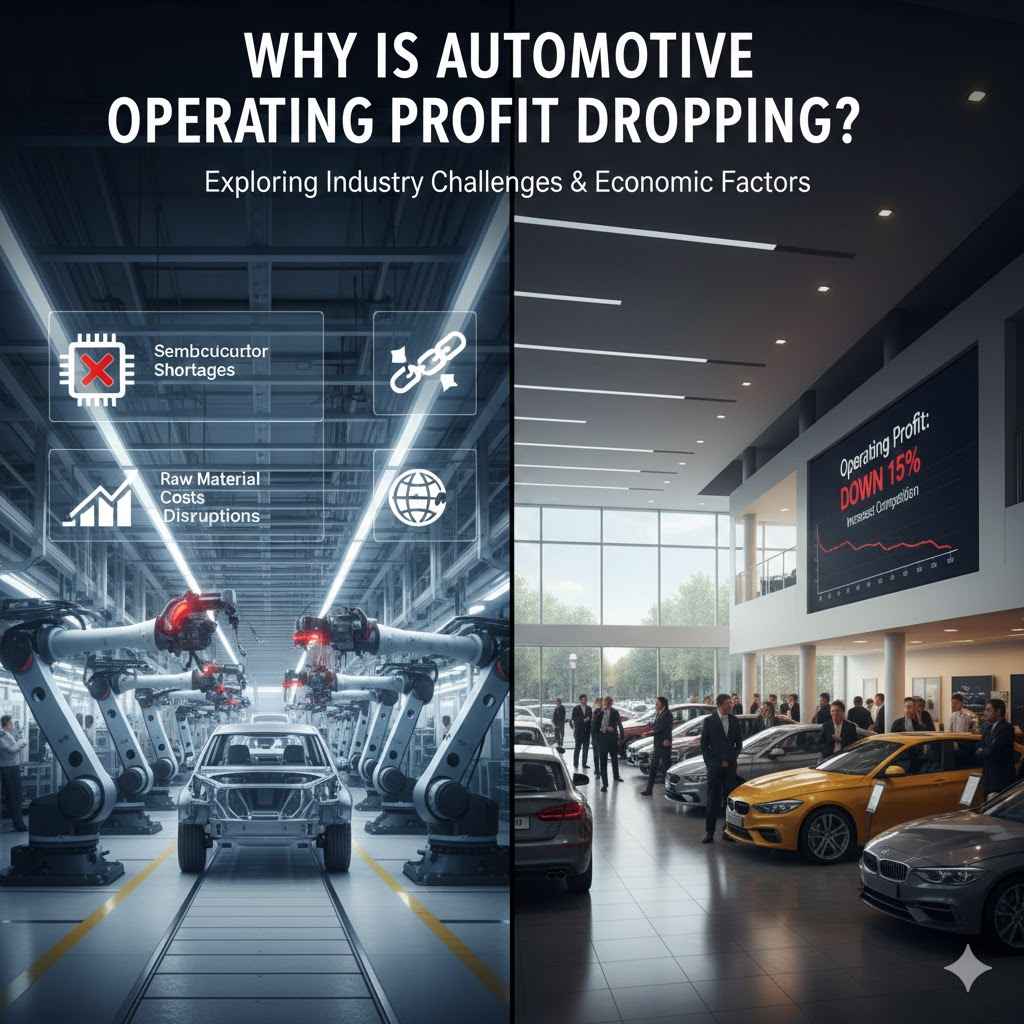
It can be tricky to figure out why businesses, especially car companies, aren’t making as much money as they used to. Many people wonder, Why Is Automotive Operating Profit Dropping? This question might seem hard to answer at first, but we’ll break it down step-by-step. We’ll look at the main reasons behind this shift in a way that’s easy to grasp.
Get ready to learn what’s happening and why.
Understanding Automotive Operating Profit Trends
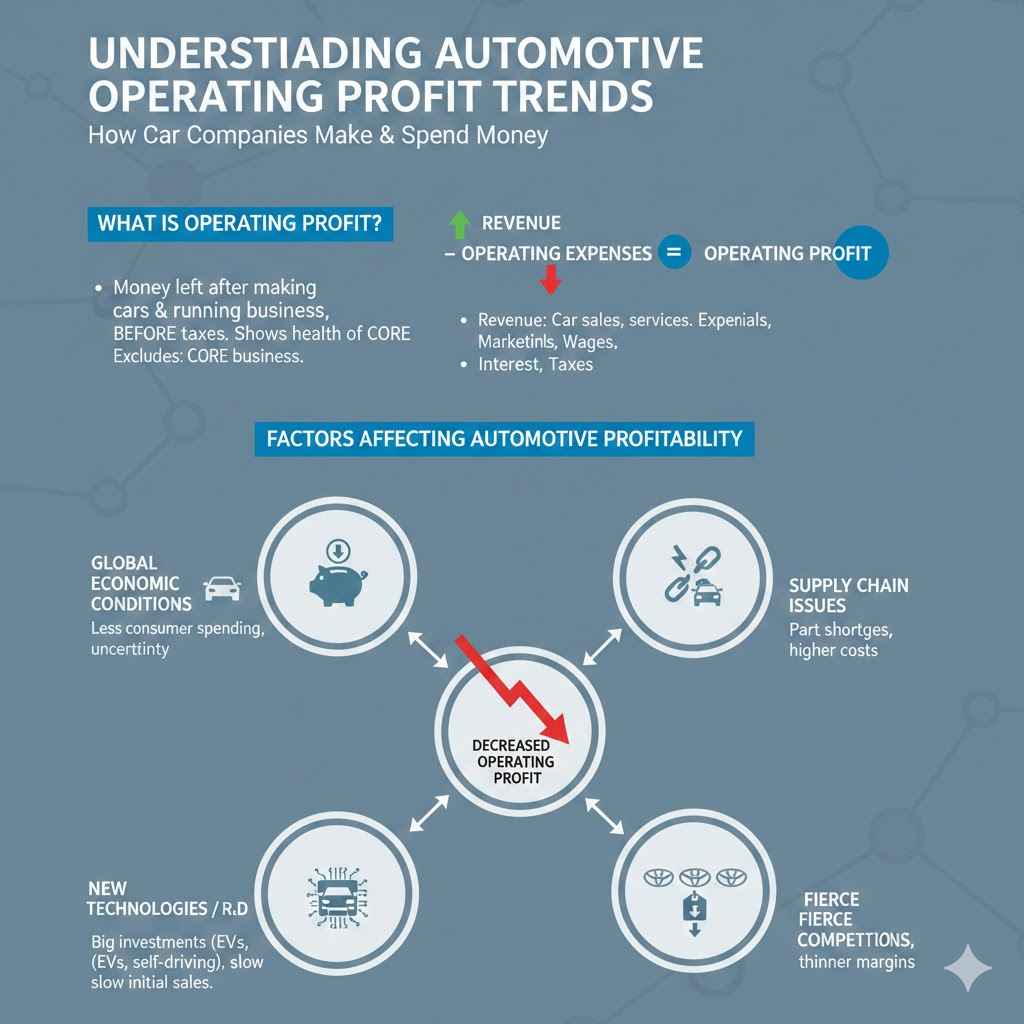
This section explores the general landscape of how car companies make and spend money. We’ll look at what operating profit means for car makers. It’s the money left over after they pay for making cars and running their businesses but before they pay taxes.
We will cover the common reasons why this number might go down.
What is Operating Profit?
Operating profit is a key measure of a company’s financial performance. It shows how well a business is doing from its main activities. For car companies, this means selling cars and related services.
It’s calculated by taking a company’s revenue and subtracting its operating expenses.
Operating expenses include things like the cost of materials to build cars, wages for workers, marketing costs, and research and development. It’s different from net profit, which includes everything, like interest payments and taxes. Focusing on operating profit helps us see the health of the core business operations.
Factors Affecting Automotive Profitability
Many things can cause operating profit to change. Global economic conditions play a big role. When people have less money or feel unsure about the future, they buy fewer cars.
Supply chain issues, like not getting enough parts, can also make it harder and more expensive to build cars.
New technologies require big investments. Companies spend a lot on electric vehicles and self-driving features. These costs can eat into profits, especially when the new products aren’t selling enough yet to cover the expenses.
Competition is also fierce, with many brands trying to attract buyers, which can lead to lower prices and thinner profit margins.
Key Reasons for Declining Automotive Operating Profit
Here we get into the specific challenges car companies are facing that lead to lower profits. We will explore issues like rising costs, changing customer demands, and how new technologies are impacting the bottom line. Understanding these points will give a clear picture of the current situation.
Rising Production Costs
The cost of making cars has gone up significantly. This is due to a few main reasons. One of the biggest is the price of raw materials.
Metals like steel, aluminum, and the rare earth minerals needed for batteries in electric cars have become more expensive.
The global pandemic caused major disruptions in supply chains. This made it difficult and costly to get parts needed for car manufacturing. Factories sometimes had to slow down or stop production, leading to lost sales and increased costs per vehicle.
Energy prices have also climbed, making factory operations and transportation more expensive.
- Increased Material PricesThe cost of essential materials for vehicle production has seen a steady increase. For example, the price of lithium and cobalt, crucial for electric vehicle batteries, has surged due to high demand and limited supply. This directly adds to the manufacturing cost of EVs, impacting their profitability.
- Supply Chain DisruptionsThe semiconductor chip shortage was a major blow to the auto industry. These tiny chips are vital for everything from engine control to infotainment systems. With fewer chips available, car manufacturers couldn’t produce vehicles at full capacity, leading to lost revenue and increased costs for sourcing alternative components.
- Higher Energy and Logistics CostsThe cost of powering factories and transporting finished vehicles has also risen. Increased global energy prices translate directly into higher electricity and fuel bills for manufacturers. Furthermore, shipping costs have escalated, making it more expensive to move parts to factories and cars to dealerships worldwide.
Shifting Consumer Preferences and Demand
What people want in cars is changing. There’s a growing interest in electric vehicles (EVs) and more eco-friendly options. While this is good for the planet, it requires car companies to invest heavily in new technology and production methods.
This shift can temporarily reduce profits as companies transition from traditional gasoline-powered cars.
Customer expectations are also evolving. Buyers now want more advanced technology, better connectivity, and personalized features. Meeting these demands means more research and development spending.
Also, the rise of ride-sharing services and the idea of mobility as a service might mean fewer people feel they need to own a car outright, affecting overall sales volumes.
- Growing Demand for Electric VehiclesThe move towards electric vehicles is undeniable. Consumers are increasingly drawn to EVs due to environmental concerns, lower running costs, and government incentives. This rapid shift forces automakers to retool factories and develop new battery technologies, a process that involves massive upfront investment before significant returns are realized.
- Desire for Advanced TechnologyModern car buyers expect sophisticated infotainment systems, advanced driver-assistance features, and seamless smartphone integration. Developing and implementing these technologies adds significant costs to vehicle production. The pressure to innovate and stay competitive in terms of tech features can strain profit margins.
- Impact of Ride-Sharing and Mobility ServicesServices like Uber and Lyft have changed how some people think about transportation. For urban dwellers or younger generations, the need to own a personal vehicle might be decreasing. This trend can lead to lower demand for new car sales, especially in certain market segments.
Intensified Competition and Pricing Pressure
The automotive market is incredibly competitive. Many global brands are vying for customer attention, leading to price wars and heavy discounts. To stand out, companies offer more features or better warranties, which adds to their costs.
This intense rivalry makes it hard to maintain high profit margins on each car sold.
New players are also entering the market, particularly in the EV space. These newer companies often start with a clean slate, focusing purely on electric technology, and can be very agile. Established car makers have to manage their existing businesses while investing in the future, a complex balancing act that can affect their profitability.
- Global Market SaturationIn many developed markets, the number of cars on the road is very high. This means most people who want a car already have one, or they replace their existing car when it’s no longer functional. Growth in new car sales often comes from emerging markets, but competition is fierce there too.
- Aggressive Marketing and PromotionsTo capture market share, automakers frequently resort to discounts, special offers, and attractive financing deals. These promotions can significantly reduce the profit earned on each vehicle. While they can boost sales volume, they directly impact the per-unit profitability.
- Emergence of New CompetitorsThe rise of technology companies and new EV startups has introduced fresh competition. These new entrants often have lower overheads related to traditional manufacturing and can be more disruptive. Established automakers must contend with these agile competitors, which can put further pressure on their pricing strategies.
High Investment in New Technologies
Developing and implementing new automotive technologies requires enormous financial commitment. Companies are pouring billions into research and development for electric powertrains, autonomous driving systems, advanced battery technology, and software integration. These are necessary for future growth but drain current profits.
The transition to electric vehicles is a prime example. Building new EV factories, redesigning vehicle platforms, and securing battery supply chains are massive undertakings. These investments often take years to pay off, leading to periods where operating profits are lower because of the significant spending on future products.
Research and Development Expenses
Automakers are investing heavily in next-generation technologies. This includes artificial intelligence for self-driving capabilities, advanced battery chemistries for longer range and faster charging, and more efficient electric motors. These R&D efforts are crucial but represent substantial ongoing costs that impact current profitability.
Factory Re-tooling and New Facilities
Converting existing factories or building entirely new ones to produce EVs and their components is a major capital expenditure. These projects are essential for meeting future demand but require huge upfront investments. The financial burden of this transition can significantly reduce operating profit in the short to medium term.
Software Development and Integration
Modern vehicles are essentially computers on wheels. Developing the complex software that controls everything from the engine to the infotainment system, and ensuring it all works seamlessly, is a costly process. This includes cybersecurity measures and over-the-air update capabilities, adding to the expense.
The Impact of Global Economic Factors
The automotive industry is deeply connected to the health of the global economy. When economies are strong, people and businesses have more money to spend on cars. Conversely, economic downturns or uncertainty can lead to a sharp drop in vehicle sales and, consequently, operating profits.
Factors like inflation, interest rates, and geopolitical events all play a part. High inflation can increase the cost of raw materials and labor, while rising interest rates make car loans more expensive for consumers, discouraging purchases. Geopolitical tensions can disrupt supply chains and affect international trade.
Economic Slowdowns and Recessions
During economic slowdowns, consumers tend to cut back on large purchases like cars. Disposable income shrinks, and job security fears lead people to postpone buying new vehicles. Businesses also reduce spending on fleets.
This reduced demand directly hits car manufacturers’ sales volumes.
When sales fall, companies have less revenue. They may also be stuck with unsold inventory, leading to storage costs and potential price reductions to clear stock. This situation significantly pressures operating profits, as fixed costs of production and operations remain while revenue declines.
Real-Life Example: The 2008 Financial Crisis
The global financial crisis of 2008 is a stark example. Many car manufacturers experienced massive drops in sales. For instance, General Motors and Chrysler in the US had to undergo significant restructuring and government bailouts.
This period saw a dramatic reduction in vehicle production and sales worldwide. Companies were forced to cut jobs, close plants, and reduce expenses to survive. The impact on operating profits was severe, with many reporting substantial losses for several years.
Inflation and Interest Rates
Inflation increases the costs for everyone. For car companies, it means higher prices for materials, energy, and labor. For consumers, it often means higher interest rates on car loans.
When borrowing becomes more expensive, fewer people can afford to finance a new car, leading to decreased sales.
Central banks raise interest rates to combat inflation. While necessary for economic stability, this action cools down consumer spending. This has a direct dampening effect on the automotive market, making it harder for companies to sell vehicles at profitable prices.
| Economic Factor | Impact on Automotive Operating Profit |
|---|---|
| Inflation | Increases production costs (materials, labor, energy). Reduces consumer purchasing power, leading to lower demand. |
| Interest Rates | Makes car loans more expensive for consumers, reducing demand. Increases borrowing costs for companies. |
| Economic Slowdown | Decreased consumer and business spending on vehicles. Lower sales volumes and potential inventory issues. |
Geopolitical Instability and Trade Policies
Events like wars or political disputes can cause significant disruption. They can block the supply of critical materials or parts, halt international shipping, or make certain markets inaccessible. Trade policies, such as tariffs or import/export restrictions, can also increase costs or limit market access, affecting profitability.
For instance, if a major country imposes high tariffs on imported cars, manufacturers might have to raise prices, making their vehicles less competitive. Or, they might have to absorb the cost of the tariff, reducing their profit margin. Such uncertainties make long-term planning and consistent profitability challenging.
Strategies to Improve Automotive Operating Profitability
Car companies are not standing still. They are actively looking for ways to boost their profits despite the challenges. This includes making their operations more efficient, focusing on profitable vehicle segments, and exploring new revenue streams beyond just selling cars.
These strategies are vital for long-term success.
Focusing on High-Margin Segments
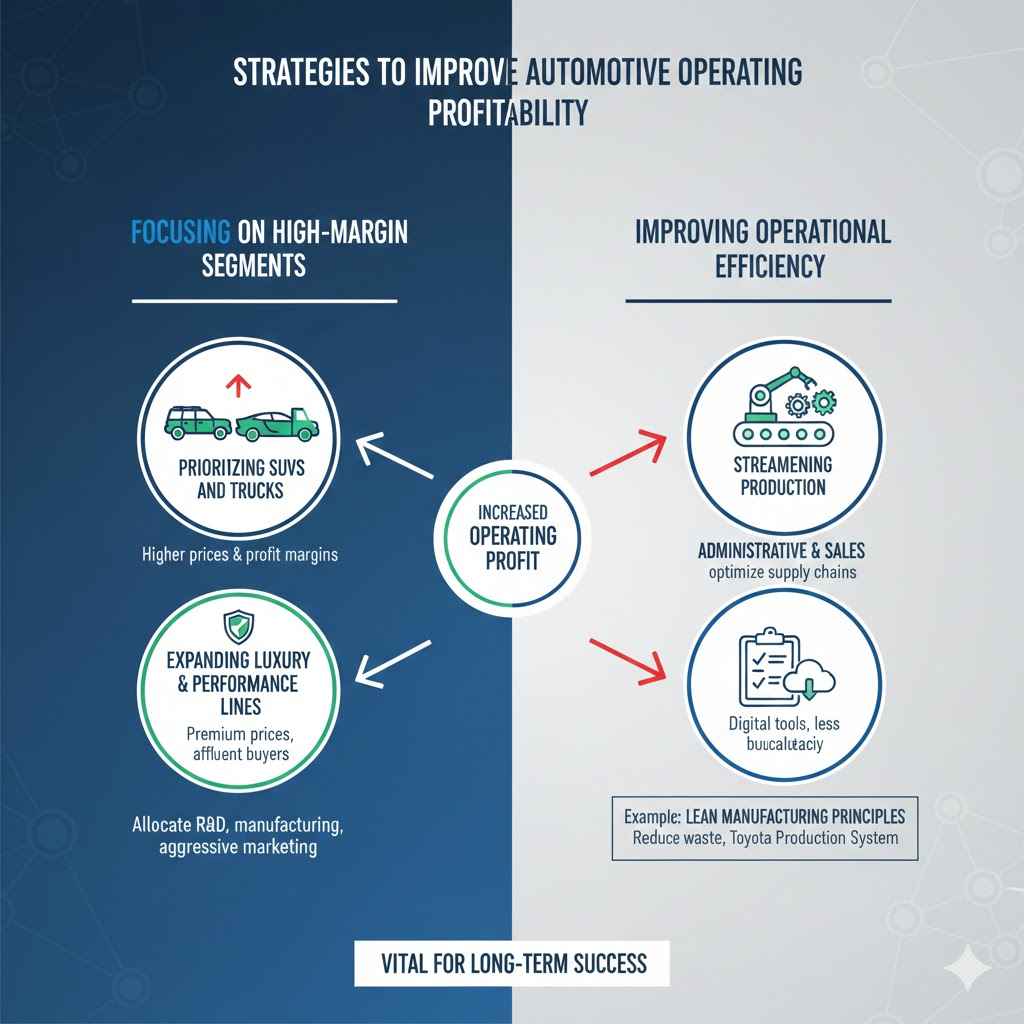
Not all cars are created equal in terms of profit. Luxury vehicles, SUVs, and trucks typically offer higher profit margins than smaller, economy cars. Automakers are increasingly focusing their resources and production on these more profitable segments to maximize their earnings.
This strategy involves allocating more R&D budget and manufacturing capacity to these vehicles. It also means marketing them more aggressively. By prioritizing these sales, companies can generate more revenue and profit from each unit sold, helping to offset lower profits in other areas.
Prioritizing SUVs and Trucks
The demand for SUVs and pickup trucks remains very strong globally. These vehicles generally have higher price tags and better profit margins for manufacturers compared to sedans or hatchbacks. Car makers are ensuring they have competitive offerings in these popular categories.
Expanding Luxury and Performance Lines
High-end vehicles and performance models often command premium prices and attract affluent buyers who are less sensitive to economic fluctuations. Automakers are investing in their luxury brands or performance divisions to cater to these customers and achieve higher profitability per vehicle.
Improving Operational Efficiency
Making cars more efficiently is key to cutting costs. This involves streamlining production processes, using automation and robotics, and optimizing supply chains. Reducing waste and improving productivity helps lower the cost of manufacturing each vehicle.
Companies are also looking at their administrative and sales processes. Simplifying how they manage their business, reducing bureaucracy, and using digital tools can save money and improve overall efficiency. Every bit of cost savings can directly contribute to better operating profit.
Example: Lean Manufacturing Principles
Many car manufacturers adopt lean manufacturing principles. This approach focuses on eliminating waste in all its forms—overproduction, waiting time, unnecessary transport, excess inventory, over-processing, and defects. By applying these principles, companies can significantly reduce production costs and improve quality.
For instance, Toyota’s production system is renowned for its efficiency and waste reduction. They continuously seek ways to improve processes on the factory floor, leading to lower manufacturing costs and higher operating profits.
Developing New Revenue Streams
Car companies are exploring ways to make money beyond just selling cars. This includes offering subscription services for advanced features, selling data collected from vehicles, and providing mobility services. These new avenues can create recurring revenue and diversify income sources.
For example, some manufacturers offer heated seats or enhanced driver-assist features as part of a monthly subscription. Others are developing platforms for autonomous ride-hailing services. These innovations can generate new profits and reduce reliance on traditional car sales alone.
Subscription-Based Features
Offering optional features like advanced navigation, premium sound systems, or even certain performance enhancements on a subscription basis can create ongoing revenue. This shifts some revenue from a one-time purchase to a more predictable recurring income stream.
Data Monetization and Connectivity Services
Connected cars generate a wealth of data that can be valuable. With proper consent and privacy safeguards, automakers can explore opportunities to monetize this data for market research, traffic management, or personalized services. Connectivity services themselves, like Wi-Fi hotspots in cars, can also be revenue generators.
Frequently Asked Questions
Question: What is the main reason for dropping automotive operating profit?
Answer: There isn’t one single main reason, but a combination of rising production costs, shifting consumer demand towards less profitable models or expensive new technologies, and increased competition are major contributors.
Question: Are electric vehicles less profitable for car companies?
Answer: Initially, yes. The massive investment needed to develop and produce electric vehicles, coupled with battery costs, often means lower profit margins compared to traditional gasoline cars, although this is changing as technology matures and scale increases.
Question: How do supply chain issues affect profits?
Answer: Supply chain problems lead to production delays, increased costs for parts, and the inability to meet demand. This results in lost sales opportunities and higher per-unit manufacturing expenses, directly reducing operating profit.
Question: Will automotive operating profits improve in the future?
Answer: Profitability can improve as companies become more efficient in producing EVs, as battery costs decrease, and as new revenue streams like subscription services mature. However, ongoing investment in new tech and market dynamics will continue to influence profits.
Question: Is competition hurting profits?
Answer: Yes, intense competition forces companies to offer discounts and incentives, which lowers the profit margin on each vehicle sold. New market entrants also add pressure on pricing and market share.
Conclusion
So, why is automotive operating profit dropping? It’s a mix of higher costs, changing what people want to buy, and tough competition. Companies are investing a lot in new tech like electric cars.
They are also dealing with global economic bumps. The industry is working on solutions, like making things more efficient and focusing on popular, high-profit vehicles.