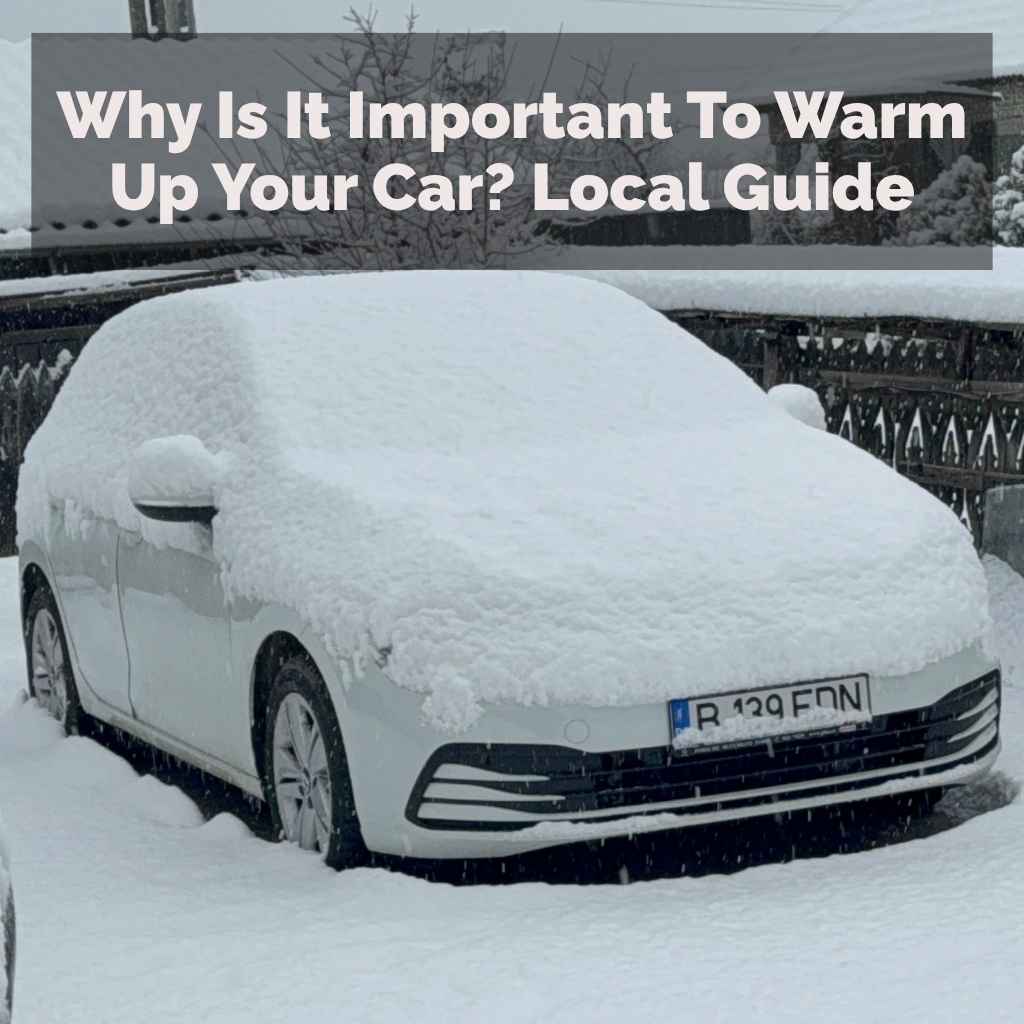
Why Is It Important To Warm Up Your Car? Local Guide
Many folks wonder about Why is It Important to Let Your Car Warm Up? Local Guide. It can seem a little tricky for new drivers.
Is it really needed? Does it make a difference? We get it.
This guide will make it super simple to understand. We’ll walk through it step by step. Get ready to learn the easy way.
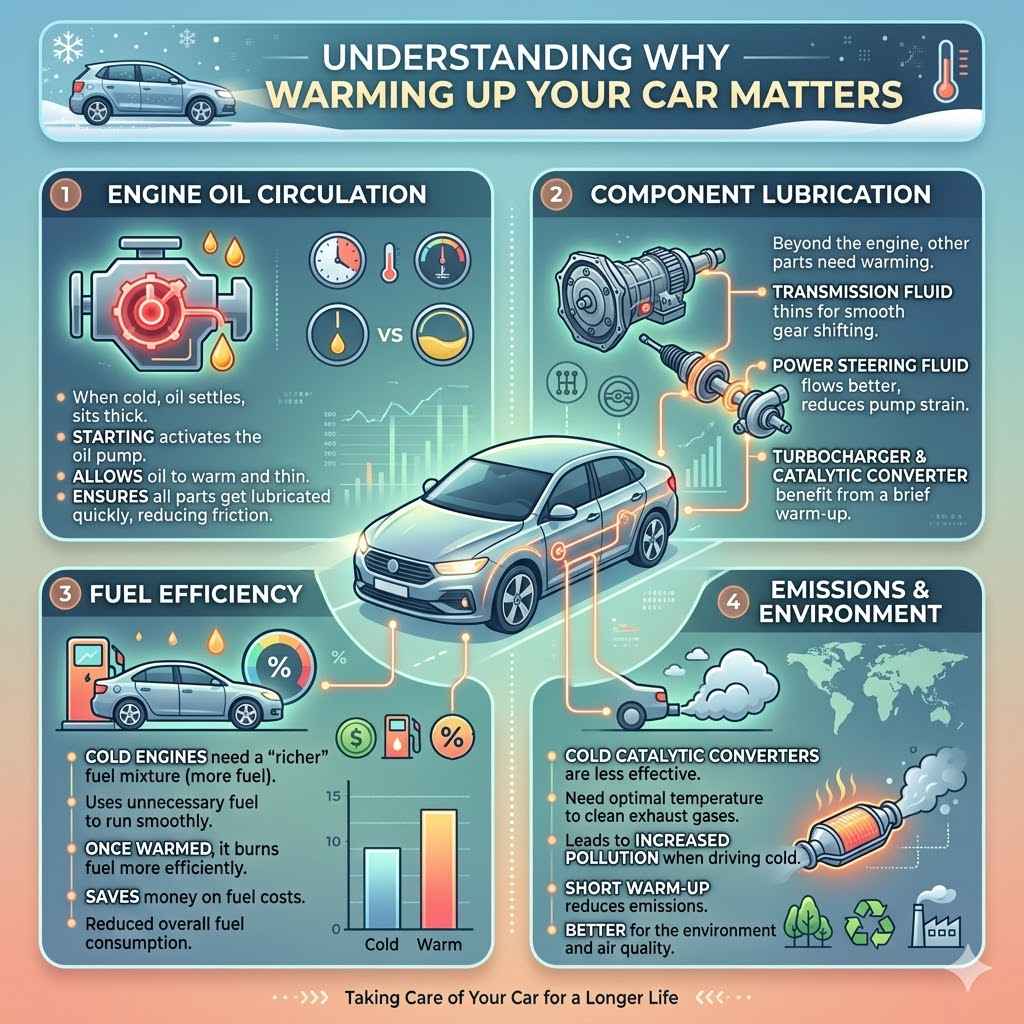
Understanding Why Warming Up Your Car Matters
This section explains the basics of why letting your car run for a bit before driving is a good idea. It covers the general reasons and the effects on your car’s engine and parts, especially in different weather. We will explore how this simple step can help your vehicle run better and last longer.
It’s about taking care of your car so it takes care of you.
Engine Oil Circulation
When your car sits, the engine oil settles at the bottom. Starting the engine gets the oil pump working to circulate this oil. This oil is like the blood of your engine, it needs to reach all the moving parts.
- Engine oil is a lubricant. It reduces friction between metal parts inside the engine. Without enough lubrication, metal parts rub together directly. This causes wear and tear.
- When the engine is cold, oil is thicker. It flows more slowly. Letting the car warm up allows the oil to warm up too. Warmer oil flows more easily. This ensures all parts get lubricated quickly.
- This lubrication protects the engine from damage. It helps prevent parts from grinding against each other. This is especially important during the first few minutes of driving a cold engine.
Component Lubrication
Beyond the main engine parts, other components also need oil. This includes the transmission, power steering pump, and other systems.
- The transmission fluid also needs time to warm up. Cold transmission fluid is thick. This makes it harder for gears to shift smoothly. It can even cause damage over time.
- Power steering fluid helps make turning the steering wheel easy. When cold, this fluid is also thick. This can put extra strain on the power steering pump.
- Other parts like the turbocharger and catalytic converter also benefit from a brief warm-up period. They operate more efficiently and last longer when not immediately pushed hard when cold.
Fuel Efficiency and Emissions
Cars use more fuel and produce more pollution when the engine is cold. Letting the engine warm up can help with both.
- When an engine is cold, it needs to run richer. This means it uses more fuel. This is to help it run smoothly. Once it warms up, it uses less fuel.
- Catalytic converters clean exhaust gases. They need to reach a certain temperature to work properly. A cold engine means the converter isn’t cleaning effectively. This leads to more pollution.
- Modern cars have systems that help manage this. However, a short warm-up still reduces unnecessary fuel use and emissions. It’s a small step for a cleaner environment and your wallet.
The Impact of Cold Weather on Your Car
Cold weather adds extra challenges for your car. Understanding these issues helps explain why warming up is even more vital when temperatures drop. We will look at how the cold affects your car’s fluids, battery, and overall performance.
Fluid Viscosity Changes
Cold temperatures make liquids thicker. This is true for the oil, coolant, and other fluids in your car.
- Engine oil becomes very thick in the cold. This slow flow means less lubrication for critical engine parts at startup. This can cause extra wear.
- Transmission fluid also thickens. This can make gear shifts feel rough or delayed. It might even lead to jerky movements.
- Coolant, or antifreeze, protects your engine from freezing. But even the coolant can become less effective at circulating when it’s extremely cold.
Battery Performance Reduction
Car batteries don’t perform as well in the cold. The chemical reactions inside them slow down.
- A cold battery has less power to start the engine. This is especially true for older batteries. The starter motor needs a lot of energy.
- Cold weather also makes the engine oil thicker. This means the starter motor has to work harder to turn the engine over. This further strains an already weaker battery.
- If your battery is already weak, starting in very cold weather could be the final straw. It might fail to start your car. Warming it up slightly can help it give the starter more power.
Tire Pressure and Handling
Cold air causes tire pressure to drop. This affects how your car handles.
- Tire pressure decreases as temperature falls. For every 10 degrees Fahrenheit drop, tire pressure can decrease by about 1 PSI.
- Underinflated tires affect your car’s handling. They can make steering feel less responsive. They can also increase the risk of a blowout.
- Proper tire pressure is key for safe driving. Always check your tire pressure in cold weather. Adjust it as needed according to your car’s recommendations.
How Long Should You Warm Up Your Car?
Knowing how long to let your car idle can be confusing. We will break down the recommended times for warming up your car. This advice considers different car types and weather conditions.
Modern vs. Older Vehicles
Cars have changed a lot over the years. Older cars need a longer warm-up than newer ones.
- Older cars with carburetors definitely need more time. The fuel delivery system was less precise. It needed heat to mix fuel and air properly.
- Newer cars have fuel injection systems. These are much better at handling cold starts. They can adjust fuel delivery automatically.
- Even with newer cars, a short warm-up is still beneficial. It ensures all moving parts are properly lubricated. It is better for the engine in the long run.
Weather Considerations
The temperature outside plays a big role. The colder it is, the longer you might want to let your car run.
- In mild temperatures, 30 seconds to a minute might be enough. This is just to get the initial oil flow going.
- In freezing temperatures, especially below 20 degrees Fahrenheit, you might want to let it run for 2-3 minutes. This gives the oil and other fluids more time to reach a better working temperature.
- Some people advocate for driving gently for the first few miles instead of idling. This is also a valid approach for modern cars. It allows the engine to warm up through driving.
The “Drive It Gently” Approach
Many experts suggest that driving gently is a good alternative to long idling.
- Instead of letting the car sit and idle, start driving immediately. However, do so very gently. Avoid hard acceleration or high speeds for the first few miles.
- This allows the engine to warm up naturally as you drive. The transmission and other components also get to their operating temperatures.
- This method can actually be more fuel-efficient than prolonged idling. It also helps get the catalytic converter up to temperature faster, reducing emissions.
Common Myths and Misconceptions
There are many ideas about warming up cars that aren’t quite right. Let’s clear up some of the confusion. We’ll look at what’s true and what’s not.
Myth 1: Idling Saves Gas
This is a common belief, but it’s usually the opposite. Idling often uses more gas than driving a short distance.
- An idling engine is burning fuel without going anywhere. The engine is running, but no useful work is being done.
- Modern cars are designed to be efficient. They are programmed to use fuel smartly. Prolonged idling prevents them from reaching their optimal efficiency.
- Short trips in a cold car can use a lot of fuel relative to the distance covered. However, constantly idling for long periods is still less efficient overall.
Myth 2: It’s Bad for the Environment
While idling does produce emissions, the impact depends on how long and how often you do it.
- When a car idles, it releases pollutants into the air. This is especially true for older cars.
- However, the argument is that preventing engine damage and ensuring better performance might outweigh the short-term emission increase. It’s a balance.
- Driving gently instead of idling can get the catalytic converter working faster. This helps clean the exhaust gases more quickly.
Myth 3: You Need to Warm Up Your Car for 10 Minutes
This is generally too long, especially for modern vehicles. Ten minutes of idling is a lot of wasted fuel.
- For most modern cars, 30 seconds to a couple of minutes is plenty. This is to ensure oil circulation.
- Older cars might benefit from a bit longer, maybe up to five minutes in very cold weather. But ten minutes is rarely necessary.
- The best approach is often to drive gently for the first few miles. This warms up the engine and other parts more effectively and efficiently.
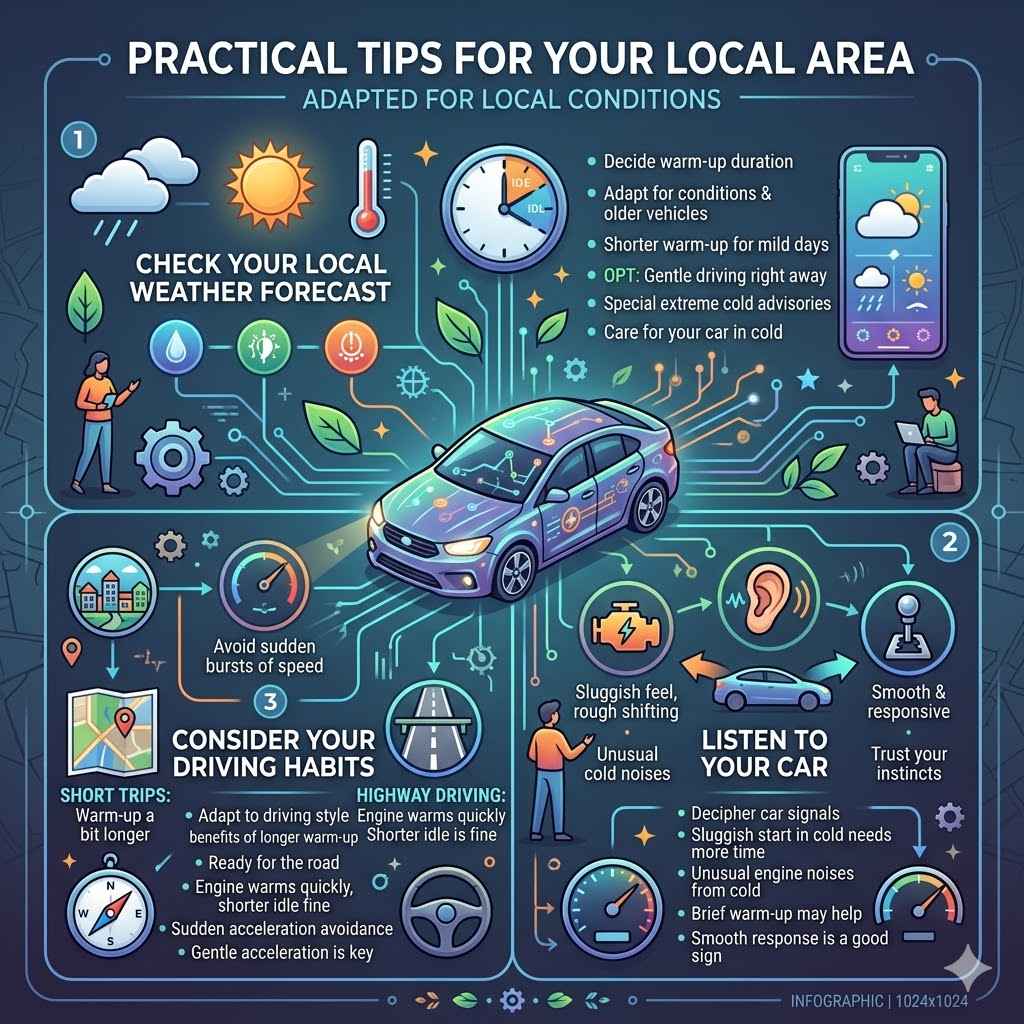
Practical Tips for Your Local Area
This section offers actionable advice specific to drivers in our local communities. We’ll cover how to adapt these practices for our common driving conditions and weather patterns.
Check Your Local Weather Forecast
Knowing what to expect from the weather helps you decide how to warm up your car.
- If temperatures are expected to be very cold, plan for a slightly longer idle time. This is especially true if you have an older vehicle.
- On milder days, you can probably get away with a shorter warm-up. Or, you might opt to drive gently right away.
- Pay attention to any special weather advisories. Extreme cold can require extra care for your car.
Listen to Your Car
Your car often gives you signals about what it needs.
- Does your car feel sluggish when you first start driving in the cold? Does it shift roughly? These are signs it might need a little more time to warm up.
- Does your engine make unusual noises when it’s cold? A brief warm-up might help these noises go away.
- If your car feels smooth and responsive after a short time, you’re likely doing it right. Trust your instincts and what your car tells you.
Consider Your Driving Habits
How you typically drive also matters.
- If you often take short trips, letting the car warm up a bit longer can be beneficial. This ensures it’s ready for the road.
- If you do a lot of highway driving, the engine will warm up quickly once you get going. A shorter idle time is fine.
- Think about how you accelerate. Avoid sudden bursts of speed when the engine is cold. Gentle acceleration is key to a longer-lasting engine.
Frequently Asked Questions
Question: Is it bad to drive your car immediately after starting it in cold weather?
Answer: It’s not ideal for modern cars. While they are more resilient than older models, driving gently for the first few miles is recommended rather than immediately driving hard. A brief idle is still a good idea.
Question: How long should I let my car warm up if it’s really cold outside?
Answer: In very cold temperatures, below 20 degrees Fahrenheit, letting your car run for 2-3 minutes is a good idea. For extremely frigid conditions, a bit longer might be beneficial.
Question: Does warming up my car save fuel?
Answer: No, generally idling uses more fuel than driving gently. The benefit of warming up is engine health and smooth operation, not fuel savings.
Question: My car is from the 1990s. Does it need a longer warm-up?
Answer: Yes, cars from the 1990s and earlier, especially those with carburetors, often need a longer warm-up period. Aim for 5 minutes or more in cold weather.
Question: Is it okay to skip warming up my car in the summer?
Answer: In warmer weather, you usually don’t need to warm up your car at all. Most modern cars can be driven gently immediately after starting. The engine oil is already at a good temperature.
Wrap Up
Understanding why is it important to let your car warm up local guide helps protect your vehicle. A short warm-up in cold weather ensures proper oil flow. This reduces engine wear and helps parts work smoothly.
Driving gently after starting is also effective. Taking these simple steps keeps your car running well for years.