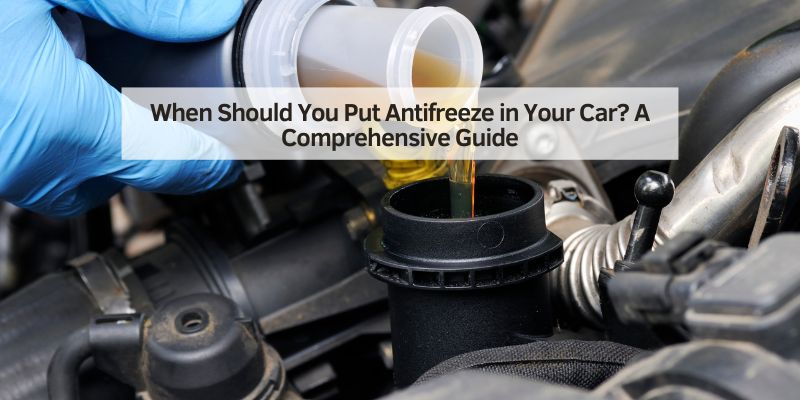
When Should You Put Antifreeze in Your Car? (Cold-Engine Rule)
Put antifreeze in your car the moment the engine is cold and coolant sits below the reservoir’s MIN line — never open a hot radiator cap, since trapped pressure can cause a serious burn. The one exception: if you’re topping off more than once a month, fix the leak first, not just the fluid. Below: the exact warning signs, a safe check method, the right antifreeze type, and real repair costs.
What Is Antifreeze and Why Does Your Car Need It?
Let’s start with the basics. Antifreeze is a liquid that flows through your car’s engine and radiator to keep it from overheating or freezing. It’s a mix of water and chemicals, usually ethylene or propylene glycol, that regulates your engine’s temperature. I remember the first time I popped my hood and saw that bright green liquid in the reservoir—it looked like some kind of magic potion!
Antifreeze does a lot more than just cool your engine. It prevents freezing in cold weather, stops corrosion in the cooling system, and keeps parts like the water pump lubricated. Without it, your engine could overheat in the summer or freeze solid in the winter, leading to serious damage like a cracked block or a blown head gasket. I learned this the hard way when my old sedan overheated on a hot day because I hadn’t checked the antifreeze in months. Knowing when to add antifreeze is key to avoiding those kinds of headaches.
When Should You Put Antifreeze in Your Car?
So, when exactly should you add antifreeze? I’ve found there are a few key times when your car might need it. Here’s what I look for:
- Low Coolant Levels: If the antifreeze in your reservoir is below the “min” line, it’s time to top it up. I check mine every couple of months to stay safe.
- Before Extreme Weather: I always make sure my antifreeze is topped off before winter hits to prevent freezing. It’s also important before summer, as hot weather can strain the cooling system.
- After a Leak: If you spot a puddle under your car or notice a sweet smell, you might have a coolant leak. I had a leaky hose once and had to add antifreeze after fixing it.
- During Routine Maintenance: I check my antifreeze every time I change my oil or get a tune-up. It’s a good habit to catch problems early.
- When the Coolant Looks Bad: If the antifreeze is murky, rusty, or oily, it’s time for a flush and fresh antifreeze. I learned this after ignoring dirty coolant and ending up with a clogged radiator.
Checking your antifreeze regularly and adding it when needed can prevent big issues. I’ll walk you through how to check and add it later, but first, let’s look at the signs your car needs antifreeze.
Coolant to Keep on Hand
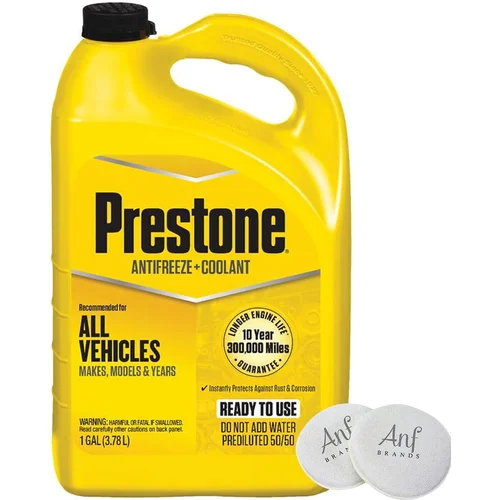
Prestone 50/50 Ready-to-Use Antifreeze/Coolant, 1 Gallon
Pour it straight into the reservoir with no mixing — protects to about -34°F and 265°F, and works with any coolant color already in your system.
- Best for: Quick top-offs when you don’t want to measure a dilution ratio
- Why we picked it: Pre-mixed 50/50 with distilled water, compatible with any coolant color
- Main drawback: Costs more per gallon than buying concentrate and mixing it yourself
Compare more antifreeze and coolant options
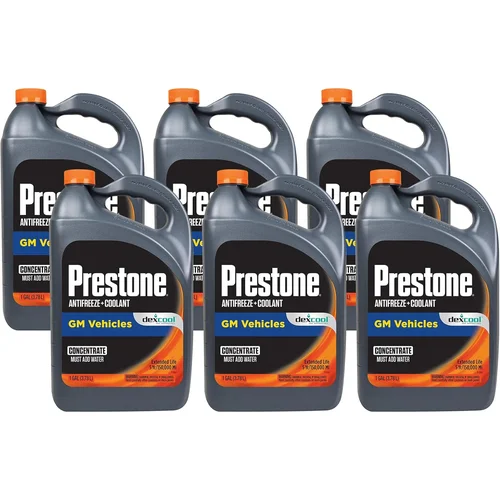 Option 1 Prestone Dex-Cool Antifreeze/Coolant Concentrate
|
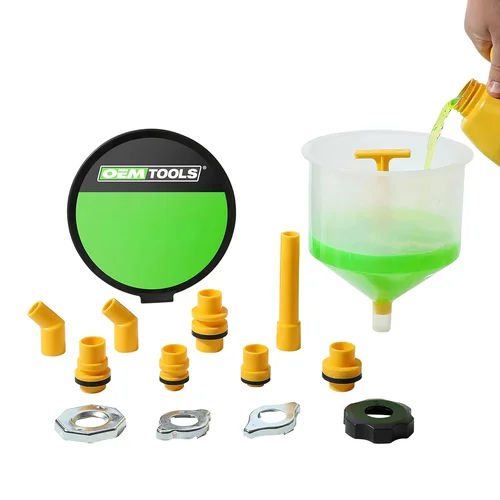 Option 2 OEMTOOLS No-Spill Coolant Funnel Kit (15-Piece)
|
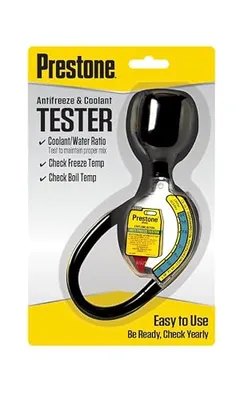 Option 3 Prestone AF-1420-6PK Antifreeze and Coolant Tester, (Pack of 6)
|
As an Amazon Associate we earn from qualifying purchases.
Signs Your Car Needs Antifreeze
I’ve learned to spot the warning signs that my car is low on antifreeze or that the cooling system needs attention. Here are the clues I watch for:
- Temperature Gauge in the Red: If your dashboard’s temperature needle climbs into the red zone, like mine did on a road trip, it’s a sign you might need antifreeze.
- Steam or Smoke from the Hood: I panicked the first time I saw steam pouring out from under my hood. It usually means your engine’s overheating, often due to low antifreeze.
- Sweet Smell Near the Engine: Antifreeze has a distinct, sweet smell. If you notice it, you might have a leak that’s lowering your antifreeze level.
- Low Coolant Warning Light: Many modern cars have a light that looks like a thermometer or a liquid tank. When mine lit up, I found my reservoir nearly empty.
- Puddles Under the Car: A green, orange, or pink puddle under your engine is likely antifreeze. I spotted one once and knew I needed to act fast.
- Heater Blowing Cold Air: If your car’s heater isn’t warming up, low antifreeze could be the problem, since the heater uses coolant to produce heat.
If you see any of these signs, don’t wait—check your antifreeze right away. Ignoring them can lead to serious damage, like the $1,200 radiator repair I once faced after neglecting a leak.
How to Check Your Antifreeze Level
Checking your antifreeze is quick and easy, and I do it every few months to stay ahead of problems. Here’s how I check mine:
- Park on a Flat Surface and Cool the Engine: Never check antifreeze when the engine is hot. I burned my hand once trying to open a hot radiator cap—ouch! Wait at least an hour after driving.
- Locate the Coolant Reservoir: It’s usually a clear plastic tank near the radiator with “min” and “max” lines. Mine’s on the driver’s side, but check your owner’s manual if you’re unsure.
- Check the Level: Look at the side of the reservoir. If the antifreeze is below the “min” line, you need to add more. I’ve found mine low a few times, especially in summer.
- Inspect the Antifreeze Condition: Good antifreeze is bright and clear, usually green, orange, or pink. If it’s cloudy, rusty, or has debris, it’s time for a flush.
- Look for Leaks: Check under the car and around the radiator for drips or wet spots. I caught a small leak early this way and saved myself a bigger repair.
If your antifreeze is low or looks bad, it’s time to add some or flush the system. I always keep a jug of antifreeze in my garage for quick top-ups.
Choosing the Right Antifreeze for Your Car
Picking the right antifreeze can be tricky, and I’ve made the mistake of grabbing the wrong kind before. Not all antifreezes are the same, and using the wrong one can cause problems. Here’s a table of the main types I’ve come across:
| Antifreeze Type | Description | Best For |
|---|---|---|
| Inorganic Additive Technology (IAT) | Green, traditional antifreeze with silicates. Needs frequent replacement. | Older vehicles (pre-1990s). |
| Organic Acid Technology (OAT) | Orange or red, long-lasting, silicate-free. | Most modern cars (GM, Ford, etc.). |
| Hybrid Organic Acid Technology (HOAT) | Yellow or orange, combines IAT and OAT benefits. | Chrysler, Asian, and European vehicles. |
| Phosphate-Free OAT | No phosphates, designed for European cars. | BMW, Mercedes, Volvo. |
Your car’s manual will tell you which type to use. My Honda needs a specific HOAT antifreeze, and using the wrong kind could cause corrosion or gelling. If you’re unsure, check the reservoir label or ask a mechanic. I learned to stick with the manufacturer’s recommendation after mixing antifreezes once and dealing with a sludgy mess.
Concentrate vs. Pre-Mixed 50/50: Which Should You Buy?
If you’re buying antifreeze for the first time, you’ll see two options on the shelf: pre-mixed 50/50 and full-strength concentrate. Pre-mixed is ready to pour straight into the reservoir — no guesswork, no risk of getting the ratio wrong. Concentrate costs less per gallon but has to be diluted yourself, typically 1 gallon of concentrate to 1 gallon of distilled water, to reach the same 50/50 mix. A correctly mixed 50/50 blend protects down to about -34°F and resists boiling up to roughly 265°F. I buy pre-mixed for quick top-offs and only reach for concentrate when I’m doing a full flush and refill, where the extra math is worth the lower price per gallon.
Data Point
A correctly mixed 50/50 antifreeze-to-distilled-water blend protects against freezing down to about -34°F and against boiling up to roughly 265°F. Most manufacturers recommend checking coolant levels twice a year — once in spring, once in fall — in addition to any time the dashboard temperature gauge climbs or you notice a sweet smell.
How to Add Antifreeze to Your Car
If your antifreeze is low, topping it up is straightforward. I’ve done it dozens of times, and it’s saved me from bigger issues. Here’s my step-by-step process:
- Make Sure the Engine Is Cold: I wait at least an hour after driving to avoid burns. Hot antifreeze can be dangerous.
- Open the Reservoir Cap: Twist it off slowly. If you hear hissing, wait longer for the system to cool.
- Mix Antifreeze (if Needed): Some antifreezes need to be diluted with distilled water, usually a 50/50 mix. I buy pre-mixed antifreeze to save time. Never use tap water—it can cause corrosion.
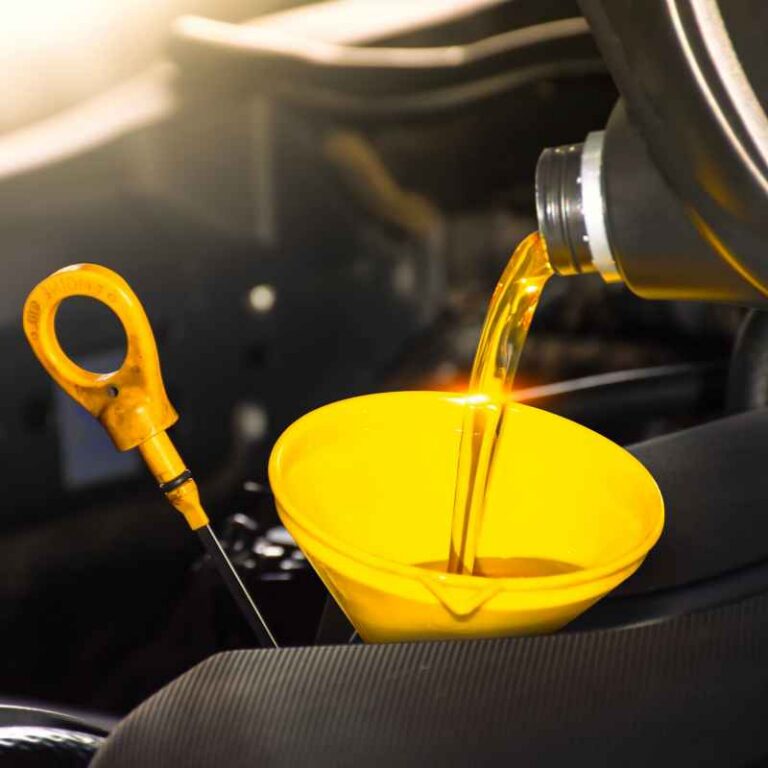
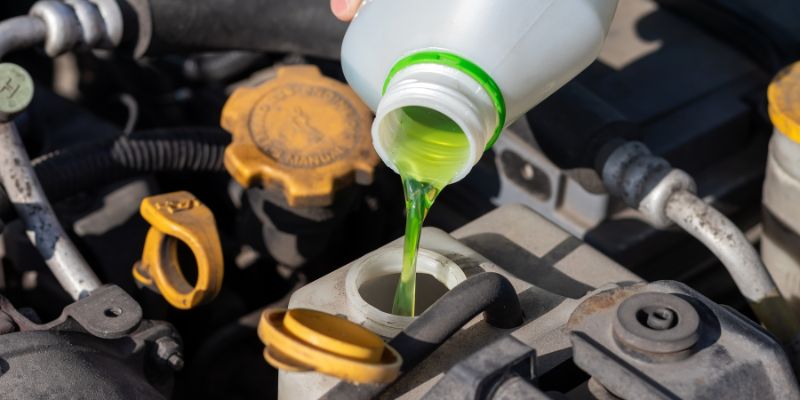
- Pour Carefully: Use a funnel to pour antifreeze into the reservoir until it reaches the “max” line. I spilled some once, and it was a sticky cleanup!
- Close the Cap and Check: Secure the cap tightly. Run the engine for a few minutes, then check the level again to make sure it’s stable.
I topped off my antifreeze last month in about 10 minutes. Just don’t overfill, as that can cause pressure issues and leaks.
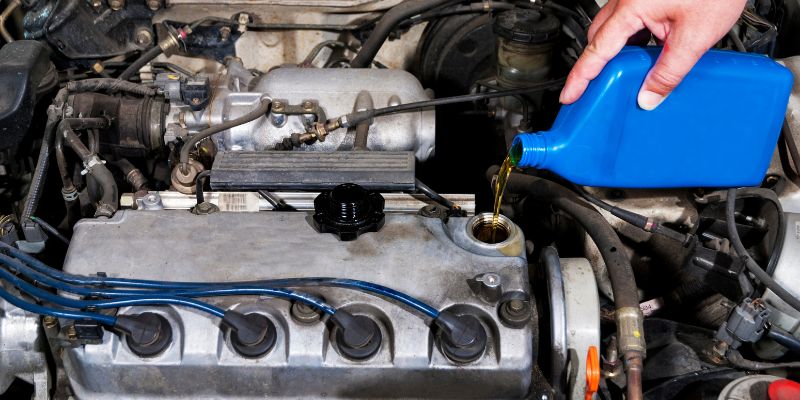
When to Flush and Replace Antifreeze
Antifreeze doesn’t last forever. Over time, it breaks down and loses its ability to protect your engine. I skipped a flush once, and my radiator got clogged with gunk—not fun. Most cars need a flush every 2–5 years or 30,000–50,000 miles, but check your manual for specifics. Here’s when I know it’s time for a flush:
- The antifreeze looks dirty, rusty, or oily.
- The engine runs hotter than usual.
- It’s been over 2 years since the last flush.
A flush involves draining the old antifreeze, cleaning the cooling system, and refilling with fresh antifreeze. I’ve tried doing it myself, but it’s messy, so I usually pay a shop $100–$200 to handle it. It’s a small price to keep my engine in great shape. If you want to do it yourself, our step-by-step guide to flushing coolant walks through the draining and refilling process. And if you’re trying to figure out your exact replacement schedule rather than just topping off, see our guide on how often you should change your antifreeze by type and mileage.
Common Antifreeze Problems and How to Fix Them
I’ve run into a few antifreeze-related issues over the years. Here are the most common problems and how I handled them:
- Leaks: A leaky hose left a puddle under my car once. I used a temporary sealant and replaced the hose later. Check hoses, the radiator, and the water pump for leaks.
- Overheating: Low antifreeze caused my engine to overheat on a long drive. Topping it up and fixing a small leak solved the problem.
- Corrosion or Sludge: Old antifreeze can clog the system. A flush fixed this for me, but severe cases might need a new radiator.
- Wrong Antifreeze Type: Mixing incompatible antifreezes caused gelling in my old car. I had to flush the system to fix it.
If you’re not sure how to handle a problem, take it to a mechanic. I ignored a small leak once, and it turned into a $700 repair.
Tips for Maintaining Your Antifreeze System
I’ve learned a few tricks to keep my cooling system in top shape. Here’s what I do:
- Check antifreeze levels every 2–3 months or before long trips.
- Use the antifreeze type recommended by your car’s manufacturer.
- Inspect hoses and the radiator for wear or leaks regularly.
- Stick to a flush schedule, even if everything seems fine.
- Keep a jug of pre-mixed antifreeze in your trunk for emergencies.
These habits have kept my cars running smoothly and saved me from breakdowns.
When to Call a Professional
I love tackling car maintenance myself, but some antifreeze issues are too big for me to handle. If you find a major leak, suspect a bad water pump, or keep overheating even after topping up, see a mechanic. I tried fixing a radiator leak once and made it worse. A pro can diagnose issues like a faulty thermostat or head gasket, which are tough to fix at home. Repairs can cost $100–$1,000 or more, depending on the issue, but it’s better than ruining your engine.
Cost of Antifreeze Maintenance and Repairs
Antifreeze maintenance is one of the cheaper parts of car care. A gallon of antifreeze costs $10–$30, and pre-mixed versions run $15–$25. A DIY top-up is practically free if you have a funnel. Professional flushes cost $100–$200, and repairs for leaks or damaged parts can range from $100 for a hose to over $1,000 for a new radiator or water pump. I budget about $50 a year for antifreeze maintenance, and it’s kept my engine happy.
Why Antifreeze Matters for Your Car’s Longevity
Taking care of your antifreeze isn’t just about avoiding breakdowns—it’s about protecting your engine for the long haul. A healthy cooling system prevents corrosion, reduces wear on parts, and keeps your car running efficiently. When I sold my last car, the buyer was impressed by how clean the engine was, thanks to regular antifreeze care. Good maintenance can also boost your car’s resale value, which is a nice bonus.
My Personal Antifreeze Story
Let me share a quick story. A few years ago, I was driving my SUV on a freezing winter morning when the heater stopped working. I checked the antifreeze and found the reservoir nearly empty. I’d ignored a small puddle under my car for weeks, thinking it was just water. Big mistake! After topping up the antifreeze and fixing a leaky hose, I learned to check my levels regularly. Since then, I’ve stayed on top of maintenance, and my car’s been trouble-free. It’s a small effort that saves a lot of headaches.
Conclusion
So, when should you put antifreeze in your car? If your levels are low, the antifreeze looks dirty, or you’re seeing signs like overheating or leaks, it’s time to act. I’ve learned through sweaty summers and chilly winters that antifreeze is the key to keeping your engine happy. By checking levels regularly, using the right antifreeze, and sticking to a flush schedule, you can avoid costly repairs and keep your car running smoothly. It’s not hard, and it doesn’t take much time—just a little care goes a long way. I hope my experience and tips make it easy for you to keep your cooling system in top shape. Grab a flashlight, check that reservoir, and give your car the love it deserves. Here’s to smooth drives and cool engines!
Frequently Asked Questions
How often should I check my car’s antifreeze?
I check mine every 2–3 months or before long trips. It’s quick and catches problems early.
Can I use water instead of antifreeze?
I wouldn’t. Water doesn’t protect against freezing or corrosion. I use a 50/50 mix of antifreeze and distilled water.
What happens if I drive with low antifreeze?
I did this once, and my engine overheated. Low antifreeze can cause serious damage, so top it up fast.
How do I know if my antifreeze is bad?
If it’s cloudy, rusty, or smells off, it’s time for a flush. I saw murky antifreeze once, and a flush fixed it.
Can I mix different types of antifreeze?
I made this mistake, and it caused gelling. Stick to the type your car’s manual recommends.
How much does it cost to fix an antifreeze leak?
It depends. A hose repair cost me $150, but radiator or water pump fixes can run $300–$1,000 or more.
Can I use straight antifreeze concentrate without diluting it?
No — full-strength concentrate has to be diluted with distilled water, usually a 1:1 ratio, before it goes in your car. Running it straight reduces heat transfer and can actually cause overheating. If you don’t want to mix it yourself, buy pre-mixed 50/50 antifreeze instead — it’s ready to pour.
Products related to this article
Sponsored / affiliate links. As an Amazon Associate I earn from qualifying purchases. I may earn additional commission from eligible campaigns.