Why is My Car Spitting Out Coolant: Causes and Quick Fixes
Is your car suddenly spitting out coolant? This is more than just a messy surprise—it’s a warning sign your vehicle needs your attention.
You might wonder why this is happening and what it means for your car’s health. Ignoring this problem could lead to costly repairs or even leave you stranded. Keep reading to find out the common causes behind this issue and what you can do to protect your car before it’s too late.
Your car depends on you, and understanding this problem is the first step to keeping it running smoothly.
Common Causes Of Coolant Spitting
Coolant spitting from your car can be worrying. It often signals a problem in the cooling system. Understanding the common causes helps you act fast. This can prevent bigger damage and costly repairs.
Many things cause coolant to spit. Some are easy to fix, while others need a mechanic’s help. Identifying the source is key to keeping your engine safe and running smoothly.
Leaking Radiator
A leaking radiator is a frequent cause of coolant spitting. Cracks or holes let coolant escape under pressure. This can create steam or splashes near the leak. Over time, leaks reduce coolant levels and cause overheating.
Faulty Radiator Cap
The radiator cap keeps the cooling system sealed and pressurized. A faulty cap cannot hold pressure correctly. This causes coolant to spit out as steam or liquid. Replacing the cap is usually an easy and cheap fix.
Damaged Hoses
Hoses carry coolant between the engine and radiator. Over time, they can crack or break. Damaged hoses leak coolant and let air into the system. This causes pressure changes that make coolant spit from weak spots.
Head Gasket Issues
The head gasket seals the engine block and cylinder head. A blown gasket allows coolant to enter the engine or exhaust. This can cause coolant to spit, boil, or leak. It is a serious problem needing prompt repair.
Overheating Engine
An overheating engine raises coolant temperature too high. This creates excess pressure inside the cooling system. The pressure forces coolant out through vents or weak points. Overheating can damage many engine parts if not fixed quickly.
Signs Of Coolant Spitting
Noticing signs of coolant spitting from your car is crucial. It signals a problem in the cooling system. Spotting these signs early can help avoid serious engine damage. Here are the key signs to watch for.
Visible Coolant Leaks
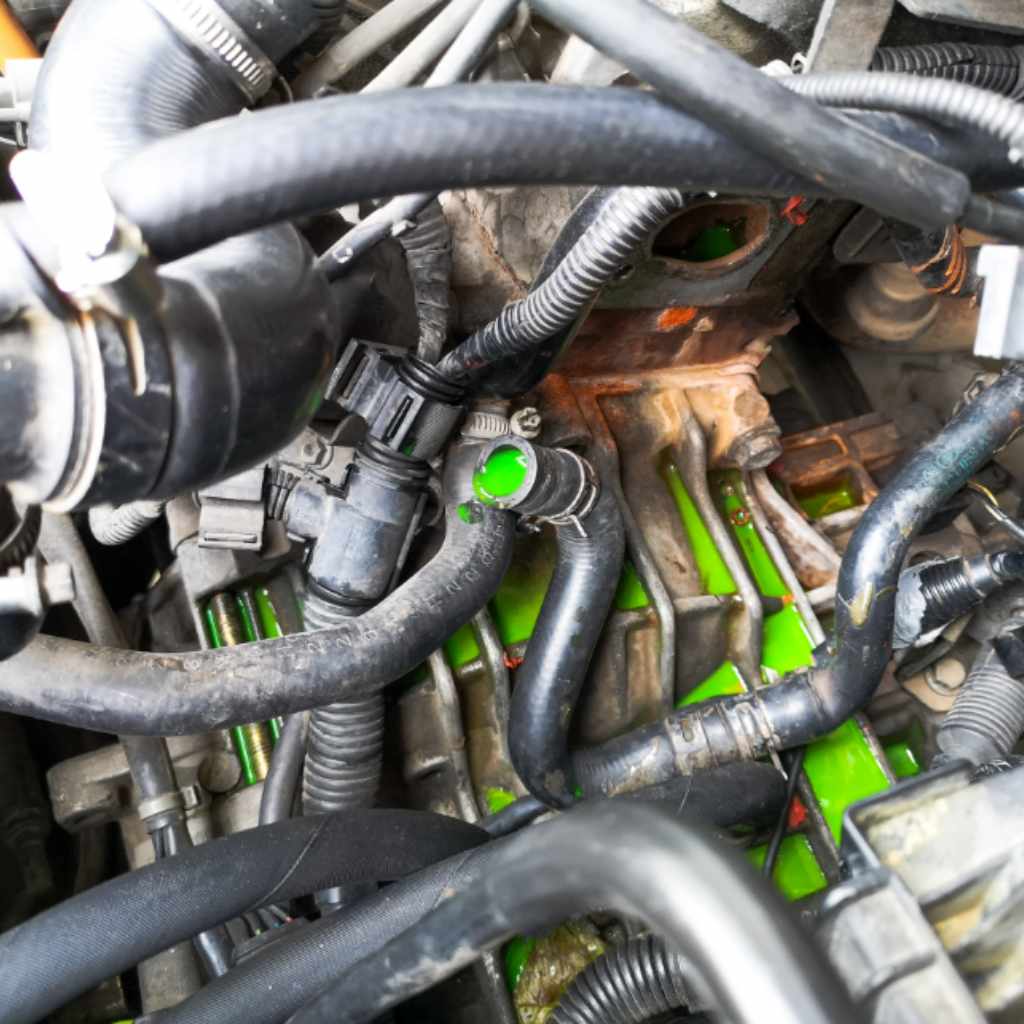
Coolant leaks often appear as bright green, orange, or pink puddles under your car. Check beneath the radiator and engine area. Leaks near the hoses or radiator cap are common. These leaks indicate pressure issues or damaged parts.
Sweet Smell From Engine
A sweet, syrupy smell near the engine means coolant is escaping. This smell is easy to notice and different from normal engine odors. It points to a leak or overheating problem inside the engine compartment.
Overheating Gauge
The temperature gauge on your dashboard shows if the engine runs hot. If the needle moves toward the red zone, coolant may be spitting out. Overheating happens when coolant levels drop or flow is blocked.
Steam Or Smoke From Hood
Steam or smoke coming from under the hood is a serious warning. It happens when hot coolant hits hot engine parts. This can cause visible white or gray steam clouds. Stop the car immediately to prevent damage.
Immediate Steps To Take
Noticing your car spitting out coolant can be worrying. Acting fast helps prevent bigger car problems. Follow these steps right away to protect your engine and stay safe.
Turn Off The Engine
Stop the car and turn off the engine immediately. Running the engine can cause overheating and damage. Let the car cool down before checking anything under the hood.
Check Coolant Levels
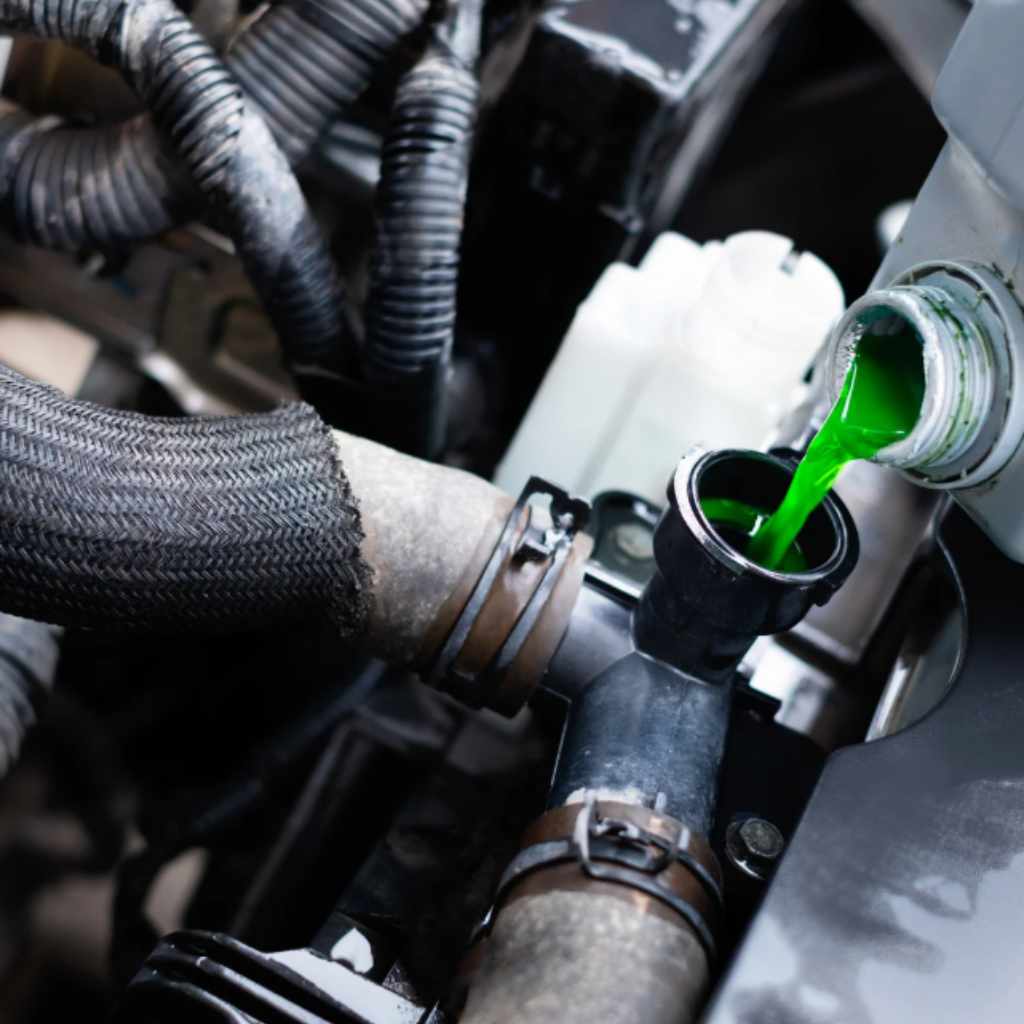
Open the hood after the engine cools. Find the coolant reservoir and check its level. Low coolant means a leak or loss, causing the spitting. Refill with the correct coolant if needed.
Inspect Radiator Cap
Look at the radiator cap carefully. A loose or damaged cap lets coolant escape. Tighten the cap or replace it if it looks broken or worn out.
Look For Obvious Leaks
Search under the car and around the engine for wet spots or puddles. Coolant leaks often appear as bright green, orange, or pink liquid. Spotting leaks early helps fix the issue faster.
Quick Fixes You Can Try
Coolant leaking or spitting out of your car can cause engine problems fast. Some fixes are simple and can save you a trip to the mechanic. These quick solutions help stop coolant loss and keep your engine cool. Try these steps to handle minor issues before they get worse.
Tighten Or Replace Radiator Cap
The radiator cap keeps the cooling system sealed. A loose or broken cap can let coolant escape. Check if the cap fits tightly. Replace it if the seal looks worn or cracked. A new cap often stops coolant from spitting out.
Seal Minor Hose Leaks
Coolant hoses can crack or get small holes. Look for wet spots or stains near hoses. Use hose clamps to tighten loose connections. For small leaks, apply a rubber patch or silicone tape. These quick fixes can prevent leaks until you get a full repair.
Flush And Refill Coolant
Old or dirty coolant can cause blockages and overheating. Flush the cooling system to remove old fluid and dirt. Use fresh coolant that matches your car’s needs. This keeps the system clean and helps prevent leaks from pressure buildup.
Use Temporary Sealants
Sealants can stop small leaks fast. Pour the sealant into the radiator or overflow tank. It travels through the system and seals cracks inside hoses or the radiator. This is a short-term fix but can keep your car running until a mechanic can check it.
When To See A Mechanic
Knowing the right time to see a mechanic can save your car from serious damage. Coolant issues can start small but quickly get worse. Acting fast helps protect your engine and wallet. Watch for clear signs that need professional help. Don’t wait until the problem becomes dangerous or costly.
Persistent Coolant Loss
Coolant keeps your engine cool and running well. Losing coolant often means a leak or broken part. If you keep adding coolant but it disappears fast, visit a mechanic. Persistent loss can cause engine damage over time.
Engine Overheating Continues
Coolant helps stop your engine from overheating. If your car heats up again and again, something is wrong. Overheating can lead to engine failure. A mechanic can find and fix the cause before it gets worse.
Visible Damage Under Hood
Look for cracked hoses, puddles, or white steam near the engine. These signs show coolant is escaping. Visible damage usually means repair is needed soon. Mechanics can spot hidden problems under the hood.
Unusual Noises Or Performance Issues
Strange sounds or poor engine performance can link to coolant problems. Bubbling or hissing noises may come from leaks. Engine misfires or rough running also need checking. A mechanic can diagnose and solve these issues safely.
Preventing Future Coolant Issues
Preventing future coolant issues helps keep your car running smoothly. Coolant problems can cause engine damage and costly repairs. Taking simple steps can stop these problems before they start. Regular care and attention to your car’s cooling system is key.
Regular Coolant Checks
Check your coolant level often. Low coolant can make your engine overheat. Use the right type of coolant for your car. Look for any color changes or debris in the coolant. Clean coolant means a healthy cooling system.
Routine Radiator Inspections
Inspect the radiator for leaks or damage. Small cracks can cause coolant to escape. Make sure the radiator cap seals tightly. Dirt and debris can block airflow, so clean the radiator fins. A clear radiator helps your engine stay cool.
Replace Old Hoses
Check hoses for cracks, bulges, or leaks. Old hoses can burst and spill coolant. Replace hoses every few years or as needed. Use hoses that fit your car model. Strong hoses keep coolant flowing safely.
Maintain Proper Engine Temperature
Watch your temperature gauge while driving. Overheating can cause coolant to spit out. Avoid heavy loads or high speeds in hot weather. Fix any thermostat or cooling fan problems quickly. Keeping the right engine temperature protects your cooling system.
Frequently Asked Questions
Why Is My Car Spitting Out Coolant?
Your car spitting out coolant usually indicates a leak or pressure buildup. Common causes include a faulty radiator cap, a cracked hose, or a blown head gasket. Addressing these issues quickly prevents engine overheating and costly repairs.
Can A Blown Head Gasket Cause Coolant Spitting?
Yes, a blown head gasket can cause coolant to spit out. It creates pressure in the cooling system, forcing coolant to escape. This issue requires immediate attention to avoid severe engine damage.
How Does A Faulty Radiator Cap Cause Coolant Spitting?
A faulty radiator cap can’t maintain proper pressure in the cooling system. This leads to coolant overflow or spitting. Replacing a bad cap is a simple fix to keep your cooling system functioning correctly.
Is Overheating Related To Coolant Spitting?
Yes, overheating often causes coolant to spit out. High engine temperatures increase pressure in the cooling system, forcing coolant to escape. Regular maintenance helps prevent overheating and coolant loss.
Conclusion
Coolant spitting means your car needs attention soon. It may signal leaks, overheating, or a faulty radiator cap. Check the coolant level regularly to avoid damage. Fixing the issue early saves money and prevents breakdowns. Keep your engine cool for smooth driving.
Don’t ignore warning signs or strange noises. A healthy cooling system helps your car last longer. Stay safe by addressing problems quickly and carefully. Your car will thank you with better performance and reliability.