Why Is The Number Of Cars Increasing? Global Local Trends
You might be wondering, Why is the Number of Cars Increasing? Global & Local Trends can seem a little tricky at first. It feels like there’s a lot to cover.
But don’t worry! We’ll break it all down simply, step by step. We’ll look at what’s happening all over the world and right in our own towns.
Get ready to see how everything fits together!
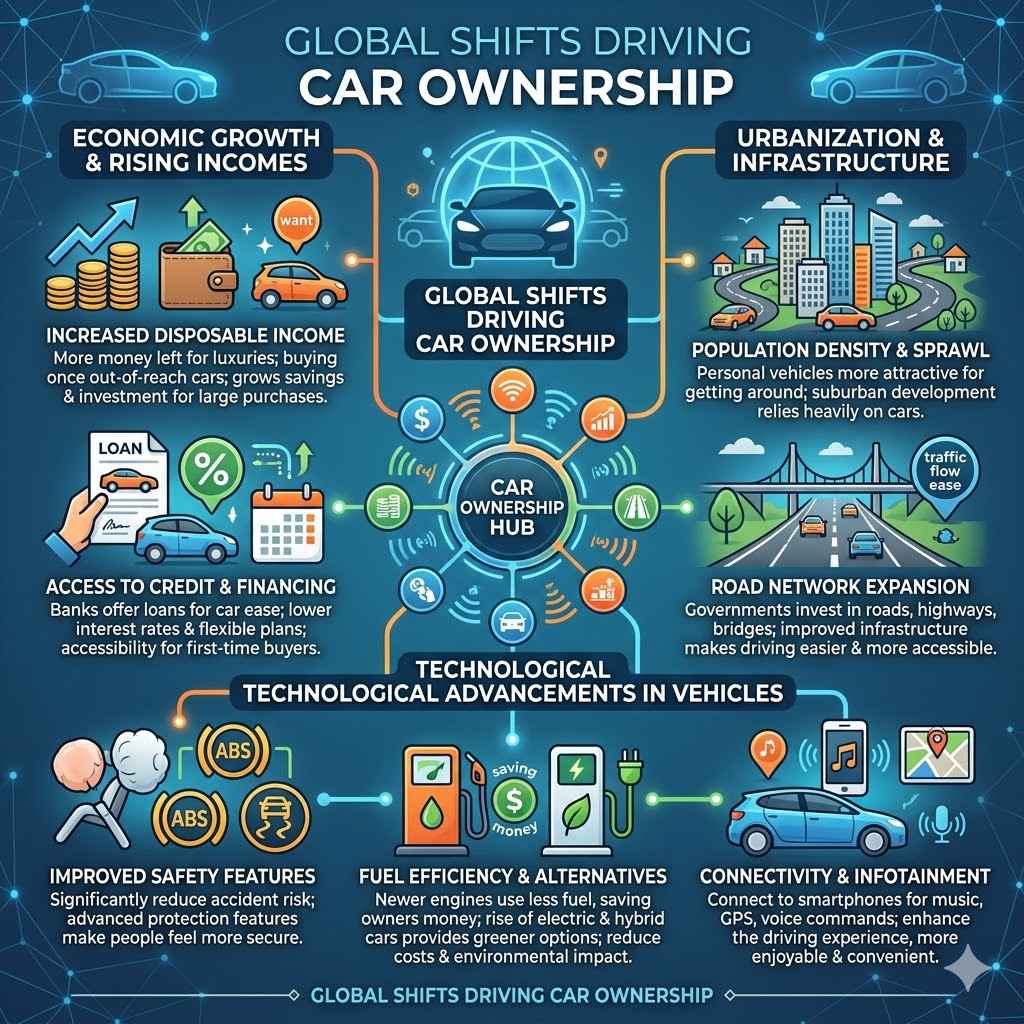
Global Shifts Driving Car Ownership
This section explores the big picture reasons why more people worldwide are choosing to own cars. We’ll look at economic growth, developing nations, and how cities are changing. Understanding these widespread factors helps us see the larger forces at play.
Economic Growth and Rising Incomes
When countries do better financially, people tend to have more money. This extra cash means they can afford things they couldn’t before, like buying a car. A car offers freedom and convenience, making it a popular choice for families and individuals looking to improve their daily lives.
It opens up possibilities for jobs, education, and visiting loved ones.
As economies expand, so does the middle class. This growing group is a major driver of consumer spending. Cars become a symbol of success and a practical tool for daily activities.
Many people see owning a car as a significant step up in their quality of life.
Increased Disposable Income
More money left after paying for necessities allows people to spend on wants. This includes luxuries like cars, which were once out of reach for many. The ability to save and invest also grows, further enabling larger purchases.
Access to Credit and Financing
Banks and financial institutions offer loans that make buying a car easier. Lower interest rates and flexible payment plans mean owning a vehicle is more achievable. This accessibility is key for many first-time car buyers.
Urbanization and Infrastructure Development
As more people move to cities, the demand for personal transport often rises. Even with public transport, a car can offer advantages for commuting and family needs. New roads and parking spaces are also built, making car use more practical in urban areas.
Many cities are expanding, leading to longer commutes. While public transport is important, it may not always reach every new neighborhood efficiently. This gap often leads people to consider private vehicles for their daily travel.
Population Density and Sprawl
As cities grow outward, distances between homes and workplaces increase. This makes personal vehicles a more attractive option for getting around. The development of suburbs often relies heavily on car transportation.
Road Network Expansion
Governments often invest in building more roads, highways, and bridges to ease traffic flow. This improved infrastructure makes driving easier and more accessible for a larger population. Better roads can also connect previously hard-to-reach areas.
Technological Advancements in Vehicles
Cars are becoming safer, more fuel-efficient, and packed with new features. This makes them more appealing to buyers. Innovations like electric vehicles (EVs) also offer new choices and can attract environmentally conscious consumers.
Modern cars offer features that were unimaginable a few decades ago. Think of advanced navigation systems, entertainment options, and safety assists like automatic braking. These make driving more comfortable and secure.
Improved Safety Features
Cars now come with airbags, anti-lock brakes, and electronic stability control as standard. These technologies significantly reduce the risk of accidents and injuries. People feel more secure knowing their vehicle offers advanced protection.
Fuel Efficiency and Alternatives
Newer engines use less fuel, saving owners money on gas. The rise of electric and hybrid cars also provides greener options. These vehicles can reduce running costs and environmental impact.
Connectivity and Infotainment
Cars can now connect to smartphones and offer advanced music systems, GPS, and voice commands. These features enhance the driving experience, making it more enjoyable and convenient. Many buyers see these as essential modern amenities.
Local Factors Influencing Car Ownership
Beyond global trends, local conditions play a huge role in why car numbers increase. We’ll explore how government policies, job markets, and individual needs in specific areas shape car ownership patterns.
Government Policies and Incentives
Governments can encourage or discourage car ownership through various means. Tax breaks on car purchases, subsidies for electric vehicles, or investments in road building can all influence numbers. Conversely, higher taxes or better public transport can slow growth.
Policies are powerful tools. For example, some regions offer tax credits for buying electric cars. This makes them more affordable and encourages people to switch from gasoline vehicles.
Such incentives directly impact purchasing decisions.
Taxation and Subsidies
Lower vehicle taxes or rebates on new car purchases can make them more affordable. Subsidies for cleaner energy vehicles, like EVs, directly push up their adoption rates. These financial boosts significantly influence consumer choices.
Urban Planning and Road Investment
Local governments that invest heavily in road infrastructure may see more car use. Decisions about public transport funding also matter. If public options are limited or inefficient, people turn to cars.
Job Market and Commuting Patterns
The availability of jobs, especially those requiring travel or located far from public transport, is a big factor. If job centers are spread out or not well-served by buses or trains, cars become essential. Many people need cars to get to work reliably.
Consider areas where major employment hubs are located in suburbs or industrial parks. These places often lack robust public transit links. For residents in these situations, a personal car is often the only practical way to commute.
Decentralized Employment Centers
When jobs are spread across many locations rather than concentrated in a downtown area, people often need cars. This is especially true if public transport routes are not designed to connect these dispersed job sites. Commuting becomes car-dependent.
Lack of Public Transportation Options
In many towns and rural areas, public transport is minimal or non-existent. This leaves residents with little choice but to own a car for daily errands, work, and accessing services. The car becomes a necessity, not a luxury.
Lifestyle and Cultural Factors
In some places, car ownership is deeply ingrained in the culture. It can be seen as a symbol of independence and freedom. Family needs, hobbies, and leisure activities that involve travel also contribute to the desire for a car.
Think about the American dream of owning a home with a garage and a car. This idea has spread globally and influences aspirations. For many, a car represents personal achievement and a way to enjoy life.
Perception of Cars as Status Symbols
In many societies, owning a car, especially a newer or more luxurious model, is seen as a sign of success and status. This social pressure can drive demand for vehicles, even if public transport is available. It reflects personal achievement.
Family Size and Needs
Larger families often find cars indispensable for transporting children, groceries, and for family outings. The practicalities of managing a busy household can make car ownership a necessity for convenience and efficiency. It simplifies logistics.
Leisure and Travel Preferences
Many people enjoy road trips, visiting national parks, or participating in outdoor activities that require personal transport. Cars provide the freedom to explore these interests without relying on schedules or availability of other transport modes. They enable spontaneous adventures.
The Impact of Emerging Trends
The automotive landscape is always changing. New technologies and societal shifts are creating new patterns. This section looks at how electric cars, ride-sharing, and changing urban living might affect car ownership in the future.
Rise of Electric Vehicles (EVs)
Electric cars are gaining popularity due to environmental concerns and lower running costs. Government incentives and expanding charging infrastructure are making EVs a more viable option for many. This trend is reshaping the car market.
As more charging stations are installed and battery technology improves, EVs become more practical. Many people are looking for ways to reduce their carbon footprint, and EVs offer a significant step in that direction. The quieter ride and instant torque are also appealing.
Environmental Benefits
EVs produce zero tailpipe emissions, contributing to cleaner air in cities. This is a major draw for environmentally conscious consumers and governments aiming to meet climate goals. The reduction in noise pollution is also a plus.
Lower Running Costs
Electricity is often cheaper than gasoline, and EVs have fewer moving parts, leading to less maintenance. This can result in significant savings over the vehicle’s lifespan. The reduced need for oil changes and exhaust system repairs is a key benefit.
Government Support and Incentives
Many countries offer subsidies, tax credits, and other perks to encourage EV adoption. These can make the initial purchase price more competitive with traditional cars. The development of charging infrastructure is also a government priority.
Growth of Ride-Sharing and Mobility Services
Services like Uber and Lyft offer alternatives to car ownership. For people who only need a car occasionally, these services can be more cost-effective and convenient than owning a vehicle. This is changing how some people think about personal transport.
Imagine living in a city where parking is expensive and difficult. Ride-sharing services provide a solution for getting around without the hassle of owning, parking, and maintaining a car. They offer on-demand transportation.
Cost-Effectiveness for Occasional Use
If you only need a car a few times a month, using ride-sharing can be much cheaper than owning, insuring, and maintaining your own vehicle. You pay only for the rides you take. This makes mobility accessible to more people.
Convenience and Accessibility
Ride-sharing apps make it easy to book a ride from almost anywhere, at any time. This offers a level of convenience that can be hard to match with personal car ownership, especially in busy urban areas. No more searching for parking!
Changes in Urban Living and Remote Work
As more people work from home, their daily travel needs change. Some may sell a car if they no longer need it for a daily commute. Others might find they need a car for different reasons, like local errands or weekend trips.
The shift to remote work has fundamentally altered daily routines for many. If your commute is now just a few steps to your home office, the need for a car for that specific purpose disappears. This could lead to a decrease in car demand in some segments.
Reduced Commuting Needs
With more people working remotely, the daily necessity of driving to an office is reduced. This can lead to fewer cars being used for commuting purposes overall. Some households might decide they only need one car, or none at all.
Increased Local Travel
While daily commutes might decrease, people working from home might still use cars for local shopping, exercise, or visiting friends. The pattern of car use shifts from long commutes to shorter, local trips. Car ownership might still be necessary.
Why is the Number of Cars Increasing? Global & Local Trends: A Deeper Look
This section ties everything together, offering an in-depth analysis of why car numbers are growing globally and locally. We will examine the interplay of economic, social, and technological factors that contribute to this trend. Understanding the nuances is key.
Economic Drivers Worldwide
Worldwide economic progress is a primary engine behind rising car ownership. As more countries develop and their citizens earn more, consumer demand for personal transportation surges. This is particularly visible in emerging economies where car ownership is a significant marker of improved living standards.
For instance, in countries like India and China, rapid economic growth over the past few decades has lifted millions out of poverty. This economic uplift has directly translated into a massive increase in the number of cars on their roads. What was once a luxury is now becoming a more common necessity.
A key statistic highlights this trend: global vehicle sales have seen consistent growth in recent years, with emerging markets often leading the way. For example, the Association of Global Automakers reported that sales in developing regions often outpace those in mature markets, indicating a strong upward trajectory.
Emerging Market Growth
Developing nations often represent the largest growth potential for car sales. As incomes rise in these regions, more people can afford their first car, leading to a rapid expansion of vehicle ownership. This also fuels the automotive manufacturing sector.
Global Supply Chains and Manufacturing
The automotive industry’s ability to produce cars efficiently and at scale worldwide supports this growth. Advances in manufacturing have made cars more affordable and accessible across diverse economic landscapes. This global infrastructure makes vehicles available everywhere.
Societal Shifts and Aspirations
Beyond economics, societal aspirations play a crucial role. In many cultures, car ownership is linked to independence, freedom, and social status. This desire for personal mobility and the lifestyle it enables is a powerful motivator for individuals and families.
Consider the concept of the “American Dream,” which has long included owning a car. This aspiration has permeated many cultures globally, influencing people’s life goals. The ability to travel where and when you want is a significant draw.
A survey by Ipsos Mori revealed that a significant percentage of people in developing nations view car ownership as a key milestone for personal success. This psychological factor, alongside practical needs, drives the demand for vehicles, making them more than just a mode of transport.
Symbol of Independence
For many, a car represents the freedom to go anywhere, anytime. This autonomy is highly valued, especially in societies where public transport might be limited or inconvenient. It signifies self-reliance.
Family Mobility and Convenience
Cars are essential for managing family life, from school runs to grocery shopping and weekend activities. The convenience they offer in transporting multiple people and goods makes them indispensable for many households. It simplifies daily logistics.
Technological Integration and Vehicle Evolution
Continuous innovation in automotive technology makes cars more appealing. Features like advanced safety systems, better fuel efficiency, and in-car entertainment enhance the driving experience and justify purchases. The evolution of the car itself drives demand.
New car models are consistently released with improved performance and new gadgets. For example, the integration of smartphone connectivity and sophisticated navigation systems transforms the car into a mobile hub. This constant upgrade cycle encourages people to replace older vehicles.
Industry reports show that features like advanced driver-assistance systems (ADAS) are becoming standard and are highly sought after by consumers. These innovations not only improve safety but also add significant value, making the investment in a new car more attractive.
Enhanced Driving Experience
Modern vehicles offer superior comfort, connectivity, and entertainment options. These features make driving more enjoyable and less stressful, encouraging people to spend more time in their cars and see them as a vital part of their lifestyle. This makes car travel more desirable.
The implementation of cutting-edge safety technologies, such as automatic emergency braking and lane-keeping assist, significantly reduces accident risks. This focus on safety is a major selling point for many car buyers who prioritize the well-being of their passengers. Peace of mind is paramount.
Sustainable Technologies
The development and increasing availability of hybrid and electric vehicles cater to a growing demand for environmentally friendly transportation. These technologies offer reduced emissions and often lower running costs, appealing to a wider range of consumers. This aligns with global environmental goals.
Local Infrastructure and Policy Landscape
Local government policies and the quality of infrastructure are critical determinants of car ownership. Investment in roads, parking facilities, and supportive regulations can significantly boost car numbers. Conversely, prioritizing public transport or implementing strict traffic controls can moderate this growth.
Consider a city that has recently expanded its highway system and offers incentives for car buyers. This combination would naturally lead to more cars on the road. The local environment directly shapes how people choose to travel.
Data from urban planning studies often shows a correlation between road capacity and vehicle density. For example, a city that invests heavily in new roads and parking garages without a commensurate investment in public transport is likely to see a rise in car usage, as indicated by traffic volume reports.
Urban Planning Decisions
The way cities are designed and how they allocate space for roads, parking, and public transit heavily influences car ownership. Cities built with cars in mind tend to have higher vehicle density. This is a direct result of planning priorities.
Government Incentives and Regulations
Local tax structures, subsidies for vehicle purchases (especially for EVs), and regulations on traffic flow all impact car numbers. Policies that make driving cheaper or more convenient will inevitably lead to more cars. These policies guide behavior.
Economic Development and Employment
Local job markets and economic opportunities are strong drivers of car ownership. When a region experiences economic growth and job creation, more people move there, and existing residents often see their incomes rise, enabling them to afford cars. The strength of the local economy is a direct indicator.
A town that becomes a hub for a new industry might see a boom in population. If this new population cannot be easily served by public transport, the demand for personal cars will skyrocket. This is a common pattern in areas experiencing rapid development.
Statistics on regional employment growth often correlate with vehicle registration data. For instance, areas with high job growth rates typically show a corresponding increase in the number of cars purchased by new and existing residents. This economic link is very clear.
Job Creation and Migration
When new jobs are created in an area, more people are drawn to live and work there. This influx of population, especially if jobs are spread out, increases the demand for personal transportation like cars. More jobs mean more people needing to commute.
Income Growth and Affordability
As local economies strengthen, wages tend to rise, making car ownership more affordable for a larger segment of the population. This improved economic standing allows more families to purchase vehicles that fit their needs. Higher incomes mean greater purchasing power.
Case Studies: Real-World Examples
Examining real-world examples helps illustrate the factors driving car ownership. These case studies show how global trends and local conditions interact to shape the number of cars on the road.
Case Study 1: Rapid Urbanization in Southeast Asia
Cities like Jakarta, Indonesia, and Manila, Philippines, have experienced explosive population growth. Economic opportunities have drawn millions from rural areas. However, public transportation systems have struggled to keep pace, leading to severe traffic congestion.
As a result, car ownership has surged. Families often see cars as essential for navigating these sprawling, traffic-choked metropolises, despite the daily challenges. The lack of efficient public transit makes car ownership almost a necessity for many.
Data from these cities consistently shows a steep increase in vehicle registrations over the past two decades, far outpacing the development of public transit infrastructure. This creates a cycle where more cars lead to more congestion, which in turn leads more people to seek personal transport solutions.
High Population Density and Limited Infrastructure
These cities are among the most densely populated in the world. Existing infrastructure, including roads and public transit, is often overwhelmed by the sheer number of people and their mobility needs. This forces reliance on personal vehicles.
Economic Aspirations and Status
For many in these regions, owning a car is a symbol of upward mobility and success. It signifies a step up from relying on less convenient or perceived lower-status modes of transport. This aspiration drives demand.
Case Study 2: EV Adoption in Norway
Norway has become a global leader in electric vehicle adoption. Strong government incentives, including tax exemptions and toll reductions, have made EVs highly competitive. This has led to a significant increase in the number of EVs on their roads.
The Norwegian government’s commitment to sustainability and reducing carbon emissions has been a key driver. This policy-led approach shows how targeted incentives can dramatically shift consumer behavior towards greener transportation. It demonstrates proactive policy-making.
Statistics from Norway show that electric vehicles now make up a significant majority of new car sales. This remarkable shift is a direct result of well-designed government policies that made EVs both affordable and practical for everyday use.
Aggressive Government Incentives
Norway offers substantial tax breaks, free parking, and access to bus lanes for EV owners. These financial and practical advantages make owning an EV more appealing than a traditional gasoline car. This has been instrumental in driving adoption.
Focus on Environmental Sustainability
Norway’s national goals for reducing carbon emissions have heavily influenced policies favoring EVs. The public also shows a strong awareness and desire to adopt environmentally friendly practices. This shared commitment is crucial.
Frequently Asked Questions
Question: Why are there so many cars in big cities?
Answer: Big cities have many people and often spread out. While public transport exists, cars offer convenience for commutes, family needs, and errands, especially when public transit doesn’t cover every area efficiently. Also, new roads and parking can make driving more practical.
Question: Are electric cars making people buy fewer cars overall?
Answer: Electric cars are changing the type of cars people buy, but not necessarily reducing the total number. Many people are switching to EVs from gasoline cars. Some may even buy an EV in addition to an existing car.
The overall trend for car ownership is still rising.
Question: Does economic growth always mean more cars?
Answer: Yes, economic growth generally leads to more cars. When people have more money, they can afford to buy things like cars. This is especially true in countries that are developing, where owning a car is a sign of a better life.
Question: How do government rules affect how many cars people buy?
Answer: Government rules can have a big effect. If governments offer tax breaks for buying cars, especially electric ones, more people will buy them. Conversely, high taxes on cars or good public transport options might make fewer people buy cars.
Question: Why do some people prefer cars over public transport even when it’s available?
Answer: People often prefer cars for the freedom and flexibility they offer. A car allows you to travel on your own schedule without waiting for buses or trains. It can also be more convenient for families, carrying groceries, or reaching places not easily served by public transport.
Summary
The number of cars is increasing globally and locally due to a mix of factors. Economic growth means more disposable income, while urbanization leads to longer commutes. Technological advancements make cars more appealing, and government policies can encourage or discourage ownership.
Lifestyle choices and the desire for independence also play a role. Emerging trends like electric vehicles and ride-sharing are shaping the future, but overall car demand remains strong.