
Top Automotive Technology Companies to Know: 10 Leaders
Tesla is often grouped among the automotive technology companies worth knowing, alongside other major players that contribute to EV hardware, driver assistance, connected-car systems, cabin software, and autonomy. Miss the stack, and you can overpay for a brand that leads in one area while lagging in the feature you actually want. This guide sorts the major players by EVs, autonomy, connectivity, infotainment, and premium software so you can see who matters for each use case.
What makes an automotive technology company worth knowing?
An automotive technology leader is not the biggest name on the tailgate. It is the company with deployed systems, repeatable product leadership, and strategic investment in the exact layer you care about, whether that is battery architecture, driver assistance, cockpit software, or autonomy. Brand size matters less than evidence of shipping technology at scale.
Technology stack versus brand size
The clearest way to sort this market is by stack. OEMs build vehicles and often control the customer experience. Tier 1 suppliers sell modules and platforms to multiple automakers. Autonomy specialists focus on software, sensors, and operating systems for driving tasks. A company can lead one layer and trail another.
What counts as real market evidence
Evidence means a deployed system, a named program, or a service customers can buy or ride in now. Tesla is identified as a leader in electric cars and sustainable energy solutions. Waymo is a subsidiary of Alphabet Inc., has been working on self-driving cars for over a decade, and operates fully autonomous vehicles in Phoenix, Arizona. Mobileye specializes in advanced driver assistance systems.
How to read the list
Use the list below as a decision tool. If you want EV platforms, focus on Tesla, Toyota, and Nissan. If you want autonomy, look hardest at Waymo and Mobileye. If you care about the cabin, BMW Group, Mercedes-Benz, Aptiv, and Continental matter more than pure horsepower or badge prestige.
Which companies lead in electric vehicles and EV platforms?
Tesla leads the EV conversation on platform depth, software control, and charging-adjacent energy products. Toyota matters for scale and long-horizon investment. Nissan remains relevant through the Nissan Leaf and its electrification strategy. These companies do not compete in the same way: Tesla is a software-heavy EV native, while Toyota and Nissan bring mass-market reach.
Tesla and EV platform leadership
Tesla is identified as a leader in electric cars and sustainable energy solutions. That combination matters because it ties the vehicle to a broader product stack, including energy storage and charging-related services. Tesla’s consumer brand recognition also helps it shape buyer expectations for over-the-air software, range planning, and driver-assist features.
Toyota and Nissan in mainstream electrification
Toyota brings mainstream manufacturing scale, technology investment, mobility innovation, and global brand presence. That makes it a different kind of EV player from Tesla: less defined by a single software identity, more by reach and execution. Nissan is associated with the Nissan Leaf in its electrification strategy, which keeps it relevant in mainstream EV adoption.
Scale versus software depth
A high-volume automaker can move more buyers into electrified products, while a software-first company can set the benchmark for interface and system integration. That is why EV leadership is split. Tesla often defines the feature bar. Toyota and Nissan influence how quickly EVs spread across the wider market.
Who is shaping self-driving and advanced driver assistance?
Waymo and Mobileye sit in the autonomy lane, but they solve different problems. Waymo is the clearest robotaxi specialist on this list, with fully autonomous operations in Phoenix. Mobileye is a safety-focused vision company that supplies advanced driver assistance systems and autonomy technology to a wider set of automakers.
Waymo and robotaxi operations
Waymo is a subsidiary of Alphabet Inc. It has been working on self-driving cars for over a decade and operates fully autonomous vehicles in Phoenix, Arizona. That makes it the strongest pure-play autonomy reference here, especially for readers tracking commercial robotaxi deployment rather than driver-assist features in private cars.
Mobileye and safety-first autonomy tech
Mobileye is an Israeli technology company that specializes in advanced driver assistance systems. Its position matters because it sits between current-day driver assistance and future autonomy. For buyers and investors, Mobileye is the name to watch when the question is safety, perception software, and scalable ADAS rather than rider service operations.
ADAS versus full autonomy
ADAS helps the driver with braking, steering support, lane centering, or traffic-aware functions. Full autonomy removes the human from the driving task in defined service areas. A common first-timer mistake is treating those as the same thing. They are not. The business models, regulations, and timing are different.
How do Tesla, BMW, Mercedes-Benz, and Toyota compare on automotive tech?
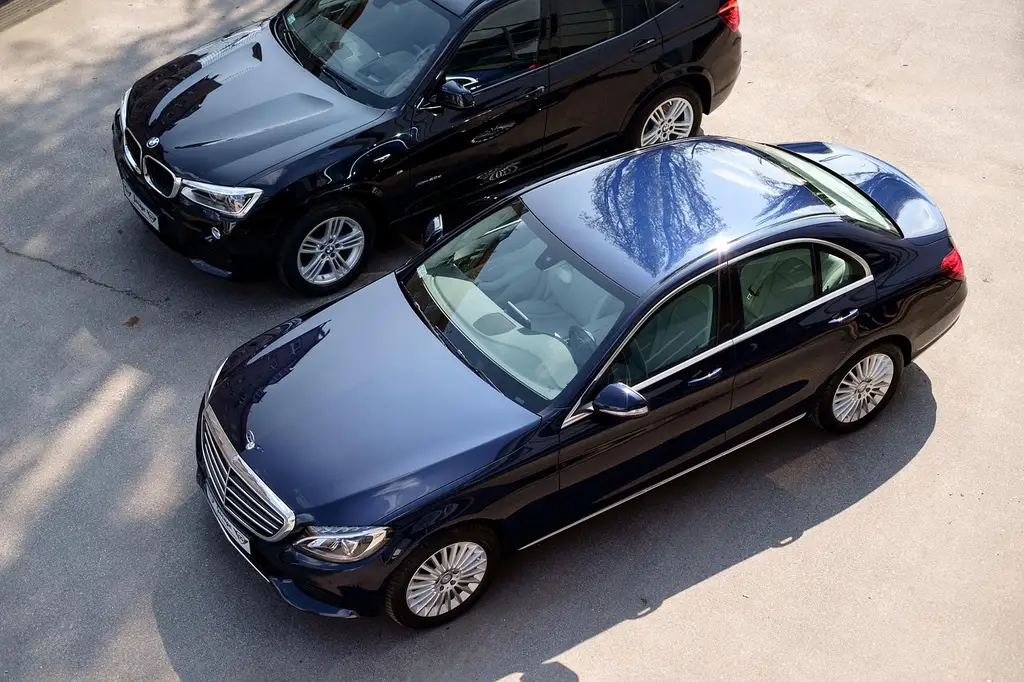
These companies appear to lead in different parts of the stack, which is why simple brand rankings can miss important differences. Tesla appears especially strong in EVs and driver assistance. BMW and Mercedes-Benz lead in digital cabin experience. Toyota owns scale and long-cycle investment. If you want the right company for the right feature, compare systems, not slogans.
Tesla: EVs and driver assistance
Tesla is the clearest EV-native benchmark here. Its appeal comes from electric platform integration, sustainable energy solutions, and advanced driver-assist systems that are deeply tied to the vehicle’s software architecture. Consumer brand recognition is also a major asset, especially in the U.S., where Tesla is often the default reference point for EV technology.
BMW Group: digital cockpit and assistant tech
BMW Group is associated with the BMW Intelligent Personal Assistant. The company also leans on digital displays and driver-experience technology to differentiate its cabins. BMW’s strength is not just screen size. It is the way interface design, driver prompts, and premium hardware work together in the cockpit.
Mercedes-Benz: MBUX and cabin controls
Mercedes-Benz’s MBUX system is highlighted as a tech-forward interface. The brand also uses voice commands, hand gesture controls, and advanced driver assistance systems to position itself as a leader in luxury software. For buyers, Mercedes matters when the cabin interface is as important as the powertrain.
Toyota: scale, investment, and mobility work
Toyota is not the flashiest software story, but it remains one of the most important technology companies in the industry because of its scale and long-term investment. Its global reach gives it influence over how quickly new tech becomes normal, especially in mainstream segments where volume matters more than novelty.
Picture a buyer cross-shopping a midsize EV sedan and a luxury SUV. The sedan shopper may care most about Tesla’s EV platform and driver-assist software. The SUV shopper may care more about Mercedes-Benz MBUX or BMW’s assistant and display setup. Different needs point to different leaders.
Which companies lead connected car and infotainment systems?
Aptiv and Continental matter most in this lane. Aptiv is associated with connected car architecture and vehicle connectivity, while Continental is tied to infotainment innovation and in-car entertainment interfaces. If you care about how the car talks to phones, sensors, and cloud services, these suppliers matter as much as any badge.
Aptiv and vehicle connectivity
Aptiv is presented as enabling vehicle connectivity that stays reliable across brands and platforms. That role matters because connected-car performance depends on the invisible plumbing behind the screen: networks, data flow, and control modules. Aptiv’s value is in the digital architecture that supports safety, convenience, and in-car software behavior across multiple brands.
Continental and infotainment interfaces
Continental is linked to infotainment innovation. Its relevance comes from user-friendly interfaces and interactive features that shape how drivers and passengers consume audio, navigation, and apps in the cabin. That makes Continental important to automakers that want a polished in-car entertainment experience without building every layer in-house.
Why in-car software matters to buyers
In-car software affects daily use more than many buyers expect. A slow interface, confusing menus, or poor phone integration can sour the ownership experience even in a mechanically strong vehicle. Buyers should look at response speed, voice control, app support, and update policy before getting distracted by horsepower figures.
Category-by-category company comparison

The table below separates OEMs, suppliers, and autonomy specialists so the market is easier to read. It maps each company to a lead technology domain, the flagship system or program that signals that position, and the buyer or investor profile that should care most. That is the fastest way to compare the stack.
| Company | Business model | Lead technology domain | Flagship system or program | Who should care most |
|---|---|---|---|---|
| Tesla | OEM | EV platform leadership, driver assistance, energy tie-ins | Electric vehicle platform and advanced driver-assist systems | EV buyers and investors focused on software-led vehicle architecture |
| BMW Group | OEM | Digital cabin, premium driver experience | BMW Intelligent Personal Assistant | Luxury buyers who value interface quality and display tech |
| Mercedes-Benz | OEM | Luxury software, cockpit controls, ADAS | MBUX | Buyers comparing premium cabin tech and advanced interfaces |
| Toyota | OEM | Scale, mobility investment, mainstream tech rollout | Global electrification and mobility programs | Mass-market buyers and long-term auto investors |
| Waymo | Autonomy specialist | Self-driving, robotaxi operations | Fully autonomous fleet in Phoenix, Arizona | Investors tracking commercial autonomy deployment |
| Mobileye | Autonomy and ADAS supplier | Advanced driver assistance systems | Vision-based ADAS and autonomy stack | Safety-focused buyers and autonomy investors |
| Aptiv | Tier 1 supplier | Connected car ecosystem, vehicle connectivity | Vehicle connectivity architecture | OEMs and investors focused on in-car digital systems |
| Continental | Tier 1 supplier | Infotainment, in-car entertainment, interfaces | Infotainment solutions | OEMs and buyers who care about cabin UX |
| Nissan | OEM | Mainstream electrification | Nissan Leaf | Mass-market EV shoppers and value-oriented investors |
Which automotive technology companies matter most in the U.S.?
In the U.S., the most relevant names are the ones with visible consumer products, fleet presence, or supplier exposure to American automakers. Tesla is the most visible EV and software brand. Mercedes-Benz, BMW, Toyota, and Nissan matter through retail sales. Waymo matters because of its Phoenix, Arizona fleet. Aptiv, Mobileye, and Continental matter through supplier reach.
Consumer-facing brands with U.S. scale
Tesla has the strongest U.S. technology identity by far. Toyota and Nissan matter because their mainstream reach puts tech into high-volume vehicles. BMW and Mercedes-Benz matter because premium U.S. buyers often pay for cabin software and advanced driver assistance as part of the purchase decision.
Suppliers and autonomy players with U.S. presence
Waymo’s Phoenix operation gives it a concrete American deployment, not just a research story. Mobileye matters in the U.S. because advanced driver assistance is now a standard expectation in many new vehicles. Aptiv and Continental matter because their systems often sit underneath the features American drivers interact with every day.
How to read market relevance
For U.S. readers, relevance is not only about headquarters. It is about product availability, platform adoption, and whether the company’s tech appears in cars sold in the market. The article’s companies have headquarters in various locations around the world, which is why business model and deployment matter more than geography alone.
Frequently asked questions
Which automotive technology companies are leading right now?
The leaders depend on the category. Tesla leads in EV platform recognition and software-heavy vehicle design. Waymo leads in commercial robotaxi deployment. Mobileye leads in ADAS breadth. BMW and Mercedes-Benz lead in premium cabin software. Aptiv and Continental lead among suppliers that shape connectivity and infotainment behind the scenes.
What companies are shaping electric vehicles and autonomous driving?
Tesla, Toyota, and Nissan are often considered important for EVs, but in different ways: Tesla for software-led EVs, Toyota for scale, and Nissan for mainstream electrification through the Leaf. For autonomy, Waymo and Mobileye are the key names. Waymo focuses on self-driving service; Mobileye focuses on driver assistance and autonomy technology.
Which automotive tech companies are best known for connected car systems?
Aptiv is the clearest connected-car supplier on this list because it is presented as enabling reliable vehicle connectivity. Continental also matters because of its infotainment solutions and interactive cabin features. For buyers, that means the strongest connected-car experience often comes from supplier technology hidden inside the vehicle, not the badge on the hood.
Are the biggest automakers also the top automotive technology companies?
Not always. Big automakers can be strong technology companies, but only in specific areas. Toyota is powerful because of scale and investment. Mercedes-Benz and BMW lead in cabin technology. Tesla leads in EV identity and software. The key is to identify which layer of the stack each automaker actually owns.
What technologies are these companies investing in?
The investment themes are clear: EV platforms, battery and energy systems, advanced driver assistance, self-driving software, connected-car architecture, voice control, gesture inputs, digital displays, and infotainment. Those categories explain most of the market split. A company can spend heavily on one layer and still lag in another.
Products related to this article
Sponsored / affiliate links. As an Amazon Associate I earn from qualifying purchases. I may earn additional commission from eligible campaigns.