3 Best Car Alarms for Theft Prevention (2026): Research Shows
Start with the theft pattern, then check install budget. A loud siren helps with opportunistic break-ins. Starter-kill and remote disable matter more for hot-wiring. GPS tracking belongs in a separate recovery layer, not as a substitute for an alarm.
Quick comparison
| Product | Badge | Best for | Price | ||
|---|---|---|---|---|---|
 |
Viper 5706V 2-Way Car Security with Remote Start SystemViper | Our pick | 2-way security system · Viper · Remote start | $294.99
Price as of 22 Oct 2026
|
View |
 |
Compustar CS7900-AS 2-Way Car Remote Start & Alarm BundledCompustar | Upgrade pick | Bundle with integration cartridge · Compustar · 2-way paging | $329.99
Price as of 22 Oct 2026
|
View |
 |
Crimestopper SP-402 Car Alarm with Remote Start, KeylessCrimestopper | Budget pick | Car alarm with remote start · Crimestopper · Keyless entry | $79.99
Price as of 22 Oct 2026
|
View |
The table below compares the main options by fit, not by siren bragging rights. Range claims should be read in context, because open lots differ from garages, apartment decks, and dense city blocks.
How we chose
The ranking matches the theft scenario before feature count. A system moves up if it solves one job well for a likely theft pattern, and moves down if it looks strong on paper but misses the risk you actually face.
We also separated deterrence from recovery. Sirens, shock sensors, starter kill, and keyless entry help stop or slow theft; GPS and app alerts help find a vehicle after the fact.
Install cost matters. Add wiring complexity, modules for remote start or phone control, and any subscription fee before you compare sticker prices.
Finally, keep to verified claims on range, siren output, sensors, and app features. A 2-way remote can warn you that an alarm triggered, but it does not turn every theft scenario into an easy stop.
Car alarm decision matrix
| Theft scenario | Features that matter most | What helps least |
|---|---|---|
| Parking-lot tampering | Two-way confirmation, shock or impact sensor, bright siren, quick remote alert | GPS only, because it helps after the break-in is already underway |
| Tow-away risk | Movement detection, siren, tracking, and phone alerts if the car rolls | Door-only triggers, since a tow truck may not open a door |
| Catalytic-converter theft | Motion or tilt-style response, fast alert, visible deterrent, tracking for recovery | Keyless entry convenience features by themselves |
| Relay-style access attempts | Starter kill, lock discipline, vehicle-specific anti-theft steps, visible deterrent | Loud siren alone, because many relay or CAN-bus attacks bypass simple alarm logic |
| Teen-driver monitoring | App alerts, movement alerts, engine-start alerts, two-way remote or tracking | Basic one-way siren, since it tells you little until you are near the car |
Hidden-cost checklist: installation labor, module integration for remote start or smartphone control, subscription fees for connected tracking, extra siren wiring, and any bypass or interface parts needed for your vehicle platform.
What is the best car alarm for theft prevention?
The best overall pick here is the Compustar CS7900-AS, because it pairs a 2-way LCD remote with starter kill, a 105 dB siren, and a 3,000-foot range for layered deterrence. That makes it stronger for theft prevention than a siren-only unit, especially if you want a system that can also grow into remote start or keyless entry.
That said, “best” changes with the threat. If you care most about recovery after the car moves, CARLOCK belongs in the conversation. If you want the strongest premium two-way alert package, the Viper 5906V sits near the top.
Quick picks
- Compustar CS7900-AS — best layered deterrence, 2-way LCD remote, 105 dB siren, 3,000-foot range, starter kill.
- Viper 5906V Responder HD — best premium two-way, one-mile range, full-color OLED remote, six-tone Revenger siren.
- Viper 5305V, best budget two-way deterrence, quarter-mile range, keyless entry.
- Avital 5305L, best value with starter interrupt and SmartStart compatibility.
- CARLOCK, best for recovery-first buyers who want 4G GPS tracking and app alerts.
Say your car parks on the street in a dense apartment row and the main threat is a quick smash-and-grab. A 2-way alarm with shock sensing matters more than a huge siren number, because you want a prompt alert and visible deterrence, not just noise after the thief has already left.
Compustar CS7900-AS: best for layered theft deterrence
The Compustar CS7900-AS fits drivers who want a more complete theft-prevention setup, not just a noise maker. Based on the listed specs, it brings a 2-way LCD remote, a 105 dB siren, dual-zone shock sensing, starter kill, and up to 3,000 feet of range, with expansion options for remote start and keyless entry.
That combination makes sense for higher-risk parking, especially when the goal is to interrupt entry attempts quickly and get confirmation back to the remote. Professional install is the safer choice here, because starter-kill integration and add-on modules can add wiring complexity fast.
The drawback is cost and complexity. It is not the simplest path for an older car with basic wiring, and the bundled integration parts may still require labor that rivals the hardware price.
Best for: street parking, higher-theft models, owners who want a platform that can grow.
Limit: this is a deterrence-first system, not a recovery system; it does not replace tracking if the car is stolen by stealth methods.
Viper 5906V Responder HD: best for premium two-way alerts
The Viper 5906V Responder HD is the strongest premium two-way choice in this group. Its listed one-mile range, full-color OLED remote, six-tone Revenger siren, dual-guard shock sensor, and SmartStart compatibility put it at the top for drivers who want status feedback and long reach.
Use this if you park far from your vehicle and want the remote to tell you what happened, not merely scream at you when you return. The downside is that premium capability usually means more install complexity and more cost once modules and labor are added.
This is a strong fit for commuters who park in large lots or walk away from a car in a busy garage. It still works best as a deterrent. It does not solve theft by itself if a thief is after the vehicle through cloning or other non-entry attacks.
Viper 5305V: best budget two-way deterrence
The Viper 5305V is the budget-minded two-way option for drivers who want remote confirmation without paying for premium extras. It is described as a two-way mid-tier alarm with a quarter-mile range, a 2-way LCD remote, and keyless entry.
It suits daily drivers who mainly want better awareness than a one-way alarm provides. For parking-lot use, the practical benefit is notification, not raw features.
The tradeoff is range and fewer premium functions than the 5906V. If you want phone-based tracking or remote-start depth, this is not the final answer.
Avital 5305L: best value with keyless entry
The Avital 5305L is the value play for buyers who want a two-way alarm without chasing premium hardware. Its listed features include a dual-zone impact sensor, fault-proof starter interrupt, a 2-way LCD remote, and SmartStart compatibility.
That makes it a sensible fit for drivers who want theft deterrence plus keyless entry convenience and some future upgrade room. The starter interrupt adds real theft value, especially against opportunistic hot-wiring attempts.
The limitation is that it sits in value territory, so you should not expect premium range or the remote display quality of higher-end systems. It is a practical buy, not an all-in flagship.
Which car alarm is best for a daily driver in a parking lot?
For daily parking-lot use, a two-way alarm with shock sensing and a visible siren is usually the best fit.
Parking lots are where range claims matter least on paper and most in practice. A quoted long range can shrink with concrete walls, other cars, and signal clutter. A quarter-mile rating may still be enough in a lot, but it is not the same as open-air performance.
Vehicle-fit notes for daily drivers
Older cars with simpler wiring can be easier to add an alarm to, but they may still need careful starter-interrupt integration. Newer cars often need more interface work, especially if you want remote start or phone control.
Say the sedan sits in a garage under an apartment building. The siren may be heard less clearly than in an open lot, so remote confirmation and shock-sensor tuning matter more than chasing the highest dB number.
CARLOCK Anti Theft Car Device: best for tracking-first recovery
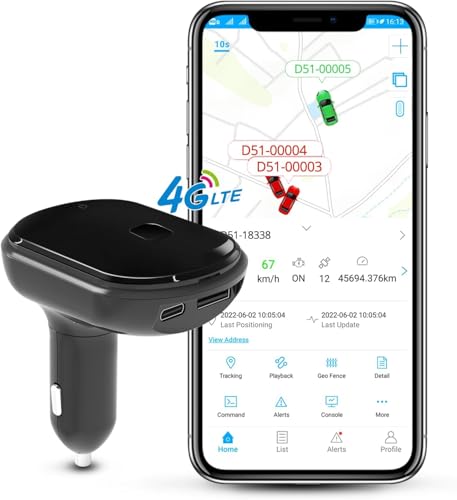
CARLOCK is different from the alarms above because it is built around recovery and alerts, not pure siren deterrence. The listed setup uses 4G connectivity for real-time GPS tracking, plus engine-start alerts, vehicle-movement alerts, and battery health monitoring; the device-plus-subscription model is part of the ownership cost.
That makes it a smart add-on for high-risk theft areas or for owners who want immediate phone alerts when a vehicle moves or starts. It is not the same thing as an alarm, and it should not be treated as one.
The drawback is recurring cost and the fact that a tracker does not stop a smash-and-grab by itself. It helps you find the car faster; it does not always stop the first theft action.
Viper and Avital alarms: best for daily-driver deterrence
Viper 5906V Responder HD
As a daily-driver deterrent, the Viper 5906V is best when you want higher-end alerts and more usable range. The full-color OLED remote and one-mile claim make it the most confidence-oriented Viper in this group.
The weakness is that its premium feature set can push install cost up. If the vehicle does not need that level of capability, the price and complexity may be more than necessary.
Viper 5305V
The Viper 5305V is the simpler daily-driver option. It keeps the two-way concept and keyless entry, but its quarter-mile range places it below the 5906V for long-walk parking and large properties.
Its value is straightforward: better awareness than a one-way alarm without jumping straight to flagship pricing or complexity.
Avital 5305L
The Avital 5305L lands between budget and usefulness if you care about starter interrupt and SmartStart compatibility. That makes it a good fit for an older commuter car that still needs credible anti-theft hardware.
Its drawback is that value-tier systems can be less feature-rich than premium two-way alarms, so buyers should be realistic about range and app expectations.
Do I need a two-way car alarm or a one-way alarm?
Choose a two-way alarm if you park far from the vehicle, want confirmation that the alarm triggered, or need extra warning in a lot or garage. A one-way alarm is cheaper and simpler, but it does not tell you whether the car actually triggered until you hear it or see it yourself.
One-way systems still have a place when budget and ease of install matter most. Two-way units make more sense when the car is out of sight for long stretches.
Budget alarms with convenience features
EASYGUARD EC204
The EASYGUARD EC204 suits buyers who want passive keyless entry, walk-away locking, and approach unlock without stepping into premium pricing. It is a convenience-forward option that can make daily use easier while still adding alarm behavior.
The drawback is that convenience features are not the same as strong anti-theft hardware. If the main risk is relay-style access or a determined thief, you still need the right vehicle-specific protection beyond passive unlocking.
BANVIE car alarm system
BANVIE is the low-cost alarm in this group, with a 110 dB siren, shock sensor, microwave sensor, keyless entry, trunk release, and silent alarm mode. It fits buyers who want a budget system that still brings multiple trigger types.
The price position is part of the appeal: it is listed around $36 to $50. The drawback is that a budget alarm can be more sensitive to install quality, sensor placement, and grounding issues than a better-integrated system.
Python 5305P
The Python 5305P is the all-in-one kit here, with built-in remote start and quarter-mile range. It suits buyers who want a single package rather than piecing together separate modules.
The tradeoff is that remote start makes install more involved, and the system’s value depends on whether your vehicle platform supports the integration cleanly. That raises labor costs in many cases.
Tracking and remote-start options
Crimestopper SP-502
The Crimestopper SP-502 is the smart-alarm choice for buyers who want built-in remote start, app control, and a 3,500-foot range. It sits in the middle ground between classic alarm and connected convenience.
Its strength is flexibility. Its weakness is that app control and remote-start integration can increase the install bill, and connected features should not be mistaken for theft recovery unless the system also gives you the right alerts.
What about remote start? If that feature matters, favor systems built for it from the start. The Viper 5706V, Python 5305P, and Crimestopper SP-502 all point in that direction, while the Compustar CS7900-AS can expand into remote start with the right setup.
How much does a good car alarm system cost installed?
The hardware price is only part of the bill. The real installed cost usually includes the alarm, labor, any bypass or interface module, and possible add-ons for remote start, smartphone control, or vehicle-specific integration.
A connected system can also bring recurring fees. CARLOCK, for example, is subscription-dependent for app alerts, so the ownership cost continues after the device purchase.
For a simple budget alarm, installed cost may stay modest if the car is easy to wire. For premium two-way systems or remote-start setups, labor can easily become the larger line item.
Can I install a car alarm myself or do I need a professional?
DIY install is realistic for simpler 12V systems if you are comfortable tracing wires, grounding correctly, and following the vehicle diagram. It gets much harder once you add starter interrupt, remote start, smartphone control, or data-interface modules.
Professional install is the safer call when the vehicle is newer, the wiring is crowded, or the system must talk to factory electronics. That is especially true for Compustar, Viper, and Python setups that are meant to do more than scream.
- Check 12V compatibility and vehicle wiring complexity first.
- Count every add-on module before comparing prices.
- Plan the sensor location so it does not trigger on harmless vibration.
- Confirm whether remote start or app control needs a separate interface.
A common first-timer mistake is blaming the alarm for false triggers when the real issue is poor grounding or a weak battery. Sensor placement matters too. A shock sensor mounted badly can be too sensitive near doors and too dull elsewhere.
Which car alarm has the least false alarms?
Systems with dual-zone or dual-guard sensing usually give you more tuning room than basic single-sensor alarms. That can reduce nuisance triggers, but only if the install is clean and the sensitivity is set correctly.
False alarms often come from one of four issues: poor grounding, weak battery voltage, sensor placement near a hard vibration source, or over-tuned shock sensitivity. A siren that is too exposed to wind or road noise can also make things worse.
What features actually stop car theft on aftermarket alarms?
The features that matter most are starter kill, fault-proof starter interrupt, a strong visible siren, shock or impact sensing, and fast alerting. Two-way remotes help because they tell you something happened while the thief is still near the car.
GPS tracking helps after the vehicle is gone. It is valuable, but it belongs in the recovery column, not the stop-theft column.
Relay-style and CAN-bus-based theft methods are the hard edge cases. Many aftermarket alarms do not stop those on their own, so a layered approach is better than assuming any single siren will solve the problem.
Which one should you buy?
Choose the Compustar CS7900-AS if you want the most balanced theft-deterrence package and can pay for proper install. It is the strongest all-around choice when starter kill, 2-way feedback, and upgrade path all matter.
Choose the Viper 5906V Responder HD if you want premium two-way range and display quality. Choose the Viper 5305V if you want a cheaper two-way path for a daily driver. Choose the Avital 5305L if starter interrupt and value matter more than flagship extras.
Choose CARLOCK if your main concern is finding the vehicle fast after a theft, not stopping every theft attempt with an alarm siren. Choose BANVIE if budget is tight and you still want shock and microwave sensing. Choose Crimestopper SP-502 or Python 5305P if remote start is part of the purchase plan.
If you park in a garage or urban lot, do not buy by siren volume alone. If your car is older and easy to wire, a simpler alarm may be enough. If the car is high-theft, on the street, or exposed to relay attacks, spend on layered protection and accept the install cost.
Frequently asked questions
Are GPS car alarms better than loud sirens alone?
They solve different problems. Loud sirens deter casual theft and draw attention; GPS helps recover a stolen vehicle. CARLOCK is useful for tracking and alerts, but it should be treated as a recovery tool, not a substitute for a real alarm with starter interrupt or sensor-based deterrence.
What car alarm works best if I want remote start too?
The Viper 5706V, Python 5305P, and Crimestopper SP-502 are the clearest remote-start paths in this roundup. The Compustar CS7900-AS can also expand into remote start, but that usually increases install complexity and makes professional installation the safer route.
Products related to this article
Sponsored / affiliate links. As an Amazon Associate I earn from qualifying purchases. I may earn additional commission from eligible campaigns.
 4G GPS Tracker Car Anti-Theft Long Battery Life 20000mAh Real Time GPS Tracking Device Magnet No Geographic Restriction Car Tracker with Alerts, Geo Fence, History Playback TK905C
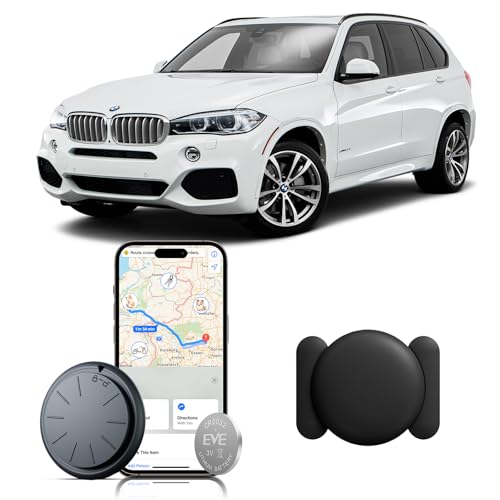 ZFSJTAG Car GPS Tracking Device for Vehicles, 1PCS Real Time GPS Tracker for Car, Work with Find My (iOS Only),Hidden Mini GPS Tracker,No Monthly Fee (Black Tracker, Black Magnetic Case)