Best Car Dashboard Polishes for a Spotless Shine: We Compared
The best dashboard polish is a low-grease, UV-rated interior protectant matched to your finish: satin for matte plastics, gloss only for dark textured vinyl, and no silicone-heavy spray near screens. Pick the wrong finish and you get glare, dust attraction, screen haze, and trim that looks oily instead of clean. This guide compares top picks by finish type, material fit, shine level, glare control, and dust resistance.
Quick comparison
| Product | Badge | Best for | Price | ||
|---|---|---|---|---|---|
 |
Adam’s Polishes Interior Detailer 16oz – Total Car InteriorAdam’s Polishes | Our pick | 16 oz · All-in-One · Interior Detailer | $12.74
Price as of 22 Oct 2026
|
View |
 |
Turtle Wax Hybrid Solutions Inside Job Interior CarTurtle Wax | Budget pick | 16 oz · Ceramic Formula · Interior Cleaner | $8.99
Price as of 22 Oct 2026
|
View |
This comparison centers on finish type, the surfaces each formula fits best, and how likely each one is to leave glare or a greasy film. Reapplication cadence matters too, because a product that looks great for one drive can turn into a dust magnet in hot weather.
How we chose
We compared products by finish control, surface compatibility, UV language in the manufacturer specs, ease of spray-and-wipe use, and how well each option fits a specific cabin material. We also weighed whether a formula is better for dashboards, screens, or high-touch trim, since those are separate jobs.
The main rule is simple: match the finish to the cabin. Gloss can suit textured vinyl in older interiors, while satin or non-greasy detailers are the safer default for matte dashboards, piano-black trim, and mixed-material cabins with touch screens.
Meguiar’s G4016 Supreme Shine Protectant: best for high-gloss vinyl
Meguiar’s G4016 is the pick for drivers who want a high-shine finish on vinyl, rubber, and plastic. At 16 oz, it fits the classic spray-on, wipe-off routine, and the product is positioned around UV blocking, which makes it a better match for dark textured trim than for a matte OEM dash.
It stands out if your goal is a polished look on durable surfaces that can handle more sheen. The drawback is obvious: high shine raises glare risk on the windshield line, and that same gloss can look greasy in a cabin with large screens or piano-black accents.
If your dashboard already has a soft-touch matte grain, this is not the first product to reach for. A common first-timer mistake is using a gloss protectant on a black dash with a low windshield angle, then noticing the reflection long before the shine looks “clean.”
Adam’s Polishes Interior Detailer: best for low-grease all-purpose cleaning
Adam’s Polishes Interior Detailer is the better fit when you want one product for dashboards and frequently touched interior surfaces. The 16 oz formula is described as anti-static and dust-repelling, and it also includes UV blocking agents, which makes it useful for day-to-day maintenance rather than a wet-looking dress-up effect.
That combination is why it belongs near the top of a buyer’s list for mixed cabins. It aims at screens, dashboards, seats, and other touch points, so it is easier to use across an interior without jumping from cleaner to protectant to dressing.
The drawback is that all-in-one formulas can be a tradeoff. If your only goal is a deep glossy look on textured plastic, a dedicated protectant may look wetter; if your only goal is a dead-matte finish, even a light sheen can feel like too much.
Best satin finish detailers
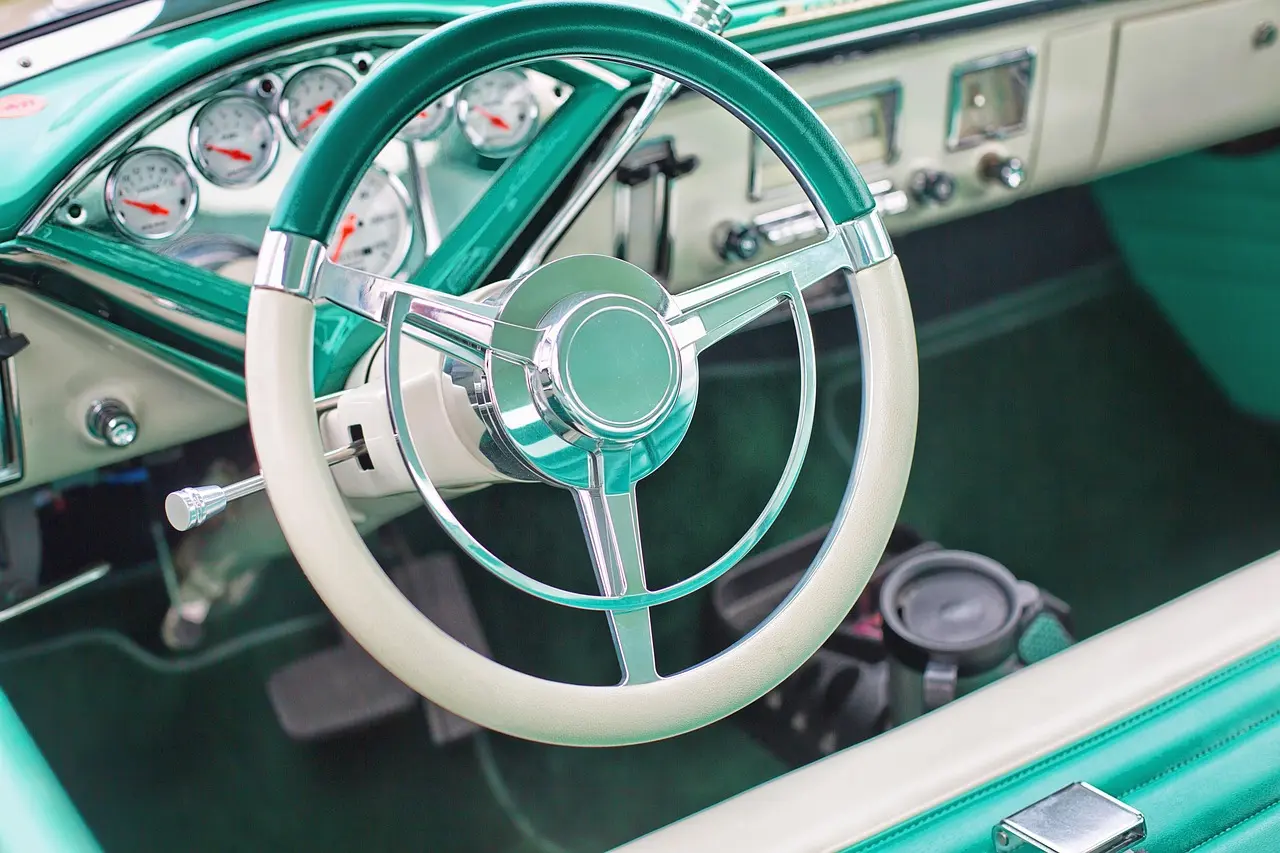
Satin is the safer default for most modern cabins. It cuts glare, hides fingerprints better than a wet gloss, and usually looks more factory-correct on matte dashboards and soft-touch plastics.
Meguiar’s G16216 Ultimate Interior Detailer: best for satin protection
Meguiar’s G16216 is a 15.2 oz interior detailer built around a non-greasy satin finish. The manufacturer positions it as safe on all interior surfaces and says it lasts for weeks, so it is a strong fit for drivers who want a restrained look without the slick feel that can make a dash seem freshly oiled.
Its main advantage is balance. It is the kind of product that makes sense when the cabin includes a matte dash, stitched trim, and a touch screen, because the finish is less likely to draw attention in sunlight.
The drawback is that satin can look underwhelming if you want dramatic shine. That is not a flaw for most cars; it is just a reminder that finish choice should follow cabin material, not a generic “more gloss is better” rule.
Malco Clean and Shine Interior Car Cleaner Dressing: best for low-glare dressing
Malco Clean and Shine is positioned as a satin, non-glare interior dressing that cleans, conditions, and protects. It is also listed for leather, plastic, and vinyl, which makes it a useful option for cabins where the dashboard material changes from one panel to the next.
Its main appeal is glare control. If the windshield catches too much reflection from the dash, a non-glare dressing is usually the cleaner fix than trying to add more shine and hoping it reads as “finished.”
The drawback is that satin dressings do less visual work than high-shine protectants. If you want a dramatic darkening effect, this formula is intentionally calmer.
Best dust-control sprays
Dust control matters more than many buyers expect. A formula that leaves residue can attract lint faster than it protects the dash, especially on warm days and in cars that sit in direct sun.
Adam’s Polishes Interior Detailer: best for anti-static dust resistance
Adam’s Polishes Interior Detailer earns a second look here because its anti-static and dust-repelling behavior is the standout feature. That matters on dashboards, steering wheels, and the other frequently touched surfaces that seem to collect a light film within days.
Its strength is practicality. For drivers who want fewer wipe-downs and less visible dust between cleanings, anti-static behavior is more useful than a higher shine level that simply looks good for the first hour.
The drawback is that dust resistance does not mean dust-proof. If the cabin is already dusty, you still need to clean before applying, or the product will trap the mess instead of preventing it.
DONKEYPRO Car Interior Cleaner Detailer Spray: best for clarity and light sheen
DONKEYPRO is listed for dashboards, seats, steering wheels, and armrests, and it emphasizes anti-static dust resistance. That makes it a sensible category fit for drivers who want a cleaner-looking interior without a heavy glossy layer.
Its main selling point is a clarity-enhancing sheen rather than a wet dressing effect. That is a useful middle ground when you want the dash to look refreshed but not coated.
The drawback is that a light-sheen formula can still vary by surface. On glossy piano-black trim, even a mild product can show streaks if you overload the applicator or skip a dry buff.
Best wipes and restorer picks
Wipes and restorers solve different problems. Wipes are about speed and convenience; restorers are about reviving faded trim that needs more than a quick dust-off.
Armor All Car Interior Protectant Wipes: best for quick touch-ups
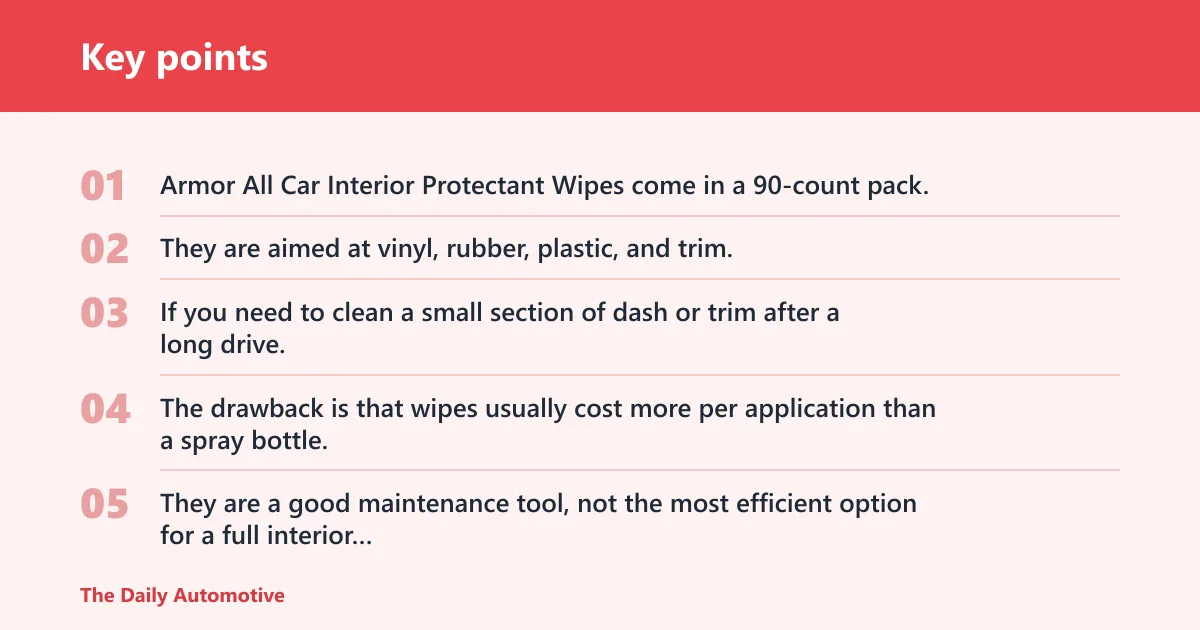
Armor All Car Interior Protectant Wipes come in a 90-count pack, which makes them practical for glove-box storage and fast spot cleaning. They are aimed at vinyl, rubber, plastic, and trim, and the triple-action UV protection language makes them a convenience-first option for upkeep.
The strength here is speed. If you need to clean a small section of dash or trim after a long drive, wipes reduce the chance of overapplying liquid product and leaving streaks.
The drawback is that wipes usually cost more per application than a spray bottle, especially on larger dashboards. They are a good maintenance tool, not the most efficient option for a full interior detail.
Mothers Back-to-Black Trim & Plastic Restorer: best for faded trim
Mothers Back-to-Black is aimed at trim, plastic, vinyl, and rubber, and its role is restoration rather than routine shine. It is the type of product to consider when the cabin shows oxidation, chalkiness, or a washed-out look that a normal detailer will not correct.
Its appeal is that it is built for recovery work. UV, weather, and contaminant protection language points to a formula intended to help the surface look more natural again instead of simply wetter.
The drawback is that restorers can be too much for a healthy dashboard. If the trim is already in decent shape, a lighter satin detailer may be the better everyday choice.
Which finish should you choose?
Pick finish first, then brand. That order prevents most of the usual complaints about glare, residue, and screen haze.
Glossy dash and piano-black trim
Gloss belongs on older textured vinyl or on trim where you want a darker, dressed look and the windshield angle does not create much reflection. It is a poor default for piano-black panels, because that material already shows dust, fingerprints, and streaks.
Say your car has a textured black dash with no large center screen. A gloss protectant can work there if you apply it lightly and buff the surface fully, but it still needs a careful hand to avoid a wet film.
Matte OEM dashboards
Matte OEM dashboards do better with satin or non-greasy detailers. Those finishes keep the factory look, reduce windshield glare, and usually feel cleaner in hot weather because they leave less slippery residue.
This is where Meguiar’s G16216 and Malco Clean and Shine make the most sense. They fit the look most drivers want from a modern dash: clean, protected, and low-reflection.
Mixed-material cabins with touch screens
Mixed cabins need the most restraint. If your interior includes a screen, piano-black buttons, soft-touch dash panels, and textured door trim, the safest route is a satin or anti-static detailer rather than a high-shine protectant.
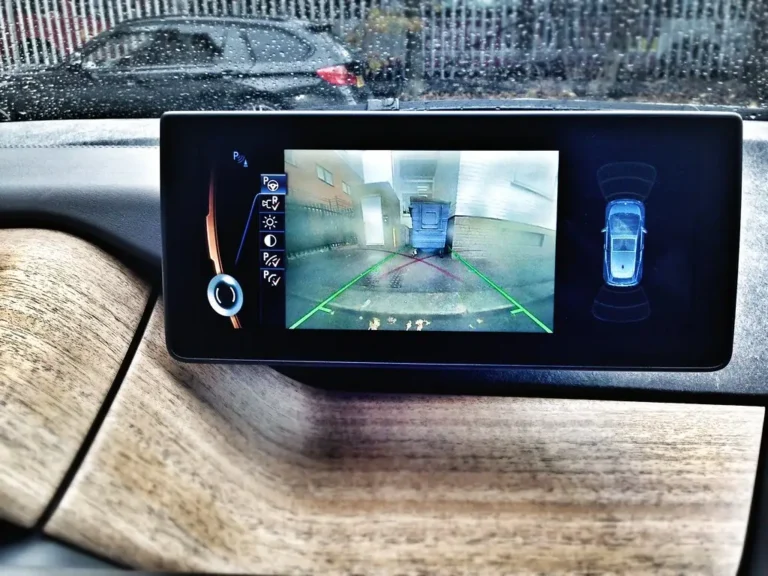
Suppose you have a 12-inch infotainment screen above a matte dash and glossy piano-black climate controls. A low-grease detailer on the dash, a dry microfiber on the screen, and a separate light wipe for the glossy trim is safer than treating all three surfaces the same way.
Streaks usually come from too much product, the wrong cloth, or applying a glossy formula to a warm surface. Clean, cool, and light application beats heavy spraying every time.
- Dust the surface first with a dry microfiber cloth.
- Spray the product onto the cloth, not directly onto screens or buttons.
- Work one small section at a time.
- Wipe in one direction, then buff with a second clean cloth.
- Keep product away from the windshield edge and instrument cluster lens.
Do not apply polish when the dash is hot from sun exposure. Heat makes residue spread faster, which is why greasy feel and haze show up more often in summer cabins than in cool garages.
Can you use dashboard polish on screens?
Use caution on screens. The safest approach is a screen-safe cleaner or a dry microfiber cloth, not a glossy protectant that leaves a film and creates haze under backlighting. Many interior detailers can be used near screens, but that is not the same as coating a display.
What is safe on touch screens?
Touch screens usually need the lightest possible treatment: a soft microfiber cloth and, if the manufacturer allows it, a screen-specific cleaner. A low-grease interior detailer may be acceptable on surrounding trim, but it should not be assumed safe on the display itself.
What to avoid on buttons and coated plastics
Avoid over-spraying liquid onto seams, toggle switches, and coated black plastics. Excess product can pool around edges, leave a shiny ring, and make button labels look cloudy under daylight.
How to prevent haze and streaks
Apply less product than you think you need, then buff twice. If haze remains, the issue is usually overload, not lack of polish. A second dry cloth often fixes what another spray will make worse.
Which one should you buy?
If you want the safest all-around choice for a modern cabin, start with a satin detailer such as Meguiar’s G16216 or Adam’s Polishes Interior Detailer. If your priority is a deeper gloss on vinyl, Meguiar’s G4016 is the higher-shine pick. If the trim is faded rather than merely dirty, a restorer like Mothers Back-to-Black is the better category.
For budget and convenience, wipes make sense when you only need small touch-ups and do not want a full spray routine. For larger interiors, a spray usually gives better value per ounce and better control over how much finish you leave behind.
Cost per ounce can help frame the choice, but usage pattern matters more. A 90-count wipe pack can be efficient for quick jobs; a 16 oz or 15.2 oz bottle is usually the better value for repeated full-dash cleanups because you can control exactly how much product each application uses.
Frequently asked questions
What is the best dashboard polish for cars?
The best dashboard polish is the one that matches the surface and finish you actually have. For most modern cabins, that means a low-grease satin interior detailer with UV protection. Glossy protectants are better reserved for textured vinyl or trim where added shine will not create windshield glare.
What dashboard polish leaves a non-greasy finish?
A satin interior detailer is the safest bet for a non-greasy finish. Products like Meguiar’s G16216 are designed to leave less shine than a traditional protectant, which makes them better for matte dashboards, touch-screen surrounds, and other high-visibility areas.
Which dashboard polish has the best UV protection?
Among the products here, several include UV language in their descriptions, including Meguiar’s G4016, Meguiar’s G16216, and Adam’s Polishes Interior Detailer. The better choice is not the strongest UV claim, but the one whose finish suits your dash without creating glare.
Can I use dashboard polish on touch screens and plastic trim?
Use it on plastic trim only if the label says it is safe for that surface and keep the application light. Touch screens are different; they are best cleaned with a screen-safe cloth or cleaner. Even safe interior detailers should be used cautiously around displays and button clusters.
How often should I reapply dashboard polish?
Reapply when the finish fades, dust starts sticking again, or the surface loses its even look. In normal use, satin detailers may last longer than quick wipes, while high-shine protectants often need sooner maintenance if the car sits in sun or heat.
How do I stop dashboard polish from making my dash greasy?
Use less product, choose satin over gloss, and buff with a second dry microfiber cloth. Greasy residue usually comes from overapplication or from using a shiny protectant on a dash that should stay matte. Heat makes the problem worse, so apply in a cool interior.
Products related to this article
Sponsored / affiliate links. As an Amazon Associate I earn from qualifying purchases. I may earn additional commission from eligible campaigns.