Why NASCAR Tires Are Bald Explained Simply
Figuring out Why Are NASCAR Tires Bald? can be tricky when you first get into racing. It might seem strange that race car tires wear down so quickly. But don’t worry, it’s actually pretty easy to understand! This article breaks it down step by step, so you can learn exactly what’s going on. First, let’s explore why this happens.
The Science of Tire Wear
The baldness of NASCAR tires is all about grip and performance. Unlike street tires designed for longevity and safety in various conditions, race tires prioritize traction above all else. This means the rubber compound is softer and stickier. This softness allows the tires to mold to the track surface, providing incredible grip. However, this superior grip comes at a cost – rapid wear. When a tire grips the track, small pieces of rubber are torn away. This process happens at an accelerated rate under the extreme forces experienced during a NASCAR race. The result is tires that quickly lose their tread.
The Rubber Compound: The Foundation of Grip
The rubber compound used in NASCAR tires is a carefully engineered blend of different polymers, oils, and other additives. The specific formulation varies depending on the track surface, weather conditions, and the team’s strategy. Softer compounds offer more grip but wear faster, while harder compounds last longer but provide less traction. Teams carefully analyze track conditions before selecting a tire compound. This selection impacts the cars’ performance and the length of each racing segment. The goal is to balance grip, durability, and pit stop strategy. The choice of compound is also critical for controlling heat buildup within the tire. Excess heat can lead to tire failures.
- Softer Compounds for Maximum Grip: Softer compounds, like those often used in NASCAR, contain a higher concentration of polymers and oils. These materials make the rubber more flexible, allowing it to conform to the track surface more easily. This increased flexibility provides enhanced grip, especially during acceleration, braking, and cornering.
- Harder Compounds for Durability: Harder compounds include a lower proportion of oils and other softening agents. This increases the rubber’s resistance to wear, making the tires last longer. However, this reduced flexibility also means less grip, which can negatively impact performance.
- Additives for Specific Conditions: Tire manufacturers add different additives to the rubber compound to improve performance in specific conditions. For example, specific additives might be added to improve grip in wet conditions or to enhance the tire’s ability to shed heat.
- The Trade-Off: Teams and drivers always need to make compromises when choosing rubber compounds. If the compound is too soft, the tires wear out quickly, and the car will need to make more pit stops. If the compound is too hard, the car won’t grip as well, leading to slower lap times.
Heat and Friction: The Tire’s Worst Enemies
Heat and friction are the primary drivers of tire wear in NASCAR. When the tires roll across the track, friction between the rubber and the asphalt generates immense heat. During cornering, this heat increases exponentially due to the side forces acting on the tire. This heat softens the rubber, making it even more susceptible to abrasion. The hotter the tire, the faster it will wear. Moreover, the tire’s internal structure becomes compromised with excessive heat. This can lead to blisters, chunking, or even a complete tire failure. This can happen if the tire gets overheated, especially during long runs at high speeds.
- Friction’s Role: Friction, the resistance to motion between the tire and the track, is crucial for grip but also causes wear. As the tire rolls, it deforms, and the rubber molecules rub against the asphalt, generating heat.
- Cornering and Heat Buildup: Cornering creates significant lateral forces. These forces press the tire harder against the track, increasing friction and heat generation. Higher cornering speeds and tighter turns exacerbate this effect.
- The Impact of Heat: High heat levels cause the rubber to soften, making it more vulnerable to abrasion. The softened rubber can tear and wear away more quickly.
- Managing Heat: Teams use various strategies to manage heat. They can adjust tire pressures, camber angles, and driving styles. They also consider pit strategies to avoid overheating tires.
The Role of Track Surface
The track surface itself plays a huge role in tire wear. The surface’s characteristics, like the type of asphalt, its roughness, and the amount of banking, greatly influence how quickly tires wear down. Rougher tracks tend to cause more tire abrasion compared to smoother ones. Banking, which helps cars corner faster, also puts more stress on tires. Different racetracks, with varying levels of banking and asphalt composition, lead to different rates of tire wear. Understanding these characteristics allows teams to select appropriate tire compounds and strategies for a specific race.
- Asphalt Composition: The type of asphalt used on the track affects tire wear. Some asphalt mixtures are more abrasive than others. The roughness of the asphalt significantly impacts the rate of rubber removal.
- Roughness and Abrasion: Rougher tracks cause more abrasion. This means the tires wear down more quickly. The interaction of the rubber and the asphalt causes the surface of the tire to wear away.
- Banking and Cornering: Tracks with more banking allow cars to corner at higher speeds, which increases the forces acting on the tires. This, in turn, accelerates wear.
- Team Strategies: The teams consider the track surface when setting up their cars. This affects tire pressure, suspension settings, and racing tactics. This allows them to optimize performance and tire life.
Why Are NASCAR Tires Bald? The Impact of Racing Conditions
The baldness of NASCAR tires is also influenced by the conditions in which the races take place. This includes the speed and style of the drivers, the setup of the car, and the strategies teams use. Everything is a factor when it comes to racing. It can change how a tire performs during a race. NASCAR races demand a lot from tires. Understanding these factors can better describe the bald tires. These conditions shape the tire’s performance and longevity.
Driver Technique: The Art of Tire Management
How the driver handles the car significantly affects tire wear. Aggressive driving, with hard acceleration and braking, puts extra strain on the tires. Drivers carefully manage their tire usage during a race. This can vary their driving style. This involves smooth cornering, avoiding abrupt changes in direction, and modulating the throttle. Each movement is a balance. It is important to find the right balance between speed and tire preservation. Experienced drivers know how to get the most out of their tires. They can maintain speed while extending their tire life, which gives them a competitive edge.
- Smoothness vs. Aggression: Aggressive driving techniques, like quick acceleration, hard braking, and abrupt cornering, cause faster tire wear. Smooth driving helps tires last longer by reducing the stress placed on them.
- Cornering Techniques: How a driver approaches corners significantly impacts tire wear. Using the right line, carrying enough speed, and maintaining a steady steering angle can lessen the wear on the tires.
- Braking and Acceleration: Hard braking and aggressive acceleration cause the tires to scrub against the track surface, increasing friction and wear. Careful modulation of these actions can help preserve the tire.
- Feedback and Adjustment: Good drivers constantly monitor how their tires feel. They use their senses to feel the changes in grip. They adapt their driving style to conserve the tires, making sure they can maintain their pace over the whole race.
Car Setup: Fine-Tuning for Optimal Performance
The car’s setup is another key factor affecting tire wear. This includes adjustments to the suspension, alignment, and tire pressures. Teams make small adjustments to optimize tire performance. Suspension settings impact how the tires contact the track, which impacts wear. Alignment settings, such as camber and toe, influence how the tires meet the track during acceleration, braking, and cornering. Tire pressure is also important. Higher pressures reduce rolling resistance but can reduce grip, which could damage the tires. Teams analyze data and driver feedback. This helps find the ideal setup to maximize tire life while delivering performance.
- Suspension Settings: Suspension components affect how weight shifts during acceleration, braking, and cornering. Proper suspension setup ensures consistent tire contact with the track, minimizing uneven wear.
- Alignment Adjustments: Alignment, including camber and toe angles, influences how the tire meets the track surface. Camber affects how the tire’s contact patch meets the road in a turn. Toe affects the tire’s direction and resistance to rolling.
- Tire Pressures: Correct tire pressure is critical. It determines the tire’s footprint and how well it grips the track. Adjustments based on track and weather conditions can improve tire life.
- Testing and Data Analysis: Teams use data and driver input to find the optimal car setup. They analyze the wear patterns on tires and lap times to refine their approach.
Race Strategy: The Art of the Pit Stop
Race strategy plays a large role in tire wear. Teams use pit stops to change tires. These are usually scheduled based on how the tires are wearing. Strategies also consider track conditions, the car’s performance, and the competition. The timing of pit stops impacts a team’s position. This depends on factors like caution periods, which allow teams to change tires without losing as much time. Teams also decide when to change tires and the type of compound to use. Each decision is crucial. It impacts the outcome of the race and the life of the tires. Teams weigh the pros and cons of making different decisions. They try to get the most out of their tire strategy.
- Scheduled Pit Stops: Teams plan pit stops based on anticipated tire wear. They change tires before they become too worn to maintain optimal performance and avoid tire failures.
- Competition Considerations: Pit stop timing can be affected by the performance of competitors. Teams can use strategic pit stops. These can help them get ahead or protect their position on the track.
- Caution Periods: Caution periods provide opportunities for teams to pit without losing many positions. This greatly influences pit strategy, as teams may choose to pit more frequently.
- Compound Selection: The compounds teams use depend on the length of each racing segment. The choice of tires can greatly impact performance and pit stop requirements.
Why Are NASCAR Tires Bald? Comparing to Street Tires
The difference between NASCAR tires and street tires is huge. Street tires are made to be durable and provide a safe and stable ride for everyday driving. NASCAR tires prioritize grip and performance above all else. This difference in design explains why NASCAR tires wear so quickly. By exploring the differences, the unique purposes of each tire type become obvious. It shows the specialized design and features that enable race cars to perform at their peak.
Tire Construction: A Study in Contrasts
The construction of NASCAR and street tires is dramatically different, reflecting their different purposes. Street tires are made to be durable. They have a tougher rubber compound, and often, the tread is designed to remove water and provide good grip in various conditions. NASCAR tires are built for speed and grip. They feature softer compounds and slick surfaces. This is because they need to maximize contact with the track. The tire construction is designed for minimal rolling resistance, maximizing acceleration and cornering performance. The construction of a tire directly impacts its performance on the track or the road.
- Street Tire Construction: Street tires often have multiple layers. They are designed for durability and a long lifespan. They focus on providing a comfortable ride, handling, and fuel efficiency.
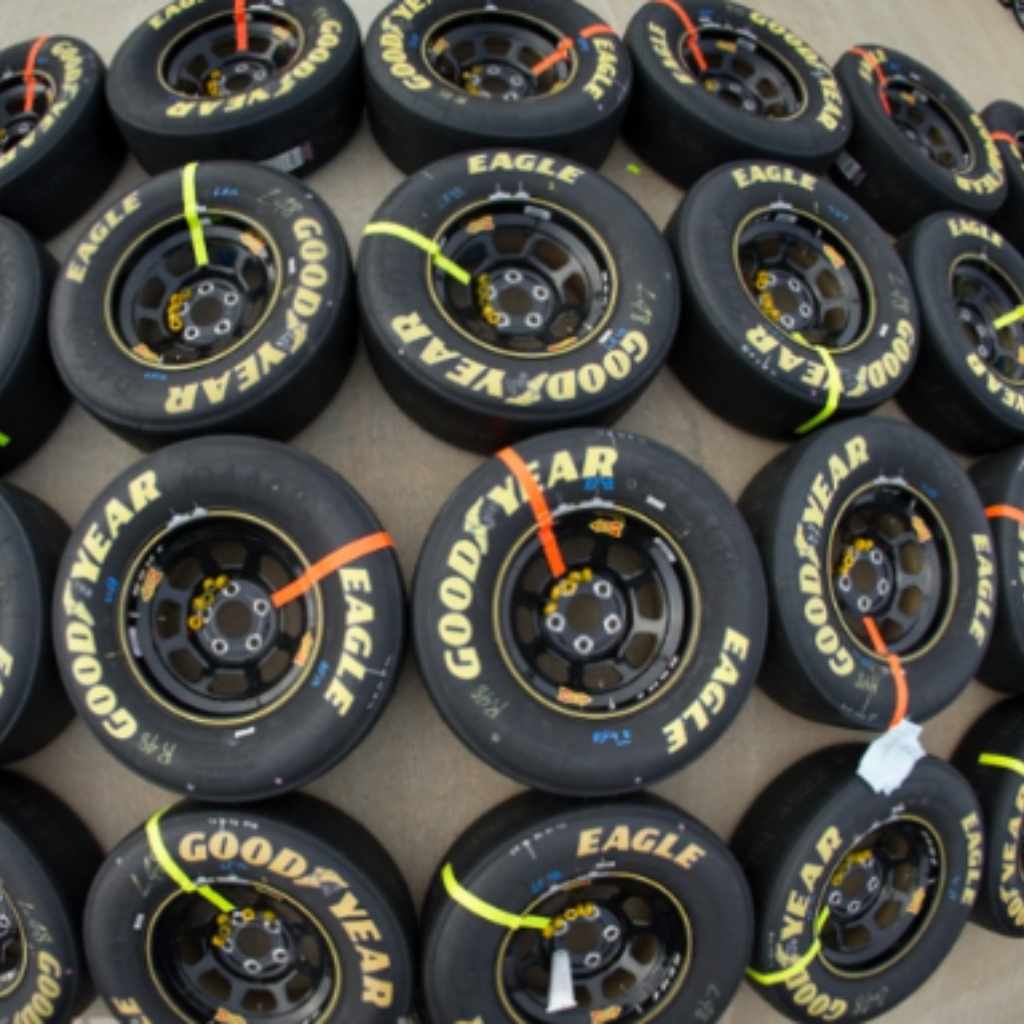
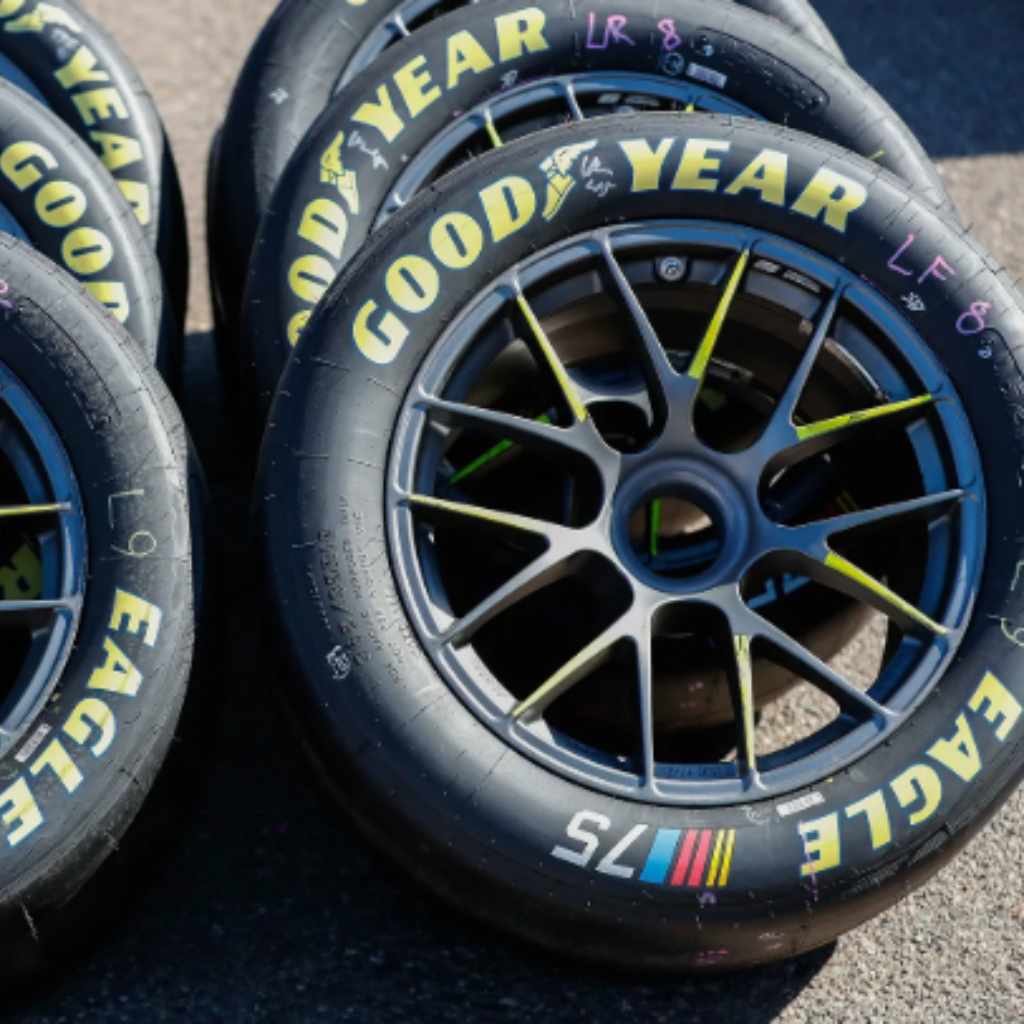
- NASCAR Tire Construction: NASCAR tires feature a simpler construction focused on performance. They have a softer rubber compound and typically no tread pattern to maximize the contact with the track.
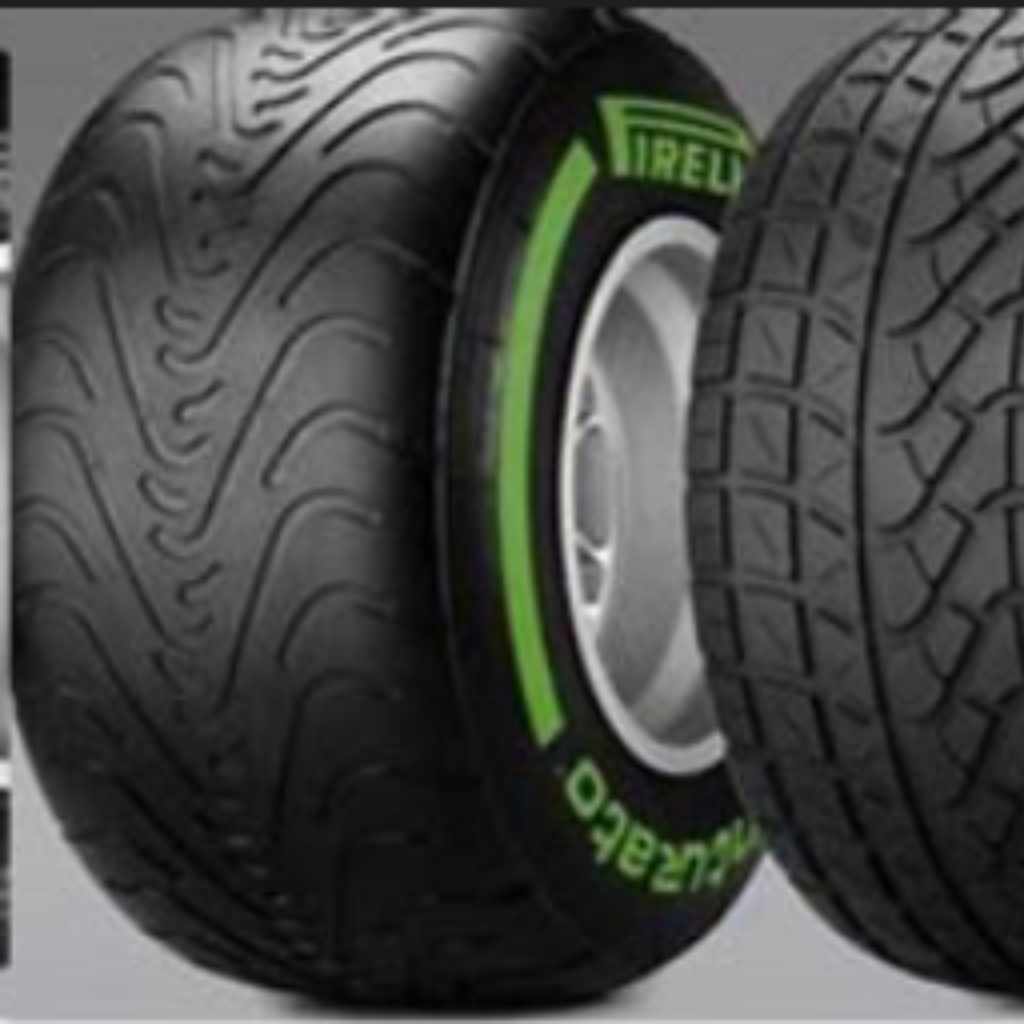
- Tread Patterns: Street tires feature tread patterns. These patterns help remove water from under the tire, preventing hydroplaning. NASCAR tires have minimal or no tread. This maximizes contact with the racing surface.
- Rubber Compounds: Street tires use harder rubber compounds. They have a long lifespan. NASCAR tires use much softer rubber compounds. They prioritize grip, which results in faster wear.
Tread Design: The Battle for Traction
The tread design is another key difference. Street tires usually have complex tread patterns. These treads are designed to provide grip in different weather conditions. They also help channel away water to prevent hydroplaning. NASCAR tires feature a slick design. They usually do not have any tread. The smooth surface increases contact with the track, boosting grip on dry surfaces. This slick design is suitable for a controlled environment. Tread design is carefully adapted to suit the tire’s intended purpose and environment.
- Street Tire Tread: Street tires have tread patterns designed to channel water away. This reduces the risk of hydroplaning and gives reliable grip on wet roads.
- NASCAR Tire Tread: NASCAR tires use a slick design. This maximizes surface contact. It also maximizes grip on dry tracks. This design is best for racing conditions.
- Functionality: Street tire tread design is meant for safety and all-around performance. The tread patterns of NASCAR tires are designed to optimize grip on dry racing surfaces.
- Tread Depth: Street tires start with a larger tread depth. This is for longevity. NASCAR tires have minimal tread depth. This is because they will wear down quickly.
Performance Goals: A Matter of Priorities
The performance goals of street tires and NASCAR tires are very different. Street tires are designed for a variety of conditions. They focus on providing a safe, comfortable, and fuel-efficient driving experience. NASCAR tires are all about speed and grip. Their objective is to maximize performance on the racetrack. Street tires balance various features. NASCAR tires make a strong compromise for grip and performance. This makes them less durable. The objectives have a strong impact on the design of the tires.
- Street Tire Goals: Street tires are designed to provide a balance of comfort, safety, and fuel efficiency. This design makes them work well in a variety of conditions.
- NASCAR Tire Goals: NASCAR tires are designed for maximum grip and speed. This design helps to optimize performance during races.
- Durability vs. Grip: Street tires are built to last a long time, while NASCAR tires wear down quickly. NASCAR tires prioritize grip over durability.
- Performance Metrics: Street tires are judged on fuel economy, noise levels, and comfort. NASCAR tires are measured on lap times and grip levels.
Why Are NASCAR Tires Bald? A Look at Racing Results
The impact of tire wear in NASCAR is apparent when looking at race results. Tire strategy, driver skill, and the car’s setup are linked to the outcome of the races. Tire wear has a direct impact on the race pace, pit stop plans, and the final positions. Knowing how tires are used is important to understanding the races and also helps with the outcomes. The study of races helps to show the importance of tires in racing.
Impact on Race Pace: Lap Times and Consistency
Tire wear significantly influences a driver’s lap times and consistency throughout a race. When tires are fresh, they provide maximum grip. This lets drivers set fast lap times early in a racing segment. As tires wear, grip degrades. This will make lap times slower. The changes can vary. Drivers and teams try to keep consistent lap times to minimize the loss of positions. They also choose driving styles to manage tire wear. Knowing how tires affect the race’s speed helps teams and drivers plan strategies to stay competitive. Managing tire wear is the key to maintaining a quick pace throughout the race.
- Initial Grip Advantage: Fresh tires provide a lot of grip, allowing drivers to set fast lap times and build a lead in the race.
- Lap Time Degradation: As tires wear, grip lessens, and lap times increase. This makes drivers slower. The amount of degradation depends on several factors.
- Consistency and Strategy: Drivers must maintain a consistent pace to manage their position. They need to balance speed with preserving the tires.
- Pit Stop Implications: The rate of tire wear impacts pit stop timing. Teams try to time pit stops to minimize lap time losses.
Pit Stop Strategies: The Art of Timing
Pit stop strategy is extremely important in NASCAR. Teams plan pit stops. This is done to replace tires and change the cars’ setup. Teams use tire wear data to decide how often to pit, and for what type of changes. A good pit stop strategy can help a team gain positions, while a bad strategy can cause a loss. The pit stop timing and the car’s setup can make or break a race. This can depend on the race’s conditions and the competitors. Pit stops are important parts of NASCAR racing. They are key to winning a race.
- Frequency of Stops: Teams plan to pit based on tire wear and how long the tires are lasting. Pit stops are planned to stay in a competitive position.
- Position Gaining: Good pit stops can help teams gain positions on the track. This is done by getting back on the track ahead of their competitors.
- Adjustment Options: Pit stops are used for changes. This can be tire adjustments, or adding fuel, or fixing the car. This can improve the performance.
- Caution Periods: The timing of the caution periods is very important. This often affects pit stop decisions. This can make teams pit at a more ideal time.
Final Race Positions: The Finish Line
In NASCAR, the condition of the tires can directly affect the finish of a race. Drivers who manage their tire wear well and make good pit stop choices are likely to finish in the top positions. Teams that deal with tire problems and poor strategies often will not reach the front of the pack. The outcomes show the effect of tire wear on racing. This shows that tire choices are important in this sport. The performance of the tires decides who wins.
- Strategic Advantage: Drivers who manage their tires well and make good strategic calls are at an advantage. They can maintain speed and gain positions as the race progresses.
- Consequences of Poor Management: Teams that experience tire issues may lose positions or struggle to compete for the win. Poor choices impact the final result.
- Late-Race Performance: The condition of the tires in the closing laps decides the outcome. Drivers with fresher tires often have an edge.
- The Winner’s Edge: The ability to preserve tires while maintaining speed helps drivers win. The winner is usually the one who manages their tires the best.
| Factor | Street Tires | NASCAR Tires |
|---|---|---|
| Rubber Compound | Harder | Softer |
| Tread Pattern | Complex (to remove water) | Slick (to maximize grip) |
| Primary Goal | Durability, Comfort, and Safety | Grip, Performance, and Speed |
Frequently Asked Questions
Question: Why are NASCAR tires so different from street tires?
Answer: NASCAR tires are designed for performance and grip. They are built for the extreme demands of racing. Street tires are made to be durable and provide a safe and stable ride for everyday use.
Question: How does the track surface affect tire wear?
Answer: The track surface, especially its roughness and banking, heavily impacts tire wear. Rougher tracks cause more abrasion, while banking increases the stress on tires during cornering.
Question: What do drivers do to manage tire wear?
Answer: Drivers try to manage tire wear by changing their driving styles. They avoid aggressive maneuvers like hard acceleration or braking, and choose smooth cornering techniques.
Question: Why do teams use pit stops for tire changes?
Answer: Teams use pit stops to replace worn-out tires. This allows the cars to maintain grip and performance. This improves chances of winning the race.
Question: What’s the main goal of NASCAR tire design?
Answer: The primary goal of NASCAR tire design is to maximize grip and performance on the track. These tires are designed for speed and rapid wear.
Final Thoughts
So, Why Are NASCAR Tires Bald? Simply put, it’s all about speed and grip. Race tires use soft rubber compounds that stick to the track. While this gives drivers amazing control and helps them go fast, it also causes the tires to wear out quickly. The track surface, driver technique, and car setup all play a role in how fast the tires wear down. Think about the tire’s construction, tread design, and performance goals. These differences help to achieve high-performance racing. This strategy helps them beat the competition. If you’re interested in NASCAR, remember that tire management is a key part of the sport. Now you can easily see why the tires look like they do! Keep watching races, and you’ll become an expert in no time!