Why Won’t My Car Start When It’s Cold? Troubleshooting Tips
Cold weather can make starting your car difficult. It’s frustrating when your car won’t start on chilly mornings.
This problem can stem from various issues related to the cold temperature. Winter brings many challenges for vehicles. Cold affects battery power, thickens oil, and can even freeze fuel lines. Each of these issues can prevent your car from starting.
Understanding why your car struggles in the cold can help you find solutions. In this blog post, we will explore common reasons why cars refuse to start in cold weather. Whether it’s a weak battery or frozen fuel lines, knowing the cause is the first step to fixing the problem. Stay tuned to learn more about keeping your car running smoothly in the winter.
Credit: www.rac.co.uk
Common Cold Weather Issues
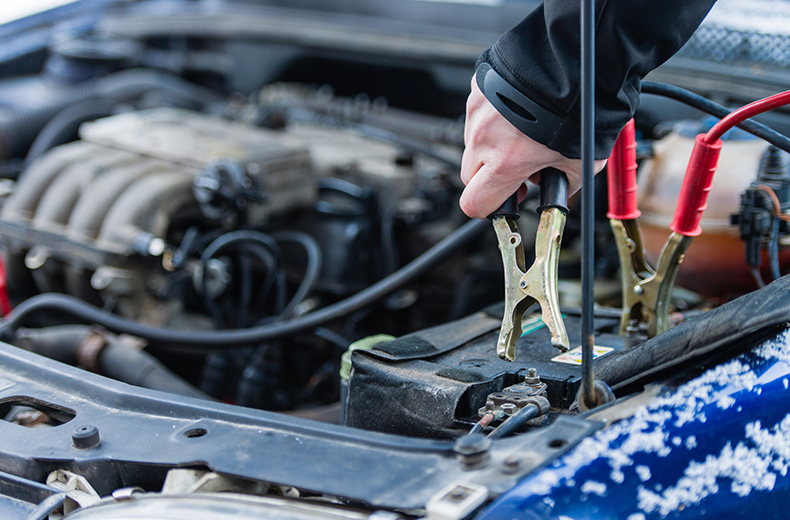
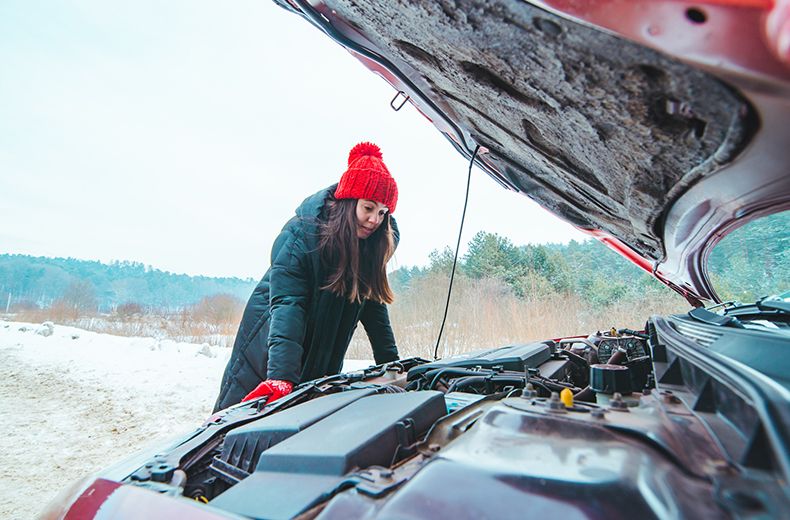
Cold weather can drain your car’s battery. Low temperatures slow down the chemical reactions. This reduces the battery’s power. If the battery is old, it might not work well. Cleaning the battery terminals can help. Make sure the connections are tight. A weak battery can cause many problems. Keep your battery in good shape.
Fuel can thicken in the cold. This makes it hard to flow through the engine. Frozen fuel lines can stop the car from starting. Use a fuel stabilizer to keep the fuel from freezing. Check the fuel filter regularly. A dirty filter can block the fuel. Keeping the fuel system clean helps the car start. Always use good quality fuel.
Credit: www.rac.co.uk
Battery Maintenance
Cold weather can drain your car battery fast. Check the battery health to ensure it works well. Use a voltmeter to check the charge. A healthy battery should read about 12.6 volts. Clean the battery terminals. Corrosion can cause starting issues. Ensure connections are tight and secure. A weak battery might need a replacement.
If the battery is old, it may not hold a charge. Replace old batteries to avoid starting problems. Most car batteries last about three to five years. Check the date on the battery. Newer batteries perform better in cold weather. Install the new battery correctly. Ensure the right fit and size. Dispose of old batteries properly. Many stores offer battery recycling.
Fuel System Solutions
Cold weather can affect the fuel system, causing starting issues. Fuel may not vaporize properly, leading to engine troubles. Regular maintenance can help prevent these problems.
Fuel Line Freezing
Cold weather can freeze the fuel line. This stops fuel from flowing. Frozen fuel lines prevent the car from starting. Use a fuel line antifreeze to help. These products keep fuel lines clear. They prevent freezing in low temperatures. Always keep your gas tank at least half full. This reduces the chance of freezing.
Using Fuel Additives
Fuel additives can help in cold weather. They keep fuel lines clear. Additives prevent fuel from freezing. Some additives improve engine performance. They also clean the fuel system. Follow instructions on the additive bottle. Use the right amount to avoid damage. Additives are easy to use. They are available at auto stores.
Spark Plug Concerns
Cold weather can affect your spark plugs. Check if they are dirty or worn out. Clean dirty spark plugs with a brush. Replace any that look worn or damaged. Spark plugs are vital for starting your car. They create the spark needed to ignite the fuel. Without a good spark, your car won’t start.
Faulty spark plugs can prevent your car from starting. Replace them if necessary. Use the correct type for your car. Follow the manual’s instructions. It’s a simple task but very important. New spark plugs can make a big difference. Your car will start more easily in cold weather.
Engine Oil Considerations
Cold weather can make your car hard to start. Thick oil can slow down engine parts. Synthetic oil is often better in cold weather. It stays thin even when it’s cold. Check your car’s manual for the best oil type. Oil viscosity is important. Numbers like 5W-30 tell you how oil behaves in cold and hot. Choose oil with low first number for winter.
Regular oil changes keep your car running well. Old oil can get thick and dirty. This makes it hard for engine parts to move. Change your oil every 3,000 to 5,000 miles. It’s a simple way to keep your car in good shape. Clean oil helps your car start better in cold weather. Always check oil level and color. Dark oil means it’s time for a change.
Starter Motor Issues
A bad starter can cause many problems. Clicking sounds when you turn the key is a major sign. The engine not turning at all is another. Dim lights when starting the car can also indicate an issue. Sometimes, the car might start, then stop working. These signs can help you identify if the starter needs attention.
Fixing a starter can be tricky. Checking connections is the first step. Make sure the wires are tight. If the starter is bad, it may need replacing. A mechanic can help with this. New starters can be costly, but it’s worth it. Your car will start better in cold weather.
Coolant System Checks
Low coolant levels can stop your car from starting. Check the coolant tank. Make sure the level is between the minimum and maximum marks. If it is low, add more coolant. Always use the correct type for your car.
The coolant mixture should be half water and half antifreeze. This mix helps your car start in cold weather. Too much water can freeze. Too much antifreeze can cause overheating. Check your car’s manual for the right mix.
Credit: www.edwardskia.net
Preventive Measures
Cold weather can cause battery issues, thickened oil, or frozen fuel lines, preventing your car from starting. Regular maintenance and using a block heater can help avoid these problems.
Using Engine Block Heaters
Engine block heaters can keep your car warm. They make it easier to start the engine. Plug in the heater a few hours before driving. This helps the oil stay fluid. Cold oil can be too thick. It can make starting the car hard. A warm engine starts faster. It reduces wear and tear on the engine. Engine block heaters are good for cold winters. They save time and reduce stress. They are easy to use and install.
Regular Vehicle Inspections
Regular inspections keep your car in good shape. Check the battery often. Cold weather can drain the battery. Ensure it has a good charge. Look at the spark plugs. They need to be clean and working. Check the fuel system. Make sure there are no leaks. Inspect the belts and hoses. They should not be cracked. Regular checks help prevent problems. A well-maintained car starts easier in cold weather.
Frequently Asked Questions
How Do I Fix My Car Not Starting In The Cold?
Check the battery and connections. Use a block heater or keep the car in a garage. Ensure oil and fuel are winter-grade.
Is It Normal For A Car Not To Start In The Cold?
Yes, it’s normal for a car to struggle starting in the cold. Cold temperatures can affect the battery and engine performance. Ensure your car is well-maintained and consider using a block heater.
How To Warm Up A Cold Engine That Won’t Start?
Check the battery and connections. Use a block heater to warm the engine. Try starting with jumper cables.
Can A Battery Be Too Cold To Work?
Yes, batteries can become too cold to work effectively. Cold temperatures reduce battery performance, causing slower chemical reactions and decreased capacity.
Conclusion
Cold weather can cause car troubles. Check your battery and fuel system. Ensure your spark plugs work well. Use winter-grade oil for better performance. Regular maintenance helps prevent cold start issues. Keep your car in good shape. This way, you can avoid starting problems and enjoy smooth rides, even in winter.