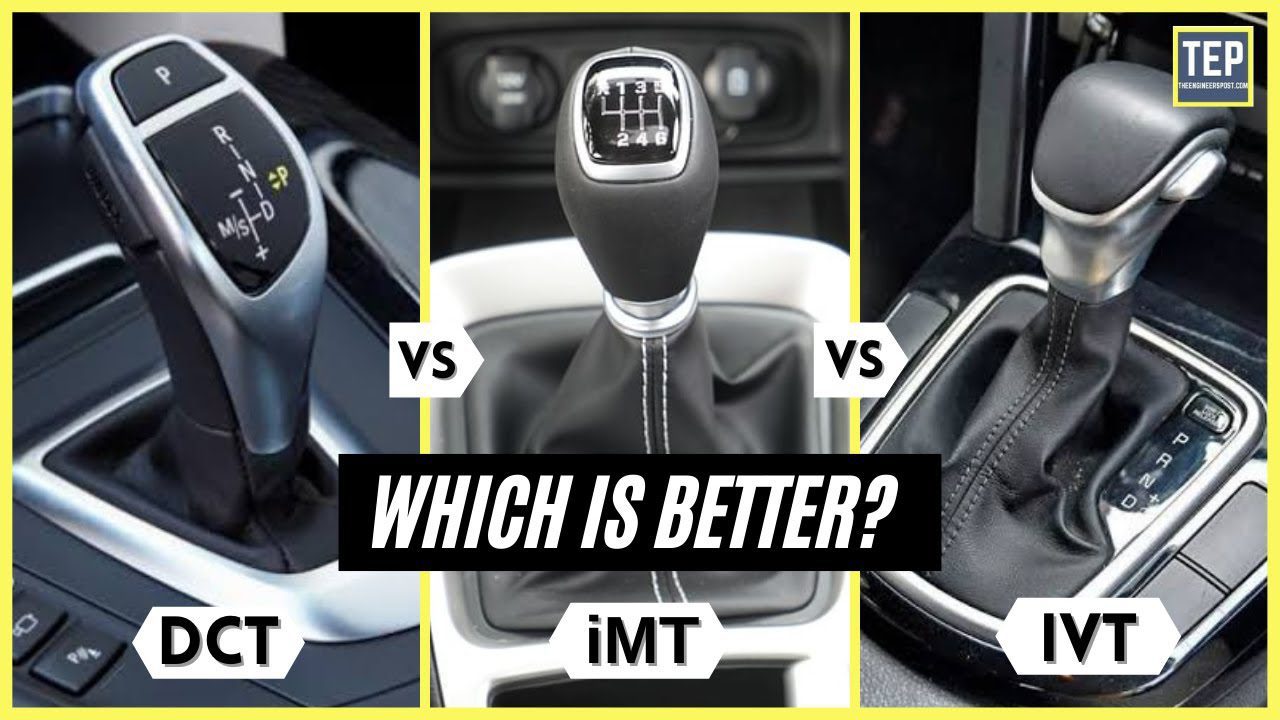
What Is DCT in a Car? Dual-Clutch Transmission Explained
Dual Clutch Transmission (DCT) is a type of automatic transmission. It uses two separate clutches for odd and even gears.
Quick Answer: DCT stands for dual-clutch transmission — an automatic gearbox that uses two separate clutches (one for odd gears, one for even gears) so the next gear is already engaged before you shift, making changes happen in milliseconds. Automakers sell it under different names: Volkswagen/Audi call it DSG, Porsche calls it PDK, and Ford called its version PowerShift.
This system allows for faster and smoother gear changes. DCT is becoming popular in modern cars due to its efficiency. It combines the convenience of an automatic with the performance of a manual transmission. Drivers can enjoy quicker acceleration and better fuel economy.
DCTs are used in many high-performance and luxury vehicles. They offer an engaging driving experience without the need for manual gear shifting. Understanding DCT can help you make an informed choice when buying a car. This blog will explain how DCT works and its benefits. Let’s dive into the world of Dual Clutch Transmissions.
How DCT Works
A Dual Clutch Transmission (DCT) uses two clutches. One clutch handles odd gears. The other clutch manages even gears. These clutches work together to shift gears quickly. This makes driving smooth and fast. No need to press a clutch pedal. The system is automatic. Gears shift in milliseconds.
DCT has several key components. The dual clutches are the main parts. Gear sets are another important part. The control unit manages the shifts. Hydraulic actuators move the clutches. These parts work together. They help the car change gears smoothly.
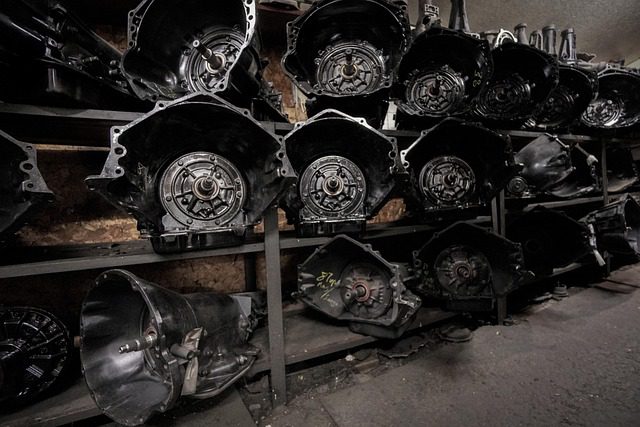
What Automakers Call Their DCT (It’s Not Always Called “DCT”)
One reason DCT confuses shoppers is that most brands use their own trade name instead of the generic term. If you’re comparing cars, here’s what to look for on the spec sheet:
| Automaker | DCT Trade Name | Clutch Type |
|---|---|---|
| Volkswagen / Audi | DSG (Direct-Shift Gearbox) | Wet |
| Porsche | PDK (Porsche-Doppelkupplung) | Wet |
| Ford | PowerShift (discontinued) | Dry |
| BMW | M DCT | Wet |
| Mercedes-AMG | SPEEDSHIFT DCT | Wet |
| Hyundai / Kia | DCT (used as-is), also “N DCT” on N-brand cars | Dry (7-speed) or wet on newer units |
If you’re shopping and want to know which specific cars use a DCT today, see our full list of cars with DCT transmission or our list of cars with dual-clutch transmission.
Benefits Of DCT
A Dual Clutch Transmission (DCT) offers quick gear changes. This improves acceleration. Drivers experience smooth shifts. Gear changes happen in milliseconds. This helps in maintaining speed. Performance cars often use DCT. It makes driving fun and exciting.
DCT can improve fuel efficiency. It uses less energy for gear shifts. The system reduces power loss. This leads to better mileage. Cars with DCT often have lower emissions. Good for the environment. Efficient and eco-friendly.
DCT Maintenance: Fluid and Diagnostic Tools
TRIAX DCT ATF Full Synthetic Dual-Clutch Transmission Fluid (5 Quart)
Best for: Any DCT that calls for OEM-grade dual-clutch fluid, not standard ATF.
Why we picked it: This article explains DCTs need their own specific fluid — this is a full-synthetic option formulated to match OEM specs.
Main drawback: Always confirm the exact spec your manufacturer requires before buying — DCT fluids are not interchangeable across brands.
View Our Pick on Amazon |
Valvoline Dual Clutch Transmission Fluid (Case of 6) A trusted, widely-stocked brand option for scheduled DCT fluid changes. |
Check on Amazon |
 |
FEBI DSG Service Kit (Fluid + Filter + Seals) for VW/Audi A complete service kit if your VW or Audi DSG is due for a full fluid and filter change. |
Check on Amazon |
 |
FOXWELL NT604 Elite OBD2 Scanner (Transmission + ABS + SRS) Reads transmission fault codes directly — useful for catching DCT software glitches early. |
Check on Amazon |
Common Issues
DCTs come in two designs, and which one your car has makes a real difference to reliability: wet-clutch DCTs (like Volkswagen/Audi’s DSG and Porsche’s PDK) run their clutch packs in an oil bath for better cooling and durability, while dry-clutch DCTs (used in some smaller, cheaper cars) skip the oil bath to save weight and cost — but run hotter and wear faster, especially in stop-and-go traffic.
The clearest real-world example of dry-clutch problems is Ford’s PowerShift (DPS6) transmission, used in the 2011-2019 Ford Fiesta and 2012-2018 Ford Focus. Owners reported shuddering, slipping, hesitation, and sudden or delayed acceleration. Ford engineers reportedly flagged concerns about the dry-clutch design before launch. The issue led to a U.S. class-action lawsuit, tentatively settled in 2017, covering roughly 2 million vehicles. It’s the single most-cited cautionary tale about DCT reliability, and it’s specific to dry-clutch designs — wet-clutch DCTs like VW’s DSG have a much stronger reliability track record.
Beyond the wet/dry distinction, DCT cars need special care generally: regular fluid changes (DCTs use their own specific fluid, not standard ATF), staying current on manufacturer software updates, and having any jerky shifts or check-engine lights diagnosed by a shop familiar with dual-clutch systems rather than a generalist.
DCT vs. Manual, Traditional Automatic, and CVT
Manual transmission needs the driver to change gears using a clutch pedal and gear stick. It gives more direct control and can be more engaging to drive, but it takes skill and practice. Traditional automatic (torque-converter) transmissions change gears for you using hydraulic pressure, valves, and sensors — no clutch pedal needed, which is why most drivers prefer them for city driving.
Here’s how all four transmission types stack up directly:
| Type | Shift Speed | Fuel Efficiency | Driving Feel | Typical Reliability |
|---|---|---|---|---|
| Manual | Driver-controlled | Good | Most engaging, most control | Very high (fewest parts) |
| Traditional Automatic | Moderate | Good | Smooth, no driver input | High, well-proven |
| CVT | Continuous (no distinct gears) | Best | Smooth but less “sporty,” can drone under hard acceleration | Good, though belt/pulley wear is a long-term concern |
| DCT | Fastest (milliseconds) | Very good | Sporty, manual-like engagement without a clutch pedal | High for wet-clutch designs; lower for dry-clutch designs |
Popular Car Models With DCT
Luxury cars with Dual Clutch Transmission (DCT) offer smooth rides. They shift gears quickly and efficiently. Brands like BMW, Audi, and Mercedes-Benz use DCT in some models. This technology helps in providing a seamless driving experience. It’s perfect for those who love comfort and performance.
Sports cars with DCT offer fast gear changes. This enhances the thrill of driving. Brands like Porsche, Ferrari, and Lamborghini use DCT in their high-performance models. This allows for quick acceleration and better control. It’s ideal for those who crave speed and precision.
Future Of DCT
DCTs are becoming more advanced. Engineers work on making them better. Faster shifting is a big focus. Smoother rides are also important. New materials help reduce weight. This makes cars more efficient. Smart software controls are also improving. These can predict driver moves. It makes driving easier and safer.
DCTs are popular in sporty cars. Luxury brands also use them. They offer a premium experience. But they are not just for high-end cars. Affordable models are starting to have DCTs too. This makes them accessible to more people. Electric cars also use DCTs. They help manage the electric motor better. The market for DCTs is growing fast.
Consumer Considerations
DCTs often cost more than regular automatic gearboxes. The extra cost comes from more complex parts. Repairs can be more expensive too. But, DCTs offer better fuel efficiency. This can save money over time. Think about your budget. Balance initial cost and long-term savings.
DCTs provide a smooth and quick shifting experience. They make driving fun. You feel less jerking when changing gears. This is great for both city and highway driving. Some drivers love the sporty feel. But, others might prefer the comfort of a regular automatic. Test both types. Choose what feels best for you.
Frequently Asked Questions
Is DCT Manual Or Automatic?
A DCT (Dual-Clutch Transmission) is an automatic transmission. It uses two separate clutches for odd and even gear sets.
Which Is Better DCT Or CVT?
DCT offers faster gear shifts and better performance. CVT provides smoother driving and better fuel efficiency. Choose based on your driving preference.
What Is The Downside Of DCT?
DCT can cause jerky shifts and hesitation at low speeds. It may also be more expensive to repair.
Which Is Better, DCT Or AMT?
DCT offers faster gear shifts and a smoother, more premium feel. AMT (automated manual transmission, sometimes just a single-clutch robotized manual) is cheaper to build and buy but shifts noticeably slower and jerkier. Choose DCT if smoothness and speed matter more than upfront cost.
Is DSG the Same as DCT?
Yes. DSG (Direct-Shift Gearbox) is Volkswagen and Audi’s brand name for their dual-clutch transmission. It’s a wet-clutch DCT, which generally has a stronger reliability record than dry-clutch DCTs like Ford’s discontinued PowerShift.
Is Porsche’s PDK a DCT?
Yes. PDK (Porsche-Doppelkupplung, or “Porsche double clutch”) is Porsche’s name for its wet-clutch dual-clutch transmission, used across most of the current Porsche lineup.
Are Ford’s DCT Transmissions Reliable?
Ford’s dry-clutch PowerShift (DPS6) transmission, used in the 2011-2019 Fiesta and 2012-2018 Focus, had well-documented reliability problems (shuddering, hesitation, and delayed acceleration) that led to a class-action lawsuit settled in 2017. It has since been discontinued. This issue was specific to that dry-clutch design, not to DCTs in general.
Conclusion
DCT in cars offers a smooth and efficient driving experience. It combines the best of manual and automatic transmissions. Many drivers appreciate its quick gear shifts. It also improves fuel efficiency. DCT can enhance performance in many vehicles. Understanding its benefits can help you make informed choices.
Choose a car with DCT for a better drive. Enjoy the modern technology and improved driving dynamics.
Products related to this article
Sponsored / affiliate links. As an Amazon Associate I earn from qualifying purchases. I may earn additional commission from eligible campaigns.