Will Low Oil Cause a Car Not to Start?
Hey there! Picture this: you’re ready to hit the road, you turn the key, and… nothing. Your car won’t start, and you’re left scratching your head. As a car enthusiast who’s spent years tinkering with engines and learning from mechanics, I’ve been in this spot more times than I’d like to admit. One question that kept popping up was, “Will low oil cause a car not to start?”
It’s a fair question, especially since oil is the lifeblood of your engine. I’ve dug into this topic, talked to experts, and even dealt with low oil issues in my car. So, let’s sit down and chat about whether low oil can stop your car from starting, what happens when oil levels drop, and how to keep your engine happy. I’ll break it down in simple terms, sharing my experiences to help you get back on the road.
Understanding the Role of Oil in Your Car
Oil does so much more than you might think. It’s like the superhero of your engine, keeping everything running smoothly. I learned this early on when I started working on my old Honda Civic. Oil lubricates moving parts, reduces friction, cools the engine, and prevents wear. Without enough oil, your engine’s components can grind against each other, causing heat and damage. I once ignored a low oil warning light, and let me tell you, the grinding noise was not music to my ears.
Your car’s engine relies on oil to function properly. It’s pumped through the system by the oil pump, ensuring parts like the pistons, crankshaft, and camshaft move without sticking. If oil levels get too low, these parts don’t get the lubrication they need, which can lead to serious problems. But does low oil stop a car from starting? Let’s dive deeper.
Can Low Oil Prevent a Car from Starting?
This is the big question, and the answer isn’t a simple yes or no. In most cases, low oil alone won’t stop your car from starting. I’ve had my car’s oil dip pretty low, and it still cranked up, though it didn’t sound happy. The starter motor, which gets your engine going, doesn’t rely on oil to function. It’s powered by the battery and electrical system. So, even if your oil is low, the engine should still turn over when you turn the key.
However, extremely low oil levels can cause issues that might prevent starting. If your engine is so low on oil that critical parts seize up, the engine could lock up completely. This happened to a buddy of mine who ignored his oil light for weeks. His engine seized, and the car wouldn’t start at all. It was a costly lesson—his repair bill was over $2,000. So, while low oil might not directly stop your car from starting, it can lead to conditions that do.
How Low Oil Can Indirectly Cause Starting Issues
Let’s talk about the ways low oil can mess with your car’s ability to start. I’ve seen a few scenarios where oil levels played a sneaky role in starting problems.
Engine Seizure from Lack of Lubrication
If your oil level drops dangerously low, the engine’s moving parts can’t glide smoothly. I learned this when I helped a friend diagnose her car that wouldn’t start. We checked the oil, and the dipstick was bone dry. Without oil, the pistons and crankshaft can overheat and fuse, locking the engine. This is rare, but it’s a worst-case scenario. Her car needed a full engine rebuild, which wasn’t cheap.
Oil Pump Failure
The oil pump circulates oil through the engine. If there’s not enough oil, the pump can’t do its job, and it might fail. I had an old truck where the oil pump started making weird noises because I let the oil get too low. A failing pump can starve the engine of lubrication, causing it to overheat or seize. In some cases, this can stop the engine from turning over.
Sensor Issues and Engine Protection Systems
Modern cars are smart. They have sensors that monitor oil levels and pressure. I’ve driven newer models, like a 2018 Toyota Camry, that have low oil pressure warnings. If the oil pressure drops too low, some cars’ computers will prevent the engine from starting to avoid damage. This happened to my neighbor’s Ford Focus—it wouldn’t start until we topped off the oil. The car’s system was protecting the engine, which saved her from a bigger repair bill.
Overheating and Component Damage
Low oil can cause the engine to overheat, which can damage parts like the starter or ignition system. I once had a car that overheated because I didn’t check the oil for months. The heat warped some components, and the car struggled to start until I fixed the underlying issue. Overheating can also cause electrical problems, which might indirectly prevent starting.
Here’s a quick table summarizing how low oil can lead to starting issues:
| Issue | How It Affects Starting |
|---|---|
| Engine Seizure | The car’s computer blocks starting |
| Oil Pump Failure | Stops oil circulation, causing damage |
| Sensor Protection | Damaged components, affecting start-up |
| Overheating | Damages components, affecting start-up |
Signs Your Car’s Oil Is Too Low
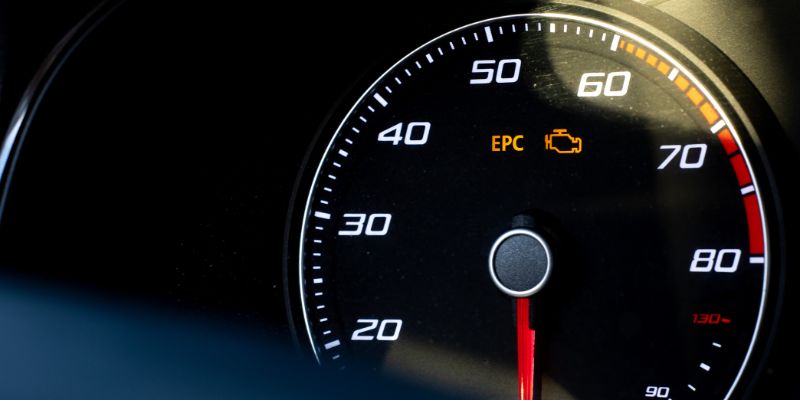
How do you know if low oil is the problem? I’ve learned to spot the warning signs. First, check your dashboard for a low oil pressure light—it looks like a little oil can. My Honda’s light came on once, and I knew I had to act fast. You might also hear strange noises, like grinding or knocking, when the engine’s running. I ignored a ticking sound in my old car, and it turned out to be low oil, causing the valves to struggle.
Another clue is if your car feels sluggish or overheats. I noticed my engine running hotter than usual when the oil was low. Check your oil dipstick regularly—it’s easy. Pull it out, wipe it clean, dip it back in, and pull it out again. If the oil level is below the “low” mark or looks dirty, it’s time to add oil or change it.
What to Do If Your Car Won’t Start Due to Low Oil
If you suspect low oil is causing your car not to start, don’t panic. Here’s what I do when I run into this issue:
- Check the Oil Level: Pop the hood and use the dipstick to check the oil. If it’s low or empty, you’ve found the problem. I keep a quart of oil in my trunk for emergencies.
- Add Oil: Use the oil type recommended in your owner’s manual. For my Honda, it’s 5W-30 synthetic. Pour in a little at a time, checking the dipstick to avoid overfilling.
- Try Starting Again: Once the oil is topped off, try starting the car. If it cranks but doesn’t start, the low oil might have caused other issues, like a seized engine.
- Check for Leaks: Low oil often means a leak. I once found a puddle under my car and traced it to a loose oil filter. Look under your car for oil spots.
- Get Professional Help: If the car still won’t start, call a mechanic. I had to tow my friend’s car to a shop when low oil caused a seized engine.
How to Prevent Low Oil Problems
Prevention is way easier than dealing with a car that won’t start. I’ve learned a few habits to keep my oil levels in check:
- Check Oil Regularly: I check my oil every month or before long trips. It takes two minutes and saves headaches.
- Change Oil on Schedule: Most cars need an oil change every 5,000 to 7,500 miles. I stick to synthetic oil, which lasts longer and protects better.
- Watch for Leaks: After parking, I glance under my car for oil spots. Fixing a small leak early can prevent big problems.
- Use the Right Oil: Your manual lists the right oil type. I made the mistake of using the wrong viscosity once, and my engine didn’t like it.
- Listen to Your Car: Strange noises or warning lights are your car’s way of talking. I never ignore them anymore.
Other Reasons Your Car Might Not Start
Low oil isn’t always the culprit. I’ve had cars refuse to start for all sorts of reasons. A dead battery is a common one—my old Civic’s battery died in the middle of winter, and it had nothing to do with oil. A faulty starter motor can also keep your engine from turning over. I had a starter go bad on my truck, and it made a clicking sound instead of starting.
Other issues include a bad alternator, clogged fuel lines, or a failing ignition system. I once thought my car’s low oil was the problem, but it turned out to be a loose spark plug. If you’ve checked the oil and it’s fine, look at these other possibilities or call a mechanic.
The Cost of Ignoring Low Oil
Ignoring low oil can hit your wallet hard. I learned this when I let my oil run low for too long. A seized engine can cost $2,000 to $7,000 to repair or replace, depending on the car. Even minor damage, like a worn-out oil pump, can run $500 to $1,500. Regular oil changes, on the other hand, cost $30 to $80. I’d rather spend $50 every few months than thousands on repairs.
Low oil can also hurt your fuel economy. My car dropped from 28 to 24 miles per gallon when the oil was low, costing me extra at the pump. Plus, a damaged engine can lower your car’s resale value. I sold a car once and got less because of engine wear from neglected oil changes.
My Personal Experience with Low Oil
A few years back, I was driving my Honda Civic and noticed the oil light flickering. I thought, “I’ll deal with it later.” Big mistake. A week later, the engine started making a grinding noise, and it wouldn’t start one morning. I checked the dipstick, and it was almost dry. I added oil, but the damage was done—the engine had overheated, and I needed a new oil pump. The repair cost me $600, and I vowed never to ignore my oil again.
Since then, I’ve been religious about checking my oil and changing it on time. My current car, a Toyota Corolla, has never had a starting issue because I keep the oil level right. It’s a small effort for a big payoff.
When to Call a Professional
If your car won’t start and you’ve checked the oil, it’s time to call a mechanic. I’ve had to do this a few times when the problem was beyond my skills. A professional can diagnose issues like a seized engine or a failed oil pump. Most shops charge $100 to $150 for a diagnostic, but it’s worth it to avoid guessing. If low oil caused major damage, they can tell you whether a repair or replacement is needed.
I took my friend’s car to a shop when it wouldn’t start due to low oil. The mechanic found a leak in the oil pan gasket, fixed it for $200, and got the car running again. It was a relief to know the engine wasn’t toast.
Choosing the Right Oil for Your Car
Not all oils are the same, and I learned this through trial and error. Your owner’s manual lists the right viscosity, like 5W-20 or 10W-30. Synthetic oil, which I use in my Toyota, lasts longer and handles heat better. It costs a bit more—$50 vs. $30 for conventional—but it’s worth it for engine health. I also stick to trusted brands like Mobil 1 or Castrol, which have good additives to keep the engine clean.
If you’re unsure, ask your mechanic or check the manual. Using the wrong oil can reduce lubrication, which could lead to starting issues down the road. I once used 10W-40 instead of 5W-30, and my engine ran rough until I fixed it.
Why Regular Maintenance Matters
Low oil is just one piece of the puzzle. Regular maintenance keeps your car starting reliably. I change my oil every 6,000 miles, replace air filters yearly, and check fluids monthly. I also get a tune-up every 30,000 miles to keep the spark plugs and ignition system in check. These habits have saved me from countless breakdowns.
I keep a logbook in my glovebox to track maintenance. It’s a simple way to stay on top of things. Since I started doing this, I’ve had fewer surprises, and my car starts like a champ every time.
Conclusion
So, will low oil cause a car not to start? Usually, it won’t directly stop your car, but it can lead to serious issues like engine seizure or sensor shutdowns that prevent starting. I’ve learned the hard way that keeping oil levels right is crucial for a healthy engine. By checking your oil regularly, using the right type, and fixing leaks early, you can avoid costly repairs and keep your car running smoothly. My experiences with low oil taught me to never ignore warning signs, and I hope my tips help you stay on the road without trouble. So, grab that dipstick, check your oil, and drive with confidence. Your car will thank you, and so will your wallet!
FAQs
Can low oil stop my car from starting?
Low oil usually won’t prevent starting, but extremely low levels can cause engine seizure or trigger sensors that stop the car to protect the engine.
How do I know if my oil is too low?
Check the dipstick under the hood. If the oil is below the “low” mark or looks dirty, add the right oil type. A low oil pressure light is another warning.
What happens if I drive with low oil?
Driving with low oil can cause overheating, engine wear, or seizure. I’ve seen it lead to costly repairs, like a $2,000 engine rebuild.
How often should I check my car’s oil?
I check mine every month or before long trips. It takes a minute and catches problems early. Your manual might suggest a schedule, too.
What should I do if my car won’t start and the oil is low?
Add the correct oil until the dipstick shows it’s full, then try starting. If it still won’t start, check for leaks or call a mechanic.
Does the type of oil matter for starting issues?
Yes, using the right oil, like the viscosity in your manual, ensures proper lubrication. The wrong oil can cause engine issues that affect starting.