2026 Honda Civic Tire Size: Complete Guide for Every Trim
You just bought a 2026 Civic and the tires are bald. Or maybe you found a set of used wheels online and you’re not sure they’ll bolt up. Either way, you need the facts, not a forum thread where three people argue about offset for four pages.
This guide covers the 2026 Honda Civic tire size for every trim sold in North America and Europe. You’ll get the exact OEM sizes, wheel specs like bolt pattern and offset, tire pressure numbers for different loads, and which alternative sizes won’t mess up your speedometer. No fluff, no guesswork.

Fullway
Fullway HP108 205/55R16 91V SL All Season…
- Product Overview: The Fullway HP108 are 205/55R16 91V SL-Standard Load, 4 Ply Rated Performance Tires Manufactured For Passengers
- Driving Conditions: All Season Traction, UTQG 380AA
- Styling and Construction: Four Black Sidewall, Radial Construction, 16 Inch Tires
If you’re replacing all four tires and want a solid all-season option, the Fullway HP108 205/55R16 fits the EX and Si trims perfectly. It’s a V-rated tire (good to 149 mph) with a 380AA treadwear rating, so it handles daily driving and occasional highway sprints without complaint. Worth a look if you want value without sacrificing grip.
Quick Answer: 2026 Honda Civic Tire Sizes by Trim
Here’s the short version. The 2026 Civic came with three factory tire sizes depending on trim and market. US models used 14-inch wheels on base trims, 15-inch on the LX, and 16-inch on the EX and Si. European models had their own mix, which we’ll break down below.
| Market | Trim | Factory Tire Size | Wheel Diameter | Bolt Pattern |
|---|---|---|---|---|
| US | DX, LX | 185/70R14 | 14-inch | 4×100 |
| US | LX (optional) | 195/60R15 | 15-inch | 4×100 |
| US | EX, Si | 195/60R15 | 15-inch | 4×100 |
| US | EX (optional) | 205/55R16 | 16-inch | 4×100 |
| Europe | 1.4i, 1.6i (base) | 185/70R14 | 14-inch | 4×100 |
| Europe | 1.6i Sport, 1.7 CTDi | 195/60R15 | 15-inch | 4×100 |
| Europe | Type R (EP3) | 205/45R17 | 17-inch | 5×114.3 |
Notice the Type R uses a different bolt pattern (5×114.3) than every other 2026 Civic. That’s a critical difference if you’re swapping wheels between a standard Civic and a Type R — they will not interchange.
2026 Honda Civic Wheel Specs (Bolt Pattern, Offset, Center Bore)
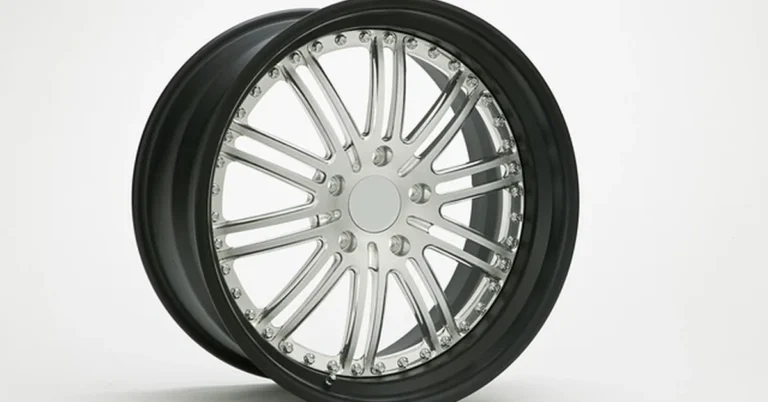
Wheel fitment comes down to four numbers: bolt pattern (PCD), offset, center bore, and lug nut size. Get one wrong and the wheel either won’t mount or will vibrate at speed.
Bolt pattern: 4×100 for all standard trims (DX, LX, EX, Si, and European non-Type R models). The 4 means four lug nuts, and 100 is the diameter in millimeters of the circle through the center of the lug holes.
Offset: +45mm for 14-inch and 15-inch wheels, +55mm for 16-inch wheels. Offset is the distance from the wheel’s mounting surface to its centerline. A higher number pushes the wheel inward toward the suspension. If you install a wheel with too low an offset (like +35mm), the tire will rub the fender lip on bumps.
Center bore: 56.1mm. This is the hole in the center of the wheel that fits over the hub. If you buy aftermarket wheels with a larger center bore (like 73.1mm, common on many aftermarket brands), you’ll need hub-centric rings to avoid vibration. The rings fill the gap so the wheel centers properly on the hub.
Lug nuts: 12mm x 1.5 thread pitch. The factory uses a conical (tapered) seat. If you install aftermarket wheels, check whether they need a different lug nut seat style (ball seat or shank-style). Using the wrong seat can loosen over time and damage the wheel.
Trim-Level Breakdown (US and European Models)
Here’s where things get confusing. The US and European 2026 Civics are different cars under the skin. The US got the seventh-generation sedan and coupe (chassis codes ES, EP, EM, EU). Europe got a different body style with different engines and some different wheel specs.
US Market (DX, LX, EX, Si)
The base DX came with 14-inch steel wheels and 185/70R14 tires. It’s a narrow tire that prioritizes fuel economy and a soft ride over grip. If you have a DX, you can upgrade to 15-inch wheels from an EX, but you’ll need to check the speedometer difference (more on that below).
The LX got 15-inch steel wheels as standard with 195/60R15 tires. The EX and Si both used 15-inch alloy wheels with the same 195/60R15 size. The Si had a slightly different wheel design but the same dimensions.
If you have an EX with the optional 16-inch wheels, those came with 205/55R16 tires. This is the largest factory size for a standard US Civic. The 16-inch wheels have a +55mm offset, which is unusual — most aftermarket 16-inch wheels for this car are +45mm. That’s fine, but it means the tire sits about 10mm closer to the fender.
European Market (1.4i, 1.6i, 1.7 CTDi, etc.)
European trims followed a similar pattern but with different names. The base 1.4i and 1.6i models used 185/70R14 on steel wheels. The 1.6i Sport and the diesel 1.7 CTDi got 15-inch alloys with 195/60R15.
The big exception is the Civic Type R (EP3), which used 17-inch wheels with 205/45R17 tires and a 5×114.3 bolt pattern. That’s a completely different hub design, so none of the standard Civic wheels fit the Type R, and vice versa.
One more European quirk: some early 2026 models with the i-DSI engine (1.6L) came with 14-inch wheels that have a different offset (+45mm vs. the standard +45mm on US models — actually the same, but the wheel width differs). The 14-inch European steel wheels are 5.5J wide, while US 14-inch wheels are 5J. It’s a minor difference, but it matters if you’re buying used wheels from overseas.
Tire Pressure Recommendations (Front, Rear, and Load)
Tire pressure isn’t a single number. It changes with load and driving conditions. Honda’s official numbers for the 2026 Civic are straightforward.
Normal load (up to 2 passengers): 32 psi front, 30 psi rear. This applies to all trims and tire sizes.
Full load (4-5 passengers or cargo): 33 psi front, 36 psi rear. The rear gets more pressure to handle the extra weight and prevent excessive sidewall flex.
Highway driving: Stick with the normal load numbers unless you’re carrying a full car. Many drivers run 35 psi all around for better fuel economy, but that makes the ride noticeably harsher. The trade-off isn’t worth it on a car this old with a suspension that’s already seen 20+ years of use.
Check pressures when the tires are cold — meaning the car hasn’t been driven for at least three hours. Pressures rise 2-3 psi when hot, so a reading of 35 psi on a warm tire is actually 32-33 psi cold.
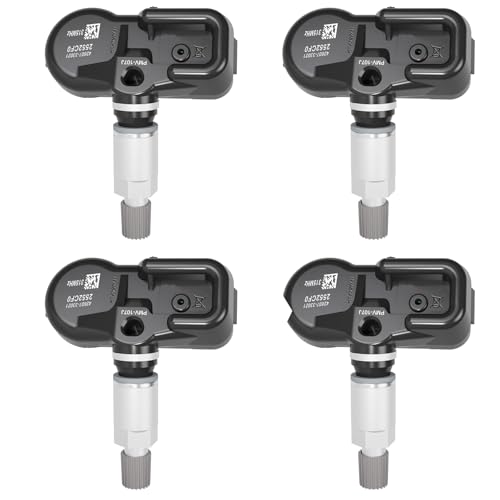
The 2026 Civic does not have TPMS (tire pressure monitoring system). That system didn’t become mandatory in the US until 2026 model year. So you won’t get a warning light — you have to check pressures manually. If you’re used to newer cars, this is an easy thing to forget. Set a reminder on your phone for the first of every month.

Can You Use Alternative Tire Sizes? (Plus Sizing and Speedometer Impact)
Here’s the myth-busting part. Many owners want to fit wider tires for better grip, but the 2026 Civic’s suspension and fenders weren’t designed for much more than the factory sizes.
Can you put 205/55R16 on a 15-inch rim? No. The 16 in 205/55R16 refers to the wheel diameter. A 16-inch tire physically won’t mount on a 15-inch wheel. If you want 205 width on a 15-inch wheel, you’d need 205/60R15, which is slightly taller than the factory 195/60R15.
What about 205/50R16 instead of 205/55R16? You can, but it changes your speedometer. The 205/50R16 is about 2% smaller in diameter than the factory 205/55R16. At 60 mph, your speedometer would read about 61 mph. It also lowers the car by about 0.4 inches, which slightly reduces ground clearance.
Going wider than 205 on the front? The 2026 Civic has a narrow engine bay and tight fender clearances. 215/45R16 will fit on some trims but rubs the fender liner at full lock on others. The Si is the worst — its suspension geometry puts the front wheels closer to the fenders. If you want 215s, plan on rolling the fenders or adding camber. That’s more work than most owners want.
The safest alternative sizes for the 2026 Civic are:
- 195/60R15 (factory on LX, EX, Si) — stick with this unless you have a reason to change
- 205/55R16 (factory on EX with 16-inch wheels) — good for a slightly wider footprint
- 185/70R14 (factory on DX) — don’t go narrower than this
If you change tire diameter by more than 3%, your speedometer will be off enough to matter. At 70 mph, a 3% error is about 2 mph. Not huge, but it adds up over a year of driving, and it can throw off your odometer — which matters if you’re tracking fuel economy or selling the car.
For a simple upgrade path, the Fullway HP108 in 205/55R16 mentioned earlier is a direct fit for the EX trim with 16-inch wheels. It’s a standard load tire rated for 1,356 pounds per tire, which is more than enough for the Civic’s ~2,400-pound curb weight.
How to Measure Bolt Pattern and Offset Yourself
If you’re buying used wheels or just want to verify what’s on your car, here’s how to measure the critical specs without any special tools.
Bolt pattern (4-lug): Measure from the center of one lug hole to the center of the opposite lug hole. On a 4-lug wheel, the opposite hole is directly across. Use a ruler or caliper. For the 2026 Civic, that distance should be 100mm. If you don’t have a metric ruler, 100mm is 3.94 inches.
Offset: Lay the wheel face-down on a flat surface with a straight edge across the back of the wheel. Measure the distance from the mounting surface to the straight edge. That’s the backspacing. Then measure the wheel width (the distance between the inner bead seats, not the outer edges). Offset = backspacing minus (wheel width divided by 2). For a 15×6 wheel with +45mm offset, backspacing is about 135mm.
Center bore: Measure the diameter of the center hole with a caliper. On a 2026 Civic wheel, it’s 56.1mm. Aftermarket wheels often have larger bores. If you buy used wheels, check this before mounting tires — a wheel with the wrong center bore will vibrate at highway speed even if the lug nuts are torqued correctly.
Lug nut torque: 80 ft-lbs for the 2026 Civic. Tighten in a star pattern, not in a circle. Re-torque after 50-100 miles if you’ve just installed new wheels or tires.
Frequently Asked Questions
What is the stock rim size for a 2026 Civic?
The stock rim size depends on trim. The base DX uses 14-inch rims (5J wide). The LX, EX, and Si use 15-inch rims (6J wide). The EX with the optional package uses 16-inch rims (6.5J wide). The European Type R uses 17-inch rims. If you’re not sure what you have, check the tire sidewall — the last number before the R is the rim diameter.
Do all 2026 Civic trims use the same bolt pattern?
No. Standard trims (DX, LX, EX, Si, and all non-Type R European models) use 4×100. The Type R uses 5×114.3. These are not interchangeable. If you have a standard Civic and try to install Type R wheels, they won’t bolt on. If you have a Type R and try to install standard Civic wheels, same problem.
What is the recommended tire pressure for highway driving?
For normal loads (one or two people, no heavy cargo), use 32 psi front and 30 psi rear on the highway. If you’re carrying a full car or a lot of luggage, increase the rear to 36 psi. Don’t exceed 40 psi in any tire — the ride gets harsh and the center of the tread wears faster than the edges.
Can I use 16-inch wheels from a 2026 Civic on my 2026?
Yes, with one caveat. The 2026 Civic is the same generation (seventh-gen, 2026-2026), so the bolt pattern (4×100) and center bore (56.1mm) are identical. The 16-inch wheels from a 2026 EX will fit a 2026 EX or Si. But if you’re putting them on a DX or LX, you’ll need to check that the tire size (205/55R16) doesn’t rub. It usually doesn’t, but the DX has different front springs that sit slightly lower, so test with the wheels turned to full lock.
Does the 2026 Civic have TPMS sensors?
No. The 2026 Civic was built before TPMS became mandatory in the US (2026 model year). You won’t find sensor warnings on the dash. If you buy aftermarket wheels, you don’t need to worry about transferring sensors — there aren’t any. Just check your tire pressures manually every few weeks. This also means you can swap wheels freely without dealing with sensor programming.
What to Do With This Information
You now have the complete picture for the 2026 Honda Civic tire size. Here’s what matters most:
- Standard trims use 4×100 bolt pattern with 56.1mm center bore — the Type R is the only exception with 5×114.3.
- Factory tire sizes are 185/70R14 (DX), 195/60R15 (LX, EX, Si), and 205/55R16 (EX with optional wheels).
- Tire pressure is 32 psi front / 30 psi rear for normal loads, and 33 psi front / 36 psi rear for full loads.
- Stick with the factory sizes unless you’re prepared for speedometer error and possible fender rubbing.
- If you want 205/55R16 tires, the Fullway HP108 is a direct-fit option for EX trims with 16-inch wheels.
- Check your lug nut torque at 80 ft-lbs after any wheel installation.
- No TPMS on this car — set a monthly reminder to check pressures manually.
One last note: if you’re buying used wheels, verify the offset before you hand over cash. A set of wheels with +35mm offset looks aggressive but will rub your fenders on every bump. It’s a 10-minute measurement that saves you a headache later. And if you’re dealing with tire pressure issues on a newer Civic, the process is different — check out this guide for the 2026 model if you need that instead. For the 2026, you’re set.
Products related to this article
Sponsored / affiliate links. As an Amazon Associate I earn from qualifying purchases. I may earn additional commission from eligible campaigns.