2026 BMW X5 4.4i Review: The Survivor’s Guide to Ownership
You see a 2026 BMW X5 4.4i for sale. The price is tempting, the V8 growl sounds fantastic, and the interior still looks modern. Then the doubt creeps in. You’ve heard the horror stories about the N62 engine: oil consumption, timing chain guides, coolant leaks. It’s enough to make anyone walk away.
This review is not a standard test drive summary. It’s a survivor’s guide. I’ve spent time with these trucks, talked to owners who have crossed 150,000 miles, and worked with mechanics who fix them for a living. You’ll walk away knowing exactly what to check before buying, what to fix proactively, and what a realistic annual budget looks like. No sugarcoating, just the facts you need to decide if the 4.4i is a smart purchase or a money pit.

CARTIST
Cartist Floor Mats and Cargo Liner Fit…
- Accessories for X5 -- This full set of floor mats and cargo liner is custom made for the BMW X5 2019 2020 2021 2022 2023 2024 2025…
- New & Upgraded Materials -- The X5 floor mats and cargo liner are made of new materials TPE, which is eco-friendly, non-toxic, and…
- Durable& Scratch Resistance -- High-density TPE materials ensure high elasticity to make the X5 floor mats and cargo liner wear-re…
Before you go shopping, consider protecting the interior you’re about to invest in. The OEM carpets in these X5s are plush but thin, and they show wear quickly. A set of all-weather floor mats can save you from the headache of deep-cleaning mud and salt out of the factory carpet, keeping the cabin presentable for years.
Engine & Performance: The N62 V8 Deep Dive
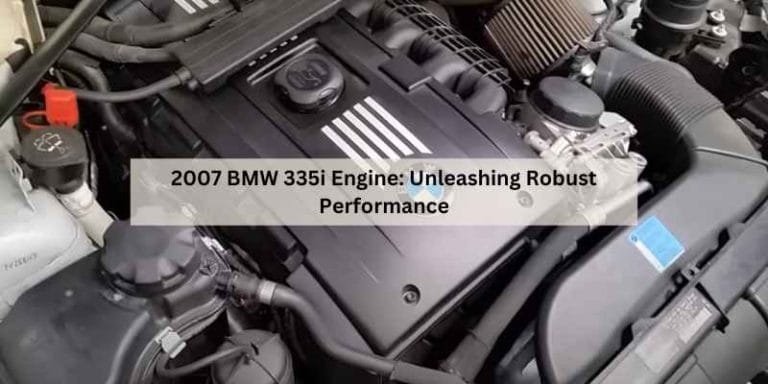
The 4.4i uses the N62B44, a 4.4-liter V8 making 315 horsepower and 330 lb-ft of torque. This engine is a masterpiece of smoothness. It revs freely, sounds aggressive, and delivers power in a linear wave that makes you forget you’re driving a two-and-a-half-ton SUV.
0-60 Times and Real-World Power Delivery
BMW claimed a 6.4-second 0-60 mph time when new. In 2026, with 100,000 miles on the clock, you’ll be closer to 7 seconds if the transmission shifts well. That’s still quick for a vehicle this size. The real joy is the mid-range pull. Passing on the highway requires zero planning; just press the pedal and the V8 surges forward with a muted roar.
But the power delivery has a quirk. The throttle mapping is aggressive from a standstill. It feels twitchy in parking lots. You’ll get used to it, but it takes a day or two to modulate smoothly. The six-speed automatic (ZF 6HP26) is generally smooth, but it can hesitate when asked for a sudden downshift while coasting.
xDrive AWD System: Capability and Quirks
This is the first X5 generation to offer BMW’s xDrive system. It’s a full-time all-wheel-drive setup that varies torque between front and rear axles. In snow and rain, it inspires confidence. The system works silently in the background, catching wheel slip before you even feel it.
There is one significant quirk to know about. If you mix tire sizes or have uneven tread depth, the xDrive system can get confused. It monitors wheel speed constantly, and mismatched tires cause it to think the wheels are slipping. This triggers dashboard warning lights and can even engage the brakes. Always replace tires in sets of four on this vehicle. It’s non-negotiable.
The 4.4i’s Achilles Heel: Reliability and Common Failures
Let’s address the elephant in the room. The N62 engine has a reputation, and it’s not entirely undeserved. However, most of the catastrophic failures are predictable. If you know what to look for, you can prevent them or budget for them.
Valve Stem Seals and Oil Consumption
The most infamous issue is valve stem seal failure. As these seals harden, oil seeps past them and burns in the combustion chamber. The classic symptom is a puff of blue smoke from the exhaust after the car idles for a minute or two, then you accelerate. It’s most noticeable at stoplights.
This is not a cheap fix. The cylinder heads have to be removed to replace the seals. A shop will charge you anywhere from $2,500 to $4,000 for this job, mostly in labor. There is an aftermarket tool that allows you to replace the seals without pulling the heads, but it’s risky and often leaves debris in the cylinder. Most reputable shops won’t do it. Your best defense is to check the oil level every 500 miles and keep it topped off. Ignoring it can lead to catalytic converter damage, which adds another $2,000 to the bill.
Cooling System and Timing Chain Guide Failures
The cooling system is a known weak point. The plastic coolant expansion tank becomes brittle with heat cycles. It will crack, usually at the seam, and dump coolant on the ground. The fix is simple and cheap — a new tank costs about $80 and takes an hour to install. The problem is that most owners ignore the warning signs until the engine overheats, which can warp the aluminum heads. Replace the tank and all hoses every 60,000 miles, regardless of condition.
Timing chain guide failures are the other major concern. The plastic guides wear down over time. You’ll hear a rattling noise on a cold start, especially from the front of the engine. If you hear this, stop driving the car immediately. If the guides break completely, the chain can skip, and the engine will destroy itself. The repair involves removing the engine or dropping the subframe. Budget $3,500 to $5,000 for this job if it hasn’t been done. Check service records for this before you buy.
Cost of Ownership: A Realistic 5-Year Budget
You need to be honest with yourself about the running costs. The purchase price is low, but the maintenance is not. This is a $60,000 vehicle from 2026, and parts prices reflect that original MSRP.
Parts vs. Labor Costs for Major Repairs
Here is a breakdown of common repair costs, separating parts from labor, so you know where your money goes.
| Repair Item | Parts Cost | Labor Cost | Total Estimate |
|---|---|---|---|
| Valve Stem Seals | $400 – $600 | $2,100 – $3,400 | $2,500 – $4,000 |
| Timing Chain Guides | $800 – $1,200 | $2,700 – $3,800 | $3,500 – $5,000 |
| Coolant Expansion Tank | $80 – $120 | $100 – $200 | $180 – $320 |
| Alternator (with bracket gasket) | $350 – $500 | $300 – $500 | $650 – $1,000 |
| Transmission Fluid Service | $150 – $250 | $200 – $300 | $350 – $550 |
The alternator gasket is a sneaky one. The N62’s alternator sits low in the V of the engine, and the oil filter housing gasket leaks oil directly onto it. This kills the alternator over time. You’ll often replace the alternator and the gasket together, which is a labor-intensive job due to the location.
Insurance and Fuel Economy Reality Check
Fuel economy is the real budget killer. In mixed driving, expect 14 to 15 mpg. On a pure highway cruise, you might see 19 mpg if you keep it under 70 mph. City driving will drop that to 12 mpg. This is a thirsty engine, and you’ll be filling up often. Over a year of 12,000 miles, you’ll spend roughly $2,400 on fuel at current prices.
Insurance is surprisingly reasonable for a luxury SUV. Because the vehicle’s book value is low, collision and comprehensive coverage are cheap. You’ll pay about the same as you would for a 2026 Honda Civic. The bigger risk is the breakdown coverage. Many owners opt for a third-party warranty, which can cost $2,000 to $3,000 a year. Do the math on whether that’s worth it versus just setting aside $200 a month for repairs.
Interior Quality and Daily Usability in 2026
Step inside, and you’ll find a cabin that has aged well. The materials are high-quality, and the seats are exceptionally comfortable for long drives. The front seats offer multiple power adjustments, and the driving position is commanding. Rear legroom is adequate for adults, though not generous by modern standards.
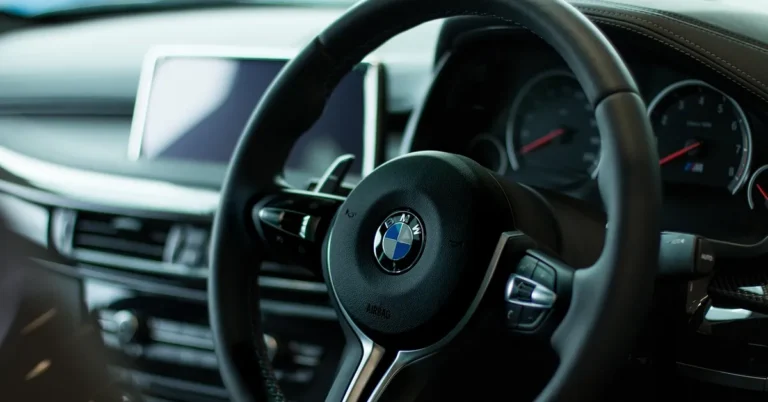
The iDrive system is the biggest issue for daily use. The 2026 model has the first-generation system with a small screen and a clunky controller. It’s slow, and the menu structure is confusing. You’ll mostly use it for the radio and climate controls, which are buried in the submenus. It’s a frustration point, but you learn to live with it. The dashboard warning lights can be intrusive, but most are related to the emissions system or the tire pressure monitors, which are cheap to sort out.
The cargo area is practical. The rear seats fold flat, and there’s a decent amount of space for luggage or sports gear. The split tailgate is a nice touch — you can sit on the lower half while changing shoes at the trailhead.
4.4i vs. 4.8is vs. 3.0i: Which One to Buy?
If you’re looking at the E53 X5, you have three engine choices. The 3.0i has the M54 inline-six, which is notoriously reliable. The 4.8is is the high-performance model with 355 horsepower and an updated N62 engine. The 4.4i sits in the middle.
For daily-driver livability, the 4.4i is the sweet spot. It has enough power to feel quick, but it doesn’t have the harsh ride of the 4.8is, which rides on 20-inch wheels and sport-tuned suspension. The 4.8is also uses more fuel — expect 12 mpg in town. The 3.0i is the smart financial choice. It’s cheaper to maintain, uses less fuel (18 mpg), and is easier to work on. The trade-off is power; it has only 225 horsepower, which feels adequate but not exciting.
Here’s a quick comparison table:
| Model | Engine | Horsepower | 0-60 mph | Real-World MPG | Reliability |
|---|---|---|---|---|---|
| 4.4i | 4.4L V8 (N62) | 315 hp | 6.4 sec | 14-15 mpg | Moderate |
| 4.8is | 4.8L V8 (N62) | 355 hp | 5.4 sec | 12-13 mpg | Moderate |
| 3.0i | 3.0L I6 (M54) | 225 hp | 8.2 sec | 17-18 mpg | High |
My advice? If you want the V8 experience and can handle the maintenance, the 4.4i is the one to get. If you want a reliable daily driver that won’t drain your bank account, look for a 3.0i. Avoid the 4.8is unless you have deep pockets for fuel and repairs.
30-Minute Pre-Purchase Inspection Checklist
You can learn a lot about a 4.4i in half an hour. Bring a flashlight and a code reader, and work through this checklist before you hand over any money.
- Cold Start Test: Start the engine in the morning or after it has sat for 4+ hours. Listen for a rattling noise from the front of the engine (timing chain guides). Watch the exhaust for blue smoke (valve stem seals).
- Check the Coolant: Look at the expansion tank. Is it discolored or cracked? Is the coolant level low? Check for white residue around the tank, which indicates a leak.
- Oil Condition: Pull the dipstick. Is the oil dark and sludgy? Does it smell like fuel? Check the oil filter housing area for leaks, which will be visible as black residue on the engine block.
- Transmission Behavior: Drive the car on a mix of roads. Does the transmission shift smoothly? Does it hesitate when you accelerate from a stop? Check the fluid level if the car is warm (it’s a sealed unit, but there’s a fill plug).
- Dashboard Lights: Turn the ignition on and check all warning lights. The 4×4 light is a common issue. If it’s on, the xDrive system may have a fault, which can be expensive to diagnose.
- Check the VIN: Before you even look at the car, run the VIN through BMW’s recall lookup tool. You’ll find any open safety recalls and service bulletins. This is free and takes two minutes. It can reveal if the airbags have been replaced or if there are any outstanding issues.
- Look Underneath: Get on your back and check for oil drips on the skid plate. A little seepage is normal, but a steady drip is a red flag.
If any of these checks fail, negotiate the price down or walk away. The 4.4i is a great car, but only if you buy one that has been maintained or you’re willing to budget for the repairs.
Final Verdict: Is It Worth the Headache?
So, is the 2026 BMW X5 4.4i worth it? It depends entirely on your expectations. If you want a cheap luxury SUV and you’re not prepared for repair bills, you’ll hate it. If you go in with your eyes open, budget for the known issues, and find a well-maintained example, it’s one of the most rewarding vehicles to drive from that era.
The V8 engine is a gem. The xDrive system is genuinely capable. The interior is a lovely place to spend time. But it’s a car that demands respect and maintenance. It’s not a set-and-forget vehicle.
- Budget $2,000 to $3,000 per year for maintenance and repairs on top of fuel.
- Check the oil level every 500 miles and top off as needed.
- Replace the coolant expansion tank and hoses every 60,000 miles as preventive maintenance.
- Listen for timing chain rattle on cold starts; if you hear it, walk away or negotiate hard.
- Always replace tires in sets of four to avoid xDrive issues.
- Run the VIN through the BMW recall lookup before buying.
- Find a mechanic who specializes in BMWs; a general shop will cost you more in the long run.
For more on the N62 engine’s quirks, you can read about the 2026 BMW 750Li problems which shares the same powerplant. And if you’re considering a smaller BMW, the 2026 BMW X3 xDrive35i offers a more modern, reliable alternative. Finally, check our guide on BMW service requirements to understand your options.
Products related to this article
Sponsored / affiliate links. As an Amazon Associate I earn from qualifying purchases. I may earn additional commission from eligible campaigns.