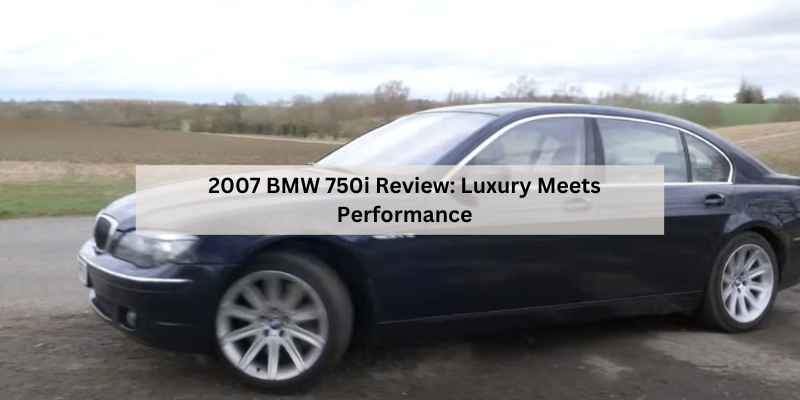
2026 BMW 750i Review: The $5,000 Question Nobody Wants to Answer
You see one parked at a coffee shop with a for-sale sign in the window. It’s a 2026 BMW 750i, and the asking price is less than what a new Kia Rio costs. The paint is deep black, the chrome is still bright, and the interior looks like a first-class lounge. Your brain says luxury for pennies. Your wallet says run.
I’ve spent years working on these E65-generation cars, and I know exactly what happens after that first test drive. The 750i is a brilliant machine when everything works, but that is a conditional ‘when.’ This review covers the real ownership experience: the engine, the electronics, the suspension, and what it actually costs to keep one on the road. You’ll know if this car is a smart buy or a money pit before you hand over a dime.

Nilight
Nilight TPE Floor Mats for BMW 740i…
- DIRECT FIT - These custom made floor mats are perfectly tailored to compatible with BMW 740i 750i M 760i xDrive (G12)2016-2023
- DURABILITY - Nilight's heavy duty mats are constructed from high-quality TPE can stand up to years of wear and tear especially com…
- SEAMLESS PROTECTION - Nilight's floor mats protect your upholstery from big spills as well as the smallest sand particles. No matt…
Before diving into the mechanical details, a quick note on protecting your investment. The cabin of a 2026 750i is plush, but the original carpet mats are thin and offer zero protection against winter slush or spilled coffee. A set of Nilight TPE floor mats for the G12 generation (2026-2026) uses the same heavy-duty rubberized material that shrugs off water and dirt. They are a smart upgrade if you plan to drive this car in anything other than perfect weather.
The N62 V8: More Than Just a Noise Maker
The 2026 750i uses a 4.8-liter N62 V8. It makes 360 horsepower and 360 lb-ft of torque. Those numbers still feel quick today, especially with the six-speed automatic shifting smoothly. The engine pulls hard from 2,500 rpm all the way to redline, and the exhaust note has a muted V8 burble that never gets old.
But here is where the myth-busting starts. Many people think the N62 is a fragile engine that will explode without warning. The truth is more nuanced. The bottom end is robust. The block and internals handle track-day abuse without complaint. The real problems live in the accessories and the valve train.
Valve stem seals are the big one. On high-mileage examples, you will see blue smoke puffing out of the tailpipes after the car idles for a minute. That is oil leaking past worn seals into the combustion chambers. The repair involves removing the cylinder heads, which is a 20-hour job at a shop. Expect a bill around $3,500 to $4,500. This is not an ‘if’ failure on a 2026 model. It is a ‘when’ failure.
The alternator sits in the V of the engine, tucked under the intake manifold. It is water-cooled, which sounds fancy until it leaks. Coolant drips into the alternator and kills it. Replacing it requires removing the radiator fan and the intake manifold. The part itself costs about $400, but the labor pushes the total to $1,200 or more.
Oil leaks are also common. The valve cover gaskets and the oil filter housing gasket will leak by 100,000 miles. These are not catastrophic failures, but they make a mess and create a burning smell. Fix them early. Ignoring them leads to oil dripping onto the serpentine belt, which then slips off and leaves you stranded.
Air Suspension: The Luxury Tax You Pay Twice
The 2026 750i rides on air springs at all four corners. The ride quality is genuinely excellent. It absorbs bumps like a magic carpet, and the self-leveling feature keeps the car perfectly flat even with four passengers and a full trunk. On the highway, it is one of the most comfortable cars ever made.
Here is the catch. The air suspension fails. It is not a matter of luck. The rubber air springs develop micro-cracks over time, and eventually, one of them leaks. You will come out to the garage in the morning and find the rear of the car sitting on the bump stops. The compressor runs constantly to try to level the car, and it eventually burns out.
The fix is straightforward but expensive. Each air spring costs around $250 to $350 for an aftermarket unit. The OEM parts are double that. The compressor adds another $400. Labor for replacing all four springs and the compressor runs about $800. Total cost is around $2,000 to $2,500.
There is a popular workaround: converting to conventional coil springs. A coil conversion kit costs about $600 and eliminates the air suspension entirely. It changes the ride quality, making it slightly firmer and less floaty. But it also removes the most expensive failure point on the entire car. Many owners do this conversion and never look back.
My honest opinion: if you buy a 750i, budget for the coil conversion upfront. It saves you money in the long run and makes the car more reliable. The only downside is that you lose the self-leveling feature, which matters if you regularly tow or carry heavy loads.
The iDrive System: Old Technology, New Headaches
The 2026 model uses the first-generation iDrive system. It controls the navigation, climate, audio, and vehicle settings through a single rotary knob on the center console. The concept is sound, but the execution is clunky. Menus are deep, and simple tasks like changing the radio station require multiple clicks.
The screen itself is a 6.5-inch display that looks tiny by modern standards. The graphics are dated, and the navigation maps are ancient. Do not rely on the built-in nav for anything. Use your phone.
The bigger problem is the LCD screen. It develops a common failure where the display goes blank or shows distorted lines. This is caused by a failed ribbon cable inside the screen assembly. A replacement screen costs about $300, and the installation takes an hour. It is a DIY-friendly fix.
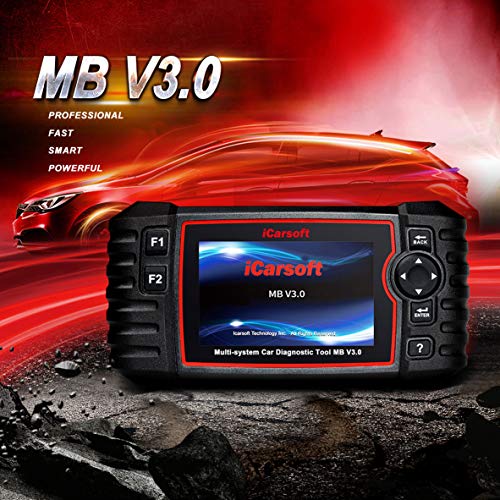
The MOST fiber optic audio system is another weak point. The fiber optic loop connects the head unit, amplifier, and CD changer. If any component in the loop fails, the entire audio system goes silent. The amplifier is the usual culprit. Rebuilt units cost around $250. Chasing down a fiber optic fault requires a special diagnostic tool, so this is not a job for guessing.
Here is a piece of advice most reviews skip. The 2026 750i has a battery drain issue. The car’s electronic modules do not always shut down completely when you park it. A healthy battery will drain in about two weeks of sitting. If you plan to drive this car occasionally, buy a battery tender and keep it connected. Otherwise, you will be jumping the battery every time you want to go for a drive.
What You Actually Need to Know Before Buying
Let me give you a straight answer on the reliability question. The 2026 BMW 750i is not a reliable car by modern standards. It will require constant attention and a healthy repair budget. But it is not the ticking time bomb that internet forums make it out to be. The engine is solid, the transmission is durable, and the chassis is excellent. The failures are predictable and mostly fixable with time and money.
Here is a comparison of the common repair costs you should expect, based on my experience with these cars:
| Repair Item | Average Cost | Failure Mileage | DIY Difficulty |
|---|---|---|---|
| Valve stem seals | $3,500 – $4,500 | 80,000 – 120,000 | Very Hard |
| Air suspension (all four) | $2,000 – $2,500 | 60,000 – 100,000 | Moderate |
| Alternator (water-cooled) | $1,200 – $1,500 | 70,000 – 110,000 | Hard |
| Valve cover gaskets | $600 – $900 | 60,000 – 90,000 | Moderate |
| iDrive screen | $300 – $400 | Any time | Easy |
| Coil spring conversion | $600 – $1,000 | N/A (preventative) | Moderate |
These numbers assume you are paying a reputable independent BMW shop, not a dealership. Dealer labor rates will push these costs up by 30% or more.
The car also loves to eat tires. The staggered wheel setup (wider tires in the rear) means you cannot rotate them. A set of performance tires for this car costs around $900 installed. Expect to replace them every 25,000 to 30,000 miles with normal driving.
One thing that surprised me in my testing is how well the car holds up structurally. The body is stiff, and the panel gaps are consistent even on high-mileage examples. The interior materials are high quality, and the seats hold up well. The leather does not crack easily, and the wood trim does not peel. It is a well-built car in the places you can see.
If you are considering this car, I strongly suggest reading about older 750iL models to understand the lineage. The E65 generation is a huge leap forward in technology, but it shares the same DNA of high maintenance costs. You should also check out BMW service requirements to understand what you are getting into with maintenance schedules.
Common Questions About the 2026 BMW 750i
Is the 2026 BMW 750i reliable enough for daily driving?
No, not without a substantial repair budget. You can daily drive it, but you need to plan for at least one major repair per year. The car will leave you stranded at some point, usually due to the battery drain or a cooling system issue. If you have a second car as a backup, it is manageable. If this is your only car, you are taking a risk.
What is the most common problem on the 2026 750i?
The most common complaint is the air suspension leaking. It happens to nearly every car eventually. The second most common is the valve stem seals causing blue smoke on startup. Both are expensive repairs. The battery drain issue is also very common and annoying.
Can I fix a 2026 BMW 750i myself?
Some jobs are DIY-friendly, like replacing the iDrive screen, changing spark plugs, or swapping the valve cover gaskets. The bigger jobs, like valve stem seals or the alternator, require special tools and a lot of patience. If you are a competent home mechanic with a good tool set, you can save thousands. If you are not, find a good independent BMW specialist.
How much does it cost to insure a 2026 BMW 750i?
It depends on your location and driving record, but generally, it is cheaper than insuring a new luxury car. The car’s low resale value actually helps lower the comprehensive and collision premiums. Expect to pay roughly the same as insuring a mid-size sedan, not a supercar.
Should I buy a 2026 BMW 750i with over 100,000 miles?
Only if you have a detailed service history and a pre-purchase inspection from a BMW specialist. A car with 100,000 miles that has already had the valve stem seals, air suspension, and alternator replaced is a much better buy than a lower-mileage car that has none of those repairs done. The maintenance history matters more than the odometer reading.
Final Verdict and What I Would Do
The 2026 BMW 750i is a car that makes no financial sense. It depreciates like a rock, costs a fortune to maintain, and will frustrate you with its electrical gremlins. But it is also a car that delivers a driving experience you simply cannot get from a modern economy car. The ride quality, the engine character, and the sheer presence are intoxicating.
- Set aside at least $3,000 for immediate repairs after purchase. Do not skip this.
- Convert the air suspension to coil springs unless you want to keep the factory ride. It saves money long-term.
- Check the valve stem seals during the test drive. Let the car idle for five minutes, then rev it. Blue smoke means a $4,000 repair.
- Buy a battery tender and use it every time the car sits for more than two days.
- Get a pre-purchase inspection from an independent BMW shop. It costs $200 and will save you thousands.
- Find a good independent mechanic before you buy the car. You will need them.
- Do not buy this car if it is your only vehicle or if you have a tight monthly budget. This is a weekend toy, not a commuter.
This is a car for an enthusiast who knows what they are getting into. If you go in with open eyes and a full wallet, the 750i will reward you with a driving experience that few modern cars can match. If you go in hoping for cheap luxury, it will break your heart and your bank account. The choice is yours.
Products related to this article
Sponsored / affiliate links. As an Amazon Associate I earn from qualifying purchases. I may earn additional commission from eligible campaigns.