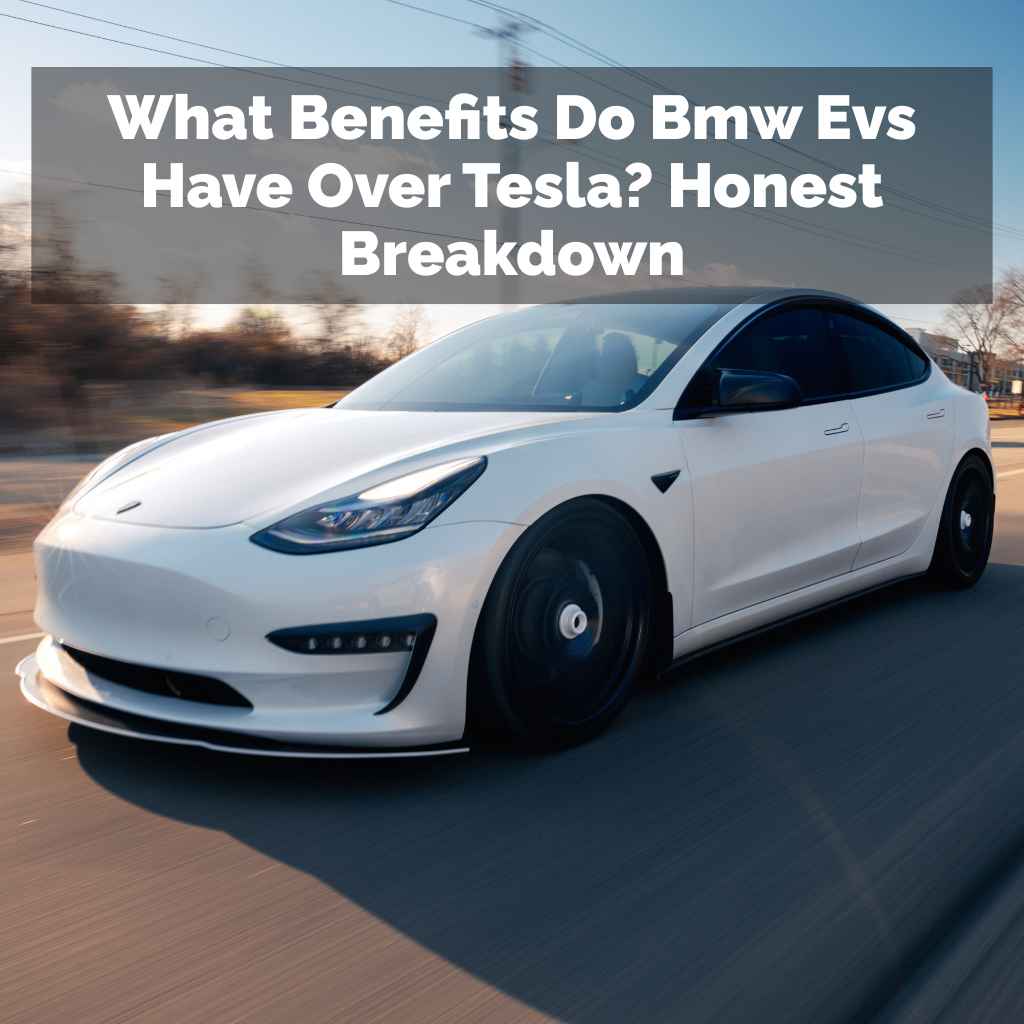
What Benefits Do Bmw Evs Have Over Tesla? Honest Breakdown
BMW EVs often offer a more luxurious interior, superior ride comfort, and engaging driving dynamics that many drivers prefer over Tesla’s minimalist approach. They blend advanced EV technology with BMW’s traditional focus on performance and premium craftsmanship, providing a distinct driving experience.
BMW EVs vs. Tesla: A Deeper Look at the Advantages
When we talk about electric cars, Tesla often comes up first. They were pioneers in the modern EV market. They have a strong brand.
They also have a lot of charging stations. But BMW is not new to making cars. They have been making great cars for a long time.
Now, they are bringing that knowledge to electric cars. This means BMW EVs have some advantages that are really about what makes a car feel special. It’s more than just the miles per charge.
Think about the feeling inside a car. For many people, a car’s interior is very important. Tesla interiors are known for being very simple.
They have big screens. They have few buttons. This look is modern.
Some people love it. Others find it a bit bare. BMW, on the other hand, focuses on luxury.
They use high-quality materials. The seats are often very comfortable. There is attention to detail everywhere.
This makes the cabin feel more premium. It feels more like a traditional luxury car, but with electric power.
Another big difference is how the cars drive. BMW has always been known for its “Ultimate Driving Machine” slogan. They focus on how a car handles.
They want it to feel connected to the road. This means steering can feel precise. The ride can be firm but also smooth.
BMW EVs carry this DNA. They aim to provide a driving experience that is fun and engaging. Tesla cars drive well too.
They are fast. But the feel is often different. Some drivers find Teslas to be a bit more detached from the road.
BMW tries to keep that sporty, connected feeling even in their EVs.
Let’s not forget about build quality. Historically, Tesla has faced criticism for inconsistent build quality. Panels might not line up perfectly.
Materials might feel less refined in some areas. BMW, as a long-standing luxury automaker, has a reputation for solid construction. They pay close attention to how everything is put together.
This attention to detail can lead to a car that feels more solid and lasts longer. It adds to the overall feeling of quality and luxury.
Charging is another area. Tesla has its Supercharger network. This is a big advantage for many owners.
It’s widespread and reliable. However, BMW EVs can also charge at many places. They use standard charging networks.
Plus, BMW is part of charging alliances. This means more options are opening up. For many, the difference in charging convenience is becoming smaller.
And when you’re at home, both can charge overnight. The BMW advantage here is more about choice and integration with existing networks.
Finally, think about the technology. Both brands are tech-forward. Tesla is known for its software.
It gets frequent over-the-air updates. It has unique features like Dog Mode or Sentry Mode. BMW also offers advanced technology.
Their infotainment systems are user-friendly. They offer sophisticated driver-assistance features. They also integrate Apple CarPlay and Android Auto more fully than Tesla.
For some, this seamless integration with their existing digital life is a big plus. BMW’s approach is often about making advanced tech feel intuitive and helpful, rather than experimental.
My First BMW EV Road Trip: A Taste of True Luxury
I remember my first long drive in a BMW i4. I was coming from a smaller, older gas car. I had heard great things about EVs.
But I was still a bit nervous about range. And I was curious if a BMW electric car would feel as good as their gasoline cars. My destination was about 250 miles away.
It was a weekend trip to see family.
As I settled into the driver’s seat, I felt it immediately. The leather was soft. The seat hugged me perfectly.
There was a quiet hum as I pushed the start button. No loud engine roar. Just a subtle readiness.
The cabin was a blend of modern screens and classic BMW controls. A few physical buttons for key functions felt reassuring. It didn’t feel like I was sitting in a giant iPad, like some other EVs.
Driving out of the city was smooth. The instant torque of the electric motor made merging onto the highway effortless. But it was on the open road where the BMW magic really happened.
The ride was incredibly composed. Little bumps and rough patches seemed to disappear. There was a sense of solidness that I hadn’t experienced before.
It felt like the car was gliding. The steering was responsive. It felt natural.
I could tell exactly where the front wheels were pointing. I felt connected to the road in a way that made the drive less tiring.
About halfway there, I stopped to charge. The charger was easy to find. The car’s navigation system showed me where to go.
Plugging in was simple. While it charged, I enjoyed the peace of the car. I scrolled through the menus on the large display.
The graphics were crisp. Everything was easy to understand. It was not overwhelming.
I didn’t feel like I needed a manual just to adjust the climate control. It felt intuitive. It felt like a BMW, just electric.
By the time I arrived, I was less tired than I usually am after a long drive. The quiet cabin, the smooth ride, and the comfortable seats all contributed. It wasn’t just about getting there.
It was about the journey. That trip showed me that BMW EVs aren’t just electric cars. They are BMWs that happen to be electric.
They offer a level of comfort and driving pleasure that is hard to match. It was a revelation. It made me understand why some people choose a BMW EV over other options.
BMW EV Interior vs. Tesla Interior: A Comparative Look
BMW Interior:
- Materials: High-quality leather, wood trims, soft-touch plastics.
- Design: Driver-focused cockpit, premium feel, blend of modern tech and classic controls.
- Comfort: Ergonomic seats, excellent support, advanced climate control.
- Noise: Superior sound insulation for a quiet cabin.
- Fit & Finish: Typically precise panel gaps and build quality.
Tesla Interior:
- Materials: Often minimalist, vegan leather, fewer luxury materials.
- Design: Ultra-minimalist, large central touchscreen controls almost everything.
- Comfort: Seats are generally comfortable but may lack adjustability for some.
- Noise: Can be quieter due to lack of engine noise, but road noise can be more noticeable.
- Fit & Finish: Historically variable, with some owners reporting minor issues.
The Driving Experience: Performance Meets Refinement
When you think of performance, you might immediately picture a roaring engine. Electric cars offer a different kind of performance. It’s instant and silent.
BMW has a long history of making cars that feel good to drive. They focus on the connection between the driver and the road. This is something they’ve worked hard to bring to their electric vehicles.
Teslas are undeniably quick. The acceleration is breathtaking. They feel like rockets.
This is a major draw for many buyers. BMW EVs also offer strong acceleration. Models like the i4 M50 or iX M60 can keep up with or even outperform many gasoline sports sedans.
But the BMW approach is often more nuanced. It’s not just about raw speed.
BMW engineers focus on the handling. They tune the suspension to provide a balance. It’s firm enough for sharp cornering.
But it’s also comfortable enough for daily driving. This is a delicate act. Many EVs can feel heavy due to their battery packs.
BMW works to manage this weight. They distribute it evenly. This gives the cars a stable and planted feel.
The steering is often more precise. It gives the driver confidence. You feel more in tune with what the car is doing.
Think about the steering wheel. In a BMW, it feels like a direct link to the front wheels. In some Teslas, the steering can feel lighter or less communicative.
This might be fine for some drivers. But for those who enjoy the act of driving, the BMW feel is often preferred. It makes even mundane trips more enjoyable.
The braking system in BMW EVs is also noteworthy. They often use regenerative braking. This captures energy that would otherwise be lost.
It slows the car down. You can often adjust how strong this is. Some drivers can get used to one-pedal driving.
This means you use the accelerator pedal for both speeding up and slowing down. BMW’s system is often smooth and predictable. It blends regenerative braking with traditional friction brakes seamlessly.
This makes stopping feel natural and controlled.
Consider the sound. While EVs are quiet, BMW engineers sometimes add subtle sounds. These are not fake engine noises.
They are designed to enhance the driving experience. They can signal acceleration or deceleration. They add a layer of auditory feedback.
This is a subtle touch that many drivers appreciate. It adds character to the silent EV powertrain. Tesla generally aims for silence.
This is also a valid approach. But BMW’s choice adds a layer of engagement for those who like it.
Driving Dynamics: BMW vs. Tesla
BMW EV:
- Focus: Balanced ride comfort and sporty handling.
- Steering: Precise, communicative, driver-centric.
- Suspension: Tuned for stability and road feel.
- Braking: Smooth regenerative braking blended with friction brakes.
- Feel: Connected, engaging, confidence-inspiring.
Tesla:
- Focus: Instant acceleration and a smooth, quiet ride.
- Steering: Lighter, less feedback for some drivers.
- Suspension: Generally comfortable but can feel less connected.
- Braking: Strong regenerative braking, often tuned for one-pedal driving.
- Feel: Fast, efficient, futuristic.
Build Quality and Materials: The Luxury Difference
When you pay a premium price for a car, you expect a certain level of quality. This includes how the car is built and the materials used inside and out. BMW has built its reputation over decades on providing a high-quality product.
Tesla, while innovative, has sometimes struggled in this area.
Walk into a BMW dealership and look at their electric cars. You’ll see attention to detail. The doors close with a solid thud.
The paint finish is usually flawless. Inside, the materials feel good to the touch. Leather seats often have fine stitching.
Wood or metal trims are precisely fitted. Buttons have a satisfying click. Even the smallest controls feel robust.
This is what many people expect from a luxury brand. It adds to the feeling of owning something well-made and durable.
In contrast, Tesla interiors are often described as minimalist. While they are clean and modern, the materials can sometimes feel less premium. For instance, some early Teslas used vegan leather that could wear differently than traditional leather.
The touchpoints, like buttons and switches, might be fewer, but their feel can be less substantial. Some owners have reported issues with panel gaps, where the distance between body panels isn’t perfectly even. They might also notice rattles or squeaks over time that are less common in well-built luxury cars.
BMW’s commitment to quality extends to its manufacturing processes. They have refined their assembly lines over many years. This experience translates into a more consistent product.
For someone looking for a long-term investment, this build quality is a significant factor. It suggests the car will not only look good but also hold up well over many years of use. This is a core part of the luxury car experience that BMW prioritizes.
Think about the sound insulation. A quiet cabin is a hallmark of luxury. BMW EVs excel at this.
They use advanced materials to block out road noise, wind noise, and vibrations. This creates a serene environment. It makes long drives more relaxing.
It allows you to enjoy your music or conversations without strain. While EVs are inherently quieter than gasoline cars due to the lack of engine noise, the overall noise level inside the cabin can vary significantly. BMW’s focus on acoustic comfort is a clear advantage.
Quality Comparison: BMW EV vs. Tesla
BMW EV:
- Panel Gaps: Typically very consistent and tight.
- Interior Materials: Premium leathers, real wood, metal accents.
- Switchgear: Solid, tactile buttons and controls.
- Paint: High-quality finish with deep gloss.
- Overall Feel: Robust, luxurious, meticulously crafted.
Tesla:
- Panel Gaps: Can be inconsistent; quality varies.
- Interior Materials: Functional, modern, sometimes less premium feel.
- Switchgear: Fewer physical controls, often integrated into the screen.
- Paint: Quality has improved but can still have minor issues.
- Overall Feel: Minimalist, tech-focused, can sometimes feel less refined.
Technology and User Experience: Intuition Over Minimalism
Both BMW and Tesla are at the forefront of automotive technology. They offer advanced infotainment systems, driver aids, and connectivity. The difference often lies in their approach to how you interact with this technology.
Tesla is famous for its large, central touchscreen. Almost all functions are controlled through this screen. This gives the interior a very clean look.
It allows for frequent software updates that can add new features. Many people love the simplicity and the futuristic feel. However, for some, having to use a touchscreen for nearly everything can be distracting.
Adjusting the air conditioning, wipers, or even mirrors might require several taps and swipes. This can take your eyes off the road for longer periods.
BMW’s approach is often a hybrid. They still have large, high-resolution displays. But they also retain a set of physical buttons and controls for common functions.
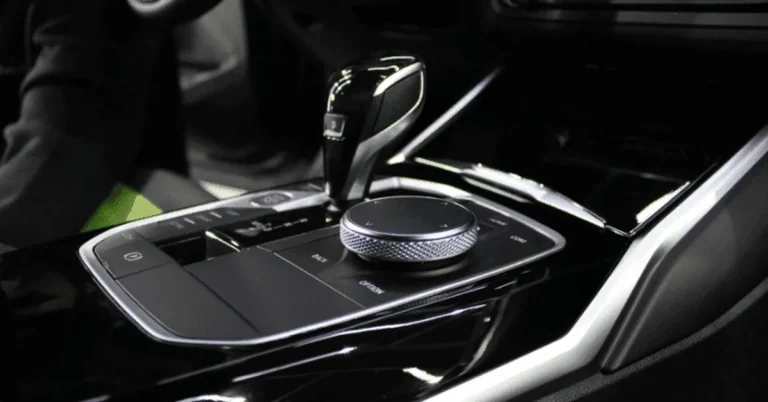
They also have the iDrive controller, a rotary dial on the center console. This allows you to navigate menus without looking away from the road. Many drivers find this combination to be the best of both worlds.
You get the benefits of modern digital interfaces, but with tactile feedback and an intuitive way to control essential features. It feels more natural and less distracting for many.
Connectivity is another area. BMW generally offers more robust support for Apple CarPlay and Android Auto. These systems allow you to seamlessly mirror your smartphone’s interface on the car’s screen.
You can access your navigation apps, music, and messages easily. Tesla, on the other hand, does not support Apple CarPlay or Android Auto. It relies solely on its own software and navigation system.
While Tesla’s system is capable, some users prefer the familiarity and ecosystem of their smartphone’s interface.
Driver-assistance systems are also a point of distinction. Both brands offer advanced features like adaptive cruise control and lane-keeping assist. BMW’s systems often feel very refined and integrated into the driving experience.
They tend to be smooth and predictable. Tesla’s Autopilot and Full Self-Driving capabilities are highly advanced, but they require careful attention and are still under development. For many, BMW’s approach offers a more confidence-inspiring and less complex layer of assistance for everyday driving.
Over-the-air (OTA) updates are a Tesla specialty. They can update the car’s software remotely, adding new features or improving existing ones. BMW is also adopting OTA updates, but perhaps not with the same frequency or breadth of new features as Tesla.
Still, the ability to improve your car over time is a significant benefit in any EV.
Infotainment & User Interface: A Tale of Two Approaches
BMW EV:
- Interface: Touchscreen, voice control, iDrive rotary controller, physical buttons.
- Smartphone Integration: Full support for Apple CarPlay and Android Auto.
- Navigation: Integrated, user-friendly, often with augmented reality features.
- Driver Aids: Smooth, refined, confidence-inspiring.
- Updates: Increasing use of over-the-air updates.
Tesla:
- Interface: Dominant large central touchscreen, minimal physical buttons.
- Smartphone Integration: No Apple CarPlay or Android Auto support.
- Navigation: Excellent, real-time traffic, Supercharger integration.
- Driver Aids: Advanced Autopilot, potential for Full Self-Driving (requires supervision).
- Updates: Frequent and extensive over-the-air software updates.
Charging Infrastructure and Convenience: Tesla’s Edge, BMW’s Growth
One of the biggest concerns for potential EV buyers is charging. Where will they charge? How long will it take?
Tesla has a clear advantage here with its Supercharger network.
The Tesla Supercharger network is vast, reliable, and exclusive to Tesla vehicles (for now). It’s integrated into the car’s navigation system. You can plan long trips with confidence.
The chargers are generally fast and easy to use. Many owners see this as a primary reason to choose Tesla. It removes a lot of the “range anxiety” that used to plague EV adoption.
BMW EVs, like other non-Tesla EVs, rely on public charging networks. These include networks like Electrify America, ChargePoint, EVgo, and others. While these networks are growing rapidly, they can sometimes be less consistent in their availability and operation.
You might encounter a charger that is out of order or occupied. Planning a long trip might require checking multiple apps or services.
However, this is changing. BMW is actively working to expand charging access for its customers. They partner with charging providers.
They are also part of initiatives that aim to standardize charging. For instance, many BMW EVs are now gaining access to the Tesla Supercharger network in North America. This is a huge development.
It means BMW drivers will soon have access to one of the most robust charging networks in the world.
At home, charging is generally similar for both brands. Most BMW EVs and Teslas can be charged overnight using a Level 2 home charger. This ensures you start each day with a “full tank.” The speed of charging at home depends on the charger and the car’s onboard charger.
Both BMW and Tesla offer excellent home charging solutions.
The key takeaway is that while Tesla’s Supercharger network has been a dominant advantage, the gap is narrowing. With BMWs gaining access to Superchargers and the expansion of other public networks, the convenience of charging for BMW EV owners is rapidly improving. For many, the charging differences might become less of a deciding factor over time.
Charging Network Landscape
Tesla:
- Network: Tesla Supercharger Network.
- Availability: Extensive, reliable, integrated.
- Exclusivity: Primarily for Tesla vehicles (expanding access).
- Speed: Fast DC charging options.
BMW EVs:
- Networks: Electrify America, ChargePoint, EVgo, and others.
- Availability: Growing, but can be less consistent than Superchargers.
- Exclusivity: Open to various EV brands.
- Speed: Fast DC charging options available.
- Future: Increasing access to Tesla Superchargers.
Range and Efficiency: Meeting Daily Needs
When people consider EVs, range is almost always a top concern. How far can the car go on a single charge? Both BMW and Tesla offer vehicles with impressive ranges that are more than adequate for most daily driving needs.
Tesla has consistently pushed the boundaries of EV range. Many of their models, like the Model 3 Long Range or Model S, offer over 300 miles of EPA-estimated range. This is excellent for long road trips and provides peace of mind for daily use.
Their efficiency is also generally very good, meaning they use less energy per mile.
BMW EVs also offer competitive range figures. The i4 eDrive40 can achieve around 300 miles of range. The larger iX SUV models offer substantial range as well, often in the mid-to-high 200s, depending on the specific configuration and wheel size.
While some Tesla models might have a slight edge in maximum EPA range, the practical difference for most drivers is minimal.
It’s important to remember that EPA estimates are just that—estimates. Real-world range can vary significantly based on several factors. These include:
- Driving Style: Aggressive acceleration and braking will use more energy.
- Speed: Higher speeds require more energy, especially on highways.
- Temperature: Cold weather reduces battery performance and range.
- Terrain: Driving uphill uses more energy than driving on flat ground.
- Use of Accessories: Running the heater or air conditioning heavily impacts range.
For most daily commutes, even an EV with a 250-mile range is more than sufficient. You might only need to charge once or twice a week. For longer trips, the charging infrastructure is becoming more robust, allowing for convenient stops to add miles.
Efficiency is also a measure of how well the car uses its battery. Tesla has historically been very efficient. BMW has made significant strides in optimizing its EV powertrains for efficiency.
They use advanced battery technology and aerodynamic designs to maximize the miles they can travel on a kilowatt-hour of energy.
When comparing specific models, it’s always best to look at the EPA estimates for the exact trim levels you’re considering. But in general, both BMW and Tesla offer EVs that will easily meet the needs of the vast majority of drivers.
What This Means for You: Choosing the Right EV for Your Lifestyle
So, you’re weighing BMW EVs against Tesla. What does all of this really mean for you? It boils down to what you value most in a car.
If you prioritize a traditional luxury experience, superior interior comfort, and engaging driving dynamics, a BMW EV might be the better choice. You’ll get the benefits of electric power without sacrificing the refined feel and craftsmanship that BMW is known for. The attention to detail in the cabin, the precise steering, and the smooth ride create a sense of occasion every time you drive.
If you are drawn to a minimalist, high-tech interior, cutting-edge software features, and the perceived simplicity of an all-in-one system, a Tesla could be appealing. The vast Supercharger network is a significant convenience factor. The instant acceleration is undeniably thrilling.
Tesla’s brand recognition and its status as an EV pioneer are also draws for many.
Consider these questions:
- How important is interior luxury and material quality to you? If it’s very important, BMW likely has an edge.
- Do you enjoy the feeling of a connected, sporty drive, or do you prefer a more detached, smooth ride? BMW leans towards sporty engagement; Tesla offers a different kind of fast and smooth.
- How much do you rely on Apple CarPlay or Android Auto? If you use them heavily, BMW’s support is a big plus.
- How critical is access to a proprietary, expansive charging network versus a growing, multi-brand network? Tesla’s Superchargers are a strong point, but BMW’s charging options are rapidly improving.
- Do you prefer a car with physical controls for common functions, or are you comfortable with a screen-dominated interface? BMW offers a blend; Tesla is almost entirely screen-based.
Ultimately, both brands offer excellent electric vehicles. The “better” car is the one that aligns with your personal preferences and needs. Taking test drives of comparable models from both BMW and Tesla is highly recommended.
Experience the interiors, the driving feel, and the technology firsthand. This will help you make the most informed decision for your next electric vehicle.
Quick Fixes and Tips for EV Ownership
Whether you choose a BMW EV or a Tesla, getting the most out of your electric car involves a few simple practices. These aren’t complex fixes, but rather smart habits that enhance your ownership experience.
- Charge Smart: Whenever possible, charge your EV overnight at home. This uses cheaper off-peak electricity and ensures you always start your day with a full battery. For longer trips, charge when the battery is between 20% and 80% to charge fastest.
- Understand Your Range: Pay attention to how your driving habits and the weather affect your range. Don’t obsess over it, but be aware. Most daily driving needs are well within the range of modern EVs.
- Precondition Your Cabin: Use your car’s app to warm up or cool down the cabin while it’s still plugged in. This uses grid power, not battery power, saving you precious miles on your drive.
- Plan Your Long Trips: For road trips, use the car’s navigation system or a dedicated EV trip planner app. These tools can map out charging stops efficiently.
- Smooth Driving Habits: Gentle acceleration and braking not only save energy and extend your range but also reduce wear on your brakes and tires. Embrace regenerative braking!
- Keep Tires Inflated: Properly inflated tires improve efficiency and handling. Check your tire pressure regularly.
Frequently Asked Questions About BMW EVs vs. Tesla
Are BMW EVs as fast as Teslas?
Many BMW electric vehicles offer performance that rivals or exceeds Tesla models. For example, the BMW i4 M50 and the iX M60 provide rapid acceleration and sporty handling that can match or beat many Tesla counterparts. While Teslas are known for their raw speed, BMW focuses on a more balanced and engaging driving experience that includes exhilarating acceleration.
Which has a better interior: BMW EV or Tesla?
This is subjective, but generally, BMW EVs are considered to have more luxurious interiors. They use higher-quality materials like premium leather, real wood, and brushed metal. BMW interiors also blend modern technology with familiar physical controls, offering a more traditional luxury feel.
Tesla interiors are minimalist and dominated by a large touchscreen, which some drivers love and others find less tactile or premium.
Does BMW support Apple CarPlay and Android Auto?
Yes, BMW EVs fully support both Apple CarPlay and Android Auto. This allows you to seamlessly integrate your smartphone into the car’s infotainment system, accessing your favorite navigation apps, music, and messaging services. Tesla does not support Apple CarPlay or Android Auto, relying solely on its proprietary system.
Is Tesla’s Supercharger network the only way to charge an EV?
No, the Tesla Supercharger network is not the only way. BMW EVs, along with other non-Tesla EVs, use a variety of public charging networks like Electrify America, ChargePoint, and EVgo. Furthermore, many BMW EVs are gaining access to the Tesla Supercharger network, expanding charging options significantly.
Are BMW EVs more reliable than Teslas?
BMW, as a long-standing luxury automaker, generally has a reputation for solid build quality and reliability, with a focus on fit and finish. Tesla has improved over the years, but historically, some owners have reported more inconsistencies in build quality and minor issues compared to traditional luxury brands like BMW. Reliability can also depend on specific models and their complexity.
Which EV offers a better driving experience: BMW or Tesla?
This depends on personal preference. Teslas offer incredible instant acceleration and a smooth, quiet ride. BMW EVs aim for a more connected and engaging driving experience, often described as the “Ultimate Driving Machine” even in electric form.
They focus on precise steering, balanced handling, and a comfortable yet sporty ride. Many drivers find BMW’s feel more communicative and involving.
Conclusion: The Choice is Yours
Choosing between a BMW EV and a Tesla involves looking at what truly matters to you. BMW offers a luxurious, driver-focused electric experience that honors its performance heritage. Tesla provides cutting-edge technology and a unique, minimalist approach with its own powerful ecosystem.
Both are excellent steps into the future of driving. Consider what makes a car feel “right” for you.
Products related to this article
Sponsored / affiliate links. As an Amazon Associate I earn from qualifying purchases. I may earn additional commission from eligible campaigns.