BMW Chassis Stabilization Malfunction: Local Repair Guide
Dealing with a BMW Chassis Stabilization Malfunction: Local Repair Guide can feel a bit tricky, especially if you’re new to car repairs. This warning light means your BMW’s system that keeps it steady on the road isn’t working right. It’s a common issue, and sometimes figuring out why can be confusing.
But don’t worry, this guide will walk you through it step-by-step. We’ll break down what this warning means and how you can tackle it yourself or know what to tell your mechanic. Let’s get your BMW back to feeling safe and stable.
Understanding BMW Chassis Stabilization Malfunction
This section explains what the chassis stabilization system in a BMW is and why a malfunction can occur. We will cover the basic purpose of this system and the common reasons behind the warning light. Understanding the core function helps in diagnosing the issue more effectively.
It is like knowing what a part of your house does before trying to fix it. This knowledge empowers you to make informed decisions about repairs.
What is Chassis Stabilization
Chassis stabilization refers to a set of advanced systems in your BMW designed to enhance driving stability and safety. These systems work together to actively counteract body roll during cornering, reduce diving under braking, and prevent squatting during acceleration. The primary goal is to keep the vehicle’s chassis level and predictable, regardless of road conditions or driving maneuvers.
This leads to a more comfortable and secure driving experience.
The most well-known aspect of chassis stabilization is often related to the suspension and steering. Systems like Dynamic Stability Control (DSC) and Active Roll Stabilization (ARS) play a huge role. DSC uses sensors to monitor wheel speed, steering angle, and yaw rate.
If it detects a loss of traction or an unstable condition, it can automatically apply brakes to individual wheels and reduce engine power to help the driver regain control. ARS uses hydraulic or electric actuators to actively counteract body roll, keeping the car flatter through turns.
Dynamic Stability Control DSC: This is a core component that prevents skidding and loss of control. It’s like a guardian angel for your car, constantly checking if it’s going where you want it to. It uses brakes and engine power to keep you on the straight and narrow.
Active Roll Stabilization ARS: This system actively reduces how much your car leans in corners. Imagine your car staying almost perfectly flat, even when you take a sharp turn. This makes driving feel much more controlled and comfortable.
Electronic Damper Control EDC: Some BMWs have this, which adjusts the stiffness of the shock absorbers. It can make the ride softer on smooth roads and firmer when you need more support during spirited driving.
Common Causes of Malfunction Lights
When your BMW dashboard displays a “Chassis Stabilization Malfunction” or a similar warning, it means one or more sensors, modules, or components within this sophisticated system are not functioning as intended. These malfunctions can stem from a variety of issues, ranging from simple sensor failures to more complex electronic control unit problems.
One frequent culprit is a faulty wheel speed sensor. These sensors are critical for DSC, as they measure the rotational speed of each wheel. If one or more of these sensors fail or their wiring is damaged, the DSC system will not receive accurate data and will likely trigger the malfunction warning.
Dirt, debris, or physical damage to the sensor or its wiring are common causes.
Another possibility is an issue with the steering angle sensor. This sensor tells the car’s computer the precise angle of the steering wheel. If it malfunctions, the DSC system may receive incorrect information about the driver’s intended direction, leading to activation of the warning light.
Calibration issues with this sensor can also occur after certain repairs or battery disconnections.
The ABS (Anti-lock Braking System) module itself can also be the source of the problem. The DSC system relies heavily on the ABS module to function. If the ABS module develops an internal fault or experiences a communication error, the chassis stabilization warning will often appear.
This can be a more serious and costly repair.
Finally, problems with the yaw rate sensor or lateral acceleration sensor can also trigger the warning. These sensors measure the car’s rotation around its vertical axis and its sideways acceleration, respectively. They are vital for detecting and correcting skids.
A fault in these sensors, or their wiring, will directly impact the stability control system’s ability to operate correctly.
Diagnostic Trouble Codes DTCs Explained
When your BMW’s chassis stabilization system detects an issue, it will store a Diagnostic Trouble Code (DTC) in the vehicle’s onboard computer. These codes are like secret messages that tell a mechanic exactly what went wrong. Reading these codes is the first and most crucial step in diagnosing the problem accurately.
Without them, you’d be guessing, which is never a good way to fix a car.
Think of DTCs as a universal language for car computers. Each code corresponds to a specific fault detected by the car’s various sensors and modules. For example, a code like ‘C1052’ might indicate a problem with the steering angle sensor, while ‘C1142’ could point to an issue with a wheel speed sensor.
The exact codes and their meanings can vary slightly depending on the BMW model and year.
To access these codes, a specialized diagnostic scanner is required. These scanners plug into the vehicle’s OBD-II port, usually located under the dashboard. Once connected, the scanner can communicate with the car’s computer to retrieve any stored DTCs.
Many auto parts stores offer free code reading services, which can give you a starting point for understanding the problem.
Interpreting these codes is key. Simply knowing the code isn’t enough. You need to understand what that code signifies in the context of your BMW’s chassis stabilization system.
This is where a good repair manual or a skilled technician becomes invaluable. They can cross-reference the DTC with the vehicle’s specific wiring diagrams and diagnostic procedures to pinpoint the root cause of the malfunction.
Some common DTC categories related to chassis stabilization include:
Wheel Speed Sensor Circuit Issues: Codes related to the performance or circuit of individual wheel speed sensors.
Steering Angle Sensor Faults: Codes indicating problems with the steering angle sensor’s signal, calibration, or internal function.
Yaw Rate or Lateral Acceleration Sensor Errors: Codes pointing to malfunctions in sensors that measure the car’s rotational and sideways movement.
ABS/DSC Module Communication Errors: Codes suggesting that the central control module for these systems is not communicating properly with other modules.
Troubleshooting Steps for BMW Chassis Stabilization
This section provides practical steps for troubleshooting the BMW Chassis Stabilization Malfunction. We’ll cover initial checks anyone can do and then move to more technical aspects. Following these steps can help you identify the problem and potentially save money on unnecessary repairs.
It’s about systematically ruling out possibilities.
Visual Inspection and Basic Checks
Before diving into complex diagnostics, a thorough visual inspection of the relevant components is essential. Often, the cause of a chassis stabilization malfunction can be as simple as a loose connection or a visibly damaged part. This step requires no special tools and can be done by anyone with a bit of patience and a flashlight.
Start by examining the wheel speed sensors and their wiring. These sensors are typically located near each wheel hub. Look for any signs of physical damage, such as cuts, abrasions, or cracks in the wiring harness.
Check if the sensors themselves are securely attached to their mounting points. Sometimes, dirt or debris can accumulate around the sensor, affecting its reading, so a gentle cleaning might be in order.
Next, inspect the ABS rings or tone rings, which are often integrated with the wheel hub or rotor. These rings have teeth that the wheel speed sensors read. Ensure they are not bent, corroded, or missing teeth, as this will interfere with the sensor’s ability to get an accurate reading.
Also, check the visible parts of the suspension and steering components. While not directly causing the light, significant damage or looseness in these areas can sometimes affect sensor readings or indicate a larger issue that the stability system is trying to compensate for. Look for any loose bolts or obviously broken components.
Consider recent work done on the vehicle. If the malfunction light appeared shortly after a tire change, brake job, or suspension work, it’s highly probable that the issue is related to that recent service. A sensor might have been bumped, a connector left unplugged, or a wheel bearing replaced incorrectly.
Checking Tire Pressure and Condition
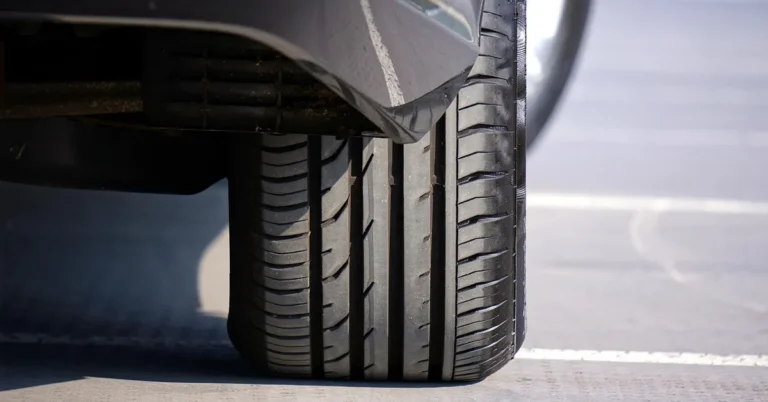
Believe it or not, something as simple as incorrect tire pressure can trigger a chassis stabilization malfunction light in your BMW. The car’s systems, particularly DSC and ABS, rely on all four wheels rotating at similar speeds under normal driving conditions. Significant differences in tire pressure can create artificial differences in wheel speed that the system interprets as a problem.
Ensure that all your tires are inflated to the recommended pressure specified by BMW. This information is usually found on a sticker in the driver’s side door jamb or in your owner’s manual. Uneven tire pressure across the axles or between front and rear tires can confuse the stability control system.
Check this when the tires are cold for the most accurate reading.
Beyond pressure, the condition of your tires is also important. Severely worn tires, especially if wear is uneven, can affect traction and how the car behaves. If you have mismatched tires (different brands, models, or tread depths) on the front and rear axles, this can also cause issues.
The stability control system might interpret the difference in grip or rolling resistance as a sign of instability.
For example, if your front tires are significantly more worn than your rear tires, the car might feel like it’s understeering more easily. The DSC system, trying to correct for this perceived instability, might falsely engage or report a malfunction because it’s not receiving the expected feedback from the wheel speed sensors, which are influenced by tire tread depth and grip.
Regularly inspecting your tires for wear, damage, and proper inflation is a fundamental maintenance task. It not only ensures your safety but also helps prevent false alarms from your BMW’s advanced electronic systems, including the chassis stabilization.
Understanding Sensor Calibration
Modern BMWs rely heavily on precise sensor data for their complex systems, including chassis stabilization. When certain components are replaced or even if there’s a power interruption, the sensors might lose their calibration. This means they no longer report accurate data to the car’s computer, leading to malfunction warnings.
The steering angle sensor is a prime example. This sensor tells the car’s computer how much you’re turning the steering wheel. After a repair involving the steering system or even a simple battery disconnect, this sensor might need to be recalibrated.
The system needs to know the exact “straight ahead” position and how much input corresponds to different turning angles.
Similarly, other sensors involved in stability control, such as the yaw rate sensor and lateral acceleration sensor, might require recalibration. These sensors are crucial for detecting the car’s movement in three dimensions. If their baseline readings are off, the system won’t be able to accurately interpret the car’s behavior during driving maneuvers.
Calibration usually involves connecting a diagnostic tool to the car’s OBD-II port. The tool then guides the technician through a specific procedure. This often involves driving the car at certain speeds, turning the steering wheel in specific patterns, or following other instructions provided by the diagnostic software.
The goal is to allow the sensors to learn their correct operating parameters within the vehicle.
If you’ve had work done on your steering, suspension, or ABS system, or if you’ve recently replaced a related sensor, sensor calibration is a common next step to resolve chassis stabilization warnings. It’s a relatively straightforward process for a qualified technician and is essential for restoring the full functionality of your BMW’s safety systems.
When to Seek Professional Help
While basic checks and understanding DTCs can empower you, certain aspects of BMW chassis stabilization troubleshooting require specialized knowledge and equipment. If your visual inspection reveals no obvious issues, or if you’ve identified specific DTCs that point to complex electrical or module problems, it’s time to consult a professional.
Attempting to diagnose or repair issues related to the ABS module, DSC control unit, or internal sensor faults without the proper tools and expertise can lead to further damage and more expensive repairs. These systems are highly integrated and interconnected. For instance, an incorrect voltage supply to a control module can fry sensitive electronics.
BMW dealerships are equipped with the latest diagnostic software and trained technicians who understand the intricacies of these systems. However, independent BMW specialist shops can often provide the same high level of service at a more competitive price. They have the necessary tools, such as advanced scanners and oscilloscopes, to accurately diagnose complex electrical and sensor issues.
When you take your BMW to a professional, be prepared to describe the symptoms clearly. Note when the warning light first appeared, what you were doing at the time, and if you’ve noticed any changes in the car’s driving behavior. Providing this information will help the technician diagnose the problem more efficiently.
They will likely start by reading the DTCs and then proceed with more in-depth testing based on those codes.
Don’t hesitate to ask for a detailed explanation of the diagnosis and the proposed repair. A reputable mechanic will be happy to walk you through the findings and explain why a particular part needs replacing or a specific procedure needs to be performed. This ensures transparency and helps you make informed decisions about your vehicle’s repair.
Common Component Failures and Solutions
This section delves into the specific parts that frequently fail within the BMW chassis stabilization system. We will explain what these parts do and how their failure triggers the warning light. Understanding these common culprits can help you communicate better with your mechanic or even perform some
Wheel Speed Sensors and Tone Rings
Wheel speed sensors are small but vital components responsible for measuring the rotational speed of each wheel. They are essential for Anti-lock Braking Systems (ABS), Traction Control (TC), and Dynamic Stability Control (DSC). The sensor works by detecting the passage of teeth on a rotating tone ring, which is usually attached to the wheel hub or CV joint.
When a wheel speed sensor fails, it stops sending speed data to the ABS/DSC module. This can happen due to internal failure, damage from road debris, or a compromised wiring harness. The module interprets this lack of data as a problem, triggering the chassis stabilization malfunction light.
If the tone ring is damaged (e.g., cracked, corroded, or missing teeth), the sensor can’t get a clean signal, leading to the same result.
Example Scenario:
A driver notices the chassis stabilization light come on after hitting a large pothole.
Upon inspection, the wheel speed sensor wire on the front passenger side is found to be frayed and damaged.
The mechanic replaces the damaged wiring harness and tests the sensor. The light then goes off.
Solution:
Replace Wheel Speed Sensor: If the sensor itself is faulty, it needs to be replaced. This is a relatively straightforward job for many DIYers, though it may require removing the wheel and sometimes the brake caliper to access it.
Repair or Replace Tone Ring: If the tone ring is damaged, it typically needs to be replaced. This can be more involved, as it might require removing the wheel hub or axle shaft.
Repair Wiring Harness: If the wiring to the sensor is damaged, it can often be repaired by splicing in new wire or replacing the affected section of the harness.
The cost of replacing a wheel speed sensor typically ranges from $100 to $300, depending on the vehicle and whether you use an OEM or aftermarket part. Tone ring replacement can be more expensive due to labor if integrated into a more complex component like a hub assembly.
Steering Angle Sensor SAS
The Steering Angle Sensor (SAS), also known as the yaw rate sensor in some contexts or as a combined unit, is crucial for the stability control system. It measures the precise angle of the steering wheel, telling the car’s computer how the driver is steering. This information is vital for DSC to understand the driver’s intended path and to detect if the car is deviating from it.
A malfunction in the SAS can occur due to internal electronic failure, physical damage, or a loss of calibration. If the SAS provides incorrect readings or no reading at all, the DSC module cannot accurately determine the vehicle’s directional intent. This discrepancy will inevitably lead to the chassis stabilization warning light illuminating on the dashboard.
Example Scenario:
After a brake fluid flush, the driver notices the DSC and other stability control lights are on.
A diagnostic scan reveals a “Steering Angle Sensor Implausible Signal” code.
The technician performs a steering angle sensor calibration procedure, and the lights turn off.
Solution:
Recalibrate Steering Angle Sensor: In many cases, a steering angle sensor can be recalibrated using a diagnostic scanner. This process teaches the sensor its neutral position and range of motion. It’s a common fix after battery replacements or other electronic work.
Replace Steering Angle Sensor: If recalibration doesn’t resolve the issue, or if the sensor is physically damaged, it will need to be replaced. This part is often located behind the steering wheel, requiring removal of the airbag and steering wheel.
Recalibration is usually a relatively inexpensive procedure, often costing between $75 and $150. Replacing the sensor itself can cost anywhere from $200 to $500 or more, depending on the BMW model and the complexity of its installation.
ABS/DSC Control Module
The ABS/DSC control module is the brain of the chassis stabilization system. It receives data from all the wheel speed sensors, steering angle sensor, yaw rate sensor, and other inputs. Based on this data, it makes rapid decisions about applying brakes to individual wheels or reducing engine power to maintain stability.
When this module fails, it can disrupt the entire stability control system. Failures can be due to internal electronic component defects, voltage spikes, or water ingress. A malfunctioning module might send false signals, fail to process incoming data correctly, or stop communicating altogether, all of which will trigger the dreaded warning light.
Example Scenario:
A BMW owner experiences intermittent chassis stabilization warnings, sometimes accompanied by a complete loss of ABS and traction control.
Diagnostic scans show multiple random sensor errors and communication failures with the DSC module.
After extensive testing, the technician determines the ABS/DSC control module has an internal fault and needs replacement.
Solution:
Repair or Replace ABS/DSC Module: If the module is faulty, it typically needs to be replaced. In some cases, specialized repair services can fix the internal electronics of the module, which can be more cost-effective than a new unit. After replacement, the new module will need to be programmed and coded to the vehicle.
Replacing an ABS/DSC module is usually one of the more expensive repairs. The cost of the module itself can range from $500 to over $1500, plus the labor for installation, programming, and coding, which can add several hundred dollars more. This is a repair that almost always requires professional attention due to the complexity of programming and coding the new unit to the vehicle’s specific configuration.
Yaw Rate and Lateral Acceleration Sensors
The yaw rate sensor measures the vehicle’s rotation around its vertical axis, essentially how much it’s turning. The lateral acceleration sensor measures the sideways force experienced by the car. Both sensors provide critical data to the DSC module for detecting and correcting skids, oversteer, or understeer.
If either of these sensors fails or provides inaccurate readings, the DSC system will not be able to properly assess the vehicle’s dynamic behavior. This can lead to inappropriate interventions by the system or, more commonly, the illumination of the chassis stabilization malfunction light. These sensors are often located in the center console or under the dashboard.
Example Scenario:
A driver notices that their BMW feels less stable during spirited driving, and the stability control light frequently flashes even during gentle cornering.
Diagnostic codes point to “Yaw Rate Sensor Signal Implausible” or “Lateral Acceleration Sensor Fault.”
The mechanic tests the sensor and finds it to be defective, requiring replacement.
Solution:
Replace Sensor: These sensors need to be replaced if they are faulty. The replacement process usually involves accessing the sensor’s location, disconnecting it, and installing the new unit.
Recalibration (if applicable): After replacement, these sensors may also require calibration using a diagnostic tool to ensure they are providing accurate data.
The cost of replacing a yaw rate or lateral acceleration sensor can vary, typically ranging from $200 to $500, including parts and labor. This is a repair that requires professional expertise due to the need for accurate reinstallation and potential recalibration.
Local Repair Options and Costs
This section explores where you can get your BMW chassis stabilization issue fixed and what you can expect regarding costs. We’ll look at dealerships versus independent shops and provide realistic budget estimates for common repairs. Knowing your options helps you make the best choice for your wallet and your car.
Dealership vs. Independent BMW Specialist
When facing a BMW Chassis Stabilization Malfunction, you have two primary avenues for repair: the official BMW dealership or an independent BMW specialist shop. Each has its own set of advantages and disadvantages, and the best choice often depends on your priorities and the specific nature of the problem.
BMW Dealerships are equipped with the latest manufacturer-specific diagnostic tools, software updates, and genuine BMW parts. Their technicians are factory-trained and have in-depth knowledge of your specific BMW model’s systems. If you prefer the assurance of official expertise and want to ensure the use of OEM parts, the dealership is a solid choice.
However, this often comes at a premium price. Dealerships are typically the most expensive option.
Independent BMW Specialist Shops are businesses that focus exclusively on servicing BMW vehicles. They often have invested in high-quality diagnostic equipment and employ technicians who possess extensive experience with BMWs, often gained from years working at dealerships. Independent shops can provide excellent service, often at a lower cost than dealerships.
They may offer a good balance of expertise and affordability. Some may also offer aftermarket parts as an option to further reduce costs.
The choice between them can be guided by the complexity of the issue. For routine maintenance or common sensor
Estimated Repair Costs
The cost to repair a BMW Chassis Stabilization Malfunction can vary significantly based on the specific component that has failed and where you choose to have the repair done. It’s wise to get a quote before authorizing any work.
Here’s a breakdown of approximate costs for common repairs:
| Component Replaced | Estimated Cost Range (Parts & Labor) |
|---|---|
| Wheel Speed Sensor | $150 – $350 |
| Tone Ring | $200 – $450 (can be higher if integrated with hub) |
| Steering Angle Sensor (SAS) Recalibration | $75 – $150 |
| Steering Angle Sensor (SAS) Replacement | $250 – $500 |
| Yaw Rate Sensor | $200 – $500 |
| Lateral Acceleration Sensor | $200 – $500 |
| ABS/DSC Control Module Replacement & Programming | $800 – $2000+ |
These figures are estimates and can fluctuate based on your location, the specific BMW model and year, and whether genuine BMW parts or quality aftermarket parts are used. Dealerships will generally be at the higher end of these ranges, while independent specialists may fall within the mid-to-lower range.
Diagnostic fees also play a role. Most shops charge an initial fee to diagnose the problem, which can range from $100 to $200. This fee is often applied towards the total cost of the repair if you proceed with it at the same shop.
Always clarify this upfront.
DIY vs. Professional Repair
Deciding whether to tackle a chassis stabilization repair yourself or hand it over to a professional depends heavily on your skill level, available tools, and the complexity of the issue. Some repairs are definitely more DIY-friendly than others.
DIY-Friendly Repairs:
Wheel Speed Sensor Replacement: For many BMW models, replacing a wheel speed sensor is a manageable DIY task. It typically involves removing the wheel, locating the sensor (often near the brake caliper or hub), unbolting it, disconnecting its electrical connector, and installing the new one. Ensure you use a quality replacement part.
Tire Pressure Check/Inflation: This is a basic maintenance task anyone can do with a tire pressure gauge.
Professional-Required Repairs:
ABS/DSC Control Module Replacement: This is a highly complex repair. It requires specialized diagnostic tools for programming and coding the new module to your specific vehicle’s VIN and options. Incorrect programming can lead to the system not working at all or even causing further damage.
Steering Angle Sensor
Complex Wiring Harness Repairs: If multiple wires are damaged or a significant portion of the harness needs replacement, this can be time-consuming and require advanced electrical diagnostic skills.
When in doubt, always err on the side of caution and consult a professional. The chassis stabilization system is a critical safety feature, and improper repairs can compromise your vehicle’s handling and safety.

Frequently Asked Questions
Question: Can I drive my BMW with the chassis stabilization malfunction light on
Answer: Yes, you can usually drive your BMW with the chassis stabilization malfunction light on, but it’s not recommended for extended periods or for aggressive driving. The system might be partially or fully disabled, meaning your car won’t have electronic assistance to prevent skids or maintain stability in challenging conditions. Drive cautiously, avoid sudden maneuvers, and get it checked as soon as possible.
Question: How long does it take to fix a chassis stabilization issue
Answer: The repair time varies greatly depending on the problem. Replacing a wheel speed sensor might take 1-2 hours. Recalibrating a steering angle sensor could be less than an hour.
However, replacing and programming a control module can take several hours or even a full day.
Question: Is it possible for the chassis stabilization light to turn off by itself
Answer: Sometimes, if the issue was temporary (like a sensor glitch due to moisture or a minor electrical anomaly), the light might turn off on its own after a few drive cycles. However, if the problem is a persistent hardware failure, the light will likely remain on until the issue is properly diagnosed and repaired.
Question: Do I need to replace all wheel speed sensors if one fails
Answer: No, you typically only need to replace the specific wheel speed sensor that has failed. However, if the sensors are very old and you’re experiencing other wheel speed sensor-related issues, some mechanics might recommend replacing them in pairs (e.g., both front sensors) to prevent future problems, though this isn’t always necessary.
Question: Can a software update fix a chassis stabilization malfunction
Answer: In some cases, yes. If the malfunction is related to a software bug or a known issue that BMW has addressed with an update, a software update performed by a dealership or a qualified independent shop could resolve the problem. However, this is not a solution for hardware failures.
Final Thoughts
Resolving a BMW Chassis Stabilization Malfunction: Local Repair Guide issue doesn’t have to be overwhelming. Understanding common causes like wheel speed sensors or steering angle sensor issues is key. Many problems can be diagnosed with basic checks or by reading diagnostic trouble codes.
For most owners, knowing when to consult a BMW specialist or dealership ensures a safe and correct repair, with costs varying based on the specific fault.
Products related to this article
Sponsored / affiliate links. As an Amazon Associate I earn from qualifying purchases. I may earn additional commission from eligible campaigns.