Car Swaying Side to Side: Finding the Answers
If you’ve noticed your car feeling like it’s drifting or swaying from side to side, you’re not alone! Many drivers experience this, especially when they’re first starting out. Figuring out what causes this and how to fix it can seem tricky. Don’t worry, it’s usually something simple. We’ll explore the causes behind Car Swaying Side to Side: Fixes Explained, and I will show you, step by step, how to troubleshoot and get your car driving straight again. Ready to find out what’s going on?
Possible Issues Causing Vehicle Instability
A car swaying side to side can be scary. This might mean the car feels unsteady, pulls to one side, or drifts when driving straight. This can result from multiple issues, varying from simple tire problems to more complex suspension troubles. Knowing the possible causes is the first step toward getting your vehicle back in shape. It is important to know the signs of issues, so you can correct them.
Tire Troubles and Wheel Alignment
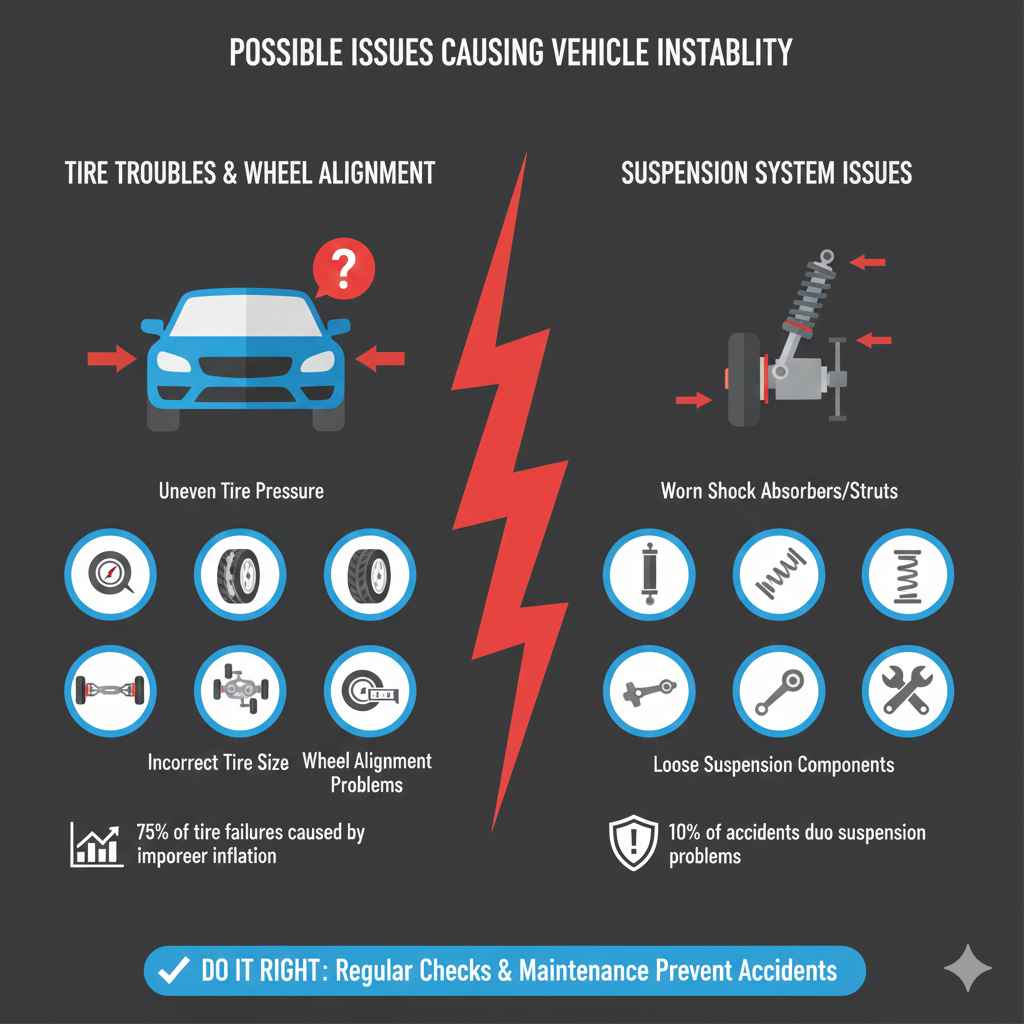
One of the most common causes of a car drifting is related to your tires. Problems like uneven tire pressure, worn tires, or tires that are the wrong size for your vehicle can all cause a swaying effect. Additionally, the wheel alignment can be off, meaning the wheels aren’t pointing straight. This is often caused by hitting a curb or driving over potholes. When your alignment is off, the car might pull to one side or feel unstable, especially at higher speeds. It is important to check your tires regularly.
- Uneven Tire Pressure: Tires with different air pressures will impact handling and lead to a swaying sensation. Regularly inspect your tires and inflate them to the correct pressure.
- Worn or Damaged Tires: If the tread is low, or the tires have cuts or bulges, it can affect stability. Replace worn or damaged tires as soon as possible.
- Incorrect Tire Size: Using tires that aren’t the correct size for your car can interfere with the suspension and handling. Always check the tire size recommended in your owner’s manual.
- Wheel Alignment Problems: Misalignment can lead to the car pulling to one side. Have your vehicle aligned by a mechanic to fix it.
Real-life example: A driver felt their car pulling to the right. After checking, they found one tire was significantly underinflated. After inflating it to the correct pressure, the problem went away immediately. Statistics show that improperly inflated tires cause approximately 75% of tire failures.
Suspension System Issues
The suspension system is what connects your car’s wheels to its frame. The shock absorbers, struts, and springs of the suspension system control how your car handles bumps and keeps it stable. If these parts are worn, damaged, or broken, your car will not ride smoothly. Problems here can cause your car to sway, lean excessively, or feel like it’s bouncing more than it should. These are indicators of suspension problems, like worn shock absorbers or damaged springs. A bad suspension makes it difficult to control the car. Fixing these issues will improve your driving experience.
- Worn Shock Absorbers/Struts: These parts are responsible for absorbing bumps. When they wear out, the car may bounce excessively or sway.
- Damaged Springs: Broken or weakened springs can cause the car to sag on one side or sway during turns.
- Control Arm Issues: Problems with control arms or bushings can alter the wheel alignment and cause the car to feel unstable.
- Loose Suspension Components: Any loose bolts or worn connections in the suspension can lead to instability and noise.
A common scenario is a driver noticing their car swaying after hitting a pothole. This can indicate damage to the suspension, such as a bent strut. Another example is a car that leans to one side, showing a problem with the springs or shocks. Statistics suggest that suspension problems are responsible for about 10% of vehicle accidents. Addressing these problems is important for safety.
Investigating the Car Swaying Side to Side Phenomenon
When your car starts swaying side to side, you will want to take action. This part explores how to investigate the problem systematically. Begin with the easier checks and then move to more involved procedures. This will help you identify the root cause. This helps prevent minor issues from turning into major problems. This will ensure your vehicle is safe.
Visual Inspections and Basic Checks
The first step in fixing car sway is to look at the obvious things. A quick check can often reveal simple problems that you can fix easily. Look at your tires, for example. Check the tire pressure on all tires. Uneven tire pressure is a common reason for drifting. Next, inspect the tires’ condition. Look for wear and tear, like low tread, bulges, or cuts. These issues are easy to spot and can immediately affect your car’s handling. This part guides you through what to do.
- Tire Pressure Inspection: Use a tire pressure gauge to check each tire. Make sure the pressure matches what is listed on the sticker in your driver’s doorjamb.
- Tire Condition Check: Look for any signs of uneven wear, cuts, or bulges. Also, check the tread depth with a tread depth gauge or by using the penny test.
- Wheel Inspection: Look at the wheels for any signs of damage, such as dents or cracks, which could impact alignment.
- Fluid Leaks: Check for any leaks around the tires. Check your car’s fluid levels, including brake fluid, power steering fluid, and others, to make sure there are no leaks.
Real-life example: A driver found that one tire was significantly underinflated and the car was pulling. After inflating the tire to the correct pressure, the problem was resolved. Statistics show that proper tire pressure can improve fuel efficiency by up to 3%.
Comprehensive Suspension System Examination
If the simple checks don’t find the issue, you will want to examine the suspension. The suspension system is complex. It’s best to have a mechanic do the work. If you choose to do it yourself, you must be extremely cautious. Carefully inspect your shock absorbers and struts. Look for any oil leaks or damage. Check the springs for cracks or breaks. Look at the control arms, ball joints, and tie rods for wear and tear. Problems with these parts can affect handling and alignment. This process will help find the root cause of the drifting.
- Shock Absorber/Strut Inspection: Check for leaks, dents, or signs of wear. Push down on each corner of the car and observe how it bounces. Too much bounce means a bad shock absorber or strut.
- Spring Inspection: Look for any broken or sagging springs. A sagging spring can cause your car to lean to one side.
- Control Arm and Ball Joint Check: These components can wear out over time. Look for excessive play or looseness.
- Tie Rod Inspection: These affect steering. If they are loose or worn, it can cause the car to sway or wander.
Example Scenario: If the car drifts to one side, there may be a problem with the control arms or tie rods. Another scenario is excessive bouncing. This may mean damaged shock absorbers or struts. Statistics show that addressing suspension problems quickly is critical for road safety. Addressing these will prevent further damage.
Troubleshooting Solutions for Car Instability
Once you understand the potential causes of your car swaying, you can begin the repair process. This segment will cover the solutions, from fixing tire issues to addressing suspension problems. Simple fixes like tire inflation can often solve the problem. More complex problems, such as fixing suspension issues, may require professional help. Taking action will ensure a more comfortable and safe driving experience.
Tire Repair and Replacement Strategies
Often, the problem starts with the tires. Properly inflated tires are necessary for your car’s handling and stability. Checking your tire pressure with a gauge is a simple task that can immediately identify problems. Replacing worn or damaged tires is critical. Consider the tire’s tread depth. If the tread is low, the tire will not have a good grip. It’s often safer to replace tires in pairs, or all four at the same time. This will ensure consistent performance.
- Tire Inflation: Always inflate your tires to the pressure recommended in your owner’s manual. A tire pressure gauge is a must.
- Tire Rotation: Rotating your tires helps wear them evenly. Follow the rotation pattern recommended in your manual.
- Tire Replacement: Replace tires if the tread is low or if there is damage, such as cuts or bulges.
- Wheel Balancing: Balancing the wheels is a must, especially after tire replacement, to ensure smooth driving.
Real-life Example: After replacing worn tires and inflating them to the proper pressure, a driver noticed a significant improvement in the vehicle’s stability. Statistics show that properly maintained tires can improve fuel efficiency and prolong the life of other vehicle components. The right tires can make a big difference.
Suspension System Repair Protocols
If the suspension is the problem, it’s often more complex. Begin with an inspection of the shock absorbers and struts. Replacing them will reduce bouncing and improve handling. Check the springs for damage. Replacing springs will restore the car’s ride height and stability. If your car has a wheel alignment issue, take it to a mechanic to be adjusted. Proper wheel alignment is crucial for even tire wear. It also ensures the car drives straight. Fixing suspension problems will improve comfort and safety.
- Shock Absorber and Strut Replacement: If these are worn, replace them. This will reduce bouncing.
- Spring Replacement: Replace springs if they are broken or sagging. The car should be level on all sides.
- Wheel Alignment: Have your car aligned after any suspension repairs or if you notice uneven tire wear.
- Professional Assessment: For complex suspension problems, it is wise to consult a mechanic.
Scenario: You feel your car pulling to one side. You may need a wheel alignment. Statistics show that regularly maintaining your suspension system will avoid significant repair costs. It will also reduce the risk of accidents. Proper suspension maintenance is key.
Essential Safety Measures and Maintenance
Preventative maintenance is important for car safety. Regular checks can catch problems before they become dangerous. This section will discuss the most important things for vehicle maintenance and safe driving. Proper maintenance will extend the life of your vehicle and help you avoid issues, such as a car swaying side to side. It will also improve the car’s performance and safety.
Routine Vehicle Maintenance Procedures
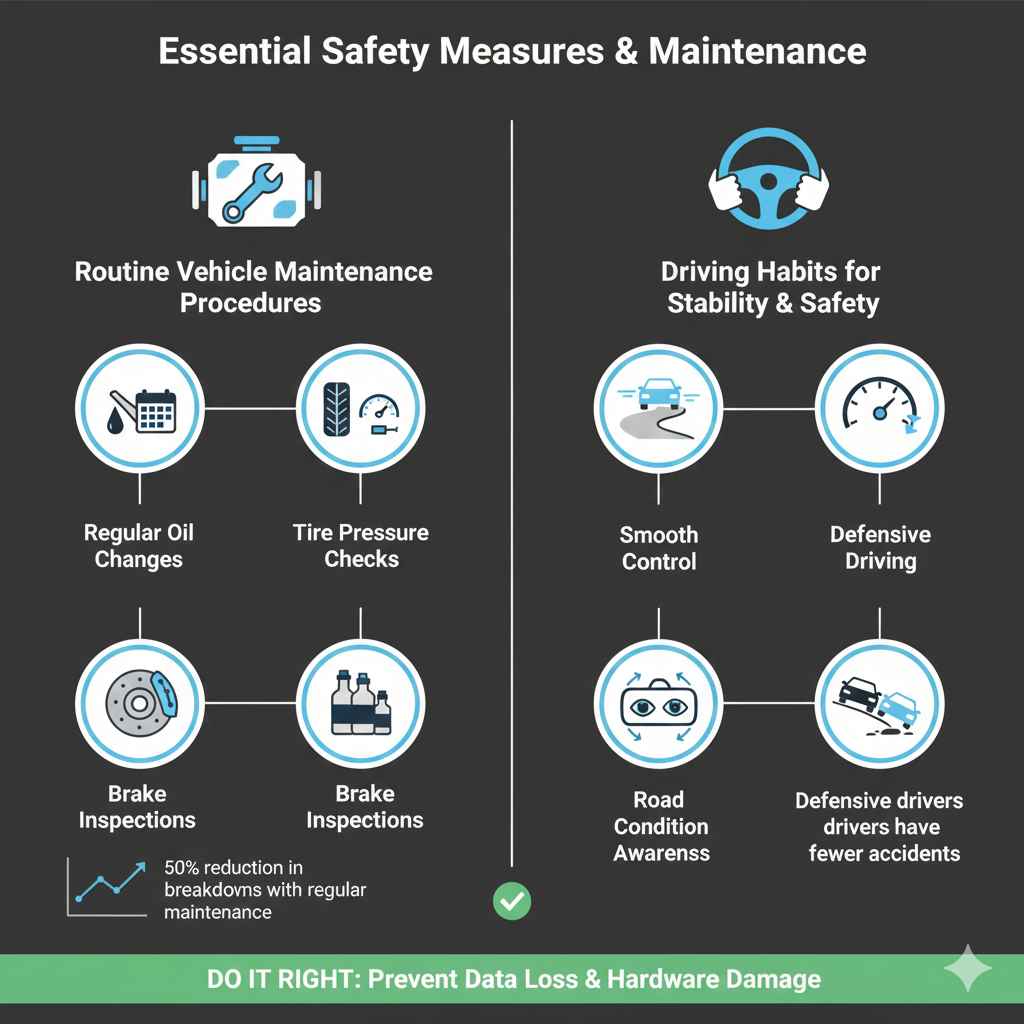
Regular vehicle maintenance is important. Create a maintenance schedule. Follow the recommendations in your owner’s manual. Check your tires regularly for pressure and wear. Regular tire inspections can help catch problems early. Perform regular oil changes and check the fluid levels. Properly inflated tires and regular maintenance will help prevent a car from swaying. This helps extend the life of the vehicle.
- Regular Oil Changes: Perform oil changes as recommended in your owner’s manual.
- Tire Pressure Checks: Check and adjust tire pressure at least once a month, or more often in extreme weather.
- Fluid Level Inspections: Check and top up fluids like coolant, brake fluid, and power steering fluid regularly.
- Brake Inspections: Have your brakes checked regularly by a mechanic.
Real-life example: A driver who regularly changed their oil and checked their tire pressure avoided several expensive repairs. Statistics show that regular maintenance can reduce the chance of breakdowns by 50%. Regular maintenance saves you money.
Driving Habits for Stability and Safety
Your driving habits also influence your car’s stability. Drive carefully and avoid aggressive maneuvers. Avoid driving on bad roads and in inclement weather, such as snow. Reducing speed can also help. Slowing down, particularly around turns, will maintain control. Avoiding aggressive braking or acceleration helps maintain stability. These practices will improve your safety. Safe driving practices will help avoid accidents and improve your driving experience.
- Smooth Driving: Avoid rapid acceleration, braking, and sharp turns.
- Speed Control: Reduce speed, especially in turns and bad weather.
- Defensive Driving: Be aware of your surroundings and anticipate potential hazards.
- Road Condition Awareness: Watch out for potholes, uneven roads, and other hazards.
Scenario: A driver who learned to drive smoothly and defensively reduced their chances of accidents. Statistics show that defensive drivers have fewer accidents. This is another area where you can save money. Your driving skills are essential.
Frequently Asked Questions
Question: What does it mean if my car feels like it’s drifting?
Answer: It means your car might be swaying side to side, pulling to one side, or feeling unstable when driving straight. This can be caused by various issues, from tire problems to suspension issues.
Question: Can tire pressure cause my car to sway?
Answer: Yes, uneven or low tire pressure is a very common cause of car sway. Make sure your tires are inflated to the recommended pressure found in your owner’s manual or on a sticker in your driver’s side doorjamb.
Question: How often should I check my tire pressure?
Answer: It’s best to check your tire pressure at least once a month, or more frequently during temperature changes. Checking before long trips is also a good idea.
Question: What parts of the suspension can cause car instability?
Answer: Worn shock absorbers, struts, damaged springs, and problems with control arms or tie rods can all cause your car to sway or feel unstable.
Question: When should I take my car to a mechanic?
Answer: If you’ve checked your tires and are still experiencing sway, or if you notice any unusual noises, pulling, or visible damage to your suspension, it’s a good idea to have a mechanic check it out.
Final Thoughts
If your car is swaying side to side, you now have the tools to troubleshoot and fix it. From checking tire pressure to inspecting your suspension, you can address the most common causes. Remember, it’s important to start with simple checks and then investigate further. Taking care of issues early will help keep your car safe and driving smoothly. Be proactive about maintenance and safe driving habits. Regular checkups and proper driving techniques will prevent problems. You can maintain your car’s stability, and ensure a safer, more enjoyable experience on the road. Drive safe!