A/C Kits for Cars: What You Need Before You Buy
A/C kits for cars are complete systems designed to add or restore air conditioning in vehicles that lack a factory setup or have a failed one. Whether you’re retrofitting an older car or replacing a broken system, understanding what these kits include and how to choose the right one is essential before you make a purchase.
Simply put, A/C kits for cars bundle every major component needed to cool your vehicle’s cabin. They save you the hassle of sourcing parts individually, but compatibility and installation skill level are critical factors to get right.
Key Takeaways
- A/C kits for cars include the compressor, condenser, evaporator, expansion valve, and all necessary hoses and fittings.
- Choosing a kit that matches your car’s make, model, and engine type is non-negotiable for proper fit and performance.
- Installation can be DIY-friendly for some kits, but others require professional expertise and special tools like a vacuum pump and manifold gauge set.
- Prices range from roughly $500 to over $1,500, depending on brand, included components, and whether it’s a universal or vehicle-specific kit.
- A/C kits for cars often come with a warranty, but always verify return policies and support before buying.
What Is an A/C Kit for Cars?
An A/C kit for cars is a pre-packaged set of components that allows you to either retrofit air conditioning into a vehicle that never had it, or replace the entire system on a car with a broken or obsolete AC setup. These kits are designed to simplify what would otherwise be a complex and time-consuming process of sourcing each part individually.
Most kits are engineered for specific vehicle makes and models, but universal kits also exist that can be adapted to a wide range of cars. The goal is to deliver a functioning air conditioning system that cools the cabin efficiently and reliably.
- All necessary electrical and mechanical components included
- Plug-and-play wiring harnesses often included for easier installation
- Complete set of O-rings and seals to prevent refrigerant leaks
- Installation instructions provided (quality varies by brand)
- Refrigerant type pre-specified (usually R134a or R1234yf)
- Compressor brackets and mounting hardware included
- Often backed by a limited warranty (check terms)
Important: Not all kits include the refrigerant charge or the oil for the compressor. Always read the product description to confirm what’s included versus what you’ll need to buy separately.
Types of Car A/C Kits
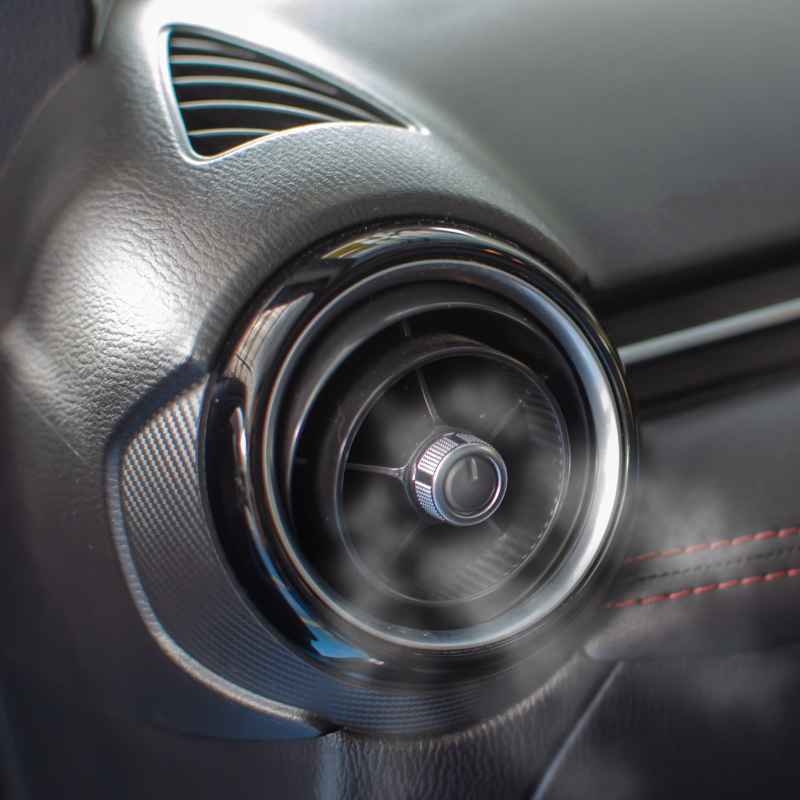
A/C kits for cars fall into two broad categories: vehicle-specific kits and universal kits. Each has its own advantages and drawbacks depending on your project and skill level.
Vehicle-specific kits are designed to bolt directly onto a particular make, model, and engine combination. They use the original mounting points and often reuse the factory controls, making installation more straightforward. Universal kits, on the other hand, require more adaptation and custom bracketing but can be used on almost any car.
| Feature | Vehicle-Specific Kit | Universal Kit |
|---|---|---|
| Fitment | Exact bolt-on | Requires adaptation |
| Difficulty | Moderate (DIY-friendly) | Advanced (professional recommended) |
| Price | $600–$1,500 | $300–$800 |
| Compatibility | Limited to one model | Works on many vehicles |
| Time to install | 6–12 hours | 12–20+ hours |
Choose a vehicle-specific kit if you want minimal fabrication and a cleaner install. Go with a universal kit only if you have fabrication experience and are comfortable with custom bracketry and wiring.
Warning: Universal A/C kits may not meet the same safety or efficiency standards as OEM-specific kits. Always check that the compressor mounting bracket is robust and that all moving parts have proper clearance.
Key Components in a Typical A/C Kit
Understanding what’s inside an A/C kit helps you evaluate quality and spot missing pieces. A complete system includes these main components.
- Compressor – The heart of the system, driven by the engine belt to pressurize refrigerant.
- Condenser – Mounted in front of the radiator, it cools and condenses the refrigerant.
- Evaporator – Located inside the dashboard, it absorbs heat from cabin air.
- Expansion valve (or orifice tube) – Meters refrigerant flow to the evaporator.
- Receiver-drier or accumulator – Filters contaminants and removes moisture.
- Hoses and fittings – Flexible lines with specialized fittings to connect components.
- Wiring harness and switch – Electrical connections for compressor clutch and cabin controls.
| Component | Function | Typical Lifespan |
|---|---|---|
| Compressor | Pressurizes refrigerant | 10–15 years |
| Condenser | Releases heat to outside air | 8–12 years |
| Evaporator | Cools cabin air | 10–15 years |
| Expansion valve | Controls refrigerant flow | 10+ years |
High-quality kits use OE-grade components that meet or exceed original specifications. Cheaper kits may use thin-walled condensers or lightweight compressors that wear out faster.
Tip: If you live in a hot climate, look for kits with a parallel-flow condenser rather than a tube-and-fin design. Parallel-flow provides better heat rejection and longer compressor life.
How to Choose the Right A/C Kit for Your Car
Selecting the correct A/C kit for your car requires matching several factors beyond just the make and model. Follow this step-by-step process to avoid buying the wrong parts.
- Identify your vehicle’s exact year, make, model, and engine size. Some kits vary by engine because the compressor mount differs.
- Decide whether you want a vehicle-specific or universal kit. Check forums and manufacturer websites for known-fitment issues.
- Verify the refrigerant type your existing system uses (R12, R134a, or R1234yf) and buy a kit designed for the same type or a conversion kit.
- Measure available space in the engine bay for the compressor and condenser. Some kits require relocation of other components.
- Read reviews from owners of the same car model. Look for feedback on installation difficulty and cooling performance.
- Check if the kit includes brackets, wiring, and fittings. Missing pieces can double your total cost.
- Confirm the warranty length and whether the manufacturer offers technical support.
According to the U.S. Department of Energy, running a car’s air conditioning can reduce fuel economy by up to 25% in stop-and-go driving. A properly sized, efficient kit minimizes that penalty while keeping you cool.
Important: If your car originally used R12 refrigerant (common before 1994), you cannot simply drop in an R134a kit without also replacing the drier and O-rings. Most modern kits are designed for R134a, but conversion from R12 requires thorough flushing of the old oil.
Installation: Can You Do It Yourself?
Installing an A/C kit for cars is a major project, but many experienced DIYers tackle it successfully. The difficulty level depends on whether you choose a vehicle-specific kit or a universal one.
For a vehicle-specific kit, plan on 6 to 12 hours of work if you have intermediate mechanical skills. You’ll need to remove the front bumper (for condenser access), possibly the dashboard (for evaporator access), and work under the hood to mount the compressor.
- Basic hand tools: socket set, wrenches, screwdrivers, pliers
- Specialty tools: vacuum pump, manifold gauge set, refrigerant scale, and flush kit
- Safety gear: safety glasses, gloves, and refrigerant-rated goggles
- Electrical knowledge: ability to splice wires and read a wiring diagram
- Access to a refrigerant recovery machine (required by EPA regulations in the U.S.)
If you lack experience with AC systems, hire a professional. Mistakes like overcharging refrigerant, not pulling a proper vacuum, or using the wrong PAG oil can destroy the compressor and void your warranty.
Warning: Never open an AC system that contains refrigerant unless you have a certified recovery machine. Releasing refrigerant into the atmosphere is illegal in most countries and damages the ozone layer.
Cost of Car A/C Kits: What to Expect
Prices for A/C kits for cars vary widely based on quality, included components, and vehicle fitment. You may pay as little as $300 for a basic universal kit or over $1,500 for a premium vehicle-specific setup.
| Kit Type | Price Range | Example Brands |
|---|---|---|
| Universal (basic) | $300–$600 | Classic Auto Air, Nostalgic AC |
| Universal (premium) | $600–$1,000 | Vintage Air, Old Air Products |
| Vehicle-specific | $800–$1,500 | Restomod Air, Hot Rod Air |
| Custom/race car | $1,200–$2,000+ | Custom built by shops |
Besides the kit itself, budget $100–$300 for additional supplies like refrigerant, compressor oil, hose clamps, and wiring connectors. Professional installation adds $500–$1,500 in labor.
Common Mistakes to Avoid When Buying an A/C Kit
Even experienced buyers make errors that cost time and money. Here are the most frequent pitfalls when purchasing A/C kits for cars.
- Assuming a universal kit fits without any modification. Always measure the available space and compare to the kit’s dimensions.
- Buying the cheapest kit on the market. Low-cost kits often use undersized condensers and weak compressors that cannot cool effectively.
- Not verifying the compressor rotation direction. The wrong rotation can destroy the compressor immediately.
- Skipping the vacuum step before charging. Moisture left in the system will freeze up and damage the expansion valve.
- Using incorrect PAG oil viscosity. Each compressor type requires a specific oil weight for proper lubrication.
- Forgetting to order a new receiver-drier. The drier must be replaced whenever the system is opened to the atmosphere.
- Ignoring local laws regarding refrigerant handling. Some areas require certification to purchase and handle refrigerant.
Tip: Before ordering, join a car model–specific forum or Facebook group and ask for real-world recommendations. Owners of the same vehicle often know which kits work best and which to avoid.
Benefits of Upgrading to a New A/C Kit
Replacing an old or non-functional AC system with a modern kit offers several advantages beyond just cold air. Here’s why many car owners choose to invest in a new A/C kit for cars.
- Improved cooling performance compared to worn-out original equipment
- Modern compressors are more efficient, reducing the load on the engine
- Switching from R12 to R134a or R1234yf makes future service easier and cheaper
- Newer components are more reliable and less prone to leaks
- Reduced noise and vibration, especially with updated mounting brackets
- Increased resale value, especially in hot climates where working AC is a must
- Better defrosting performance, improving safety in humid weather
A study by the Society of Automotive Engineers (SAE) found that modern variable-displacement compressors can reduce AC-related fuel consumption by 30% compared to fixed-displacement units. Many A/C kits for cars now include these efficient compressors.

Frequently Asked Questions
Can I install an A/C kit in a car that never had air conditioning?
Yes, but it’s more complex. You’ll need to mount the evaporator housing under the dashboard, run wiring to the controls, and install the condenser in front of the radiator. Many universal kits are sold specifically for this purpose.
Do I need special tools to install a car A/C kit?
Yes, at minimum you need a vacuum pump, manifold gauge set, and refrigerant scale. A refrigerant recovery machine is also required by law in many areas if the old system contains refrigerant.
Which refrigerant is best for a retrofitted A/C system?
R134a is the most common and affordable option for retrofits. R1234yf is used in newer vehicles but is more expensive and requires different fittings. Check local regulations, as R134a may be phased out in some regions.
How long does it take to install a car A/C kit?
For a vehicle-specific kit, expect 6–12 hours of labor. Universal kits can take 12–20 hours or more. Professional installation typically takes one to two days.
Will a new A/C kit fit any car model?
No. Vehicle-specific kits only fit the designated make and model. Universal kits can fit many cars but require custom bracketry and careful measurement.
Always verify compatibility before buying.
Final Thoughts
Choosing the right A/C kit for your car comes down to matching the kit to your vehicle and your skill level. Vehicle-specific kits offer the easiest installation, while universal kits provide flexibility at the cost of complexity. Take time to research brand reputation, read real owner reviews, and budget for hidden costs like refrigerant and professional help if needed.
A properly installed modern A/C kit will keep you comfortable for years and can even boost your car’s value.
Sponsored / affiliate links. As an Amazon Associate I earn from qualifying purchases. I may earn additional commission from eligible campaigns.
Products related to this article