5 Best AC Clutch Kits for DIY Repairs: Research Shows
The top pick is a full clutch kit that matches the compressor family and part number, because that gives you the best shot at fixing a noisy bearing, worn contact face, or weak coil without buying the wrong hardware. Start with the fault, then match the part number on the box to the compressor tag.
Quick comparison
| Product | Badge | Best for | Price | ||
|---|---|---|---|---|---|
 |
ECCPP AC Clutch 2003-2011 Fit for Honda Element 2.4L ACECCPP | Our pick | 2003-2011 Fit · Honda Element · 2.4L | $48.99
Price as of 26 Oct 2026
|
View |
 |
Four Seasons 47692 A/C Compressor ClutchFour Seasons | Budget pick | 47692 · New clutch assy · GM | $43.78
Price as of 26 Oct 2026
|
View |
 |
A-Premium Air Conditioner AC Compressor Clutch Kit |A-Premium | Also great | 12V · 10S17F · GM truck/SUV | $59.99
Price as of 26 Oct 2026
|
View |
 |
A/C AC Compressor Clutch Assembly Kit Pulley Coil Set forApplianPar | Pair with it | GMC Sierra · 4.8L/5.3L · 4 groove | $39.99
Price as of 26 Oct 2026
|
View |
 |
A-Premium Air Conditioner AC Compressor Clutch Kit |A-Premium | Upgrade pick | 12V · DKV10R/DKV10Z · Subaru | $79.99
Price as of 26 Oct 2026
|
View |
Use the comparison chart to separate bearing-only service from full clutch assembly replacement. The wrong buy often fixes one fault and leaves the real problem in place.
How we chose
These picks were compared by fitment specificity, included parts, repair scope, and whether the kit matches a bearing fault, coil fault, or worn friction surface. Also check whether each listing points to a compressor family or OEM-style part number, since that is what prevents mismatches.
Access to the front of the compressor matters too. On some engines, clutch work is direct. On others, pulley bearing service needs a puller, installer, or press, depending on design.
Finally, the list separates bearing-only repair from full clutch assembly replacement and from whole-compressor replacement. That split matters more than brand name when the compressor itself is damaged.
Quick picks
| Pick | Best for | Key fitment clue | Listed price |
|---|---|---|---|
| Four Seasons 47692 | GM drivers who want a new clutch assembly | New clutch assy, GM application | $43.78 |
| A-Premium GM truck/SUV kit | Broader GM coverage across truck and SUV lines | 10S17F, 12V, 2 mounting holes and diode | $59.99 |
| ApplianPar GMC Sierra kit | Select GMC Sierra 1500 repairs where pulley, plate, and coil are all needed | 4 groove, 4.8L/5.3L, pulley bearing included | $39.99 |
| A-Premium Subaru kit | Subaru owners who want a family-specific clutch kit | DKV10R/DKV10Z, multiple Subaru models and years | $79.99 |
| ECCPP Honda Element kit | Honda Element fitment where the compressor number matches the listing | 2003-2011 Honda Element 2.4L | $48.99 |
The safest first buy is the one that matches your compressor family, not just the vehicle badge. If you are unsure on fitment, verify the compressor part number before you order.
What is an AC compressor clutch kit?
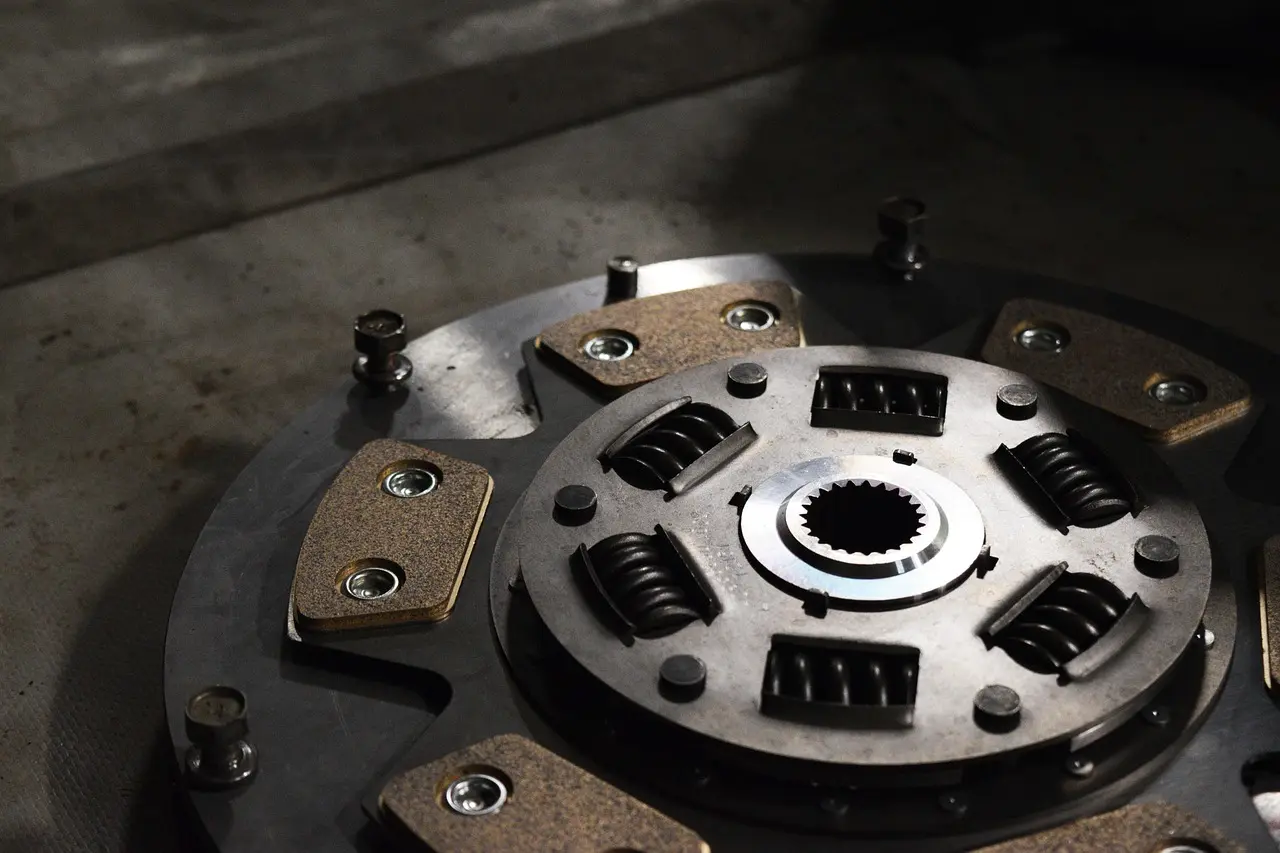
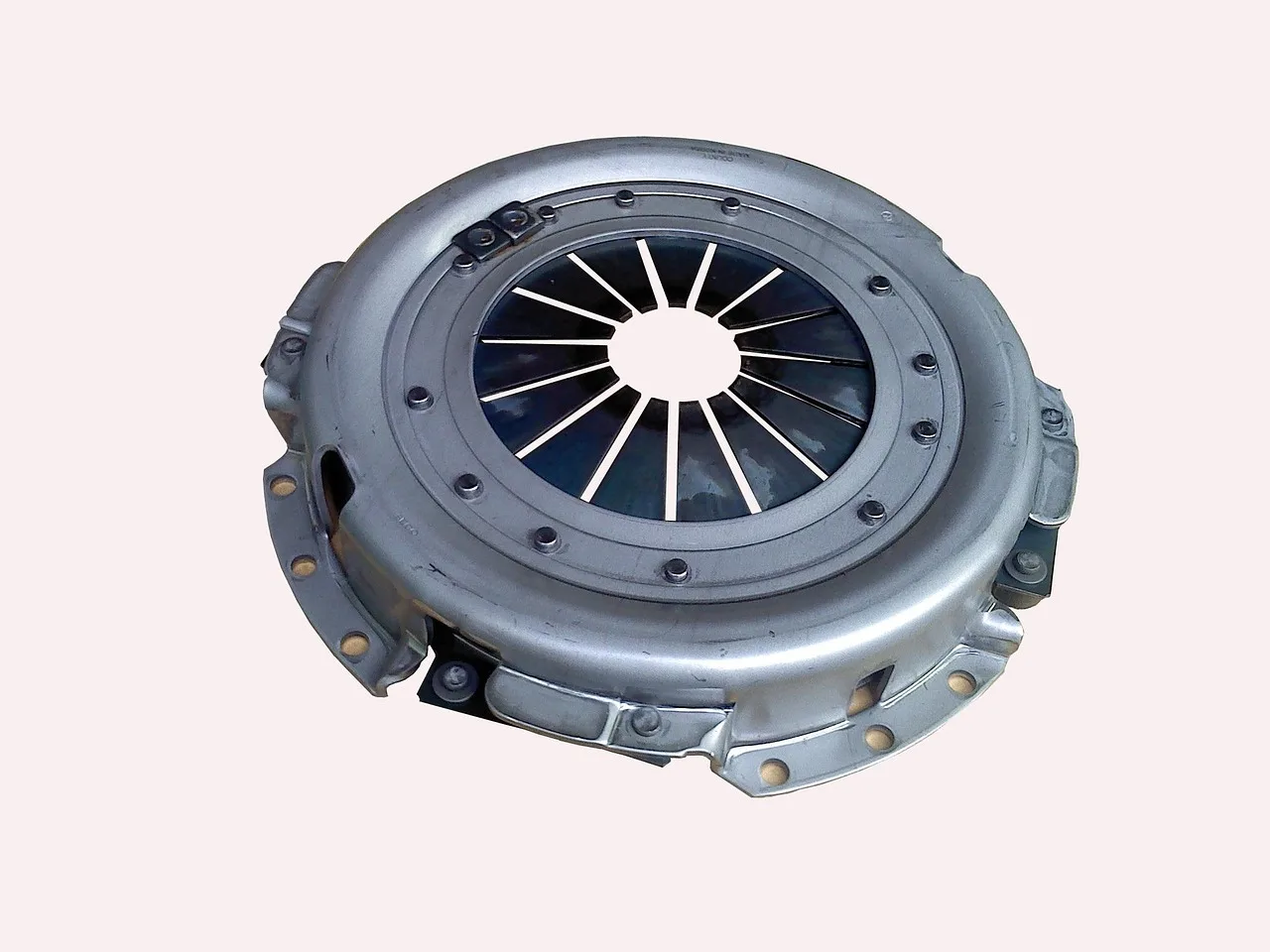
An AC compressor clutch kit usually includes the clutch plate, pulley, bearing, coil, and shims, though the exact contents can vary by application. The clutch is the electromagnetic switch that connects or disconnects the compressor from the engine’s serpentine belt, and it normally engages when the AC is turned on through the vehicle’s electrical system and relay.
That variation matters. Some kits are bearing-only service parts, some are full clutch assemblies, and some are built around a specific compressor family or OEM compressor part number.
Core parts typically included
A fuller kit often includes the friction plate, pulley, bearing, coil, and shim pack. A bearing-only kit may supply just the pulley bearing and related hardware, which is enough when the coil still pulls in and the friction face is not burnt or glazed.
Vehicle-specific fitment is the real filter. Make, model, year, engine, compressor family, and compressor part number all have to line up, especially on late-model trucks and crossovers where similar compressors use different hubs or coil connectors.
How do you know the clutch is bad?
A bad clutch usually shows up as noise at the front of the compressor, no engagement when AC is commanded on, a burned or slipping contact face, or a seized pulley bearing. A no-engagement complaint is not proof of a bad clutch by itself, because low refrigerant pressure, sensor logic, a fuse, or the relay can block command to the clutch.
Start with the basics. Verify that the compressor sits near the front of the engine, is driven by the serpentine belt, and inspect the area around the pulley and the two aluminum refrigerant lines for damage or oily residue that points to a larger compressor issue.
Noise, drag, seizure, and burned-coil clues
A bearing failure often sounds like growl, whine, or rumble that changes with engine speed. A slipping plate can leave dust, heat discoloration, or a smell of burnt friction material. If the pulley drags by hand with the belt off, or the front of the compressor is hard to turn when it should freewheel, the bearing or hub may be the issue.
What a multimeter can confirm
A digital multimeter is recommended to verify voltage at the clutch connector. It can also be used to test continuity in the clutch coil and to measure resistance for open or shorted windings in the clutch assembly. No voltage at the connector points you toward relay, fuse, pressure-switch, or module logic checks before you blame the clutch.
Relay, fuse, and pressure-switch checks
The compressor relay is part of the clutch-engagement path. If the relay is faulty, the clutch may never receive command power, even though the clutch itself is fine. Many systems also prevent engagement when refrigerant pressure is out of range, so a dead-looking clutch can be a protection strategy rather than a failed part.
Bearings-only kit: best for pulley noise
A bearing-only repair makes sense when the noise is clearly coming from the pulley area and the coil still energizes normally. The pulley bearing may be press-fit or serviceable depending on compressor design, and the bearing size and pulley compatibility have to match exactly or the new part will not seat correctly.
Choose this route when the pulley is intact, the friction plate still looks usable, and the compressor body shows no sign of internal damage. If the bearing has seized long enough to damage the pulley, hub, or shaft area, a bearing-only kit is usually not enough.
Press-fit versus serviceable bearing designs
Some compressors allow a bearing swap with the pulley removed, while others require a press and proper installers. That distinction affects both cost and DIY difficulty. If the bearing is not serviceable separately, the practical repair may move from a clutch service to a full clutch assembly or compressor replacement.
Full clutch kit: best for worn friction surfaces
A full clutch kit is often the better buy when the coil, pulley, and friction plate all show age or heat damage, or when the air gap and contact face are beyond manufacturer limits. The air gap must be checked against the compressor or vehicle specification, not guessed from a generic number.
This is the path for a clutch that clicks but does not pull in reliably, slips under load, or shows uneven wear. It also gives you the best shot at fixing an intermittent engagement issue when the compressor itself is still healthy.
Fitment by make, model, year, and compressor number
Use vehicle fitment first, then compressor family, then OEM compressor part number. A kit that fits a 2014-2018 Forester may not fit a different Subaru compressor even if the engine size looks similar on paper. The same caution applies to GM truck and SUV applications with multiple compressor variants.
Say your Silverado has a front-end clutch rattle but the pulley still spins smoothly by hand and the coil measures normally. That points you toward a clutch assembly or bearing service, not a full compressor swap, as long as the compressor body is dry and the refrigerant lines look intact.
Compressor replacement: best for seized compressors
Replace the whole compressor when the clutch problem is really a symptom of internal compressor damage. Metal debris, seized pulley movement with the belt removed, refrigerant oil contamination, or visible leaks at the compressor body point beyond a clutch-only repair.
If the compressor pulley area is damaged and the refrigerant lines show oily residue or impact damage, a clutch kit will not fix the underlying fault. In that case, clutch work can become wasted labor.
Visual checks for damage or leaks
Inspect the compressor housing, the pulley area, and the two aluminum refrigerant lines: the larger low-pressure line and the smaller high-pressure line. If the compressor nose is scarred, the hub is blue from heat, or the lines and fittings show leak signs, the repair scope has likely moved past the clutch.
A common first-timer mistake is replacing a clutch because the AC stopped cooling, then finding out the compressor had seized and dragged the belt issue into a bigger job. A seized compressor is a mechanical failure, not just an electrical one.
Clutch repair decision table
| Symptom | Likely failed component | Tests to confirm | Required tools | DIY difficulty |
|---|---|---|---|---|
| Loud growl or rumble from the pulley area | AC compressor clutch bearing | Spin pulley by hand with belt removed; listen for roughness; check for play | Wrenches, sockets, puller or installer if required, repair manual | Moderate |
| Clutch clicks but slips or smells burnt | Worn friction plate or incorrect air gap | Check clutch face for glazing; verify air gap against compressor spec; verify coil pull-in | Feeler gauge, multimeter, sockets, shims | Moderate |
| No engagement, no click, no pull-in | Coil, relay, fuse, pressure logic, or wiring | Check voltage at connector; check coil continuity and resistance; verify relay command | Digital multimeter, jumper wire for temporary testing only, wiring diagram | Moderate to advanced |
| Pulley will not turn or compressor binds | Seized compressor | Remove belt and check rotation; inspect for metal debris or oil leaks | Hand tools, serpentine belt tool, inspection light | Advanced |
| Repeated clutch failure after replacement | Wrong fitment, damaged pulley, or failing compressor | Confirm compressor part number; inspect pulley alignment; recheck system pressure control | Parts catalog, multimeter, socket set, manual | Advanced |
Which one should you buy?
Choose by symptom first, then by fitment confidence. If the complaint is pulley noise, start with a bearing-focused repair. If the coil will not energize and the rest of the compressor is healthy, a full clutch kit is often the better buy. If the compressor is seized or leaking, stop shopping for clutch parts and plan on the compressor.
Choose by tools and access second. Some kits are reasonable DIY work with sockets, a multimeter, and a puller or installer. Others need press work or enough access to handle the pulley and hub without damaging the compressor nose.
Choose by part-number match third. A kit with the correct vehicle listing but the wrong compressor family can look right and still fail on the bench. For a quick shortlist, the Four Seasons 47692 suits GM buyers who want a new clutch assembly, the A-Premium GM truck/SUV kit covers a wider range of GM applications, the ApplianPar kit targets select GMC Sierra 1500 engines, the A-Premium Subaru kit serves several Subaru models and years, and the ECCPP kit is the fitment-specific Honda Element option.
What tools do you need to replace an AC compressor clutch kit?
Most DIY clutch jobs start with basic hand tools, a digital multimeter, and a jumper wire for temporary testing only. You will also want a repair manual or diagrams, because compressor locations, connector access, and pulley hardware vary by vehicle and compressor family.
Beyond that, the job may call for a puller, installer, feeler gauge, or press access if the bearing is not serviceable in place. Always disconnect the negative battery terminal first; the terminal is usually loosened with a 10mm wrench.
- Disconnect the negative battery terminal.
- Locate the compressor near the front of the engine and identify the clutch connector.
- Inspect the serpentine belt path before removing any hardware.
- Check voltage, continuity, and resistance with a digital multimeter.
- Use service tools or a puller only if the compressor design calls for them.
Keep clear of the serpentine belt and hot engine parts. The clutch sits in a tight front-of-engine area, and careless testing can catch fingers, wiring, or clothing.
How do you test an AC compressor clutch with a multimeter?
A digital multimeter can check voltage at the clutch connector, continuity in the coil, and resistance for open or shorted windings. That gives you a clean electrical picture before you condemn the clutch assembly itself. If power is missing, step back to relay, fuse, pressure switch, and command logic checks.
First confirm the connector has power when the AC is commanded on. Then disconnect the circuit and check coil continuity and resistance at the clutch assembly. An open reading or a clearly abnormal resistance reading supports a failed coil, but the system still needs a full diagnosis if the compressor control logic is blocking engagement.
Use the meter in the right order
Check for supply voltage first, then continuity, then resistance. That order helps separate a wiring or control fault from a clutch fault. If voltage reaches the connector but the clutch does not engage, the problem may be in the coil, the air gap, or the mechanical side of the assembly.
Is it safe to manually engage an AC compressor clutch?
Only as a brief test, and only with the vehicle secured and the fan, belt, and hot parts kept clear. A jumper wire is a temporary bypass tool for electrical testing, not a permanent fix, and it should be used cautiously because current draw and unintended engagement can create damage or injury.
Manual engagement can help confirm whether the clutch will pull in, but it does not prove the whole AC system is healthy. If the compressor is locked up, or if the system is intentionally disabling the clutch because of pressure or sensor logic, forcing the circuit is the wrong move.
Use jumper testing only for confirmation
Use a jumper wire only when you understand the vehicle-specific circuit and the test point. Keep the test brief, avoid direct battery bypasses that ignore fuse protection, and do not leave the clutch energized by hand. The goal is confirmation, not operation.
How do I find the right clutch kit for my car?
Start with the compressor family, not just the vehicle nameplate. Then match the OEM compressor part number, connector style, pulley groove count, and any notes on diode or mounting-hole layout. Make, model, year, engine, and compressor variant all matter when the catalog splits similar-looking parts.
The safest approach is to verify the compressor tag or part number on the unit itself and compare it to the listing. That is especially important when a kit is sold for a broad vehicle group, since multiple compressor versions can live under the same trim line.
Suppose you own a 2015 GM truck and the listing calls out 10S17F with 12V and two mounting holes. That is a much stronger fit clue than a vague “fits GM” statement, because it narrows the compressor family before you buy anything.
What are the signs of a seized compressor clutch bearing?
A seized clutch bearing usually shows up as a harsh growl before failure, then pulley drag or total lockup at the front of the compressor. The belt may squeal, the pulley may overheat, and the bearing can turn rough or stop moving altogether when checked by hand with the belt removed.
Bearings can fail as press-fit parts or as serviceable components, depending on compressor design. If the pulley is damaged, out of alignment, or scarred from heat, the bearing is no longer the only problem and a bearing-only kit may not be enough.
Check for play, rough spin, and heat discoloration around the pulley hub. If the compressor itself is starting to bind or the nose shows debris, the safer repair path is usually a full clutch assembly or a compressor replacement, depending on what else the inspection shows.
Frequently asked questions
How do I know if my AC compressor clutch is bad?
Look for pulley noise, no engagement when the AC is turned on, a burnt or slipping contact face, or a clutch that pulls in only intermittently. Then verify power, continuity, and resistance with a digital multimeter before replacing parts, because relay, fuse, and pressure logic faults can mimic clutch failure.
Can I replace just the clutch instead of the whole compressor?
Yes, if the compressor body is healthy and the fault is limited to the clutch assembly, pulley bearing, or coil. If the compressor is seized, leaking, or contaminated with debris, clutch replacement will not solve the root problem and the whole compressor becomes the better repair path.
Products related to this article
Sponsored / affiliate links. As an Amazon Associate I earn from qualifying purchases. I may earn additional commission from eligible campaigns.