How to Tell If Your Car Alternator Is Bad: Signs & Symptoms
A bad alternator usually shows up as dimming headlights, a battery warning light, or a car that struggles to start and stalls without warning.
Since the alternator recharges your battery and powers every electrical system while the engine runs, a failing one drains your battery instead of charging it, and every accessory in the car suffers along with it.
Below are the warning signs to watch for, plus a simple test that tells you for certain whether the alternator or the battery is actually at fault.
Dimming or Flickering Lights
BEST FOR DIY ALTERNATOR VOLTAGE TESTING
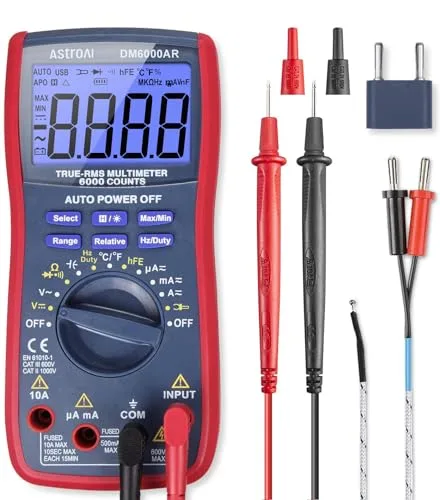 |
AstroAI Digital Multimeter (True RMS 6000 Counts) – $34.99 This is the exact type of tool used in the multimeter test below to check whether your alternator is charging in the 13.8 to 14.4 volt range.
|
Headlights, dome lights, and dashboard lights all draw power from the alternator once the engine is running. When the alternator cannot keep up, the first thing you will usually notice is lights that dim at idle, flicker when you turn on the AC or defroster, or brighten and dim in rhythm with engine RPM. A healthy alternator keeps voltage steady no matter what else is running; one that is failing cannot.
Pay attention to how the lights behave the moment you start the engine, too. If they are noticeably dimmer than usual and do not perk back up once the engine settles into idle, that is an early sign worth checking before it turns into a no-start situation.
A Battery Warning Light on the Dashboard
Most cars have a battery-shaped warning light on the dash, and despite its name, it is actually reporting on the charging system, not just the battery itself. If it comes on while you are driving, the alternator has usually stopped charging correctly or has failed outright. Do not dismiss it as a fluke; a healthy alternator with a properly connected battery keeps that light off at all times.
Slow Starts and Sudden Stalling
An alternator that is losing output often shows up first as a car that cranks slower than normal, sometimes with a single clicking sound instead of a full crank. That happens because the battery, no longer getting a proper charge, does not have enough reserve left to spin the starter with authority.
A worse sign is an engine that stalls while you are actually driving. Once the alternator stops supplying power, the car is running purely on whatever charge is left in the battery, and the ignition and fuel systems can lose the steady voltage they need to keep running. If your car has stalled and needed a jump more than once in a short period, treat it as an alternator problem until proven otherwise, not just a battery problem.
Grinding, Whining, or Squealing Noises
The alternator spins constantly whenever the engine is running, driven by the serpentine belt, and it makes noise when something inside it wears out. A high-pitched whine that changes pitch with engine speed usually points to worn bearings inside the alternator itself. A squeal or rattle, on the other hand, more often comes from a loose or glazed belt slipping on the pulley rather than the alternator itself.
Either way, do not ignore new noise from that part of the engine bay. A worn belt is a cheap fix if you catch it early, but a slipping belt that gets ignored can eventually take the alternator down with it.
A Battery That Keeps Dying
The alternator’s main job is putting back into the battery whatever the starter and accessories pulled out of it. If your battery is dead again a day or two after a jump-start, or it needs a boost every cold morning, the alternator is a much likelier culprit than the battery itself, especially if the battery is less than three or four years old. Corroded terminals can mimic the same symptom, so it is worth cleaning the posts and connections before you assume the alternator has failed.
A jump-start will get you moving again, but it is not a repair. If the alternator cannot recharge the battery on the drive home, you will be right back where you started within a day.
Erratic Gauges and Warning Lights
Unstable voltage from a failing alternator does not just affect your headlights; it can make the speedometer, fuel gauge, or temperature gauge jump around or read incorrectly. If your gauges are acting strange and there is no obvious mechanical reason for it, check the charging system before you start chasing sensor problems elsewhere in the car.
Weak Radio, AC, and Power Accessories
Anything that runs on electricity competes for the same limited power a struggling alternator can supply. Expect the radio to lose volume or cut out, the air conditioning blower to weaken, power windows to move slowly, and door locks to hesitate or fail intermittently. These symptoms tend to show up gradually, so it is easy to write them off individually until you notice several happening at once.
A Burning Smell From Under the Hood
A hot, burning rubber or electrical smell coming from the engine bay is one of the more urgent signs of alternator trouble. It usually means the drive belt is slipping and overheating against the alternator pulley, or that the alternator’s internal windings are overheating from being overworked. If you smell burning rubber or hot wiring, do not keep driving on it; pull over and have the charging system checked before the belt fails completely.
Visual Inspection: Corrosion and Worn Belts
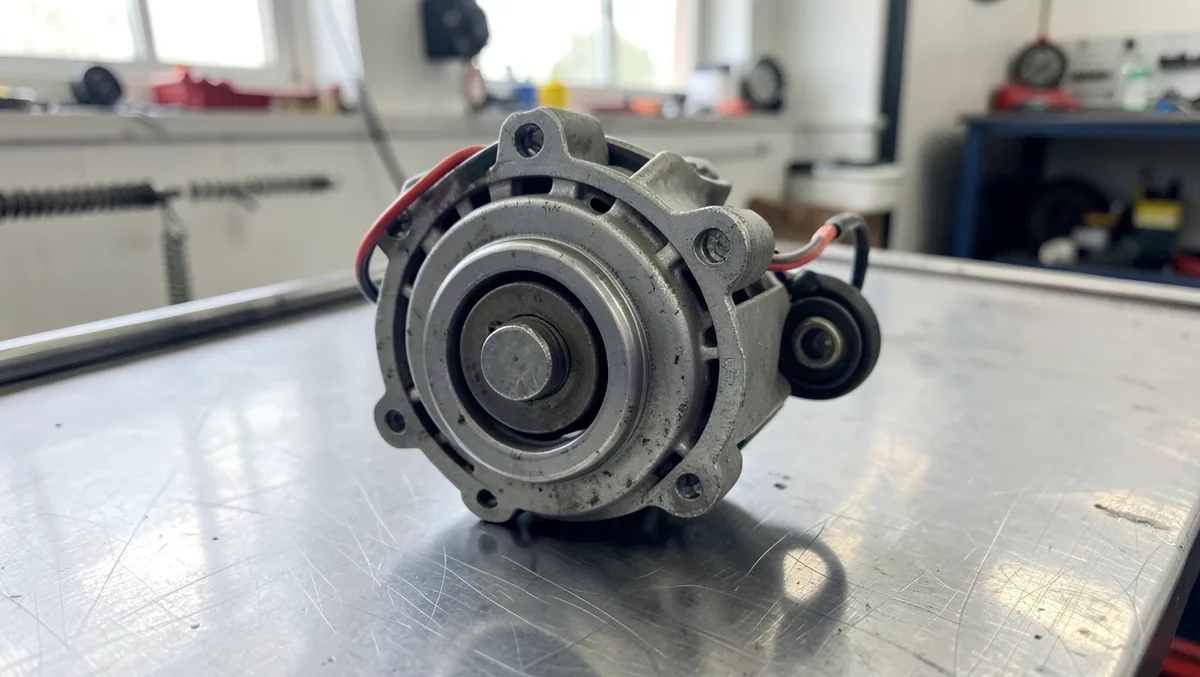
With the engine off, a look under the hood can confirm what the symptoms are telling you. Check the alternator housing for rust, cracked plastic, or a coating of road grime, and look at the wiring connector for corrosion or a loose plug; any of these can prevent the alternator from charging properly even if the unit itself is otherwise fine.
Then check the belt that drives it. It should be tight, free of deep cracks, and glaze-free where it wraps the pulleys. A belt that is loose, cracked, or glazed can slip under load, which starves the alternator of the rotation speed it needs to generate a full charge, and a belt that snaps outright will stop the alternator from spinning at all.
Alternator or Battery? How to Tell the Difference
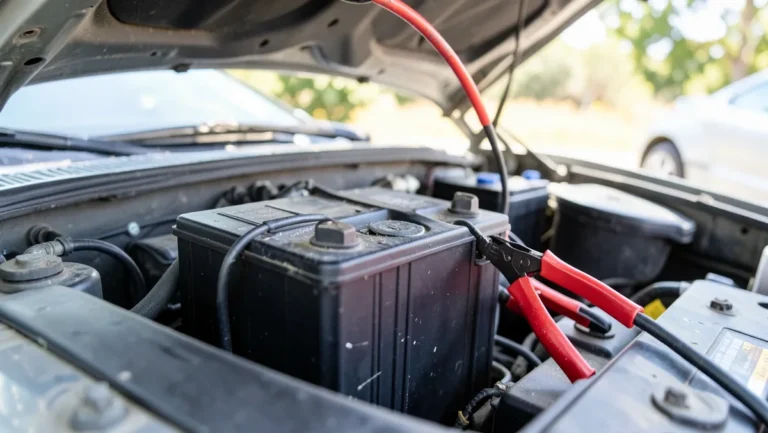
Because a bad alternator and a bad battery cause nearly identical symptoms, it helps to have one quick way to tell them apart. If jumper cables from another vehicle get your car started, disconnect the cables and let your engine run on its own; if it keeps running, the alternator is doing its job and the battery was likely the weak link. If the engine dies as soon as you unhook the jumper cables, the alternator is not putting out enough power to sustain the engine on its own, which points squarely at the charging system.
The video above walks through this same jumper-cable test in more detail if you want to see it in action before trying it yourself.
Testing the Alternator With a Multimeter
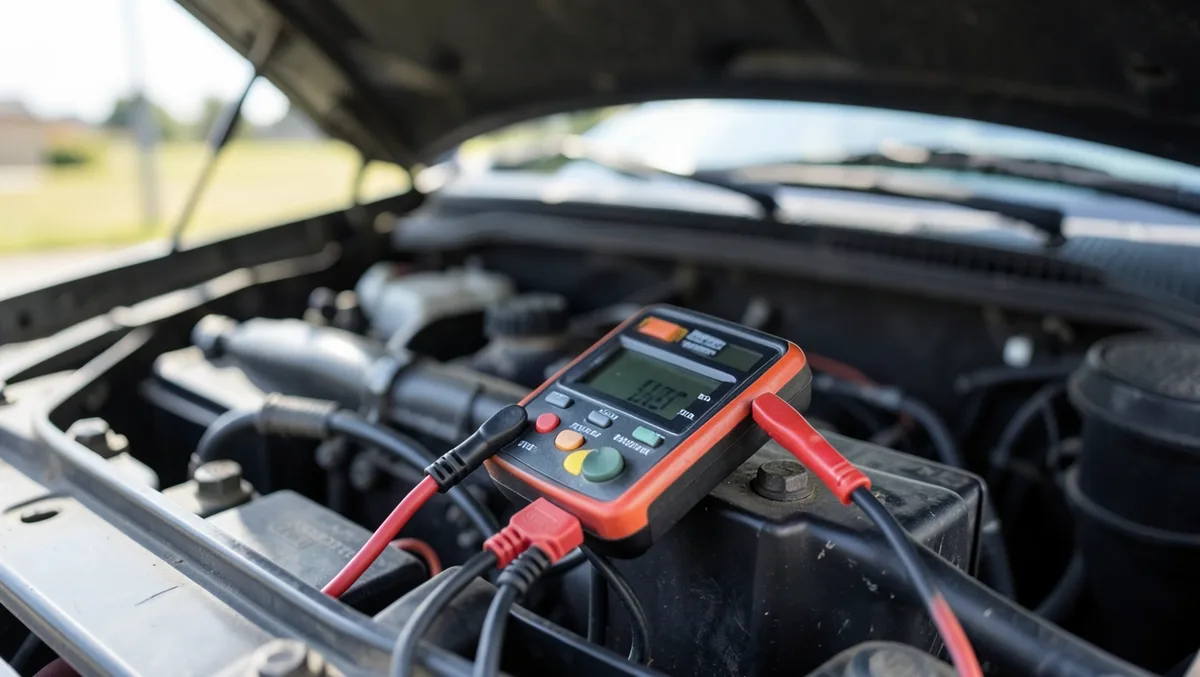
A multimeter gives you a definite answer instead of a guess. Set it to DC voltage, touch the black lead to the battery’s negative terminal and the red lead to the positive terminal, and read the number with the engine running. A healthy charging system should read between 13.8 and 14.4 volts. Anything noticeably lower means the alternator is not charging enough; a reading well above 14.4 volts usually points to a bad voltage regulator overcharging the battery, which is just as damaging over time.
Test with the engine at a normal idle first, then again with the headlights, AC, and blower fan all switched on. A healthy alternator should hold voltage steady even under that extra load; if the reading drops noticeably once the accessories come on, the alternator is struggling to keep up with real-world demand.
When to See a Professional
A multimeter reading tells you there is a problem, but a shop can confirm exactly what is failing, whether that is the alternator itself, the voltage regulator, the belt, or a bad connection at the battery. Most auto parts stores will test an alternator for free if you bring it in, and a mechanic can load-test the whole charging system on the car in a few minutes. Given how quickly a failing alternator can leave you stranded, it is worth getting it checked as soon as you notice more than one of the signs above.
Frequently Asked Questions
How does a car act when the alternator is going out?
A failing alternator typically causes dimming or flickering lights, a battery warning light on the dash, slow cranking or clicking when starting, and accessories like the radio or power windows working weaker than normal. In more advanced cases, the engine can stall while driving or refuse to restart. Getting it tested as soon as you notice these signs helps you avoid getting stranded.
What are the symptoms of a bad alternator?
The main symptoms are dim or flickering lights, a battery that keeps dying even though it is not old, strange grinding or whining noises from the engine bay, a burning rubber smell, and a battery warning light on the dashboard. Several of these showing up together, rather than just one, is a strong sign the alternator itself is the problem rather than the battery.
How can I test if my alternator is bad?
Set a multimeter to DC voltage and touch the leads to the battery terminals with the engine running. A healthy alternator reads between 13.8 and 14.4 volts; a lower reading means it is not charging enough. You can also try the jumper-cable test: if the engine keeps running after you disconnect jumper cables from another car, the alternator is working; if it dies immediately, it is not.
How do you tell if you need a new alternator?
If your voltage test reads well outside the 13.8 to 14.4 volt range, if the battery keeps dying despite being in good condition, or if you hear a worn-bearing whine from the alternator itself, replacement is usually the answer. A mechanic can confirm this with a load test before you spend money on a new unit.
Can I still drive with a bad alternator?
You can drive for a short distance on battery power alone, but the car will eventually stall once the battery runs down, and it can leave you stranded somewhere inconvenient or unsafe. If you smell burning rubber or the battery warning light is on, treat it as a get-it-checked-today problem rather than something to put off.
Bottom Line
Catching a failing alternator early is far cheaper than dealing with a dead battery on the side of the road. Watch for dimming lights, a battery that will not hold a charge, unusual noises, or a burning smell, and confirm your suspicion with a five-minute multimeter test before you assume the battery is the problem. If the numbers do not check out, get the charging system tested professionally and have the alternator replaced before it strands you.
Products related to this article
Sponsored / affiliate links. As an Amazon Associate I earn from qualifying purchases. I may earn additional commission from eligible campaigns.