How To Flush An Ac System In A Car (Complete Guide)
This guide will walk you through the steps and ideas behind flushing a car’s AC system. We’ll break down what it means, why you might need it, and how it helps. You’ll learn the signs to look for and what the whole process involves. By the end, you’ll feel much more confident about keeping your car’s cool.
Flushing a car AC system involves using a special solvent to clean out old refrigerant oil, debris, and contaminants from the AC lines. This is usually done to clear blockages or after a major component failure, like a compressor breaking apart. The goal is to prepare the system for new refrigerant and oil, ensuring it works efficiently and to prevent damage to new parts.
What Does Flushing a Car AC System Mean?
Flushing a car AC system means cleaning out its internal parts. Think of it like giving your car’s cooling pipes a deep clean. This process uses a special liquid, called a flushing agent. This agent travels through the AC lines. It picks up old oil, tiny bits of metal, and other gunk.
Why is this cleaning needed? Well, car AC systems aren’t always perfect. Sometimes, parts wear out or fail. When this happens, small bits can get pushed around. These bits can clog up the system. Old oil can also break down over time. Flushing removes all these unwanted things.
The main goal is to get the system as clean as possible. This is especially true if a part like the AC compressor failed badly. When a compressor breaks, it can send metal shavings everywhere. Without a thorough flush, these shavings can damage the new compressor. They can also block other parts like the expansion valve or condenser.

Why Would You Need to Flush Your Car’s AC?
Most of the time, your car’s AC system doesn’t need a flush. It’s a pretty robust system designed to last. However, there are a few key situations where flushing becomes very important. It’s not a routine maintenance item. It’s usually a fix for a specific problem.
The most common reason is a failed AC compressor. Compressors are like the heart of your AC. When a compressor fails, especially in a way that breaks internal parts, it sends tiny metal pieces and debris throughout the entire AC system. If you just replace the failed compressor and recharge the system, those little metal bits will likely go right into the new compressor and destroy it quickly. Flushing helps remove all that harmful debris.
Another reason is if the system was contaminated with moisture or the wrong type of refrigerant or oil. While usually, this might cause other issues, a severe contamination can warrant a flush. Also, if there’s been a blockage in the system that’s been difficult to diagnose, flushing can sometimes clear it. Some mechanics also recommend a flush if a major component like the condenser or evaporator has been replaced due to a leak that might have let in dirt or moisture.
Signs Your AC Might Need a Deeper Look
- Weak Cooling: Air isn’t as cold as it used to be, even on max settings.
- Strange Noises: Grinding, squealing, or rattling sounds from the AC components.
- AC System Failure: Complete loss of cooling, often after a component failure.
- Refrigerant Leaks: Frequent need to recharge the system.
- Odor: Musty or unusual smells coming from the vents.
How Does the Flushing Process Work?
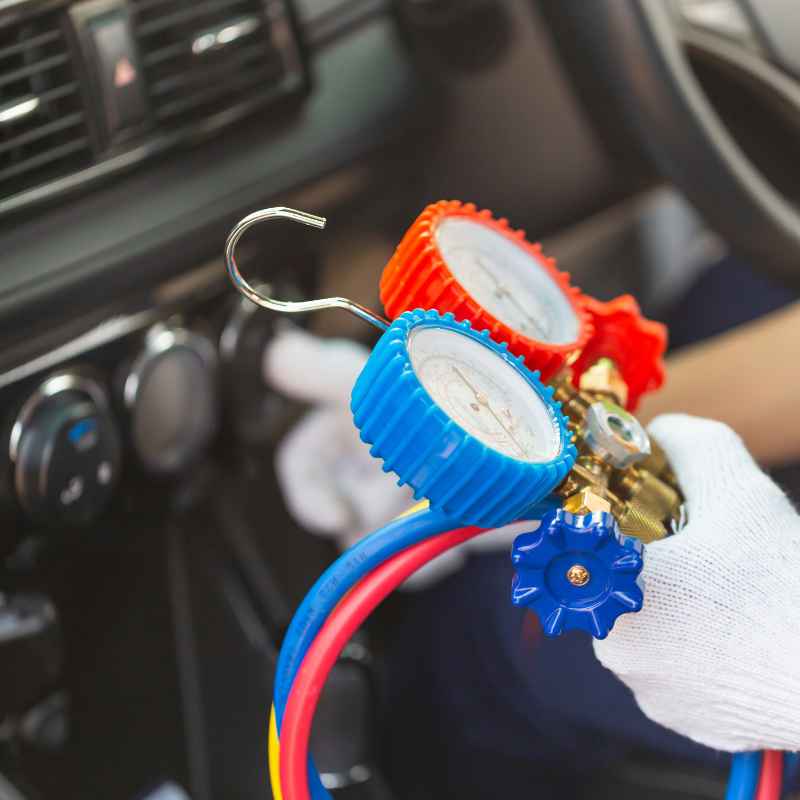
Flushing an AC system is a detailed job. It’s not something most people can do in their driveway. It requires special tools and chemicals. Mechanics follow a pretty set process to make sure it’s done right. The main idea is to force the cleaning fluid through the system in a specific direction.
First, the system must be completely empty of refrigerant. This is a safety and environmental requirement. Then, depending on the type of flush kit used, different components might be temporarily bypassed or removed. For example, if the compressor failed badly, you might remove it entirely. Then, the flush kit is connected to the AC lines.
A special flushing solvent is pumped through the system. This is often done in reverse of the normal refrigerant flow. This helps dislodge any debris stuck in the evaporator core or condenser. The solvent, carrying the gunk with it, is then collected. This process is repeated several times. They might flush from the compressor connection towards the condenser, then from the condenser towards the evaporator, and so on.
After the flushing, the lines need to be completely dried. This is super important. Any moisture left in the system can cause new problems, like freezing up or creating acidic oil. A vacuum is usually pulled on the system for a long time to remove all moisture and air. Only then can the system be recharged with the correct type and amount of refrigerant and lubricating oil.
Key Components Involved in Flushing
Flushing Machine/Kit: Special equipment designed to force cleaning solvent through AC lines.
Flushing Solvent: A chemical that dissolves old oil and breaks down contaminants.
Vacuum Pump: Used to remove air and moisture from the system after flushing.
Nitrogen (Optional): Sometimes used to blow out residual solvent and debris.
My Own Experience with a Stubborn AC Flush
I remember one summer, my old pickup truck’s AC just died. It wasn’t blowing cold at all. I took it to a local shop, and the mechanic found that the compressor had gone kaput. He showed me a little bit of metal dust in the oil he drained out. It wasn’t a lot, but he said it was enough to risk ruining a new compressor.
He explained we had to flush the system. I was a bit nervous because I’d never heard of this before. He said it would take a few hours. The whole process involved disconnecting lines and using that special solvent. I could see through a small window on his machine how murky the solvent got as it passed through my truck’s old AC lines.
It felt like a real mess, but he was so calm about it. He said it’s the only way to be sure. After he finished, he pulled a deep vacuum on the system. He let it run for ages to make sure it was bone dry. Then he added the new oil and refrigerant. When I got the truck back, the AC was blasting colder than I’d ever remembered. That experience really showed me how important that detailed cleaning was.
What About Flushing Specific AC Components?
Sometimes, not the whole system needs flushing. Maybe just one part is suspect. Or perhaps a very specific type of contamination happened. This is where mechanics might get more targeted with their cleaning.
Evaporator Core: This is the part inside your car’s dashboard that gets cold. If it gets clogged with debris, it can’t cool the air well. Flushing the evaporator involves running solvent through it. Sometimes, if it’s too badly clogged, it might need replacement.
Condenser: This is usually in front of your car’s radiator. It releases heat from the refrigerant. If debris gets in here, it can stop the system from releasing enough heat. Flushing can help clear out blockages in the condenser.
AC Lines and Hoses: These are the metal pipes and rubber hoses that connect everything. If the compressor failed, shavings can get stuck in these. Flushing is vital to clean them out. They are usually flushed in sections.
Receiver-Drier / Accumulator: These parts contain a desiccant that absorbs moisture. If the system has been open to the air for a long time, or if there was a leak, this part is often replaced anyway. It’s a cheap part that does a lot of work. Flushing is usually done before or after replacing these.
Expansion Valve / Orifice Tube: These small parts control refrigerant flow. They are very sensitive to dirt. If they get clogged, the AC won’t work right. Flushing is important to make sure these tiny passages are clear.
Contrast: Flushing vs. Regular AC Maintenance
| Feature | Flushing | Regular Maintenance |
|---|---|---|
| When it’s done: | After major component failure (like compressor) or contamination. | Routine check-ups, usually yearly or every other year. |
| What it targets: | Internal debris, old oil, metal shavings, and contaminants. | Refrigerant level, leak checks, cabin air filter, condenser cleanliness. |
| Complexity: | High; requires special tools and chemicals. | Moderate; can be done by DIYer or mechanic. |
| Purpose: | System restoration and protection of new parts. | Preventative care and optimal performance. |
Can You DIY Flushing a Car AC System?
Honestly, for most people, attempting a DIY flush of a car AC system is not recommended. This isn’t like changing your oil or replacing an air filter. It requires specialized tools and knowledge.
First, you need to handle refrigerants safely. It’s illegal and harmful to vent refrigerant into the atmosphere. Proper recovery equipment is a must. Then, there’s the flushing equipment itself. These machines are expensive and need to be used correctly.
Using the wrong type of flushing solvent or not getting all of it out can cause major problems. Leaving moisture in the system is a big one. It can create acid that eats away at AC components. Plus, you need to know the correct way to flush each part of the system. Some parts might need flushing in one direction, others in reverse.
If you don’t get it all out, the solvent can mix with new refrigerant and oil, causing damage. The risk of making the problem worse or creating new, expensive problems is very high. It’s really best to leave this job to trained professionals with the right tools and experience. They know how to do it safely and effectively.
DIY AC Tasks to Consider (vs. Flushing)
- Replacing Cabin Air Filter: Usually easy, located behind the glove box.
- Cleaning Condenser Fins: Gentle spray with water or compressed air from the front.
- Checking for Obvious Leaks: Visual inspection for oily residue on hoses and connections.
- Recharging Refrigerant (with caution): Only if you’re sure it’s just low and know the correct type/amount.
What Are the Risks of NOT Flushing When Needed?
If your AC system has experienced a major failure, like a compressor shredding itself, and you skip the flushing step, the consequences can be severe. It’s like ignoring a serious health problem. You’re setting yourself up for more trouble down the road.
The most immediate and costly risk is destroying the new compressor. Those metal shavings and debris floating around will quickly grind down the seals and bearings of a brand new compressor. You’ll be back to square one, but now you’ve paid for a new compressor that’s already damaged. This can lead to repeat repairs and escalating costs.
Beyond the compressor, other parts are also at risk. Debris can clog the expansion valve or orifice tube, causing incorrect refrigerant flow. This can lead to poor cooling and potentially damage the compressor. It can also clog the condenser or evaporator, reducing their ability to transfer heat effectively. Over time, this can lead to system inefficiencies and premature wear on all components.
Moisture left in the system can combine with refrigerant and oil to form corrosive acids. These acids eat away at metal parts, seals, and O-rings, leading to leaks and further contamination. So, while skipping a flush might seem like saving money upfront, it almost always leads to much higher repair bills and a shorter lifespan for your car’s AC system.
When is a Flush NOT Necessary?
It’s important to remember that flushing is a specific repair procedure, not general maintenance. For many AC issues, a flush is completely unnecessary and could even be harmful if done incorrectly.
If your AC is just blowing warm air and there’s no sign of component failure or contamination, it’s likely a simple issue. Maybe the system is low on refrigerant due to a small leak. Or perhaps the condenser is blocked by leaves and dirt. The cabin air filter might be clogged. In these cases, a simple recharge, leak repair, or cleaning will solve the problem.
If your AC system has been working perfectly and you want to keep it that way, routine checks are the best approach. This includes checking refrigerant levels, ensuring no leaks, and keeping the condenser clean. You might
Flushing is really a corrective measure for specific, often serious, problems. It’s not a preventative tune-up for your AC. Always consult with a qualified AC technician to diagnose the exact issue before considering a flush. They can tell you if it’s truly needed or if a simpler solution exists.
Situations Where Flushing is Likely NOT Needed
- Slightly Warm Air: Usually a refrigerant or minor leak issue.
- Condenser Blockage: Leaves, dirt, or debris blocking airflow.
- Clogged Cabin Air Filter: Affects airflow, not cooling efficiency directly.
- Routine Maintenance: General AC checks and top-offs.
- New Part Installed (No Failure): If a new hose or O-ring is
What This Means for Your Car’s AC Performance
When your car’s AC system is properly flushed after a major incident, it means the system is reset. All the harmful stuff that could cause damage is gone. This allows the new parts, especially a new compressor, to work as they were designed to.
This translates directly into restored cooling performance. The air coming out of your vents will be cold again. The system will run more efficiently, meaning it uses less engine power. This can have a small positive impact on fuel economy too.
It also means the lifespan of your AC components is likely to be much longer. By removing the debris and contaminants, you prevent them from causing wear and tear on the new compressor and other delicate parts. It’s a crucial step to ensure your repair lasts.
On the flip side, if you don’t flush when needed, it means continued trouble. You’ll likely face repeat breakdowns, increased repair costs, and poor performance. Your AC will struggle to keep you cool, especially on the hottest days.
Quick Checks You Can Do (Before or After a Potential Flush)
While a full flush is a pro job, you can do a few simple checks. These can help you understand your AC’s condition or confirm if a flush might be needed.
Listen to Your AC: When you turn it on, does it make any new, strange noises? Grinding, hissing, or squealing can point to problems inside. A failed compressor might make a loud clunk when it dies.
Check Airflow: Is the air coming out strong, or is it weak? Weak airflow often means a clogged cabin air filter. But if the air is cold and strong, and still not cooling, something else is wrong.
Look for Leaks: With the engine off, visually inspect AC hoses and connections. Look for any oily residue. This residue is often oil mixed with refrigerant, indicating a leak. Leaks can let dirt and moisture in.
Feel the Coldness: On a warm day, let your AC run for a few minutes. Is the air truly cold? If it’s just cool, or not cold at all, it’s a clear sign something is wrong. This could be low refrigerant, a bad blend door, or a more serious issue like a failed compressor.
Check Your Receipts: If you recently had AC work done, especially compressor replacement, check your repair records. Was flushing recommended or performed? If not, and you’re having issues, it’s a question to ask your mechanic.

Frequently Asked Questions About Car AC Flushing
What kind of solvent is used to flush a car AC system?
Most often, a specialized, non-residue flushing solvent is used. These are designed to dissolve old refrigerant oil and contaminants without leaving behind any damaging deposits. The exact type can vary based on the refrigerant used in the system (like R134a or R1234yf) and the type of oil.
How long does it take to flush a car AC system?
The flushing process itself can take a few hours. This includes properly emptying the system, running the solvent through, collecting the waste, and then performing a thorough vacuum to remove all moisture. It’s not a quick job and usually requires the vehicle to be in the shop for a significant portion of the day.
Is flushing the AC system expensive?
Yes, flushing a car AC system can be quite expensive. The cost includes specialized equipment, the flushing agent, the labor involved, and often the cost of new refrigerant and oil. It’s typically more expensive than a simple AC recharge. However, it’s usually less expensive than replacing multiple failed components due to not flushing.
Can flushing damage my AC system?
If done incorrectly, yes, flushing can cause damage. Using the wrong solvent, not removing all the solvent, or not properly drying the system can all lead to problems. This is why it’s crucial to have the service performed by a qualified and experienced AC technician.
Do I need to replace the receiver-drier or accumulator when flushing?
It’s highly recommended. The receiver-drier or accumulator contains a desiccant that absorbs moisture. If the system has been contaminated or opened, this component is often saturated and needs replacement. It’s a relatively inexpensive part that plays a critical role in AC performance and longevity. It should always be replaced when the system is opened for major repairs or flushing.
What’s the difference between flushing and vacuuming an AC system?
Flushing is the process of cleaning out the internal components with a solvent. Vacuuming (pulling a vacuum) is a separate, but equally important, step that happens after flushing (or any time the system is opened). Vacuuming removes air and, critically, all moisture from the system. Moisture is extremely damaging to AC systems, so vacuuming is essential for proper operation.
Final Thoughts on Keeping Your Car Cool
Keeping your car’s AC system in good shape means understanding its needs. Flushing is a specialized, powerful tool. It’s your best friend when a major problem strikes, especially a failed compressor.
It’s not a routine task, but knowing when it’s essential can save you a lot of headaches and money. Always trust the diagnosis of a qualified mechanic for this job. They have the tools and know-how to do it right, ensuring your AC runs cold and strong for years to come.
Products related to this article
Sponsored / affiliate links. As an Amazon Associate I earn from qualifying purchases. I may earn additional commission from eligible campaigns.