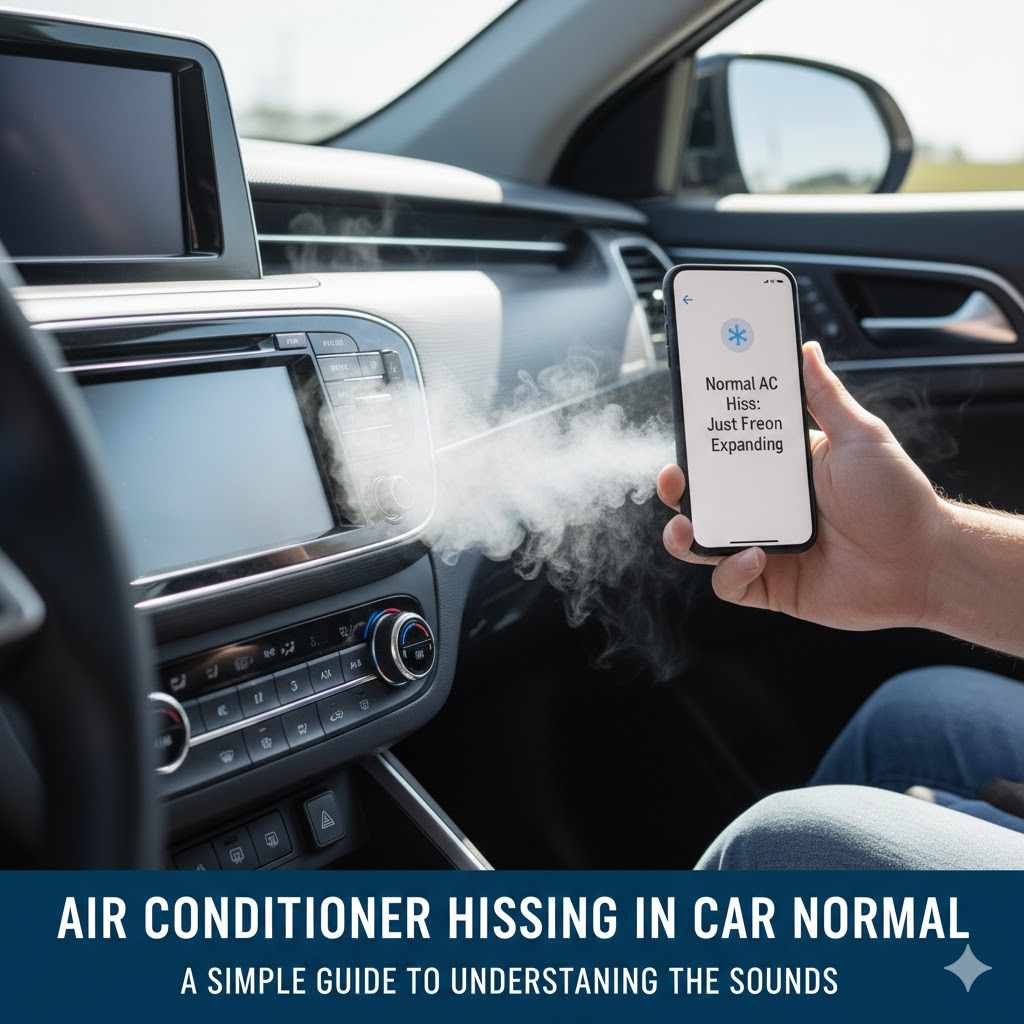
Air Conditioner Hissing in Car Normal: A Simple Guide
If you’ve noticed a hissing sound coming from your car’s air conditioning system, you might be a bit worried. It’s a common issue that often confuses folks, especially if they’re new to car maintenance. Don’t stress! The good news is, in many cases, it’s not a major problem. This post aims to provide a clear, step-by-step exploration of Air Conditioner Hissing in Car: Is It Normal? We will explore the different reasons behind this sound and what actions you should take to keep your cool. Let’s find out more.
What Causes Air Conditioner Hissing?
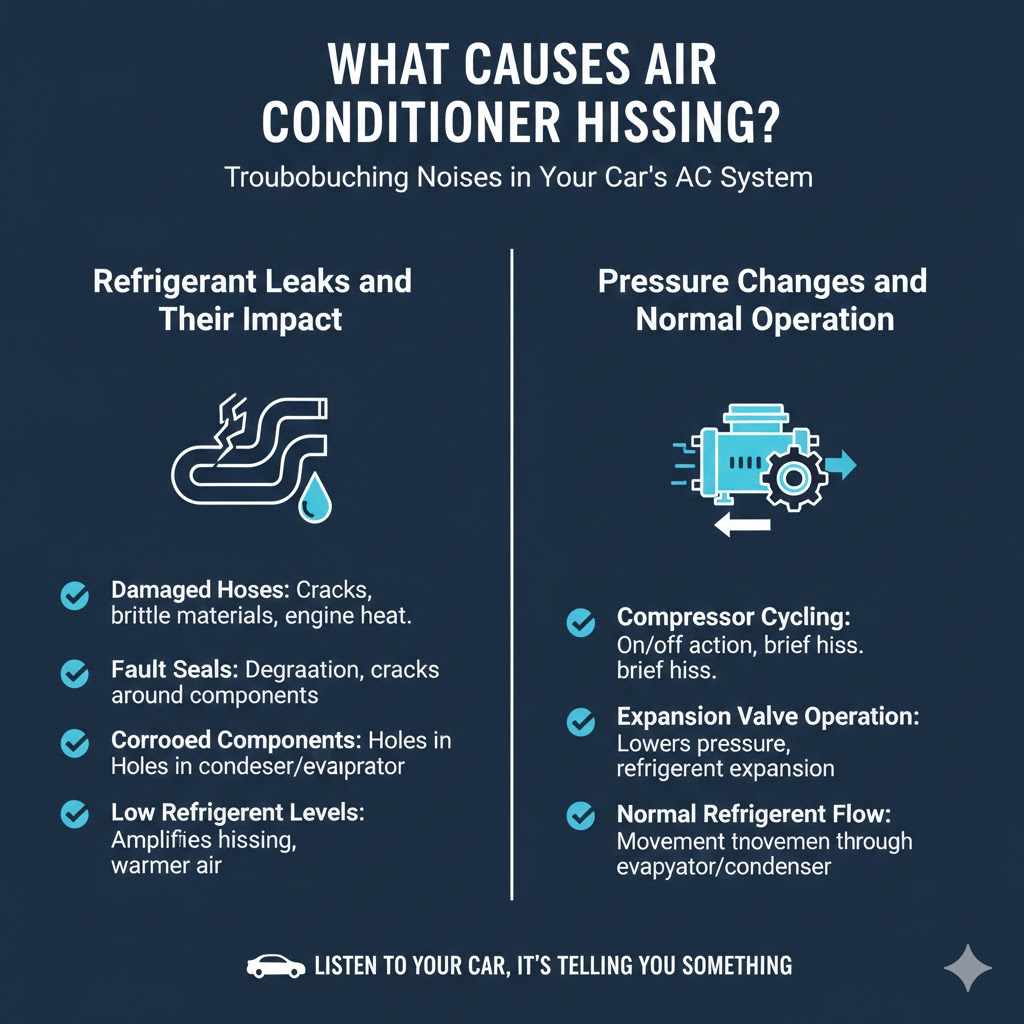
The “hissing” you hear from your car’s AC is usually related to the refrigerant, the substance that makes your air conditioning work. It’s often caused by pressure changes or a leak. This sound can be a normal part of the system’s operation or a sign of a problem that needs attention. It’s essential to pinpoint the source of the hissing to prevent further issues. Ignoring it could lead to less effective cooling or even system failure, especially during hot weather. Therefore, knowing the potential culprits behind the noise can save you money and headaches in the long run.
Refrigerant Leaks and Their Impact
Refrigerant leaks are the most common reason for hissing sounds. When the refrigerant, often called Freon (though modern cars use different refrigerants), escapes, the pressure changes and creates the hissing noise. A leak might occur from a damaged hose, a faulty seal, or a corroded component. Leaks don’t just cause noise; they also significantly reduce the AC system’s ability to cool the air. Low refrigerant levels lead to warmer air blowing from the vents and put more strain on the compressor. This can further damage the system, costing more to fix. Identifying and fixing the leak is key to restoring your AC’s performance.
- Damaged Hoses: AC hoses can crack or become brittle over time. They are exposed to engine heat and road debris, leading to wear and tear. A hose leak will release refrigerant, causing the hissing noise and reduced cooling.
- Faulty Seals: Rubber seals around components like the compressor, condenser, and evaporator can degrade. This degradation can lead to leaks. The seals are designed to keep refrigerant contained. Once they become brittle or crack, the refrigerant escapes.
- Corroded Components: Corrosion can affect metal components, such as the condenser or evaporator, creating holes that allow refrigerant to escape. In areas with high humidity or road salt, this can happen quickly. The AC system is made of different metals, and the interaction can accelerate this.
- Low Refrigerant Levels: While not a direct cause, low refrigerant levels can amplify hissing. As the system struggles to cool, the remaining refrigerant may create pressure changes and make the hissing more noticeable. It’s a symptom that something else is wrong.
Pressure Changes and Normal Operation
Sometimes, hissing is just the AC doing its job. Inside the system, refrigerant moves through different pressures. When the refrigerant expands from a high-pressure state to a lower-pressure state, it can make a hissing sound. This is especially noticeable when the compressor cycles on and off, which is a regular part of AC function. However, the intensity of the hissing sound can help distinguish between normal operation and a potential problem. A brief, soft hiss might be normal, while a constant, loud hiss suggests a leak or another issue. Recognizing these differences is very important.
- Compressor Cycling: The compressor is like the heart of your AC system. It compresses the refrigerant, then the refrigerant moves to other parts of the system. The cycling can cause pressure changes and a brief hissing sound.
- Expansion Valve Operation: The expansion valve controls the flow of refrigerant. This valve is designed to lower the pressure of the liquid refrigerant. As it expands, it makes a hissing sound.
- Normal Refrigerant Flow: The refrigerant has to flow. The refrigerant can also generate a hissing sound as it moves through various components such as the evaporator and condenser.
How to Tell If Your AC Has an Issue
Differentiating between a normal hissing sound and a problem is important. If you suspect an issue, you can start with a few easy steps. First, listen carefully to the sound. Where does the noise seem to come from? Is it constant or intermittent? Does it change when you adjust the AC settings? Next, check the temperature of the air coming from the vents. If it’s not as cold as it should be, this is a strong sign of a problem. Finally, look for visual clues, such as refrigerant leaks. This simple inspection can help determine if you need to take the car to a mechanic.
Listening for Specific Noises
Paying close attention to the sound your AC makes can provide important clues. For instance, a hissing sound that increases with engine speed could point to a problem with the compressor or a related belt. A constant hiss could indicate a leak. A rattling or grinding sound could indicate internal mechanical damage. Listening carefully also helps you pinpoint the sound’s source, which could be the engine compartment, the dashboard, or under the car. If the sound is accompanied by a change in cooling performance, you should investigate further.
- Constant Hissing: This often suggests a refrigerant leak, as it’s the most common cause.
- Intermittent Hissing: This could be normal operation, or it could be due to a leak that’s more noticeable under specific conditions.
- Hissing with a Squeal: This can indicate a problem with the compressor belt or pulley. A slipping belt often creates noise when the AC is engaged.
- Rattling or Grinding Sounds: These sounds usually indicate damage inside the compressor or other moving parts of the AC system. You should get this checked out immediately.
Checking for Cooling Performance
The performance of your AC is a clear indicator of its health. If the air coming from your vents is not as cold as it used to be, this is usually a sign of a problem. You can do some simple tests to see if your AC is working effectively. For example, use a thermometer to check the temperature of the air coming from the vents. It should be significantly cooler than the outside air. Also, pay attention to how long it takes for the cabin to cool down. If it takes longer than usual, your AC might be losing its ability to work properly. These indicators will tell you if the hissing sound requires investigation.
- Use a Thermometer: Place a thermometer into an air vent. Turn on the AC at its highest setting. Wait a few minutes. If the air temperature is significantly warmer than it should be (typically around 40 degrees Fahrenheit or lower), there’s a problem.
- Assess Cooling Speed: Time how long it takes for the car’s interior to cool down. If it takes a long time, the AC system might be low on refrigerant.
- Check for Uneven Cooling: If some vents blow cold air and others blow warm air, it might indicate a blocked vent or another issue.
- Listen for Changes: Notice any variations in cooling performance when you accelerate or turn the car. This can offer clues about the problem.
Visual Inspection and Leak Detection
A visual inspection can reveal signs of trouble. Look for oily spots on the AC components, such as the compressor, hoses, and connections. Refrigerant is often mixed with oil, so these spots suggest a leak. Check the condenser, which is usually in front of the radiator. Inspect it for damage. Also, look under the car for any signs of refrigerant leaking onto the ground. If you suspect a leak, you can use a leak detector, a tool to find the exact location of the leak. This can help pinpoint the exact problem.
- Inspect Hoses and Connections: Look for any cracks, bulges, or oil stains on the AC hoses and fittings. These spots often indicate refrigerant leaks.
- Check the Compressor: Examine the compressor and its seals for any signs of oil leakage.
- Examine the Condenser and Evaporator: Look for damage or corrosion on these components. They are also prone to leaks.
- Use a Leak Detector: If you suspect a leak, use a leak detector. These devices can detect refrigerant leaks. You can find them at auto parts stores.
Diagnosing and Fixing a Hissing AC
When you’ve confirmed a problem, the next step is to get it fixed. Diagnosing the issue may require using specialized equipment, so you might need a mechanic. They will inspect the system. This usually involves checking pressure, finding leaks, and identifying any damaged components. Depending on the diagnosis, repairs could range from replacing a hose or seal to repairing or replacing the compressor. Knowing the repair options is crucial, especially in determining the cost.
Professional Diagnosis
A professional diagnosis is essential for an AC issue. A trained mechanic will have the tools and expertise to identify the source of the hissing and accurately diagnose the problem. They will use a combination of techniques, including pressure testing, leak detection, and visual inspection, to find the problem. This can save you time and money by ensuring the problem is addressed correctly. Also, a professional can properly handle and dispose of refrigerant, which is important for environmental safety. If the problem is more complex than a simple leak, their knowledge will be very useful.
- Pressure Testing: The mechanic will connect gauges to the AC system to measure pressures. This helps find leaks.
- Leak Detection: Mechanics can use electronic leak detectors, dye tests, or other methods to pinpoint the exact location of refrigerant leaks.
- Component Inspection: They will inspect all components of the AC system for damage, wear, or corrosion.
- System Evacuation and Recharge: A mechanic has the equipment to evacuate the system and refill it with the correct amount of refrigerant, if needed.
Common Repairs and Costs
The cost of repairing an AC depends on the problem. Replacing a hose or seal is usually less expensive than repairing or replacing the compressor. Some common repairs include fixing refrigerant leaks, replacing damaged components, and recharging the system with refrigerant. Prices also depend on your location and the mechanic’s labor rates. It’s helpful to get an estimate before the work starts so you’re aware of the potential cost. Preventative maintenance, such as regular AC servicing, can help prevent bigger problems, leading to potential cost savings.
| Repair | Estimated Cost |
|---|---|
| Refrigerant Recharge | $100 – $300 |
| Hose Replacement | $100 – $400 |
| Compressor Replacement | $500 – $1200+ |
| Condenser Replacement | $200 – $800+ |
- Refrigerant Leak Repair: This involves finding and fixing the leak. The repair can be simple (replacing a seal) or more complicated (replacing a component).
- Compressor Replacement: If the compressor fails, it may need to be replaced. This is a big job.
- Condenser and Evaporator Replacement: These components can corrode or get damaged. This can require replacement.
- System Recharge: After a repair, the system needs to be recharged with refrigerant. This ensures the AC works properly.
Preventive Maintenance for Your AC System
Preventative maintenance helps keep your AC in good shape. Regular checkups can catch small problems before they become big ones. Have your AC system inspected at least once a year. This checkup can include checking the refrigerant level, inspecting the components for leaks, and ensuring the system is operating efficiently. Also, run your AC regularly, even in the winter, to keep the seals lubricated and to prevent them from drying out. Proper maintenance will extend the life of your AC and provide years of comfort.
- Regular Inspections: Schedule annual AC checkups to catch potential problems. These will help avoid major repairs.
- Run the AC Regularly: Run your AC for a few minutes each month, even in the winter, to keep the system lubricated.
- Change Your Cabin Filter: A clean cabin filter helps improve airflow. It also reduces the strain on your AC system.
- Address Issues Quickly: If you hear any unusual noises or notice any performance issues, get them checked out promptly. Early detection can save time and money.
Is Air Conditioner Hissing in Car Normal? A Quick Recap
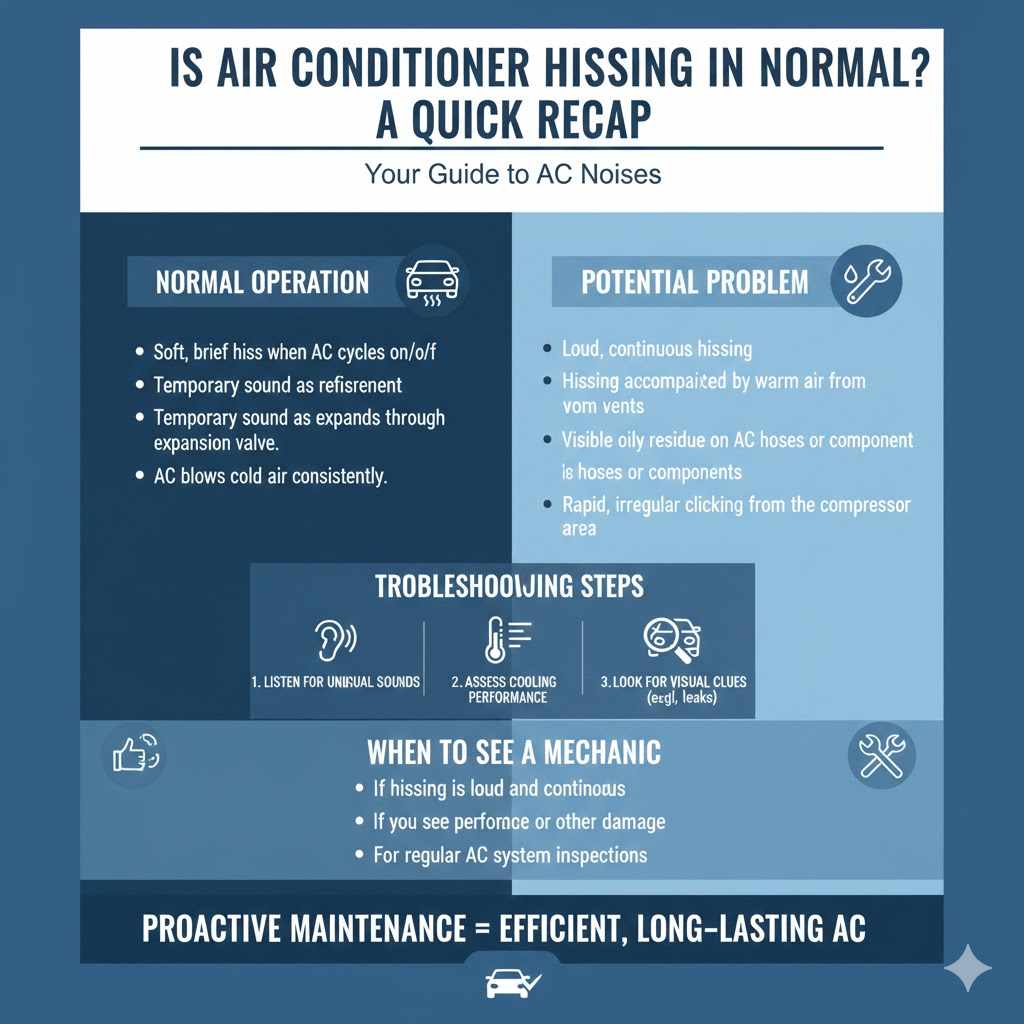
Understanding the hissing sound from your car’s AC can prevent problems. The hissing sound can be perfectly normal, resulting from pressure changes and refrigerant flow. However, it can also signal a refrigerant leak, or a problem. Paying attention to the type of sound and the performance of your AC is key. You can troubleshoot by listening for unusual sounds, assessing the cooling performance, and looking for visual clues such as oil stains. If you suspect a problem, have the system inspected by a qualified mechanic to find the source. This ensures that any necessary repairs are made correctly and the problem doesn’t get worse. Proactive maintenance such as regular inspections, will help keep your AC working efficiently for many years.
Frequently Asked Questions
Question: What does a hissing sound mean in a car’s AC?
Answer: It can mean a few things. Sometimes it’s normal as the refrigerant flows. Often, it indicates a refrigerant leak or other problems like compressor issues.
Question: How do I tell if the hissing sound is a problem?
Answer: If the air isn’t as cold as it should be, or if the hissing is constant and loud, then it’s likely a problem. Also, look for any oily spots.
Question: Where is the hissing sound usually coming from?
Answer: The hissing often originates from areas like the engine compartment, inside the dashboard, or near the vents. If possible, have someone listen while you are driving the car.
Question: Can I fix the AC hissing sound myself?
Answer: If you’re comfortable with car repairs, you might be able to fix small issues. However, if you suspect a leak or other major problem, it’s best to consult a professional.
Question: How often should I get my car’s AC checked?
Answer: You should get your AC inspected at least once a year, or sooner if you notice any unusual noises or performance problems.
Final Thoughts
Addressing the question of Air Conditioner Hissing in Car: Is It Normal? requires understanding. Hissing sounds can range from normal operational noises to indicators of problems that need attention. By taking the time to listen, assess cooling performance, and inspect the system, you can determine if a repair is needed.
Regular maintenance, including annual inspections and running the AC regularly, helps keep everything running smoothly. Addressing issues quickly can save you money, and will also keep you comfortable on the road. Remember, a cool and efficient AC system makes your driving more enjoyable. Stay proactive and keep your car’s AC working well.