Why Does My Car AC Blow Cold Then Warm? 7 Causes + Fixes
When your car AC blows cold then warm, the most common causes are low refrigerant, a failing AC compressor, a bad blend door actuator, or a clogged cabin air filter. The fix depends on the root cause — some are $20 DIY jobs, others require a shop.
This guide covers all 7 causes in order of likelihood, with symptoms, diagnosis steps, and repair costs for each. If the compressor is also short cycling, see our guide on why your car AC cycles on and off.
Quick Answer
Why does car AC blow cold then warm? Most commonly: low refrigerant (system can’t maintain pressure), a faulty blend door actuator (stuck in the wrong position), a clogged cabin air filter (restricted airflow), or a failing compressor (intermittent cycling). Start with the cheapest fix — replace the cabin air filter ($15–$25) and check refrigerant level — before considering a shop visit for compressor ($500–$1,200) or blend door actuator ($120–$550) repairs.
Why Your Car AC Flips from Cold to Warm: The Main Suspects
Your car AC system relies on several interconnected components — the compressor, condenser, evaporator, blend door actuator, and cabin air filter. When any one of them underperforms, the result is often intermittent cooling: cold air at first, then warm. Here are the 7 most likely culprits, ordered from most to least common.
1. Low Refrigerant Levels
Refrigerant is the lifeblood of your car’s AC system. It absorbs heat from the cabin and releases it outside, creating the cool air you feel at the vents. If refrigerant levels drop due to a slow leak, the system can’t maintain optimal pressure. The AC blows cold initially, then warms up as the low-pressure compressor cycles off to protect itself.
How to Spot Low Refrigerant
- The AC blows cold, then gradually gets warmer.
- The air coming out of the vents never feels as cold as it used to.
- You might hear a hissing or bubbling sound from under the dashboard.
The Fix: Recharging the AC System
Recharging your AC system involves adding more refrigerant. While you can buy AC recharge kits at auto parts stores, this is often a temporary fix if there’s a leak. A proper recharge should also include checking for leaks and repairing them. For the best results, professionals use specialized equipment to precisely measure and fill the refrigerant. If you suspect a significant leak, consult a qualified mechanic.
According to the U.S. Department of Energy, maintaining your vehicle’s air conditioning system can help improve fuel efficiency. Keeping refrigerant at the correct level is part of that healthy maintenance routine.
Best Car AC Recharge Pick

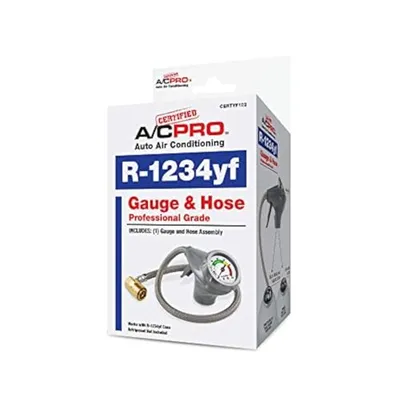
A/C Pro InterDynamics Certified Air Conditioner Gauge and Hose, R-1234yf
Reusable gauge and hose for R-134a systems. Shows exact low-side pressure so you don’t overcharge. Takes under 15 minutes and costs a fraction of a shop visit.
- Best for: R-134a systems needing a quick recharge without a shop visit
- Why we picked it: Built-in gauge shows exact low-side pressure, preventing the #1 DIY mistake — overcharging
- Main drawback: Doesn’t fix the underlying leak, so the system will go low again if a leak is present
Compare more car AC repair options
Option 1
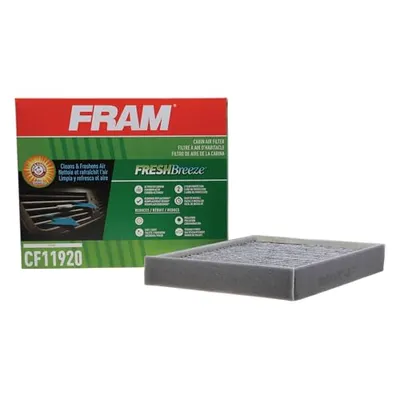
FRAM Fresh Breeze Cabin Air Filter Replacement for Car Passenger Compartment w/ Arm and Hammer Bakin
- Best for: Honda/Acura vehicles at 12k–15k mile service
- Why we picked it: Carbon layer captures odors plus dust and pollen, directly restoring AC airflow
- Main drawback: CV11920 fits specific Honda/Acura models only — verify fitment first
Option 2
LEAKFINDER LF021 UV AC Leak Detection Kit
- Best for: Finding slow refrigerant leaks that cause intermittent cold then warm AC
- Why we picked it: Complete kit — dye injector, UV glasses, and UV light — pinpoints leak source before recharging
- Main drawback: System must be evacuated and recharged after the dye is injected
Option 3
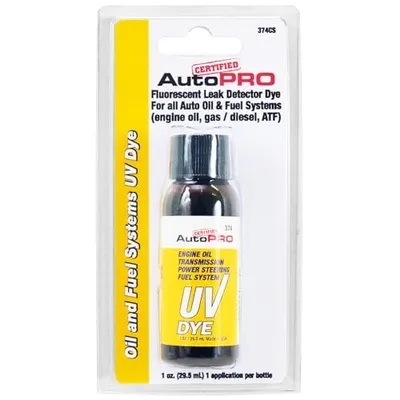
A/C PRO Certified Oil and Fuel System UV Dye, Leak Detector for Cars, 1 Oz
- Best for: Adding leak detection dye without a full recharge kit
- Why we picked it: Glows bright yellow-green under UV light, making leak location obvious at seals, hoses, and fittings
- Main drawback: UV flashlight sold separately to find the leak after application
As an Amazon Associate we earn from qualifying purchases.
2. Faulty Blend Door Actuator
Inside your dashboard, behind the vents, is a complex system of ducts and flaps. These are controlled by small motors called actuators. One crucial actuator is the blend door actuator. Its job is to mix hot air from the heater core and cold air from the evaporator to achieve your desired temperature. If this actuator malfunctions, it might get stuck in a position that allows too much hot air to mix in. This causes the AC to feel cold initially, then warm up as the door shifts to an incorrect position.

Signs of a Bad Blend Door Actuator
- Temperature fluctuations, where the AC blows cold then warm.
- Clicking or popping noises from behind the dashboard when changing temperature settings.
- The temperature selection knob or buttons might not work correctly.
The Fix: Replacing the Blend Door Actuator
Replacing a blend door actuator can range from relatively simple to quite complex, depending on its location in your dashboard. Parts typically cost $35–$150, with total professional repair running $120–$550 depending on your vehicle. If the actuator is in a difficult spot, a mechanic can typically handle this repair relatively quickly.
3. Clogged Cabin Air Filter
The cabin air filter filters out dust, pollen, debris, and other contaminants before the air reaches you. When this filter gets clogged, it restricts airflow to the evaporator. Your AC might still be producing cold air, but the system has to work harder, and the reduced volume of air can make it feel like the temperature is increasing over time.
Symptoms of a Clogged Cabin Air Filter
- Weak airflow from the AC vents.
- A musty or unpleasant odor when the AC is on.
- The AC might seem less powerful overall, even if the air feels cold.
The Fix: Replacing the Cabin Air Filter
This is one of the easiest and most cost-effective fixes, and it’s a great DIY project. Most vehicles have their cabin air filter located behind the glove compartment or under the dashboard. You can typically replace it in under 15–30 minutes with just a screwdriver. Check your owner’s manual for the exact location and replacement procedure. Replace at least once a year, or more often in dusty conditions.
4. Failing AC Compressor
The AC compressor is the heart of the system. It pressurizes the refrigerant, allowing it to circulate and cool the air. If the compressor is failing, it might not be able to maintain the necessary pressure or flow. This leads to intermittent cooling — it works for a while and then stops performing effectively, resulting in that fluctuating cold-then-warm air. A failing compressor often produces grinding or squealing sounds. The clutch on the compressor may also slip, causing intermittent engagement.
Warning Signs of a Bad Compressor
- The AC blows cold, then warm, and cooling performance fluctuates significantly.
- Unusual noises (grinding, rattling, squealing) from the engine bay when the AC is on.
- The AC might not blow cold at all, or only very weakly after a while.
The Fix: Compressor Repair or Replacement
A failing AC compressor is a more significant repair. If the compressor has seized or is severely damaged, it will need to be replaced. This typically requires professional expertise and specialized tools, as it involves handling refrigerant and ensuring proper system sealing. Sometimes, a worn clutch can be replaced separately from the compressor, offering a more budget-friendly solution.
5. Dirty or Defective Condenser
The condenser is located at the front of your car, usually in front of the radiator. Its job is to release the heat absorbed by the refrigerant from the cabin into the outside air. If the condenser fins are blocked by dirt, debris, or bugs, the refrigerant can’t cool down properly. This causes the AC to work harder and less effectively, especially at low speeds or when idling where there is less airflow across the front of the car.
Indications of Condenser Issues
- Poor cooling performance, especially at low speeds or when idling.
- The AC may blow cold initially but then warm up, particularly in stop-and-go traffic.
- Visible debris (leaves, plastic bags, bugs) clogging the fins of the front-mounted condenser.
The Fix: Cleaning the Condenser or Replacement
For simple dirt and debris buildup, you can often clean the condenser yourself. With the engine off and cool, gently spray the condenser with water from a garden hose to wash away blockage. Do not use a high-pressure washer, as this can bend the delicate fins. If the condenser is damaged from a rock impact, it will need to be replaced by a mechanic — the repair involves evacuating and recharging the AC system.
6. Issues with the AC Blower Motor or Resistor
The blower motor is responsible for pushing air through your car’s vents and into the cabin. The blower motor resistor controls the speed of this motor. If either component is failing, you may experience inconsistent airflow. A weak blower motor may struggle to push enough cold air, leading to temperature fluctuations. A malfunctioning resistor causes fan speed to vary randomly, directly affecting the perceived temperature of the air.
Signs of Blower Motor/Resistor Problems
- Fan speed changes unexpectedly or doesn’t work on certain settings.
- Weak or inconsistent airflow from the vents.
- The AC might blow cold, then warm due to insufficient air circulation.
The Fix: Replacing the Blower Motor or Resistor
Both the blower motor and the resistor are replaceable parts. The resistor is often located near the blower motor itself. Depending on your car model, these can be relatively accessible for DIY replacement, or they might require removing dashboard components. If you’re not comfortable with electrical components or dashboard disassembly, a mechanic can efficiently diagnose and replace these parts.
7. Refrigerant Overcharge
While less common than an undercharge, overfilling the system with refrigerant also causes problems. Too much refrigerant increases the system’s pressure to unhealthy levels, making it work inefficiently. The system struggles to regulate temperature, causing it to blow cold one moment and warm the next. This often happens after a DIY recharge without a pressure gauge.
Indicators of an Overcharged System
- The AC blows cold initially but then warms up, especially under load.
- The compressor cycles on and off more frequently than usual.
- Freezing up of AC components can occur.
The Fix: Proper Evacuation and Recharge
If you suspect an overcharge, the only correct fix is to have an AC technician evacuate the system (remove all refrigerant) and then recharge it to the manufacturer’s specified level. This requires specialized equipment and knowledge to do safely without releasing refrigerant into the atmosphere.
Troubleshooting Table: Cold Then Warm AC Issues
Here’s a quick guide to help you map symptoms to potential causes:
| Symptom | Most Likely Cause(s) | Beginner DIY? | Professional Help Recommended? |
|---|---|---|---|
| AC blows cold, then warms up intermittently | Low refrigerant, Blend door actuator issue, Overcharged system | Check refrigerant if comfortable with kits (use caution) | Yes (leak detection, actuator, overcharge) |
| Weak airflow, sometimes warm | Clogged cabin air filter, Failing blower motor/resistor | Yes (cabin filter), Maybe (blower/resistor) | Yes (blower motor/resistor if difficult access) |
| Noises (grinding, squealing) with AC on, temperature fluctuates | Failing compressor, Clutch issue | No | Yes (compressor diagnosis/replacement) |
| Poor cooling at low speeds or idle, warms up | Dirty/clogged condenser | Yes (cleaning fins) | Yes (if condenser is damaged/needs replacement) |
DIY vs. Professional: When to Call the Experts
Some AC issues are straightforward and can be tackled with basic tools and a bit of patience. Others involve working with pressurized systems, complex electrical components, or dismantling parts of your car’s interior, which are best left to professionals.
DIY-Friendly Tasks:
- Replacing the cabin air filter: Usually a quick job with simple tools, like a screwdriver.
- Cleaning the AC condenser: Generally safe with a hose and some care for the fins.
- Checking refrigerant levels (with caution): Using a DIY recharge kit can be a temporary solution, but requires careful adherence to instructions and safety precautions. The EPA advises against releasing refrigerants into the atmosphere due to environmental concerns.
When to Call a Mechanic:
- Suspected refrigerant leaks: Requires specialized equipment for detection and repair.
- Compressor or clutch issues: Involves pressurized systems and potential electrical work.
- Blend door actuator replacement: Can be very complex, requiring dashboard disassembly.
- Blower motor or resistor issues: Especially if they are hard to access.
- Any situation where you feel unsure or uncomfortable: Safety first.
Frequently Asked Questions (FAQs)
Can I just add more refrigerant if my AC blows cold then warm?
Adding refrigerant might provide temporary relief, but it is not a proper fix if there is a leak. It is crucial to find and repair the leak first. Adding refrigerant without addressing the leak will only be a short-term solution, and an overcharge can damage your system.
How often should I check my cabin air filter?
It is generally recommended to check and replace your cabin air filter at least once a year or every 12,000 to 15,000 miles. If you frequently drive in dusty environments or areas with a lot of pollen, you may need to replace it more often.
Is it safe to use a DIY AC recharge kit?
DIY recharge kits can be used safely if you follow the instructions precisely. They typically include a gauge to check pressure and a can of refrigerant. Be aware that these kits do not typically fix leaks or diagnose underlying problems. Always wear safety glasses and gloves when handling refrigerants.
What does it mean if my AC only blows cold when driving, but warm when stopped?
This symptom usually points to a problem with airflow over the condenser, or a failing compressor that can only maintain pressure when the engine is revving. A dirty condenser is a common cause at idle since there is no vehicle movement to push air across it. You can also try to reset your car air conditioner before visiting a shop — sometimes an electronic reset clears the symptom.
How do I know if my AC needs refrigerant or if something else is wrong?
If your AC blows less cold than usual with intermittent warming, especially if coupled with unusual noises, it could be low refrigerant or a mechanical issue like a compressor problem. If airflow is weak but the air still feels cold, it is more likely the cabin filter or blower motor. A mechanic can perform a proper diagnosis with a pressure test.
Can a leaky AC hose cause the cold-then-warm issue?
Yes. Leaks can occur in various parts of the AC system, including hoses, seals, O-rings, the compressor, or the condenser. Low refrigerant from any leak will cause the system to perform poorly, leading to the cold-then-warm symptom.
Conclusion
When your car AC blows cold then warm, the most common causes are low refrigerant, a faulty blend door actuator, a clogged cabin air filter, compressor issues, or a dirty condenser. Start with the cheapest fixes first: replace the cabin air filter ($15–$25) and check refrigerant level with a recharge kit before scheduling a shop visit. Before recharging, use a manifold gauge set to confirm low refrigerant (both sides low) versus a compressor or blockage issue — our guide on how to read AC gauges on a car covers every pressure scenario. For issues involving pressurized refrigerant, compressor replacement ($500–$1,200), or blend door actuator repair ($120–$550), a qualified mechanic will ensure the job is done safely and correctly.
Products related to this article
Sponsored / affiliate links. As an Amazon Associate I earn from qualifying purchases. I may earn additional commission from eligible campaigns.