Are Burnouts Bad For An Automatic Car? Essential Guide
Yes, burnouts are generally bad for an automatic car. They cause excessive heat, stress transmission fluid, and strain internal components like torque converters and clutches, leading to premature wear and potential costly failure due to severe mechanical stress.
Do you ever see drivers doing smoking wheel stands and wonder if your own car could handle it? If you drive an automatic transmission, you might feel curious about pushing your limits. It’s totally normal to want to know what your vehicle can safely do. However, performing a burnout in an automatic car puts enormous stress on parts that aren’t designed for that kind of shock load. Don’t worry; understanding why it’s risky is the first step to keeping your daily driver reliable. We are going to break down the complex mechanics in simple terms and show you exactly what happens under the hood when you try to light up those tires.
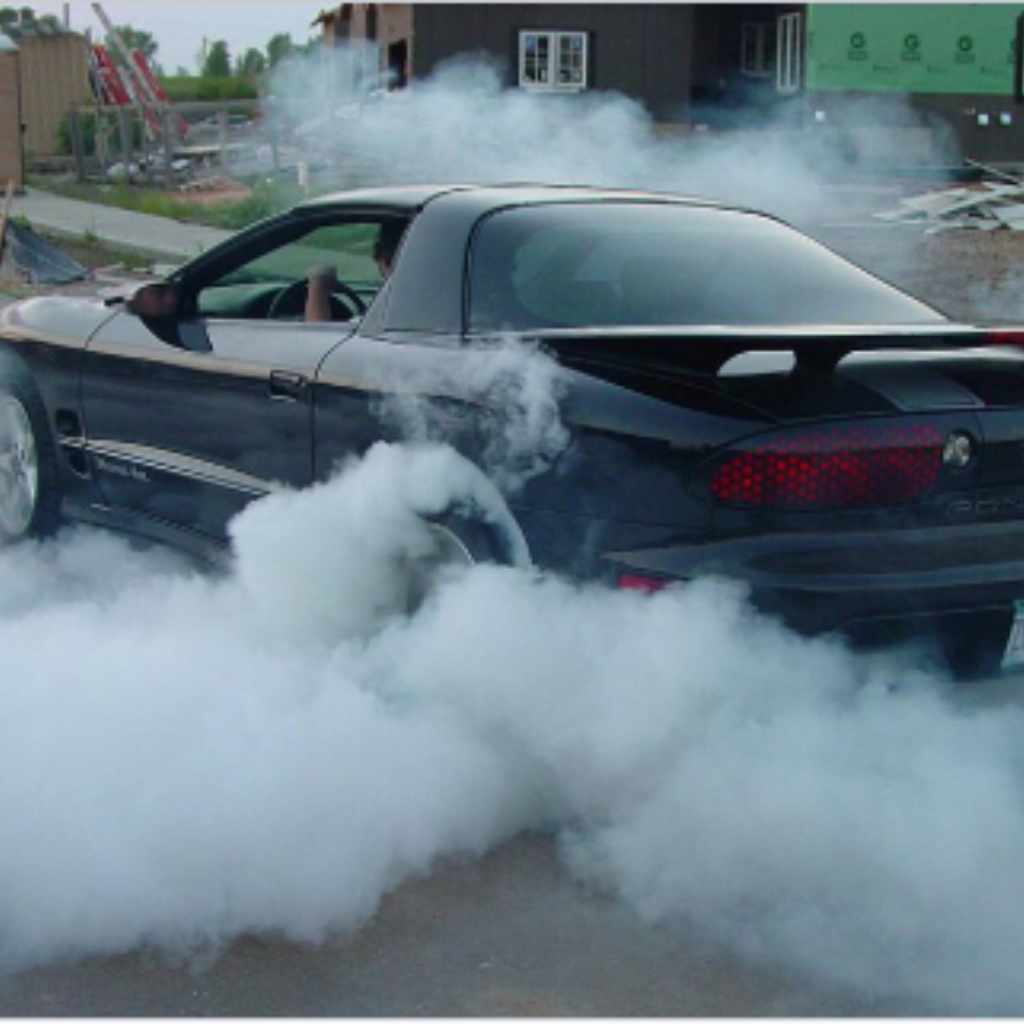
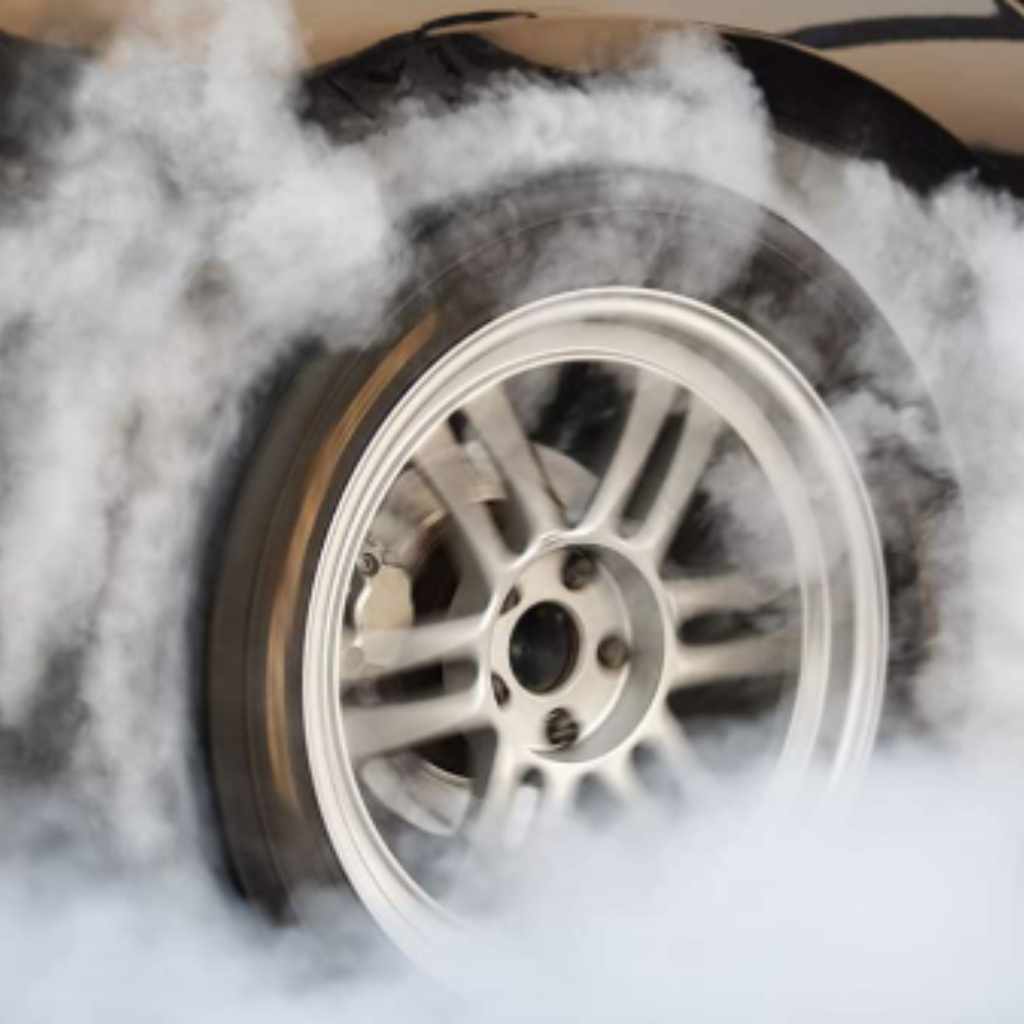
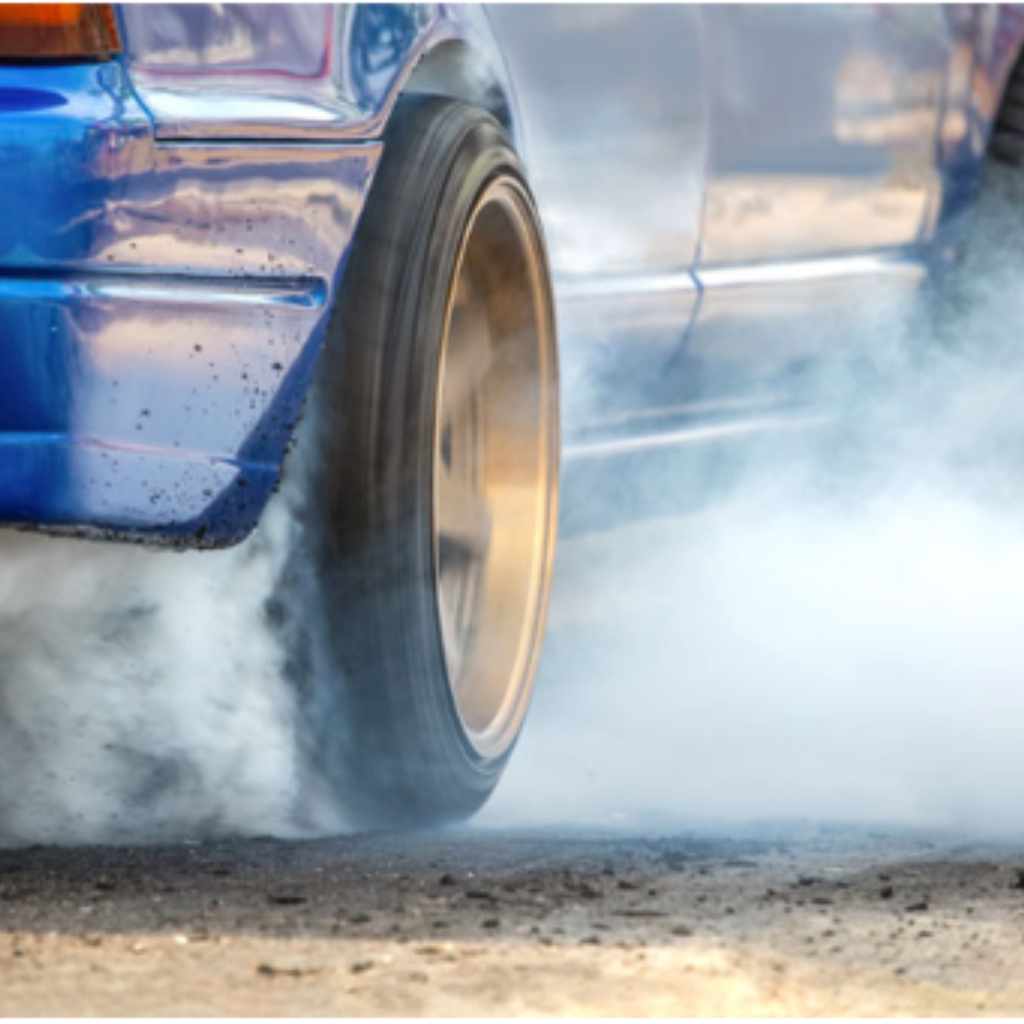
As Md Meraj, I’m here to give you the straight facts without the heavy mechanic jargon. When we talk about burnouts, we are describing the act of keeping your car stationary or moving slowly while applying enough power to spin the drive wheels so fast that the tires lose traction and create smoke. While this might look cool for a split second, for an automatic transmission, it’s like asking your engine to do a marathon sprint coupled with a heavy weightlifting session—all at once!
To understand the danger, we first need to appreciate how an automatic transmission works differently than a manual one when facing extreme load.
Understanding Automatic vs. Manual Stress During a Burnout
If you’ve ever driven a manual car, you know you use the clutch pedal to engage with the engine speed. With a manual, you can slip the clutch gently to manage the initial shock. An automatic transmission doesn’t have that easy “slip” mechanism.
The Critical Role of the Torque Converter
In your automatic car, the main component that connects your engine’s power to the transmission is the torque converter. Think of the torque converter as a fluid coupling device—it uses transmission fluid (ATF) to transfer power.
What happens during a burnout is crucial here:
- Engine Spools Up: You press the gas pedal hard, and the engine RPM skyrockets.
- Fluid Coupling Overload: Instead of smoothly transferring this power, the fluid inside the torque converter has to work overtime. It gets intensely agitated.
- Heat Generation: This friction and agitation create massive amounts of heat very quickly. This is the number one enemy of automatic transmissions.
While a manual transmission relies on mechanically friction-based clutches (which also wear out), the automatic relies on hydraulic pressure and fluid dynamics. When pushed too hard, the fluid overheats, breaks down its lubricating properties, and loses its ability to transmit power effectively. This leads to slipping and failure.
The Four Major Ways Burnouts Harm Automatic Transmissions
It’s not just one thing that breaks; a burnout creates a chain reaction of stress throughout the powertrain.
1. Severe Transmission Fluid Overheating
Transmission fluid is the lifeblood of any automatic gearbox. It lubricates, cools, and provides the hydraulic pressure needed for shifting. When you perform a burnout:
- The temperature of the ATF can easily spike past safe operational levels (which are usually around 175°F to 200°F).
- If the fluid gets too hot (over 250°F), the additives start to burn off, leading to varnish buildup and loss of lubrication.
- This excessive heat can damage seals and gaskets, leading to leaks or internal pressure loss.
According to maintenance guidelines from organizations like the SAE International (Society of Automotive Engineers), maintaining proper fluid temperature is paramount for long-term transmission reliability, something a burnout actively fights against.
2. Stall Speed and Torque Converter Destruction
Every torque converter has a “stall speed”—the RPM the engine can reach before the internal impeller starts spinning the turbine effectively. In a burnout, you are often holding the engine right at or above this stall condition.
What this does:
- The engine is producing maximum torque, but the transmission isn’t fully in gear yet (or is spinning tires).
- The internal fins of the converter are grinding against the stationary parts or spinning wildly relative to one another.
- This extreme slip generates tremendous internal heat and physical strain on the lock-up clutch inside the converter (if equipped).
If performed repeatedly, this can destroy the bearings or cause the internal fins to warp or crack. Replacing a torque converter is never a cheap repair.
3. Excessive Strain on Planetary Gear Sets
Automatic transmissions manage different gear ratios using complex systems of planetary gear sets, clutches, and bands, all activated by hydraulic pressure. When you suddenly load the engine during a burnout, especially if the car tries to shift unexpectedly during the high-RPM event, these components take a massive jarring shock.
Imagine slamming a door repeatedly—eventually, the hinges wear out. The sudden engagement under maximum load can chip gear teeth or cause the clutch packs inside the transmission to wear down rapidly.
4. Tire Spin vs. Brake Hold (The Wrong Way)
Many drivers attempt burnouts by holding the brakes hard while applying the throttle. This puts a massive perpendicular load across the entire drivetrain. The engine is pushing forward, the tires are trying to spin, and the brakes are trying to stop them dead. This fight transfers tremendous irregular energy that the transmission components are not designed to absorb consistently.
Can Modern Automatics Handle Quick Burnouts?
This is where things get nuanced. Modern electronic transmissions (like CVTs, DCTs, or modern 8-speed automatics) are much smarter than older four-speed units. They use sophisticated sensors to manage torque application.
What Modern Systems Do to Protect Themselves:
- Torque Reduction: The Engine Control Unit (ECU) actively cuts engine power the moment it detects excessive wheel spin or high load to protect the transmission and drivetrain.
- Aggressive Cooling: Some performance automatics have auxiliary coolers, but even these can be overwhelmed by a prolonged, aggressive burnout.
- Slip Monitoring: The computer constantly watches how fast the input shaft is spinning versus the output shaft. If the slip is too high for too long, it may force a protective downshift or limit power.
So, while modern cars are often better at preventing a total, immediate catastrophic failure during a very brief, accidental chirp of the tires, they are still not designed for intentional, sustained burnouts. Even if the computer saves you today, the micro-damage adds up over time.
A Comparison: Manual vs. Automatic Vulnerability in Burnouts
To help illustrate the difference clearly, here is a quick look at what component takes the most immediate hit in each transmission type during a burnout:
| Component Stressed | Automatic Transmission Impact | Manual Transmission Impact |
|---|---|---|
| Fluid System | Catastrophic Heat & Breakdown: Fluid overheats rapidly, losing lubrication efficiency. | Moderate heat increase; primary issue remains clutch friction. |
| Power Transfer Device | Torque Converter: Extreme internal slip and shear force applied. | Clutch Disc: Rapid wear from friction slipping to initiate movement. |
| Gearing/Shifting | Planetary gear sets stressed during high-RPM engagement shocks. | Synchronizers stressed if shifting occurs during the event. |
| Overall Longevity | High risk of long-term heat damage and failure. | Wear is more visible and predictable (clutch replacement). |
Should I Ever Do a Burnout in My Automatic Car?
My professional advice, as a guide focused on long-term vehicle health and reliability, is a resounding no, you should not intentionally perform burnouts in a standard automatic transmission car.
If you own a highly specialized performance vehicle with a dual-clutch transmission (DCT) or a transmission specifically designed for launch control (common in high-end sports cars), these systems are engineered with enhanced coolers and extremely durable internal materials to handle managed starts. Even then, sticking to the manufacturer’s recommended procedure is crucial.
For the average commuter or family automatic vehicle, the risk simply outweighs any temporary thrill.
The Hidden Costs of Showing Off
It’s not just about breaking it today; it’s about the eventual failure when you least expect it.
- Immediate Repair Bills: Transmission work is expensive. A simple fluid flush might be $200, but a torque converter replacement can easily run into the thousands.
- Reduced Lifespan: Even if it doesn’t fail tomorrow, the internal heat deposits severely shorten the life of the entire transmission unit. The next owner (or you, in two years) will face premature failure.
- Warranty Voidance: If your vehicle is under warranty, proving that you did not perform destructive testing like burnouts can be difficult if a major component fails.
How to Safely Achieve a Little “Get-Up-and-Go”
If you are looking for better acceleration from your automatic car, there are much safer ways to improve performance that don’t involve destroying your transmission fluid:
- Use “Sport” or “S” Mode: Most modern automatics hold gears slightly longer in Sport mode, keeping the engine happy in its power band without forcing excessive slippage.
- Ensure Fluid Health: The number one preventative measure is proper maintenance. Follow your owner’s manual regarding transmission fluid changes. High-quality fluid keeps everything cool and slick. Check information about proper fluid specifications on reliable sites like those maintained by API (American Petroleum Institute).
- Regular Software Updates: Sometimes, dealerships can flash updates that improve the transmission’s shift logic for smoother power delivery.
- Tire Maintenance: If you want better grip without spinning, ensure your tires are in good condition and inflated to the correct pressure. Good tires translate power better than spinning bad tires.
Common Maintenance Checks After Hard Driving
Even if you didn’t intentionally do a burnout but felt your car struggle, downshift aggressively, or run hot after spirited driving on a hot day, checking these items is wise:
- Check ATF Level and Condition: Pull your dipstick (if equipped) when the car is warm and running. The fluid should be bright red or pink, not brown, black, or smell burned. If it smells acrid, get it replaced immediately.
- Inspect External Lines: Look underneath the car for any metal lines running near the radiator. Ensure these haven’t been damaged or are leaking, as these often contain the transmission fluid cooler circuit.
- Monitor Temperature Gauge: Pay attention to how quickly the temperature gauge rises during hard driving. Consistent overheating is a sign of stress, potentially on the whole engine cooling system, which impacts the trans cooler.
FAQ: Quick Answers on Burnouts and Automatics
Q1: Will one single, accidental burnout instantly destroy my automatic transmission?
Not necessarily instantly, but it definitely causes immediate, unnecessary wear. If it was momentary and the fluid didn’t smell burnt, you likely avoided total failure, but stress was incurred.
Q2: What if my car is a Dual-Clutch Transmission (DCT)? Can I do a burnout?
DCTs are different, often operating more like advanced manuals with computer-controlled clutches. While some performance DCTs have launch control, intentional, uncontrolled burnouts still place extreme, rapid wear on those sensitive clutch packs and should generally be avoided.
Q3: My car felt sluggish after revving it hard. Did I hurt the transmission?
Yes, that sluggish feeling is likely the transmission protecting itself, possibly due to excessive heat or the ECU temporarily limiting power output because of high load input. Check your fluid soon.
Q4: Is it better to use “Drive” or put a modern automatic into “Manual/Sport” mode for maximum acceleration?
For the best, safest acceleration without inducing uncontrolled slip, use the “Sport” or “Manual” mode and manually select the lowest gear you need. This prevents the transmission from trying to upshift prematurely under load or hunting for the right gear.
Q5: How often should I change the transmission fluid in a car driven hard?
If you drive aggressively or tow, shorten the service interval recommended by the manufacturer. If they say every 60,000 miles, consider changing it every 30,000 to 40,000 miles to remove degraded fluid and contaminants.
Q6: Do burnouts damage the engine more than the transmission in an automatic car?
Both are stressed, but the transmission often takes the more immediate, specific, and expensive damage during tire spin/lock-up scenarios due to the hydraulic and mechanical shock transferred directly through the torque converter.
Conclusion: Prioritizing Longevity Over Light Shows
As your friendly automotive guide, my goal is always to keep your car running smoothly, reliably, and affordably for as long as possible. Understanding the forces at play reveals why burnouts are fundamentally harmful to automatic transmissions. The heat generated and the sheer mechanical shock delivered through the torque converter in an automatic car far exceed the operational safety margins engineered into these systems for daily driving.
While the raw power required to spin tires comes from the engine, the transfer of that power through the automatic gearbox is where the true long-term damage occurs. Save the showmanship for video games or vehicles specifically built for that kind of abuse—like dedicated drift cars or manual transmissions where the driver has direct, nuanced control over slipping the clutch. For your daily automatic vehicle, respecting the engineering by avoiding excessive wheel spin is the smartest path to avoiding thousands in repair bills and ensuring you have a reliable ride tomorrow.