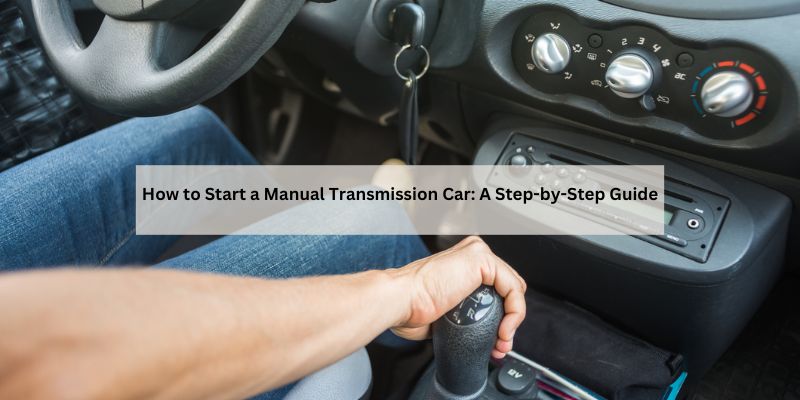
How to Start a Manual Car: Step-by-Step Transmission Guide
Starting a manual transmission car comes down to one core sequence: press the clutch fully to the floor, shift into neutral, turn the key (or press the start button) while still holding the clutch down, then release the clutch slowly while adding light gas once the engine catches. On most modern cars, the clutch pedal has to be pressed before the ignition will even engage — that’s a built-in safety interlock, not a defect, so don’t panic if the key won’t turn until your foot is all the way down.
I still remember my first attempt in an old Honda Civic — stalling twice before the clutch finally clicked for me. I’ve been driving manuals for years since, and I’ve walked friends and family through the same learning curve. Below is the exact step-by-step I still use today, the beginner mistakes that cause most stalls, and what to check if the car won’t start at all.
Why Choose a Manual Transmission Car?
Before we jump into the how-to, let’s talk about why manual cars are so special. Driving a stick shift gives you more control over the car. You decide when to shift gears, which makes driving feel like an art. I love the connection I feel with my car when I’m working the clutch and gear stick—it’s like we’re in sync. Plus, manuals are often cheaper to buy and maintain, and they can be more fuel-efficient if you drive smart. Sure, it takes practice, but once you get it, it’s a blast. I’ve had friends tell me they’d never go back to an automatic after learning to drive a manual. Ready to join the club? Let’s start with the basics.
Understanding the Manual Transmission
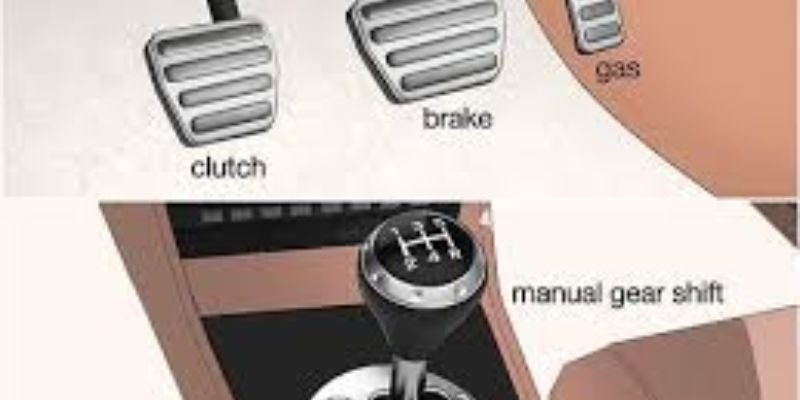
A manual transmission car has three pedals instead of the two you’d find in an automatic. There’s the gas pedal, brake pedal, and clutch pedal. The clutch is the key—it lets you shift gears smoothly. I remember being confused about the clutch at first, but think of it as the bridge between your engine and the wheels. When you press the clutch, you disconnect the engine from the transmission, letting you change gears without grinding them.
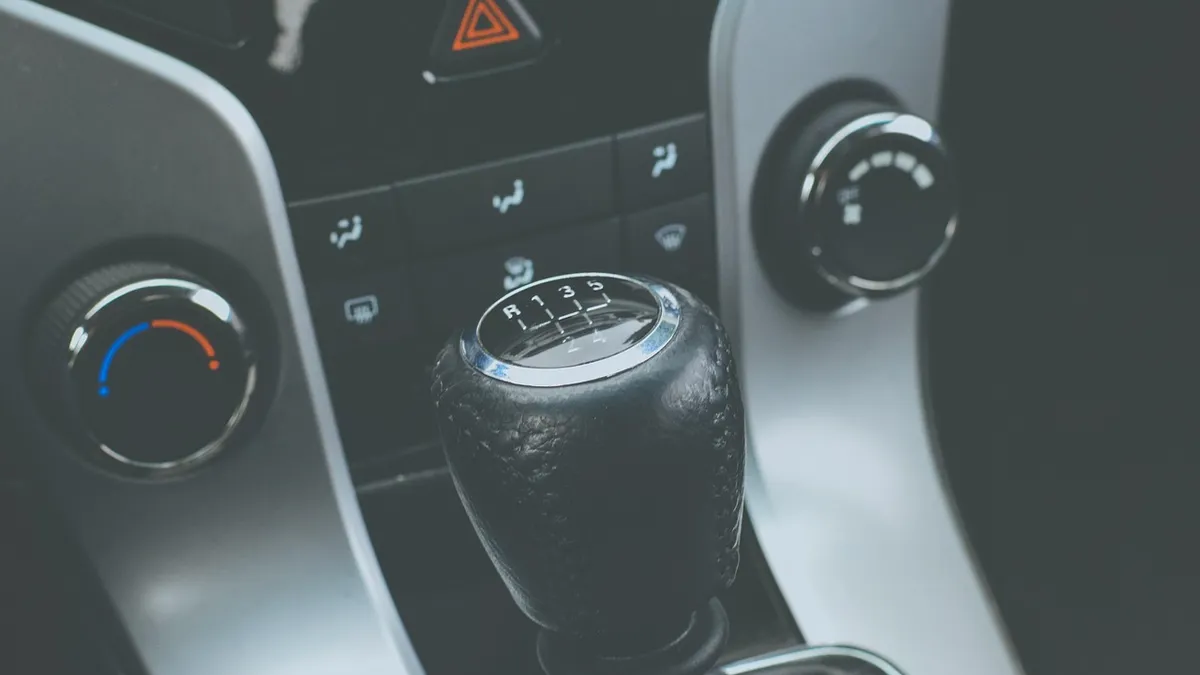
You’ll also have a gear stick, usually with five or six forward gears plus reverse. The layout looks like an “H” pattern, and it’s your job to move the stick to the right gear. My first car had a diagram on the gear knob, which was a lifesaver. If you’re new, don’t worry—it’ll feel natural with practice.
Tools and Setup You’ll Need
You don’t need much to start a manual car, but a little prep goes a long way. Here’s what I always check before I start:
| Item | Purpose |
|---|---|
| Comfortable seat position | Adjust your seat so you can reach all pedals easily without straining. |
| Clear space | Practice in an empty parking lot or quiet street to avoid distractions. |
| Owner’s manual | Check it for specifics on your car’s clutch and gear layout. |
| Patience | Learning takes time, so don’t stress if it’s not perfect right away. |
When I was learning, I found an empty school parking lot on weekends. It was the perfect spot to mess up without an audience. Make sure your car is in good shape too—check the clutch fluid and ensure the battery is charged. A weak battery can make starting trickier.
Our Top Pick
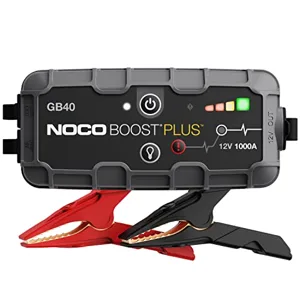
NOCO Boost GB40 12V 1000A UltraSafe Portable Jump Starter
Best for: a dead battery stopping your manual car from cranking at all, the single most common no-start cause in this guide.
Why we picked it: pocket-sized lithium jump starter that can restart most cars in seconds without a second vehicle or cables.
Main drawback: it only masks a weak battery temporarily; a battery that keeps dying still needs testing or replacement.
View Our Pick on Amazon
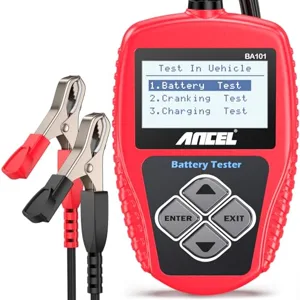 ANCEL BA101 Digital Car Battery Tester Best for: checking battery health every few months, the same habit mentioned in this guide’s maintenance section. Why we picked it: reads cranking amps and alternator charging in one test, not just a bare voltage number. Main drawback: a load test still needs a few minutes with the engine off, so it’s not instant. Check on Amazon |
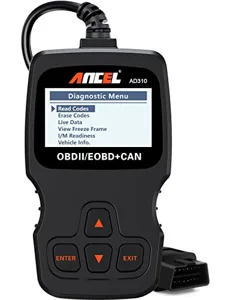 ANCEL AD310 OBD2 Scanner Best for: narrowing down a bigger issue, like a starter motor or ignition fault, mentioned in this guide’s troubleshooting section. Why we picked it: plugs into any 1996+ car’s OBD2 port and reads engine fault codes in plain English. Main drawback: it reads engine codes, not starter-circuit faults directly, so it narrows the problem rather than pinpointing it. Check on Amazon |
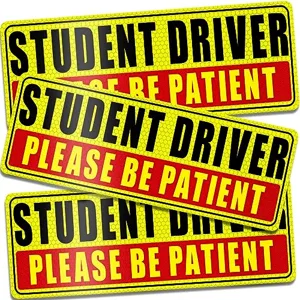 Student Driver Magnetic Car Sign Best for: beginners practicing in real traffic, where stalling at a light is a normal part of learning. Why we picked it: gives other drivers a heads-up so they give you extra space and patience while you find the bite point. Main drawback: it’s a courtesy signal, not a legal requirement, so it won’t stop an impatient driver from honking. Check on Amazon |
Step-by-Step Guide to Starting a Manual Car
Alright, let’s get to the good stuff—how to start the car. I’ll break it down into simple steps, just like I’d explain it if we were sitting in your car together.
Step 1: Get in and Get Ready
Sit in the driver’s seat and adjust it so your left foot can fully press the clutch pedal without stretching. I like to make sure my back is supported and I can see the road. Buckle up, check your mirrors, and make sure the parking brake is on. This keeps the car from rolling while you’re learning. My first time, I forgot the parking brake and the car rolled a bit—scary but a good lesson!
Step 2: Press the Clutch Pedal
Push the clutch pedal to the floor with your left foot. This disengages the engine from the transmission, making it safe to start. I always double-check that the clutch is fully down, because if it’s not, the car might lurch or stall. Keep your foot on the clutch for now.
Step 3: Check the Gear Stick
Make sure the gear stick is in neutral. Neutral is the “middle” position where the stick moves freely side to side. Most cars won’t start unless the clutch is down or the gear is in neutral—it’s a safety feature (sometimes called a transmission interlock switch). I had a car once that wouldn’t start because I accidentally left it in first gear. If your car has a neutral safety switch, you might need to press the clutch even in neutral.
Step 4: Turn the Key or Push the Button
If your car has a key, insert it into the ignition and turn it to the “start” position. If it’s a push-button start, press the brake and clutch, then hit the button. You should hear the engine crank and start. I love that moment when the engine roars to life—it’s like the car’s saying, “Let’s go!” Hold the key or button for a second or two, then release once the engine catches.
Step 5: Release the Clutch Slowly
Once the engine is running, you can slowly let the clutch pedal up. If the car is in neutral, it won’t move. I always practice this a few times to get a feel for the clutch. If you release it too fast, the car might jerk, but don’t worry—that’s normal when you’re learning.
How to Drive Off and Shift Gears After Starting
Getting the engine running is only half the job — the next question I get asked most is what to do the moment the car actually starts moving. Once you’ve released the clutch in first gear and you’re rolling, ease off the clutch the rest of the way and add a bit more gas. You don’t need to ride the clutch once you’re moving; it should be fully up, just like the brake or gas pedal.
Shifting to second gear usually happens somewhere around 1,500–2,500 RPM, or roughly 10–15 mph in most cars, though this varies by vehicle. If you don’t have a tachometer handy, listen to the engine: a rising, straining pitch means it’s time to shift up, just like the sound cues I mentioned earlier for a smooth clutch release. To shift, press the clutch fully down again, move the gear stick from first to second (usually a straight pull back in the H-pattern), then release the clutch smoothly while adding gas, the same coordinated motion as starting off. Each gear change afterward follows the same rhythm: clutch down, shift, clutch up smoothly.
If this is the part you want to go deeper on, our beginner’s guide to shifting gears the right way walks through every gear change, downshifting, and rev-matching in more detail than fits here.
Starting on a Hill
Starting a manual car on a hill is a whole different beast. I stalled my car so many times trying to get this right, but now it’s second nature. Here’s how I do it:
- Press the clutch and brake: Keep the clutch down with your left foot and the brake with your right.
- Shift to first gear: Move the gear stick to first.
- Use the parking brake: If your car has a handbrake, pull it up to keep the car from rolling back.
- Find the clutch’s “bite point”: Slowly release the clutch until you feel the car start to tug forward. This is where the clutch engages.
- Ease off the brake: Release the parking brake or foot brake as you gently press the gas.
- Smoothly release the clutch: Let the clutch up while adding gas to move forward.
I practiced this in a quiet neighborhood with a small hill. It took a dozen tries, but once I felt that bite point, it clicked. If you stall, don’t panic—just restart and try again.
This is just the quick version — for the full breakdown of the handbrake method, hill-hold assist, and what to do if you roll back or lurch forward, see our dedicated guide on starting a manual car on a hill.
Common Mistakes and How to Avoid Them
When you’re learning, mistakes happen. I’ve made plenty, so let me save you some trouble:
- Releasing the clutch too fast: This causes the car to stall. I did this a lot at first. Go slow and feel the clutch engage.
- Forgetting neutral: Starting in gear can make the car lurch. Always check the gear stick before turning the key.
- Not using the parking brake on hills: Without it, you might roll back. I learned this after rolling into a (thankfully empty) parking space.
- Pressing the gas too hard: Too much gas can make the engine rev loudly or stall. Ease into it gently.
Practice makes perfect, so don’t get frustrated. I stalled my car at least 20 times the first day, but each stall taught me something.
Tips for Smooth Starting
Here are some tricks I’ve picked up over the years to make starting a manual car easier:
- Listen to the engine: A healthy engine sounds steady. If it’s struggling, you might need more gas or a slower clutch release.
- Practice in a safe space: Empty lots or quiet streets are perfect for getting comfortable.
- Feel the clutch: Every car’s clutch feels different. Spend time finding the bite point in your car.
- Stay calm: If you stall, take a deep breath and try again. I used to get flustered, but staying relaxed helps.
When I taught my sister to drive my manual, I told her to treat the clutch like a friend—gentle and patient. It worked for her, and it’ll work for you too.
Troubleshooting Starting Issues
Sometimes, the car won’t start, and it’s not your fault. Here’s what I check when things go wrong:
- Dead battery: If the engine doesn’t crank, the battery might be dead. I had this happen once after leaving my lights on. Check for a weak crank or dim dashboard lights.
- Clutch safety switch: Some cars won’t start unless the clutch is fully pressed. Make sure you’re pushing it down.
- Wrong gear: If the gear stick isn’t in neutral, the car might not start. Double-check the position.
- Fuel issues: No fuel? No start. I ran out of gas once and felt so silly when I realized that was the problem.
If the car still won’t start, it might be a bigger issue, like a bad starter motor. I had to call a mechanic once when my car just clicked instead of starting.
Practicing and Building Confidence
Starting a manual car is just the beginning. To get really good, you need practice. I spent hours in that parking lot, starting and stopping until it felt natural. Try these steps to build your skills:
- Start and stop repeatedly: Practice starting the car, moving a few feet, and stopping. This helps you master the clutch.
- Try different surfaces: Once you’re comfortable, practice on slight inclines or gravel to get a feel for different conditions.
- Drive in low traffic: When you’re ready, take the car to a quiet street and practice starting at stop signs.
- Bring a friend: I had my dad ride along when I was learning. He gave me tips and kept me calm.
The more you practice, the less you’ll think about the steps. Now, I start my manual car without even thinking about it.
Why Learning to Start a Manual Is Worth It
Driving a manual car is more than just getting from point A to B. It’s about feeling connected to the machine. I love the way I can control every shift and make the car respond exactly how I want. Plus, manuals are less common these days, so it’s a cool skill to have. I’ve had friends ask me to teach them just so they could say they can drive a stick. It’s also a money-saver—manual cars are often cheaper to buy, and you can avoid costly transmission repairs that automatics sometimes need.
Maintaining Your Manual Car
To keep your manual car starting smoothly, a little maintenance goes a long way. I learned this after neglecting my first car and dealing with a sticky clutch. Here’s what I do now:
- Check clutch fluid: It’s usually in a small reservoir near the brake fluid. Low fluid can make the clutch feel spongy.
- Inspect the clutch: If it’s slipping or hard to press, it might need adjustment or replacement. I had to replace my clutch after 100,000 miles.
- Keep the battery healthy: A weak battery makes starting harder. I check mine every few months with a multimeter.
- Listen for weird noises: Grinding or rattling could mean transmission issues. I caught a problem early once because I noticed a faint grind.
Regular oil changes and tune-ups help, too. A happy engine starts easier and runs better.
Conclusion
You’re now ready to start a manual transmission car with confidence, whether you’re just starting out or brushing up on your skills. From mastering the clutch to tackling hills and shifting into second, you’ve got the steps and the common mistakes to watch for. It’s a skill that gets easier with practice — grab your keys, find a quiet spot, and give it a try. Got more questions? Check out the FAQs below.
FAQs
Why does my manual car stall when I start it?
Stalling usually happens if you release the clutch too fast or don’t give enough gas. I stalled a lot at first. Try letting the clutch up slowly until you feel the bite point, then add a little gas.
Do I always need to press the clutch to start a manual car?
Most modern manual cars have a clutch safety switch, so you need to press the clutch to start. If the gear is in neutral, some older cars might start without it. I always press the clutch just to be safe.
Can I start a manual car in gear?
You can, but it’s not recommended. If the clutch isn’t fully pressed, the car will lurch forward. I did this by accident once and scared myself silly. Always start in neutral.
How long does it take to learn to start a manual car?
It depends, but most people get the hang of it in a few hours of practice. It took me about a weekend to feel comfortable. Practice in a safe space, and you’ll pick it up faster than you think.
What if my manual car won’t start at all?
Check the battery, clutch safety switch, and fuel level first. If those are fine, it could be a starter motor or ignition issue. I had a dead battery once and thought it was the engine—always check the simple stuff first.
What do I do right after the car starts moving?
Once you’re rolling in first gear, ease the clutch all the way up and add a little more gas. Shift to second gear around 1,500–2,500 RPM, or roughly 10–15 mph, using the same clutch-down, shift, clutch-up motion you used to start. Every gear change after that follows the same rhythm.
Products related to this article
Sponsored / affiliate links. As an Amazon Associate I earn from qualifying purchases. I may earn additional commission from eligible campaigns.