Incorporating Cars Into a Modern Lifestyle: Fit Guide
Choose a car around your commute length, passenger count, cargo needs, tech use, and ownership costs. Miss that match, and you waste fuel, fight cramped trips, stop too often for charging or fuel, and pay for features you never touch. This guide shows how to choose and use the right car for work, family, devices, and long-term practicality.
How do you choose a car that fits your lifestyle?

Start with your daily driving pattern
Begin with the commute profile. Check distance, traffic conditions, route type, and terrain. A short city loop with frequent stops asks for different traits than a long highway drive or a hilly suburban route.
For city driving, easy parking, strong visibility, and quick phone integration matter more than high-speed comfort. For highway use, adaptive cruise control and a quieter cabin usually matter more. If your route includes steep grades or snow, tire choice, ground clearance, and torque delivery become part of the fit.
Match the car to your ownership tolerance
People tolerate ownership differently. Some want low effort and predictable service. Others do not mind learning a vehicle’s menus, charging routine, or software updates. That choice matters as much as horsepower or badge value.
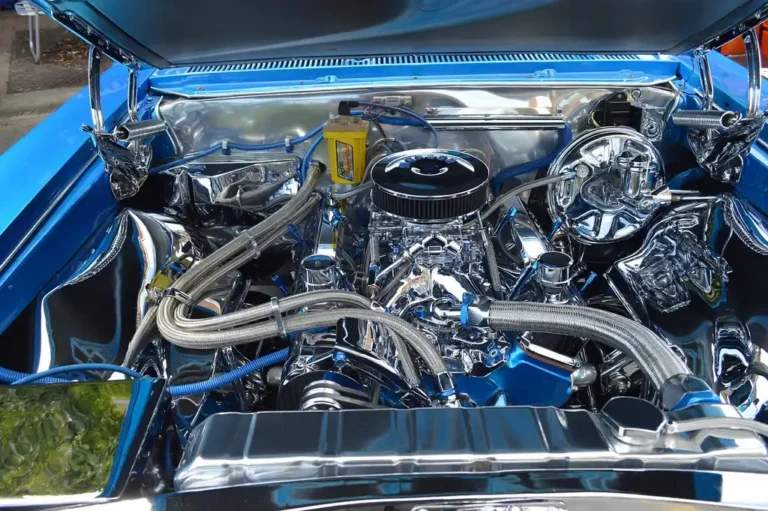
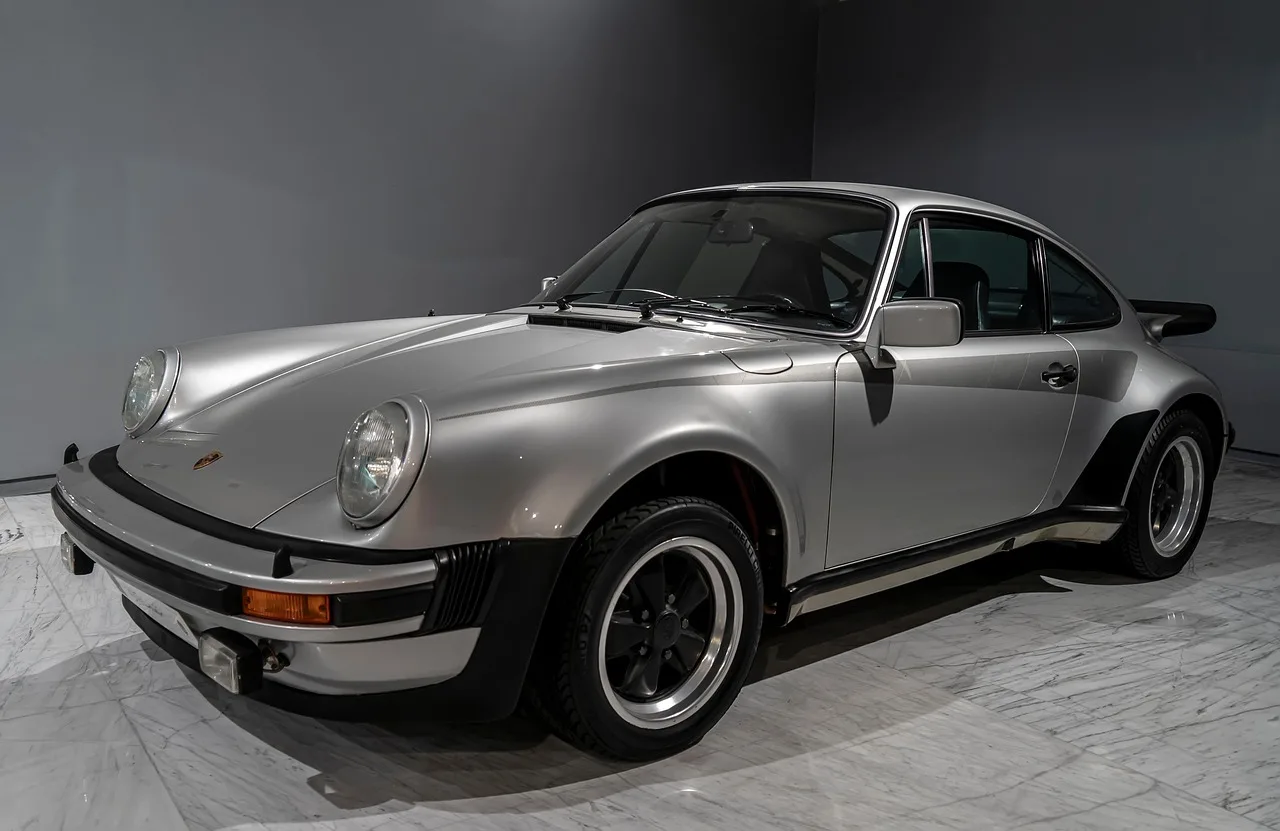
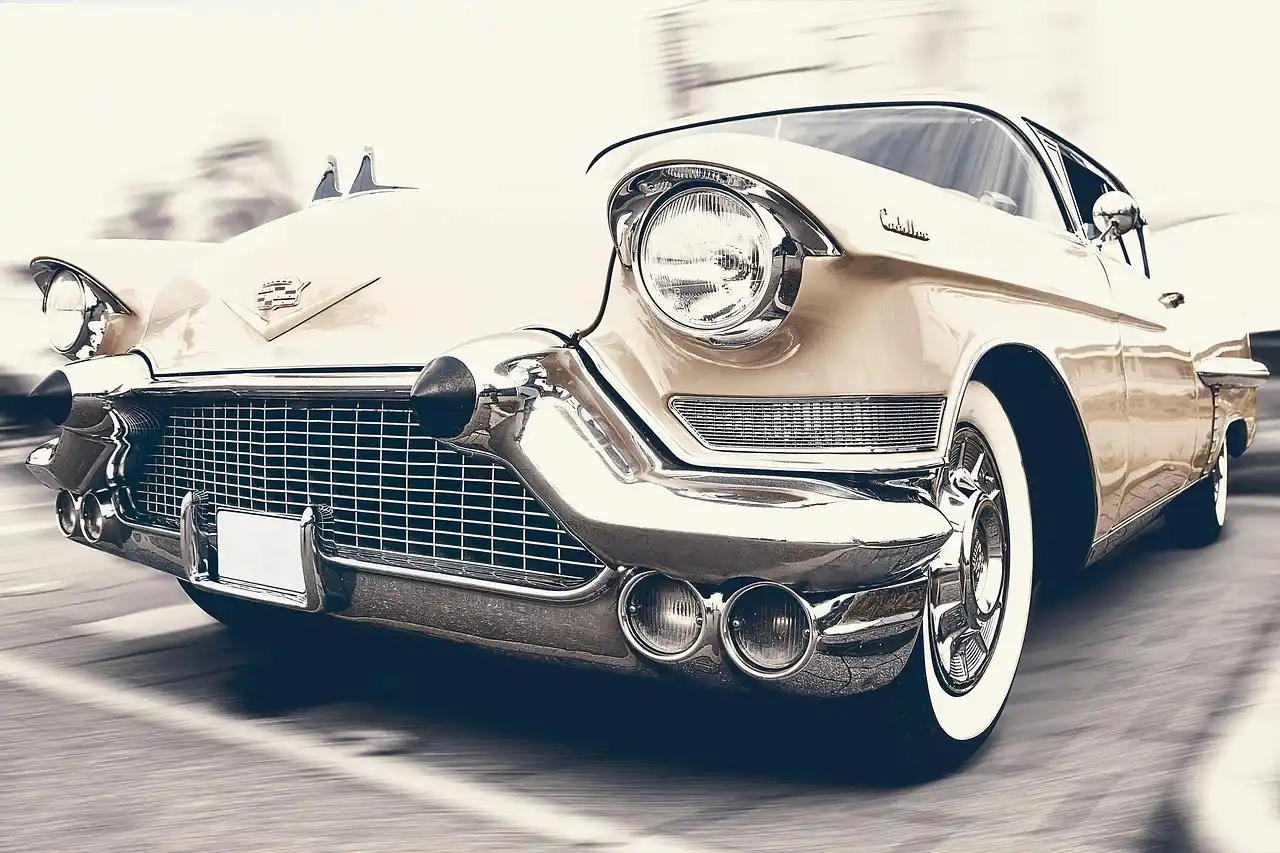
Electric and hybrid cars support sustainability and can fit eco-conscious lifestyles, but they also ask you to think about charging access, trip planning, or service procedures. Classic cars ask for even more tolerance because age brings more maintenance attention and fewer convenience systems.
Use a simple decision order
- List your weekly driving pattern.
- Count regular passengers and cargo loads.
- Decide how much tech you want to manage.
- Decide how much upkeep you will accept.
- Choose the car that fits the largest share of those needs.
Say your weekday route is a moderate distance each way, mostly stop-and-go, with children and a stroller on school days. A compact sedan may save space in the garage, but a small SUV or wagon may fit the routine better because it eases car-seat access and cargo loading.
📊 Cars now integrate wireless smartphone connectivity in many 2026 models. Source: Incorporating Cars Into a Modern Lifestyle.
What modern car features matter most for daily life?
The most useful modern features are the ones that remove friction from routine driving. Wireless smartphone connectivity, AI-based personalization, predictive maintenance alerts, and ADAS all help in different ways, but each one matters only if it fits the way you drive.
Wireless smartphone connectivity for daily use
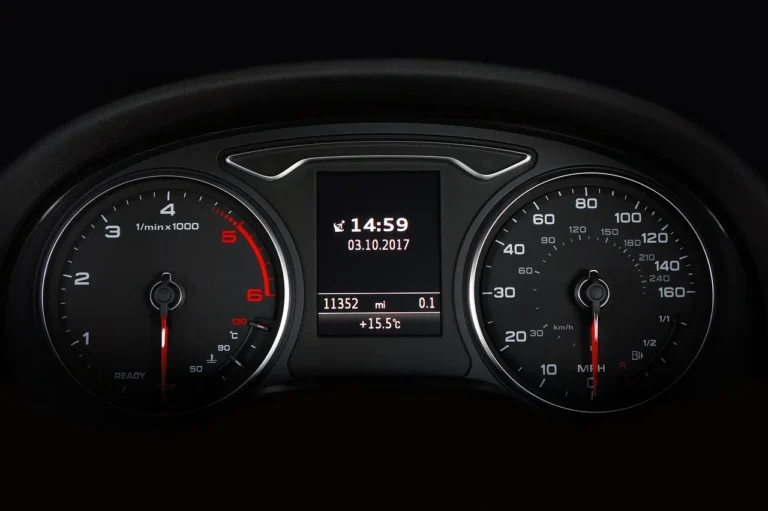
Cars now integrate wireless smartphone connectivity in many 2026 models. That matters because it lets your phone handle navigation, calls, and media without a cable in the way. For a daily driver, that means fewer cord swaps and faster startup on short trips.
It is especially useful if you rely on maps, voice calls, or music every day. It can add complexity, though, if you dislike software pairing issues or if you prefer a simple dashboard with fewer menus. In that case, a clean infotainment layout matters more than extra apps.
AI-based personalization for comfort and convenience
Cars now integrate AI-based personalization in many 2026 models. In plain terms, the vehicle can learn preferred seat positions, climate settings, audio levels, or route habits and adjust around them. That helps households where more than one driver uses the same car.
The tradeoff is control. Some drivers like a car that remembers them; others want manual settings only. If you share a vehicle, check how easy it is to save, switch, and reset driver profiles before you buy.
Predictive maintenance alerts for service planning
Cars now integrate predictive maintenance alerts in many 2026 models. Those alerts warn you about service needs before a failure, so you can plan oil changes, filters, brakes, or battery checks instead of reacting to a dashboard warning at the wrong time.
This feature matters most for drivers with tight schedules. It helps you budget time and reduce surprise downtime. If you keep a car for years, that planning is often more valuable than a flashy infotainment screen.
ADAS that reduce driving stress
Advanced driver-assistance systems are cited as modern safety features. Examples often include adaptive cruise control and automatic emergency braking. These systems can reduce driving stress, especially in traffic, during long commutes, or on routes with frequent stop-and-go movement.
ADAS does not replace attention. It does make repetitive driving easier, and that can matter if your day includes long highway runs or dense commuting. The best setup is one you can understand quickly, because confusing alerts can become a burden.

How do you evaluate a car for commuting and family use?

Evaluate commuting and family use by splitting the job into two parts, how it handles the route and how it handles the people inside it. A commuter car that fails at car seats or cargo loading will frustrate you. A family hauler that feels miserable on a long drive will do the same.
Commute distance, traffic, route type, and terrain
Use distance first, then traffic, route type, and terrain. A short urban commute with congestion tends to reward easy parking and efficient low-speed driving. A longer highway commute tends to reward comfort, noise control, and driver aids. Hilly terrain rewards stronger drivability and braking confidence.
Picture a driver whose route mixes city streets, a freeway merge, and a steep final hill. A car with decent visibility, adaptive cruise control, and predictable low-speed responses will feel calmer than a larger vehicle that is awkward in traffic.
Family size, car seats, and cargo space
Family size and lifestyle affect vehicle choice. Car seats and cargo space are core needs, not optional extras. Check rear-door opening angle, latch access, rear-seat legroom, and trunk or hatch shape if you need to carry strollers, sports gear, or groceries.
Multi-person travel changes the equation again. A car can look spacious with two people aboard and still feel cramped with three across the back or a full load of bags. Test the back seat for adult comfort if it will matter on road trips.
City driving versus suburban driving
City drivers usually benefit from compact size, tight turning radius, clear cameras, and easy curb-side loading. Suburban drivers often need more cargo room, longer-seat comfort, and better highway manners. The right answer depends on whether you spend more time maneuvering or cruising.
For urban use, wireless smartphone connectivity and parking aids can matter more than large screens. For suburban use, you may care more about rear-seat space, quiet ride quality, and a trunk that swallows weekend errands without a puzzle.
What should you look for in a modern car interior?
Look for an interior that cuts daily friction. The best cabin layout makes your phone easy to connect, your controls easy to reach, your passengers easy to seat, and your storage easy to use. Materials matter too, because dirty shoes, spilled coffee, and child seats happen.
Infotainment layout and phone integration
A modern interior should place the screen where you can glance at it without strain. Wireless smartphone connectivity is useful only if pairing is reliable and menus are readable. Buttons and knobs still matter because they are quicker than deep touch menus for common tasks.
Storage, seating comfort, and visibility
Check cupholders, door pockets, console depth, and front-seat adjustment range. Visibility matters for city driving and parking, while good seat cushioning matters for longer commutes. A good cabin fits your hands, your bags, and your sightlines without constant correction.
Cabin materials and easy-to-clean surfaces
If children, pets, gym gear, or outdoor clothing are part of life, easy-to-clean surfaces matter more than delicate trim. Durable upholstery, stain-resistant mats, and simple switchgear make ownership easier. Fancy materials are fine, but only if they suit your routine.
Lifestyle fit checklist and recommendation matrix
Use this one-page checklist to score the car before you buy. Give each section 0 to 5 points. Higher totals point to a better fit for your routine, not to a universally “better” car.
| Section | 0 points | 3 points | 5 points |
|---|---|---|---|
| Commute | Rarely driven, no routine route | Mixed city and highway use | Clear fit for distance, traffic, route, and terrain |
| Passengers and cargo | Usually one person, little cargo | Occasional passengers or weekend cargo | Fits car seats, luggage, or multi-person travel with ease |
| Tech dependence | Prefer minimal tech | Use phone nav and music sometimes | Need wireless smartphone connectivity and driver profiles daily |
| Maintenance tolerance | Want minimal upkeep and clear alerts | Accept scheduled service | Comfortable with more involved ownership or classic-car care |
| Driver type | Best fit | Why it fits |
|---|---|---|
| City driver | Compact hybrid or efficient small EV | Easy parking, lower running costs, good low-speed use |
| Family driver | Midsize SUV, minivan, or wagon | Car seats, cargo room, and easier multi-person travel |
| Road-trip driver | Comfort-oriented hybrid, EV with reliable charging access, or quiet sedan | Range planning, cabin comfort, and driver-assist support |
Add your scores. Then compare them against the car’s real strengths. If a vehicle scores high only because of styling or status, it may look right and live wrong.
Which accessories actually improve everyday ownership?
The best accessories solve specific ownership pain points. Good accessories are not decoration. They help with navigation, safety, diagnostics, and cargo organization, and they usually cost less than a single repair visit.
Phone mount
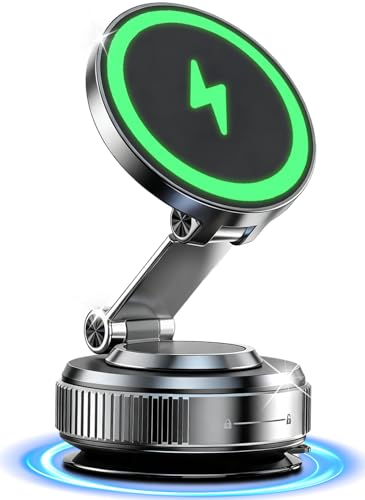
A phone mount keeps navigation and calls in view without balancing your device on the console. A VANMASS Military-Grade Car Phone Mount is listed at $25.98, which makes it a low-cost fix for drivers who depend on phone-based directions.
Dash cam
A dash cam helps document incidents, parking scrapes, and insurance disputes. The REDTIGER 4K Dual Dash Cam Front and Rear is listed at $119.99, which is reasonable if you want both front and rear coverage in one package.
OBD-II scanner
An OBD-II scanner helps you read basic fault codes before you decide on a repair visit. The ANCEL AD310 Universal OBD II Scanner is listed at $23.99. That is useful for owners who want more information than a warning light alone provides.
Trunk organizer
A trunk organizer keeps groceries, chargers, emergency gear, and sports items from rolling around. The HOTOR Foldable Trunk Organizer is listed at $12.99. That is an easy upgrade for families, commuters, and rideshare-style use.
Is a car still a status symbol in modern life?
Yes, but status is now only one layer of ownership. People still read cars as signals of taste, income, or identity, yet daily usefulness often matters more than image. A car that fits your routine will usually age better in your life than one chosen only for style.
If status matters to you, decide how much of it should influence the purchase. A premium badge can bring comfort, features, and pride of ownership. It can also bring higher costs, more complex systems, and features you may not need.
Classic cars vs modern cars: which is better for everyday use?
For everyday use, modern cars usually win because they offer easier commuting, better safety systems, predictive maintenance alerts, and wireless smartphone connectivity. Classic cars can be more engaging and expressive, but they usually ask for more maintenance tolerance and often have fewer convenience features.
Classic cars also lack many current safety and convenience systems. Modern cars, by contrast, fit school runs, work commutes, and long trips with less effort. If daily reliability matters most, modern is the safer default.
how to live in car
Living in a car is a different problem from choosing one for daily use. You need storage, privacy, power access, ventilation, and a clean plan for legal parking. The vehicle itself should be selected around comfort, space, and low operating cost, not around appearance alone.
In that situation, cargo volume, seat-folding flexibility, and easy-to-clean materials matter more than fancy trim. Accessories become practical tools: organizer bins, charging cables, and a phone mount help create order in a very small space.
Frequently asked questions
What are the best accessories for a modern car lifestyle?
Start with accessories that solve daily problems. A phone mount helps with navigation, a dash cam helps with incident records, an OBD-II scanner helps with diagnosis, and a trunk organizer keeps cargo under control. Those four items cover common pain points without adding much cost.
Products related to this article
Sponsored / affiliate links. As an Amazon Associate I earn from qualifying purchases. I may earn additional commission from eligible campaigns.