Are Camaros Muscle Cars: Unveiling Their True Muscle Power
Are Camaros muscle cars? If you’ve ever seen one roar down the street, you might already think the answer is yes.
But what really makes a car a muscle car? And does the Camaro fit the bill? You’re about to discover what sets these iconic vehicles apart and why the Camaro holds a special place in muscle car history. Stick around, because by the end, you’ll see this classic ride in a whole new light.
Camaro’s Muscle Car Roots
The Chevrolet Camaro has a long history tied to muscle cars. It stands as a symbol of American power and style. The Camaro was built to deliver speed and excitement. Its design and performance reflect the muscle car spirit. Understanding its roots helps appreciate why it remains popular today.
The Camaro was made to compete with other muscle cars. It brought a fresh look to the market. Its powerful engines and bold design made it a favorite. Muscle car fans still admire the Camaro for its heritage.
Origins Of The Camaro
The Camaro was introduced by Chevrolet in 1966. It was created to fight the Ford Mustang’s success. Chevrolet wanted a sporty car with strong performance. The first Camaro came with various engine options. This allowed buyers to choose power or economy. Its name came from French, meaning “friend” or “companion.”
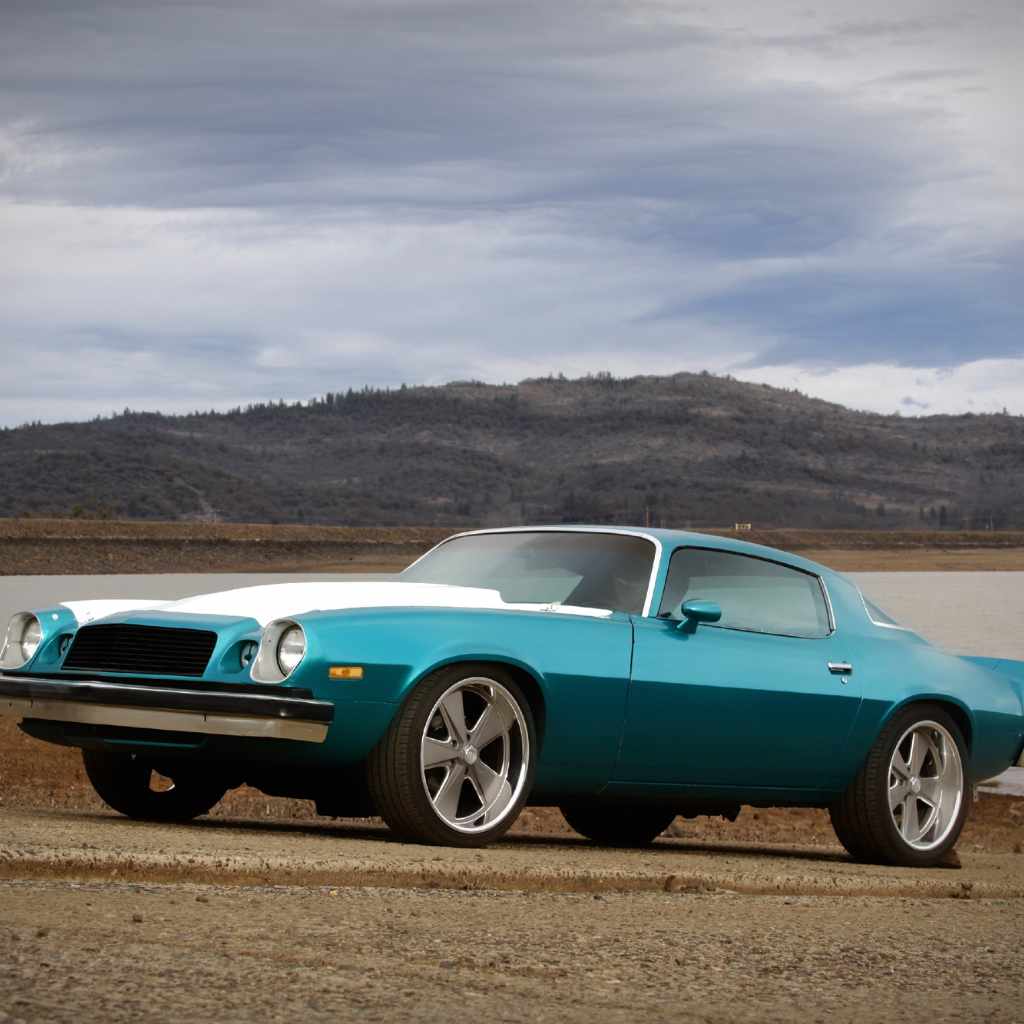
The Camaro was built on a unique platform. It had a long hood and short rear deck. This design gave it a classic muscle car look. It quickly gained attention for its style and speed.
Early Muscle Car Era
The late 1960s was the golden age of muscle cars. The Camaro joined a fierce competition during this time. It faced rivals like the Mustang and Dodge Charger. These cars were all about raw power and street presence.
The Camaro offered V8 engines with high horsepower. This made it a strong performer on roads and tracks. It became popular for drag racing and car shows. The muscle car era shaped the Camaro’s identity deeply.
Even today, the first-generation Camaro is praised. It represents muscle car culture and American automotive history. The early muscle car era set the stage for the Camaro’s legacy.
Engine And Performance
The engine and performance of a Camaro define its identity as a muscle car. Powerful engines and strong performance parts give the Camaro its classic muscle car feel. Each model offers a variety of powertrains to match different driving needs. The focus stays on delivering high power and thrilling speed.
Understanding the Camaro’s engine options helps explain why it is so popular among muscle car fans. The performance specs show how much power and speed the car can handle on the road or track. These details matter for anyone who loves strong, fast cars.
Powertrain Options
The Camaro comes with several engine choices. Small V6 engines suit daily driving and save fuel. V8 engines offer more power for muscle car lovers. Some models even have supercharged V8s for extra strength. Manual and automatic transmissions are available. This variety lets drivers pick what fits them best.
Horsepower And Torque
Horsepower ranges from about 275 to over 650. Torque also increases with engine size. High horsepower means the car can go fast. Strong torque helps with quick starts and pulling power. These numbers show why the Camaro stands out among muscle cars.
Acceleration And Speed
Camaro accelerates from zero to 60 mph in just a few seconds. The fastest models reach this speed in under four seconds. Top speeds can exceed 190 mph. Quick acceleration and high speed make the Camaro exciting to drive. This performance keeps the muscle car spirit alive.
Design And Styling
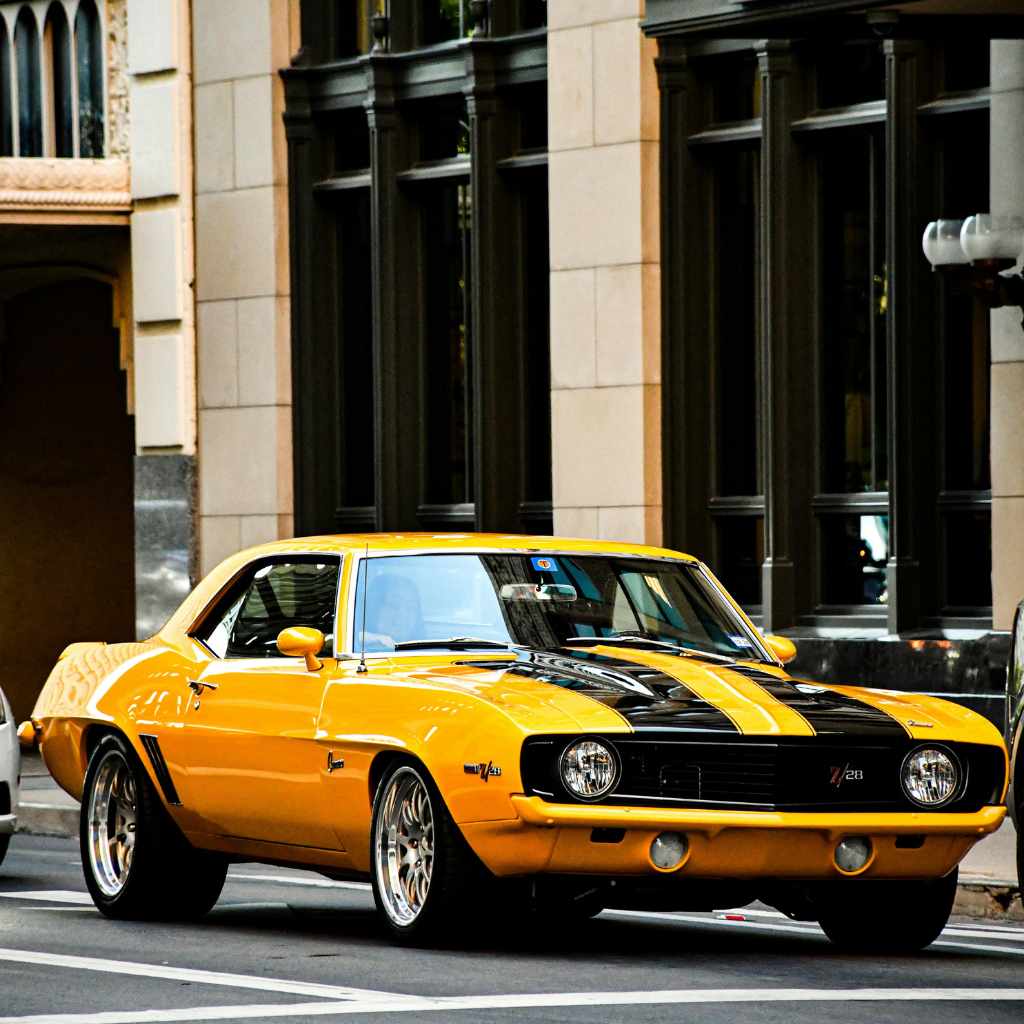
The design and styling of Camaros play a big role in their identity as muscle cars. Their looks are bold and aggressive. They show power and speed even when standing still. The design mixes classic muscle car traits with modern touches. This makes Camaros stand out on the road. Every curve and line is made to catch the eye. The style speaks to both history and performance.
Muscle Car Aesthetics
Camaros have a strong, muscular shape. The wide stance and low roof give a tough look. Sharp edges and deep grooves add intensity. The front grille is large and commanding. Headlights are narrow and focused. These features create a fierce face. The rear end is wide with bold taillights. It feels ready to race. The design reflects the raw power inside the engine. It keeps the classic muscle car spirit alive.
Aerodynamics And Body Features
Camaros also focus on smooth airflow. The body is sculpted to reduce drag. This helps improve speed and handling. Air vents on the hood and sides cool the engine. Spoilers and splitters add downforce. This keeps the car steady at high speeds. The lightweight materials lower the car’s weight. These details boost performance without losing style. The design balances looks with function perfectly.
Comparing Camaros To Classic Muscle Cars
Classic muscle cars have a special place in car history. They show power, style, and speed. The Chevy Camaro is often seen as part of this muscle car group. Comparing Camaros to other classic muscle cars helps us see what makes each one unique. It also shows how the Camaro fits into the muscle car world.
Muscle cars come with strong engines and bold designs. They are built for fast driving and street style. The Camaro competes with other famous muscle cars like the Ford Mustang and the Dodge Challenger. Each has its own fans and special features.
Chevy Camaro Vs Ford Mustang
The Camaro and Mustang have been rivals since the 1960s. Both cars have powerful V8 engines. The Camaro often has a more aggressive look. The Mustang offers a mix of classic and modern styles. Performance is close, but each car has different driving feels. Mustang focuses more on comfort. Camaro leans toward sporty and sharp handling.
Camaro Vs Dodge Challenger
The Camaro and Challenger both show muscle car power. The Challenger is bigger and heavier. It has a retro design that reminds people of the 1970s. The Camaro is lighter and more agile. Both cars have strong engines. The Challenger’s ride is smooth and strong. The Camaro feels quicker and more nimble on the road.
Modern Camaro Models
The modern Camaro models keep the muscle car spirit alive with fresh designs and strong performance. These cars blend classic power with today’s technology. They attract fans who want speed and style in one package.
Each new Camaro offers a mix of muscle car heritage and modern engineering. This balance keeps the Camaro relevant in today’s car market. Drivers enjoy a ride that feels both powerful and smooth.
Evolution Over Time
The Camaro has changed a lot since its first release. It started as a simple muscle car with a powerful engine. Over the years, the design and features have improved. Newer models look sharper and drive better.
Body shapes have become more aerodynamic. The engine options now include efficient and strong choices. The interior got more comfortable with better materials. Safety features are much better than before.
Technological Enhancements
Modern Camaros include many new tech features. Touchscreen displays and smartphone integration come standard. Drivers get advanced sound systems for better audio experience. Safety systems like cameras and sensors help avoid accidents.
The engines use fuel-saving technology without losing power. Suspension and brakes are upgraded for better control. Overall, technology makes the Camaro safer and more fun to drive.
Camaro In Popular Culture
The Camaro holds a special place in popular culture. It is more than just a car. It represents power, style, and freedom. Its design and performance have caught the eye of many people around the world. The Camaro has become a symbol in movies, TV shows, and car clubs. This section explores how the Camaro shines in popular culture.
Appearances In Movies And Tv
The Camaro often plays a starring role in movies and TV. It appears in action and racing scenes. The car’s bold look makes it perfect for thrilling moments. Films like “Transformers” made the Camaro famous worldwide. It often symbolizes speed and strength on screen. Viewers remember its roar and sleek body. The Camaro adds excitement and drama to many stories.
Car Enthusiast Communities
Many car lovers join communities centered on the Camaro. These groups share tips, stories, and photos. They organize meets, races, and shows. People enjoy talking about Camaro models and upgrades. The car builds strong friendships and a sense of belonging. Enthusiasts keep the Camaro’s spirit alive. These communities celebrate the car’s history and power.
Muscle Car Status: Final Verdict
The muscle car status of the Camaro sparks many debates. Some see it as a true muscle car. Others think it is just a sporty car. The final verdict depends on performance, history, and spirit. Let’s explore these factors closely.
Performance Meets Tradition
The Camaro offers strong engines and fast acceleration. It often features V8 power, a key muscle car trait. Its performance matches many classic muscle cars on the road. The car’s design keeps muscle car style alive. Bold looks and aggressive stance show power and speed. The Camaro blends modern tech with muscle car roots well.
The Camaro’s Place In Muscle Car History
Since 1966, the Camaro has been part of muscle car culture. It challenged the Mustang and helped define muscle car rivalry. The car’s legacy includes many powerful models and racing success. Fans respect the Camaro for its role in muscle car history. It remains a symbol of American muscle car passion and strength.
Frequently Asked Questions
Are Camaros Considered Classic Muscle Cars?
Yes, Camaros are classic muscle cars. Introduced in 1966, they feature powerful V8 engines and aggressive styling, embodying American muscle car culture.
What Makes A Camaro A True Muscle Car?
A Camaro qualifies as a muscle car due to its high-performance engine, rear-wheel drive, and sporty design focused on speed and power.
How Do Camaros Compare To Other Muscle Cars?
Camaros compete closely with Mustangs and Challengers, offering similar power, style, and performance, making them a top choice among muscle car enthusiasts.
Are All Camaro Models Muscle Cars?
Not all Camaros are muscle cars. Some models have smaller engines and focus on fuel efficiency rather than high performance.
Conclusion
Camaro stands strong as a true muscle car icon. It offers power, style, and speed that muscle car fans love. Its design and engine match classic muscle car traits well. Camaro keeps the muscle car spirit alive today. Many drivers enjoy its thrilling performance on the road.
So, Camaro fits perfectly in the muscle car world. It brings excitement to car lovers everywhere. A muscle car through and through, the Camaro shines.