Are Car Seat Inserts Safe? What Pediatricians Say
Car seat inserts are safe only when they came packaged with your specific car seat and were tested by the manufacturer as part of that seat. Aftermarket inserts you buy separately – head cushions, body pads, strap covers – are not required to meet any federal crash-test standard, and pediatric safety groups advise against using most of them.
That distinction matters more than it sounds. Below is what car seat manufacturers, the American Academy of Pediatrics, and NHTSA-certified Child Passenger Safety Technicians (CPSTs) actually say about which inserts are safe, which ones aren’t, and what to use instead if your baby needs extra support.
What Are Car Seat Inserts?
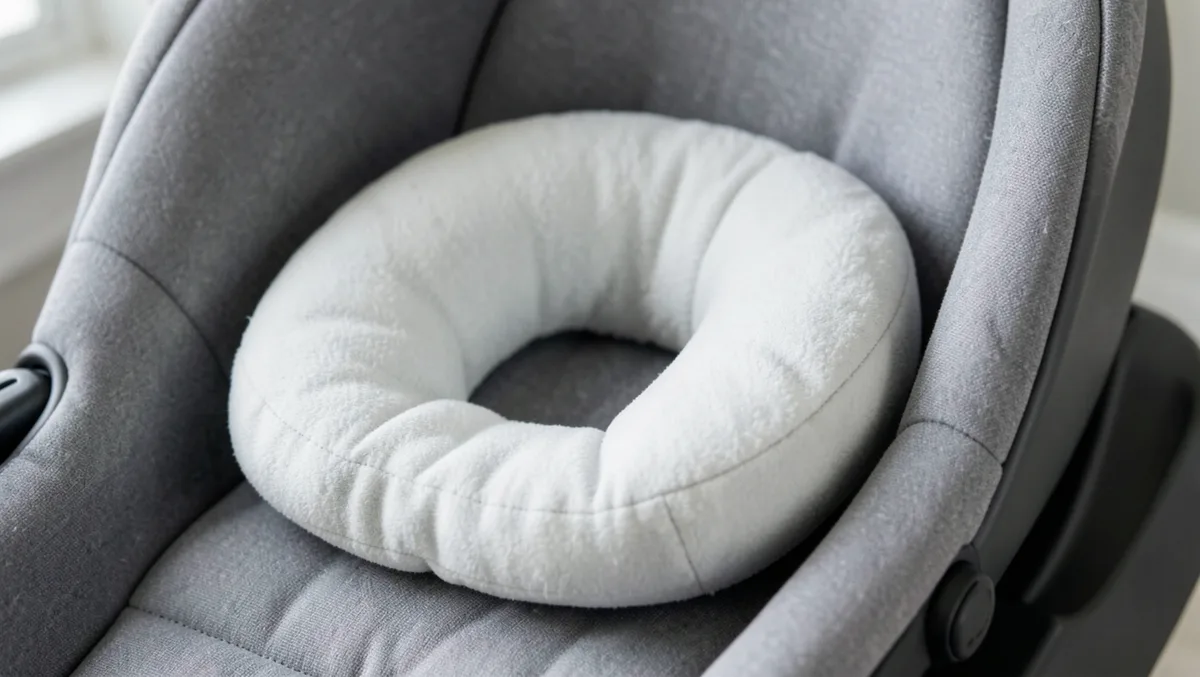
A car seat insert is any pad, cushion, or wedge added to a car seat to help a smaller baby fit more securely. They come as head supports, body pads, or full-body liners. Many infant seats – Graco SnugRide, Chicco KeyFit, Britax B-Safe, and similar models – ship with a newborn insert already installed, sized for babies who are too small to fill the seat’s shell on their own.
Infant car seats are built with extra shell space specifically so that this included insert can be removed later as the baby grows. That’s the key difference from an aftermarket insert bought separately: the factory insert was engineered and crash-tested as one system with that exact seat.
Why Parents Use Car Seat Inserts
Newborns often look lost in an infant car seat built to also fit a toddler, and that gap is exactly what a factory-included insert is meant to fill. It keeps a small baby’s head from lolling to the side and helps the torso sit centered in the harness instead of slumping. As a baby grows, most manuals call for removing the insert in stages – head support first, then the body pad – once the child fits the shell without it.
Some parents also look at aftermarket accessories, like plush headrests or strap covers, hoping to add comfort or reduce chafing. That’s the category where the safety concerns start, and it’s worth understanding exactly why before buying anything.
Are Car Seat Inserts Safe? The Short Answer
Yes – if the insert came with your car seat or is explicitly listed as approved in your seat’s manual. Inserts sold in the box with seats like the Graco SnugRide or Chicco KeyFit were engineered and crash-tested with that specific model. They’re built to hold a baby in the correct position without interfering with the harness or the seat’s crash performance.
Aftermarket inserts – the kind sold separately online or in stores – are a different category entirely. Because no federal standard applies to a standalone insert sold on its own, a manufacturer can call a product “safety tested” without any independent crash-test benchmark backing that claim. That’s the gap parents need to understand before adding anything extra to a car seat.
Manufacturer-Approved Inserts vs. Aftermarket Inserts
This is the distinction that actually determines whether an insert is safe. A manufacturer-approved insert is designed for one specific seat model and crash-tested as part of it – Graco’s newborn inserts, for example, are built to keep the infant at the correct recline angle inside a SnugRide shell specifically.
An aftermarket insert – sold separately by a different company, with no tie to your seat’s original testing – can look just as soft and well-made, but it was never tested with your seat. According to Child Passenger Safety Technicians, adding one can:
- Change how the harness sits, leaving straps looser or tighter than they should be.
- Alter the seat’s recline angle, which affects an infant’s airway position.
- Add bulk that compresses in a crash, creating dangerous slack in the harness at the moment it matters most.
If your car seat’s manual doesn’t name a specific insert as approved, treat any aftermarket version of it as unapproved – regardless of how it’s marketed.
What Safety Standards Actually Cover
Every car seat sold in the U.S. must pass Federal Motor Vehicle Safety Standard 213 (FMVSS 213), and that certification covers the seat exactly as it ships – including any insert packaged inside the box. Manufacturers like Graco, Britax, and Chicco test that full combination for:
- Harness fit: the insert can’t make the straps sit too loose or too tight.
- Recline angle: the seat must stay at the correct angle, especially for rear-facing infants.
- Crash performance: the insert can’t interfere with how the seat protects the child in an impact.
Here’s the part most shoppers don’t realize: FMVSS 213 applies to the car seat as a restraint system, not to standalone accessories sold separately. A company can print “crash tested” on an aftermarket insert’s packaging without that claim meaning it was tested with your seat, at a recognized standard, or by an independent lab at all. Always check what your specific seat’s manual lists as approved before adding anything.
What the American Academy of Pediatrics and NHTSA Actually Say
This is the part most articles on this topic skip. The American Academy of Pediatrics (via HealthyChildren.org) and NHTSA-certified Child Passenger Safety Technicians are specific about which aftermarket products to avoid, not just vague about “some accessories.” Products commonly flagged as unsafe include:
- Aftermarket head or neck support pillows not sold with the seat.
- Harness strap covers or pads bought separately from the seat.
- Footrests, wedges, or seat-angle adjusters not listed in the manual.
- Aftermarket seat covers that replace the factory cover entirely.
The reasoning is consistent across every source: there’s no way to know how an untested item changes the seat’s crash performance, because no regulator requires that testing to happen or to be published. The one item CPSTs consistently approve as a workaround is a tightly rolled receiving blanket – and even that comes with a specific technique, covered below.
When to Use Car Seat Inserts
Inserts matter most for newborns and small infants who don’t yet fill the seat’s shell. In general:
- Newborns: Many rear-facing-only seats include a head-and-body insert sized for smaller babies, often rated up to somewhere around 11-14 pounds depending on the model – check your specific manual rather than relying on a single number.
- Premature infants: Some preemies need specialized low-birth-weight inserts. These should only be manufacturer-approved products, ideally used under guidance from a CPST or the hospital’s discharge team.
- Growing infants: As babies grow, most manuals call for removing the head insert first, then the body pad, once the child fits the shell snugly on their own.
Always follow your specific car seat’s weight and height guidelines for when each piece of the insert should come out – that timing varies by brand and model.
Types of Car Seat Inserts
Here’s how the main categories break down:
| Insert Type | Purpose | Safety Notes |
|---|---|---|
| Head Support | Fills gaps around a small baby’s head and upper body. | Must fit snugly and never push the head forward. |
| Body Support | Centers a small infant’s torso in the harness. | Only safe if manufacturer-approved for that seat. |
| Strap Covers | Reduce harness rubbing on the neck or shoulders. | Must not loosen the harness or add bulk under the straps. |
| Wedge Inserts | Adjust recline angle for very small or premature babies. | Only safe if manufacturer-approved for that seat. |
Risks of Using Unsafe Car Seat Inserts
An unapproved insert doesn’t just add unnecessary padding – it can actively work against the seat’s crash protection:
- Loose harness: Extra padding compresses under load, leaving straps too loose to hold a child in place during a crash.
- Incorrect recline: An insert that shifts the seat’s angle can compromise an infant’s airway, since rear-facing infants need a recline in roughly the 30-45 degree range specified by the seat.
- Crash interference: Non-approved padding can shift or compress unpredictably in an impact, reducing how well the seat does its job.
- Overheating: Thick, non-breathable inserts trap heat against a baby who can’t easily signal discomfort.
Sticking to manufacturer-approved inserts – or the rolled-blanket technique described below – avoids all of these risks at once.
How to Check if a Car Seat Insert Is Safe
- Read the manual: Your car seat’s manual lists which inserts are approved and at what weight range.
- Check the fit: The insert shouldn’t push your child’s head forward or loosen the harness. Straps should lie flat and snug.
- Confirm manufacturer approval: Only use inserts made or explicitly approved by your car seat’s own brand, not a third-party product marketed as compatible.
- Test the recline: Confirm the insert doesn’t change the seat’s angle, using the built-in bubble level or angle indicator.
- Avoid bulky materials: Thick or fluffy padding compresses in a crash, which reduces protection exactly when it’s needed.
When to Remove Car Seat Inserts
Inserts aren’t meant to stay in indefinitely. Most manuals specify removal points based on weight or height:
- Head supports: Typically removed once a baby’s head fills the seat or reaches the insert’s stated weight limit.
- Body supports: Usually removed once the child fits snugly in the shell without them.
- Wedge inserts: Removed once the infant can maintain the correct recline without extra help.
Removing an insert too early or leaving it in too long can both affect fit and safety, so check your specific manual rather than going by a general rule of thumb.
Cleaning and Maintaining Car Seat Inserts
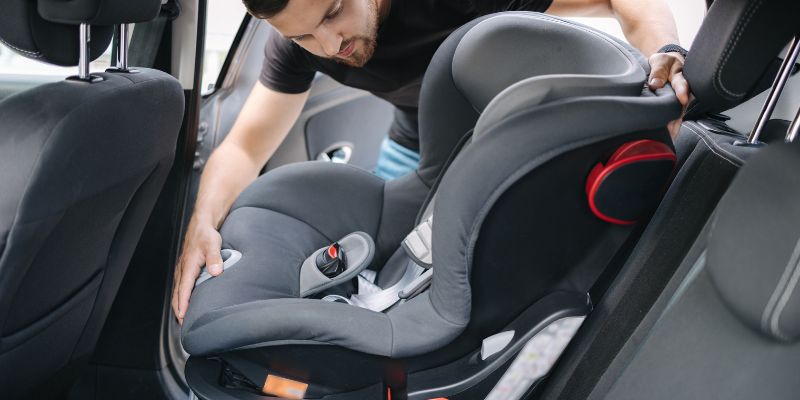
- Remove the insert: Follow the manual’s instructions so you don’t damage the harness routing.
- Check washing instructions: Most manufacturer inserts are machine-washable on a gentle cycle with mild detergent. Air-dry to prevent shrinking or foam damage.
- Inspect for wear: Look for tears, flattened padding, or frayed stitching, and replace if damaged.
- Reinstall correctly: Make sure the insert sits snugly and doesn’t change the harness fit or recline angle once it’s back in place.
Avoid using non-washable aftermarket inserts, since they can’t be properly cleaned between uses and may not hold up structurally after washing anyway.
Alternatives to Aftermarket Inserts
If your baby needs a little extra support and there’s no manufacturer-approved insert available, CPSTs recommend exactly one workaround – and the technique matters as much as the material:
- Rolled receiving blankets at the sides: Roll two thin blankets into firm cylinders and tuck one along each side of the baby’s torso, between the body and the seat’s shell – never under the baby and never between the baby and the harness straps. This supports the torso from the outside without adding compressible bulk under the straps.
- Manufacturer accessories: Some brands sell additional approved pads or strap covers specifically for their own seats – check the manufacturer’s website before assuming a generic version is equivalent.
- Adjust the harness: Re-tightening the harness to the correct snugness sometimes solves a fit issue without needing any extra padding at all.
- Size up or down: If a seat consistently doesn’t fit your child well, a different seat model built for their current size may be the safer fix.
Common Myths About Car Seat Inserts
- Myth: An insert is safe as long as it physically fits the seat. Truth: Fit alone doesn’t mean it’s crash-tested – only manufacturer-approved inserts carry that testing.
- Myth: More padding always means more comfort and more safety. Truth: Extra padding that isn’t approved can compress in a crash and actually reduce protection.
- Myth: Once installed, an insert can stay in as long as you like. Truth: Inserts have specific weight and height limits listed in the manual – using one past that point is its own safety issue.
Consulting Professionals for Car Seat Safety
If you’re unsure whether an insert or your overall car seat setup is correct, get it checked in person. Many fire stations and police departments host free car seat inspection events, and a certified Child Passenger Safety Technician (CPST) can confirm your installation and any insert are both correct for your specific seat and vehicle.
You can also contact your car seat manufacturer directly – Graco (1-800-345-4109) and Britax (1-888-427-4829) both take customer calls about insert compatibility and installation questions.
The Cost of Car Seat Inserts
Manufacturer-approved inserts typically ship with the seat at no extra cost. Replacement inserts from the original brand generally run $10-$50 depending on the model. Aftermarket inserts from third-party sellers are often cheaper, roughly $5-$30, but the lower price reflects the lack of testing, not a better deal – buy replacements from the seat manufacturer or an authorized retailer to avoid counterfeit parts.
The Environmental Impact of Car Seat Inserts
If you’re replacing a worn or outgrown insert, check for a local car seat recycling program before throwing it out – retailers like Target and Walmart have run periodic car seat trade-in and recycling events that accept seats and their components. Check your local municipality’s recycling guidelines too, since some accept foam padding separately from fabric.
The Future of Car Seat Inserts
Car seat design keeps evolving, and insert technology is part of that. Newer factory inserts increasingly use breathable, moisture-wicking fabrics to reduce overheating risk, and some manufacturers are building modular inserts that adjust in stages as a baby grows instead of requiring full removal at one weight cutoff. Whatever changes come next, the underlying rule stays the same: an insert is only as safe as the testing behind it.
Conclusion
The short version: use the insert that came with your car seat, follow the weight and height limits in your manual, and skip aftermarket head cushions, strap covers, and wedge pillows unless your seat’s manufacturer explicitly lists them as approved. If your baby needs a little more support and nothing approved is available, a properly rolled receiving blanket at the sides – never under the baby, never between the baby and the harness – is the one workaround child passenger safety technicians consistently approve.
Frequently Asked Questions
Are car seat inserts safe for newborns?
Yes, if the insert came with the seat or is explicitly listed as approved in the manual. These are crash-tested with that specific seat model. Always check the manual for the exact weight and height limits.
Can I use an aftermarket car seat insert?
It’s not recommended. Aftermarket inserts aren’t required to be crash-tested with your specific seat, and they can loosen the harness fit or change the recline angle in ways that reduce crash protection.
When should I remove the car seat insert?
Remove it once your child reaches the weight or height limit listed in your seat’s manual – this varies by brand and model, so check your specific manual rather than a general number.
How do I know if an insert is approved for my car seat?
Check your car seat’s manual or the manufacturer’s website. Only use inserts made or explicitly approved by that same brand for that exact seat model.
Can car seat inserts cause overheating?
Thick or non-breathable inserts can trap heat against a baby. Manufacturer-approved inserts are generally designed with breathability in mind, which is one more reason to avoid unapproved aftermarket padding.
Can I use a rolled towel or blanket instead of an insert?
Yes – Child Passenger Safety Technicians approve rolling tightly folded receiving blankets and tucking one along each side of the baby’s torso, between the body and the seat shell. Never place padding under the baby, and never put anything between the baby and the harness straps.
Products related to this article
Sponsored / affiliate links. As an Amazon Associate I earn from qualifying purchases. I may earn additional commission from eligible campaigns.
 FLORICH Leather Seat Cover, Car Seat Covers Front Set, Waterproof Car Seat Protectors, Front Seat Covers 2 Pack, Breathable Automotive Seat Covers Protector Fit for Most Cars Trucks SUV
 Seat Belt Covers for Kids, 2 in 1 Car Seat Strap Covers & Auto Seatbelt Pillow for Kids nap, Car Travel Pillow & Strap Pads Cushion for headrest, Neck/Shoulder Support, fit Child, Adult, Grey;