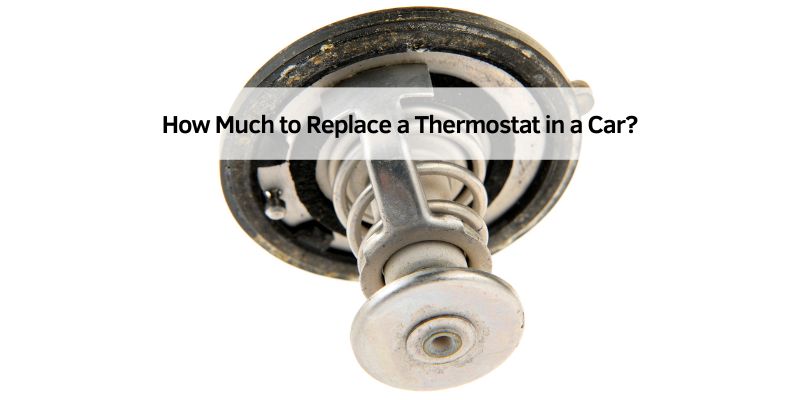
How Much to Replace a Thermostat in a Car? (Cost: $150-$800)
A car thermostat replacement costs $150 to $800, depending on whether the part is a $10 standalone valve or a $175–$425 sealed housing assembly. Skip it and a stuck-closed thermostat can overheat the engine within minutes, risking a $2,800+ head gasket repair. This guide covers real cost breakdowns by car, DIY vs. mechanic pricing, and the exact signs your thermostat has failed.
Quick Answer
A car thermostat replacement typically costs $150 to $800 total. Parts alone run $10–$175 for a standalone thermostat, or up to $425 when it comes as a sealed housing assembly. Labor adds $80–$300 for 1–3 hours of work, and DIY can cut the price to just the $10–$175 parts cost if your engine bay gives easy access.
Why Does It Matter?
A bad thermostat can cause big problems. If it’s stuck closed, your engine overheats, which can damage parts like the head gasket. If it’s stuck open, your engine runs too cold, wasting gas and reducing power. Replacing it in time saves your engine and your wallet — see how fast an overheating engine can turn into a much bigger repair bill.
How Much to Replace a Thermostat in a Car?
The cost to replace a thermostat varies, but here’s the scoop. On average, expect to pay $150 to $800, depending on your car, location, and whether you go to a mechanic or do it yourself.
Cost Breakdown
Here’s what affects the price:
- Parts: A standalone thermostat costs $10–$175. Basic ones for a Honda Civic are cheap, while fancy electronic ones for a BMW cost more.
- Labor: Mechanics charge $50–$100 per hour, and the job takes 1–3 hours. Dealerships often charge more than local shops.
- Car Type: Luxury cars like Mercedes or complex engines like a BMW V10 jack up costs. Simpler cars like a Toyota Corolla are cheaper.
- Location: Big cities like Los Angeles have higher labor rates ($80–$100/hour) than small towns ($35–$50/hour).
Here’s a quick table to show average costs for different cars:
| Car Type | Parts Cost | Labor Cost | Total Cost |
|---|---|---|---|
| Honda Civic | $10–$50 | $50–$150 | $60–$200 |
| Toyota Corolla | $15–$60 | $60–$180 | $75–$240 |
| BMW 3 Series | $50–$175 | $100–$300 | $150–$475 |
| Ford F-150 | $20–$80 | $80–$200 | $100–$280 |
Why Some Thermostat Jobs Cost $400+ (Integrated Housing Explained)
If a shop quotes you $400 or more just for the thermostat part, that doesn’t automatically mean you’re being overcharged. Many newer vehicles — especially GM, Chevy, and several European models — don’t use a standalone thermostat you can pop out on its own. Instead, the thermostat, seal, and housing are molded into one sealed plastic assembly that has to be replaced as a single unit.
That’s the real reason cost estimates for “thermostat replacement” swing so widely between sources: a basic standalone thermostat runs $10–$80, but an integrated housing assembly can run $150–$425 for the part alone before labor is even added. If your quote seems high, ask the shop directly whether they’re replacing a sealed housing assembly — on many vehicles, that’s simply the only way the part is sold.
Regional Cost Differences
Where you live matters. In big cities, labor costs more because of higher demand. For example, a thermostat replacement in New York City might cost $300, while in a small Ohio town, it could be $150. Check local shops for quotes to save money — sites like AutoZone’s DIY cost guide can help you sanity-check a quote before you agree to it.
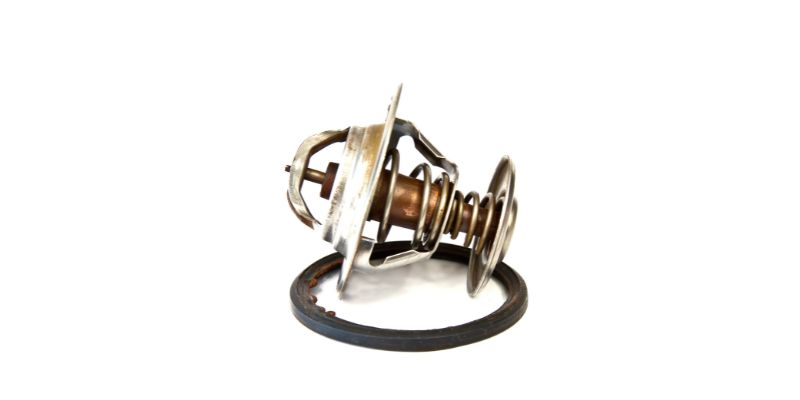
📊 The average professional thermostat replacement runs $610–$708, with labor typically costing $193–$283 and parts $417–$425 when the thermostat is sold as a sealed housing assembly. — Source: RepairPal Fair Price Estimator, 2026
DIY vs. Mechanic: Which Is Better?
You can replace a thermostat yourself or hire a mechanic. Let’s compare both options to help you decide.
DIY Thermostat Replacement
Doing it yourself is cheaper, but the difficulty depends entirely on your vehicle. On some cars the thermostat housing sits right on top of the engine and takes 30 minutes to swap; on others it’s buried under the intake manifold and needs real disassembly. Here’s the basic process:
- Gather your tools: You’ll need a wrench, screwdriver, pliers, a new thermostat (or housing assembly), a gasket, and fresh coolant.
- Drain the coolant: Place a catch pan under the radiator’s drain valve and let the old coolant drain out completely before you open anything else.
- Remove the old thermostat: Find the thermostat housing where the upper radiator hose meets the engine, unbolt it, and take out the old thermostat and gasket. This is the step where access difficulty varies most car to car.
- Install the new thermostat: Seat the new thermostat spring-side toward the engine with a fresh gasket, then reattach the housing and torque the bolts evenly.
- Refill the coolant: Pour in the correct coolant type for your vehicle and top off the reservoir.
- Bleed the cooling system: Run the engine with the cap loose or the bleed valve open until trapped air stops escaping and the coolant level holds steady. Skipping this step is a common reason a “successful” DIY swap overheats again a few days later.
“My first DIY thermostat swap on my Civic was a bit messy, but I saved about $100 doing it myself instead of paying a shop.”
Tip: Watch a YouTube video for your car model before starting. It’s like having a friend guide you!
Here’s a table comparing DIY and mechanic costs:
| Option | Cost | Time | Skill Level |
|---|---|---|---|
| DIY | $10–$175 | 1–2 hours | Beginner–Medium |
| Mechanic | $150–$800 | 1–3 hours | None |
Best DIY Thermostat Check Pick
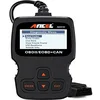
ANCEL AD310 Classic Enhanced OBD II Scanner
Before you pay for a thermostat replacement, plug this in and confirm you’re actually looking at code P0128 (or a related cooling code) — not a different problem that just looks like overheating.
- Best for: Confirming the diagnosis before you pay a shop
- Why we picked it: Reads and clears the exact P0128-style codes this guide covers, no subscription needed
- Main drawback: Basic display — no live-data graphing like pricier scan tools
Compare more DIY thermostat-job essentials
 Option 1 EPAuto Spill-Proof Coolant Funnel Kit
|
 Option 2 PEAK 50/50 Prediluted Antifreeze
|
 Option 3 Etekcity Infrared Temperature Gun
|
As an Amazon Associate we earn from qualifying purchases.
Going to a Mechanic
If DIY feels scary, a mechanic’s a safe bet. They have the tools and know-how to do it fast. But shop around! Dealerships charge more — my friend got quoted $550 at a Jeep dealer, but a local shop did it for $200.
Signs Your Thermostat Needs Replacing
A bad thermostat causes clear symptoms. Here are the big ones to watch for:
- Overheating Engine: The temperature gauge shoots up, or steam comes from the hood.
- Cold Engine: The engine takes forever to warm up, or your heater blows cold air.
- Check Engine Light: Codes like P0128 often mean a bad thermostat.
- Coolant Leaks: Look for puddles under your car near the thermostat housing.
- Weird Noises: Gurgling or boiling sounds from the radiator are bad news.
If you spot these, don’t wait! Driving with a bad thermostat can fry your engine, costing thousands to fix.
Stuck Open vs. Stuck Closed: What’s Actually Different
A thermostat stuck closed traps coolant in the engine block, so temperature climbs fast — the gauge can redline within minutes, and you may hear boiling or knocking sounds from the radiator. This is the dangerous failure mode: keep driving on a closed-stuck thermostat and you risk a cracked head gasket or worse.
A thermostat stuck open lets coolant flow constantly, so the engine never reaches its normal operating temperature. You’ll notice a heater that stays lukewarm, worse fuel economy, and a temp gauge that reads low — symptoms covered in more depth in our guide to a car that runs cold. It won’t strand you on the shoulder, but it quietly wastes gas and adds wear over time. Either failure mode gets fixed the same way — and costs about the same to repair.
Benefits of Replacing Your Thermostat
Fixing a bad thermostat is a no-brainer. Here’s why:
- Saves Your Engine: No overheating means no blown head gaskets.
- Better Gas Mileage: A working thermostat keeps your engine efficient.
- Warmer Heater: You’ll stay cozy in winter with a good thermostat.
Risks of Waiting
Ignoring a bad thermostat is like skipping a dentist visit — it gets worse. Overheating can crack your engine block or ruin your radiator, adding $1,000+ to repairs, and in the worst cases it’s exactly how an engine ends up blown. I learned this when I ignored a gurgling noise — yikes.
My Top Tips for Saving Money
After years of tinkering with cars, here are my best hacks for thermostat replacement:
- Shop Around: Get quotes from local shops and compare. Avoid dealerships unless it’s a luxury car.
- Buy Aftermarket Parts: Brands like Stant offer thermostats for $10–$50 that work as well as OEM parts.
- Do It Yourself: If you’re handy, DIY saves $50–$300. Just follow a guide for your car.
- Check for Recalls: Some cars, like certain Minis, had thermostat recalls. Look it up before you pay for a repair you might get for free.
Common Mistakes to Avoid
- Wrong Thermostat: Get one with the right heat rating for your car. Check your manual.
- Skipping Coolant Flush: Old coolant can clog the new thermostat. Flush the system instead!
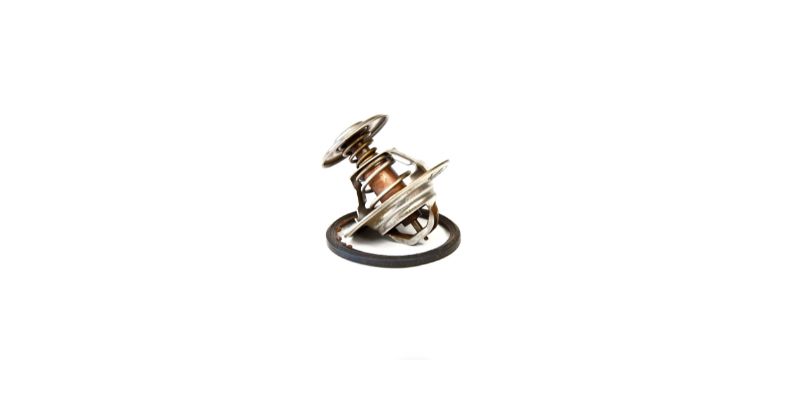
- Bad Installation: If the thermostat’s upside down, it won’t work right. Spring side goes toward the engine.
Frequently Asked Questions
How Do I Know If My Thermostat Is Bad?
Watch for engine overheating, an engine that never gets warm, or a check engine light with code P0128. Coolant leaks or gurgling noises near the radiator also point to a bad thermostat. Get it checked fast to avoid engine damage.
Can I Drive With a Bad Thermostat?
You can drive briefly, but it’s risky. A thermostat stuck closed traps coolant and can overheat the engine within minutes, risking major damage. A thermostat stuck open just lowers efficiency and gas mileage, so it won’t strand you — but either way, get it fixed soon.
How Long Does It Take to Replace a Thermostat?
Mechanics typically take 1–3 hours, depending on the car. DIY might take 1–2 hours for beginners on an easy-access vehicle, longer if the thermostat housing is buried under other components. Complex cars like BMWs take longer due to tight engine spaces.
Is It Cheaper to Do It Myself?
Yes. DIY costs $10–$175 for parts, while mechanics charge $150–$800 once labor is added. You’ll need basic tools, a gasket, and fresh coolant — and you’ll need to bleed the cooling system afterward. Watch a video guide for your specific model to make it easier.
How Often Should I Replace My Thermostat?
Thermostats last about 10 years or 100,000 miles under normal conditions. Many mechanics recommend replacing it proactively during a coolant flush, since the part itself is cheap compared to the labor needed to access it again later.
Can a Bad Thermostat Cause a Coolant Leak?
Yes. A thermostat stuck closed can build excess pressure in the cooling system, forcing coolant past the housing gasket or seals. Check for puddles under your car near the thermostat housing and fix it quickly to avoid overheating.
Are Dealerships or Local Shops Better for This Repair?
Local shops are usually cheaper for this repair, often $150–$300 versus $300–$800+ at a dealership. Dealerships make more sense for late-model vehicles still under warranty or with integrated electronic thermostats that need manufacturer-specific parts. Otherwise, compare 2–3 quotes from local shops first.
Conclusion
Replacing a car thermostat isn’t as scary as it sounds. Costs range from $150 to $800, but you can save big with DIY or by shopping around. A bad thermostat can wreck your engine, so don’t wait if you spot trouble — check your car’s coolant level this weekend and keep your engine cool.
Products related to this article
Sponsored / affiliate links. As an Amazon Associate I earn from qualifying purchases. I may earn additional commission from eligible campaigns.