Are Cars “Girls”? Exploring the Origins of Gendered Car Language
Ever heard someone call a car “she”? Or maybe you’ve wondered why cars sometimes get feminine nicknames. The question of Are Cars “Girls”? Where the Idea Comes From is a common one, especially for those new to this way of talking. It might seem strange at first, but don’t worry! We’re going to explore this topic and show you exactly where the idea comes from. We’ll break it down step-by-step, making it super easy to follow. Get ready to find out some interesting details!
The Origins of Giving Cars Gendered Pronouns
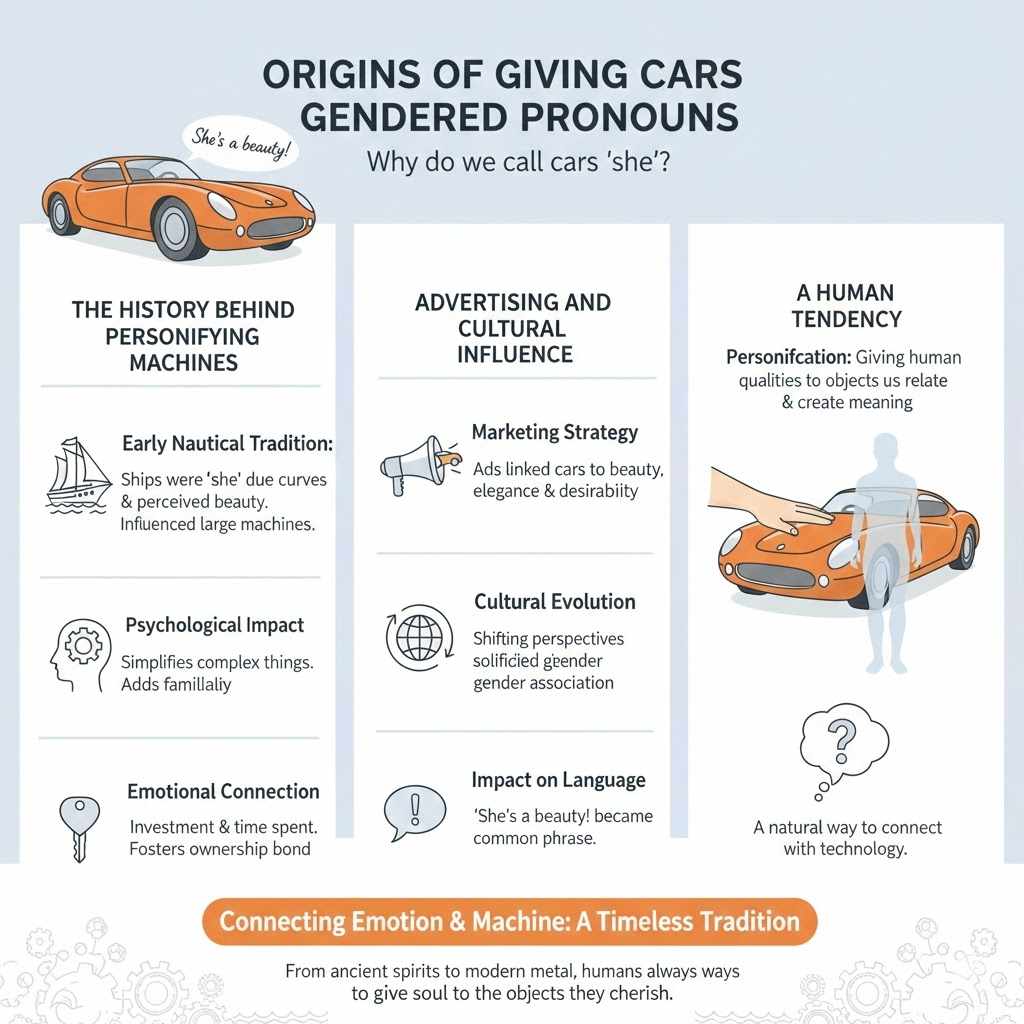
The habit of assigning genders to inanimate objects like cars is far older than you might think. It’s part of a broader human tendency to personify things, giving them human-like qualities. This practice helps us relate to objects, making them more approachable and sometimes even more meaningful to us. The use of feminine pronouns, in particular, may trace back to various cultural roots, including nautical traditions and early advertising campaigns. Let’s explore the possible reasons why this happens, and when the idea of giving cars genders originated.
The History Behind Personifying Machines
Humans have always found ways to connect emotionally with objects, giving them names, personalities, and sometimes genders. This has roots in early human societies, where everything, including the natural world, was often seen as having a spirit. As technology evolved, so did our relationships with machines. Cars, especially, became symbols of status, freedom, and personal identity. By giving a car a gender, particularly “she,” owners might have felt a closer bond with their vehicles.
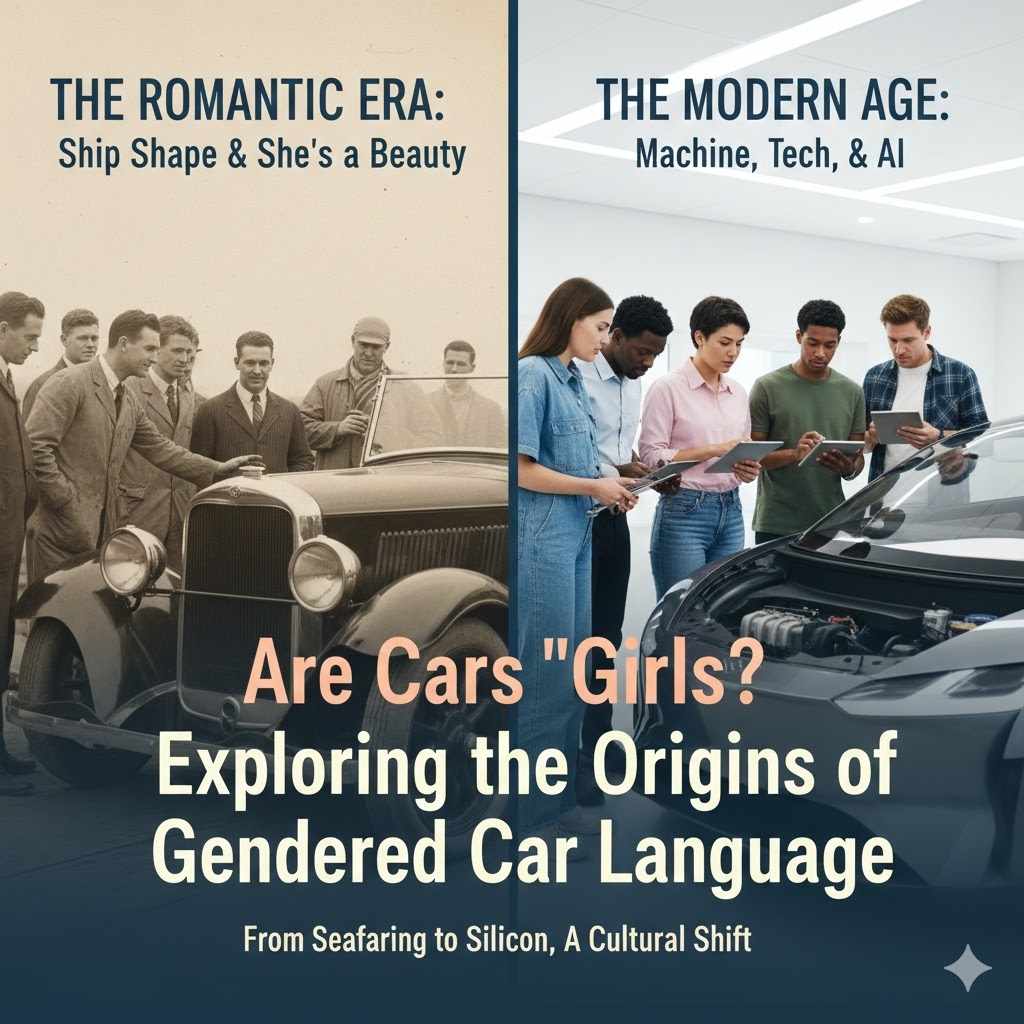
- Early Nautical Tradition: Ships were frequently referred to as “she” in maritime cultures, possibly due to their curves and perceived beauty. This association likely influenced how other large, complex machines, like cars, were later described.
- Psychological Impact: Personification is a natural human tendency. It simplifies complex things, making them easier to relate to. Assigning gender adds another layer of familiarity.
- Emotional Connection: Cars are often a big investment, and drivers spend a lot of time with them. This connection encourages a sense of ownership, which makes calling the car “she” a natural feeling.
Advertising and Cultural Influence
Marketing also played a part in this tradition. Advertisers realized that appealing to emotion would resonate with potential buyers. Using feminine pronouns created a sense of intimacy and desirability. The car became a companion, a symbol of beauty, and a source of pride. Cars started being advertised and thought of as things to love and own, just like any other precious object. Cultural changes also affected this topic; the idea of associating vehicles with gender has been adopted by many cultures, solidifying the trend in the auto industry.
- Marketing Strategy: Early car ads often portrayed cars in ways that connected with ideas of beauty, elegance, and desirability. This led to feminine association.
- Cultural Evolution: Cultural shifts and changing perspectives helped shape the way people view objects. Over time, associating cars with a gender solidified.
- Impact on Language: As this association became widespread, it naturally became part of everyday language. “She’s a beauty!” became a common phrase when complimenting a car.
Why “She” and Not “He” for Automobiles?
When it comes to cars, the gender assigned is almost always feminine. You don’t often hear someone calling their car “he.” This is probably linked to qualities often associated with women, like beauty, grace, and care. Cars have curves and are often associated with elegance and style. The name can reinforce this feeling. Let’s check out the historical context behind the common “she” pronoun and how it became such a popular choice, helping drivers build an emotional connection with their vehicles.
The Feminine Attributes in Car Design
Vehicle design often plays into this association. Curves, sleek lines, and designs that evoke a sense of flowing beauty are very typical of automotive. The aesthetic similarities between cars and women have probably fueled this tendency. The focus of ads often also plays a part, frequently showcasing a car’s attractive features. They aim to make the car seem luxurious, and the association with the feminine strengthens its link with beauty and design. As time passed, the term “she” became more and more common.
- Curves and Design: Many cars are designed with curves, reminiscent of a woman’s figure, creating a visual link.
- Beauty and Elegance: The automobile industry often focuses on aesthetics, aiming for a look of beauty and prestige.
- Emotional Appeal: Ads use these aspects to create emotional attachments. They market cars as possessions to be desired and cared for.
Cultural Associations with Gender Roles
Historically, gender roles have affected the way people speak and think. Things often reflect these patterns. “She” may be an easy fit with how cars are seen, as cars may be treated with care, which is traditionally linked to feminine roles. This kind of thinking, although challenged over time, has definitely influenced our language. Cultural viewpoints have a lot to do with our decisions, and they play a role in how we describe our cars. As society and its perception of gender roles keeps evolving, some people are starting to question these traditions.
- Care and Maintenance: Cars need regular care, and this care may feel very natural, as if the owner is looking after the car.
- Emotional Connection: A car can be something that you protect and love. This can also lead to gender association.
- Changing Views: Some of those associations are no longer as common, as societal views continue to change.
Modern Perspectives and Alternatives
While the tradition of calling cars “she” remains, a variety of factors are challenging it. More people are questioning stereotypes and cultural expectations, and we are witnessing some resistance to this practice. Others are now embracing different names or pronouns. This is a sign of a movement towards more inclusion and reflecting the diversity in our society. Let’s see some modern viewpoints on this topic, and how the discussion about car names is evolving.
Challenging Gendered Language
Many individuals now question the tradition of labeling cars with gendered pronouns. This includes a more general awareness of how language can affect our views and expectations. People who are concerned about this are keen to push for inclusive, unbiased language. This makes people feel more welcomed and shows greater respect for everyone. People are also seeking new ways to describe cars, focusing on their function or other qualities.
- Inclusive Language: It’s critical to make sure that our language doesn’t create stereotypes or exclude anyone.
- Avoiding Stereotypes: Traditional gender roles can be a bit outdated, and it is better to avoid them.
- Respect for Diversity: People prefer to be addressed with the correct pronouns.
Embracing Neutral or Alternative Terms
The movement away from gendered descriptions is gaining pace. People are thinking of fresh alternatives, which includes describing cars with more neutral language. Some of these options include calling the car by its name or describing its features and functions. This change helps people feel comfortable and welcomes everyone. This move towards more inclusive language highlights a much bigger change in the way we talk about everything.
- Focus on Functionality: Describe the vehicle in ways that fit the design of it.
- Using Car Names: Using the brand or the model. This is very popular, and it’s also clear and simple.
- Modern Approach: Using neutral and more inclusive ways of speaking reflects shifting social values.
Examples and Case Studies
To really grasp how the “she” car naming works, let’s explore some real-life examples. This practice goes far back in time and is still common today. From old stories to modern experiences, the gender association of cars can be seen almost anywhere. Here are some examples of different ways of seeing this.
Classic Car Stories
Cars have been a part of popular culture for years, often symbolized with gender. Think of famous cars in movies or books. These vehicles are often given personalities, and they are usually “she.” This gives the car an identity, and helps us form a connection with it. From the Batmobile to the DeLorean, these cars embody a range of traits. These narratives demonstrate the long-term history of this custom. As the stories continue, cars will continue to be a reflection of our feelings and beliefs.
- “Christine” (Stephen King): A well-known example where a car has a clear, feminine personality. This is a very popular example of car personification.
- “Herbie” (The Love Bug): A cheerful Volkswagen Beetle, loved by many generations, often given human traits and referred to as “she”.
- The Batmobile: The Batmobile can be seen as an extension of the hero.
Modern Car Ownership Experiences
Even today, people refer to their cars with female pronouns. This demonstrates a deep emotional connection with their vehicles. Some people say that it is about the design, or maybe it’s the care given to the car. Whatever the reason, this is a sign of the deep ties people feel with their cars. This custom is still very active, as people keep finding ways to express their feelings about their cars.
- A woman refers to her vintage convertible as “she,” reflecting on her beauty and style.
- A car enthusiast talks with his buddies about how “she” is ready for a cross-country adventure.
- A driver gives her new car a name and talks about “her” safety features and performance.
The Future of Car Pronouns and Language
The way we speak about cars is changing, and the future appears to be one of more varied ideas. As social attitudes keep shifting, language will adapt. This includes changes in how we refer to our cars. What can be expected in the future includes a mix of older customs and new ideas. Let’s look at the possible direction of gendered language when we talk about automobiles.
Adapting to a More Inclusive Society
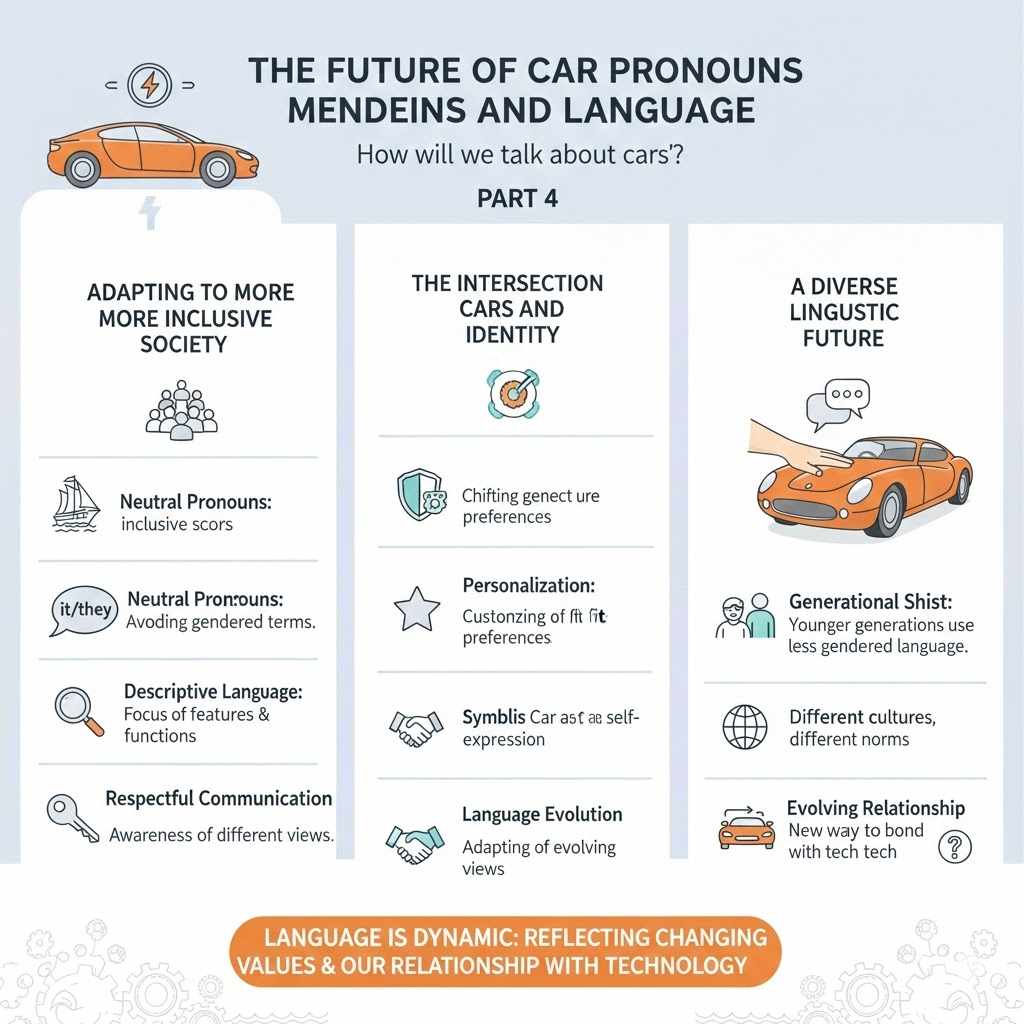
As societies become more accepting and diverse, language keeps shifting to reflect these changes. The language we use to describe cars will likely change, as well. This might mean the end of relying on gendered terms, instead moving towards more neutral words. It’s about being respectful of various viewpoints. This shift shows how language is a living thing, changing with our values. It is very likely that the gendered views of the past may be
- Neutral Pronouns: The introduction of neutral pronouns, or even avoiding them altogether.
- Descriptive Language: Using words that detail the features and functions.
- Respectful Communication: Awareness of different views, and speaking in a way that respects them.
The Intersection of Cars and Identity
Cars have long been a symbol of self-identity. This connection is likely to stay, but the ways people express this may vary. Cars are often an expression of self-expression. As the link between people and their cars continues, language will keep changing to adapt to the evolving views of car ownership. This will lead to a broader range of options for expressing the special relationship people have with their vehicles.
- Personalization: Customizing cars to fit personal preferences will keep growing.
- Symbolism: The car will stay an expression of individual likes.
- Language Evolution: The language used will adapt to reflect and represent how people feel about their cars.
Frequently Asked Questions
Question: Why do people call cars “she”?
Answer: It’s because of a long tradition of giving objects human traits, like gender. Cars, often seen as beautiful and something to care for, are given feminine pronouns.
Question: Is it wrong to call a car “she”?
Answer: No, it’s not wrong. However, as society changes, some people now prefer to use different terms. It really depends on personal preference.
Question: Are there any alternatives to using gendered terms?
Answer: Yes, people use the car’s name, or talk about its functions. It is about what makes you most comfortable.
Question: How has this evolved over time?
Answer: It started with cultural and marketing influences. It adapted over the years to reflect cultural standards.
Question: Will this custom continue into the future?
Answer: It will be used by some people, but it is likely that more neutral language will also be common, since more people are open to different types of expression.
Final Thoughts
So, Are Cars “Girls”? Where the Idea Comes From? We’ve explored the history and reasons behind it. It’s a mix of tradition, marketing, and the human need to relate. While the “she” pronoun remains common, views are changing. This evolution shows a broader movement towards inclusivity and diverse viewpoints. No matter how you choose to refer to your car, whether you use a name, pronoun, or descriptive phrases, it’s all about the emotional connection and the personal value it brings. Keep exploring how language evolves, and embrace the ways we connect with the objects in our lives.