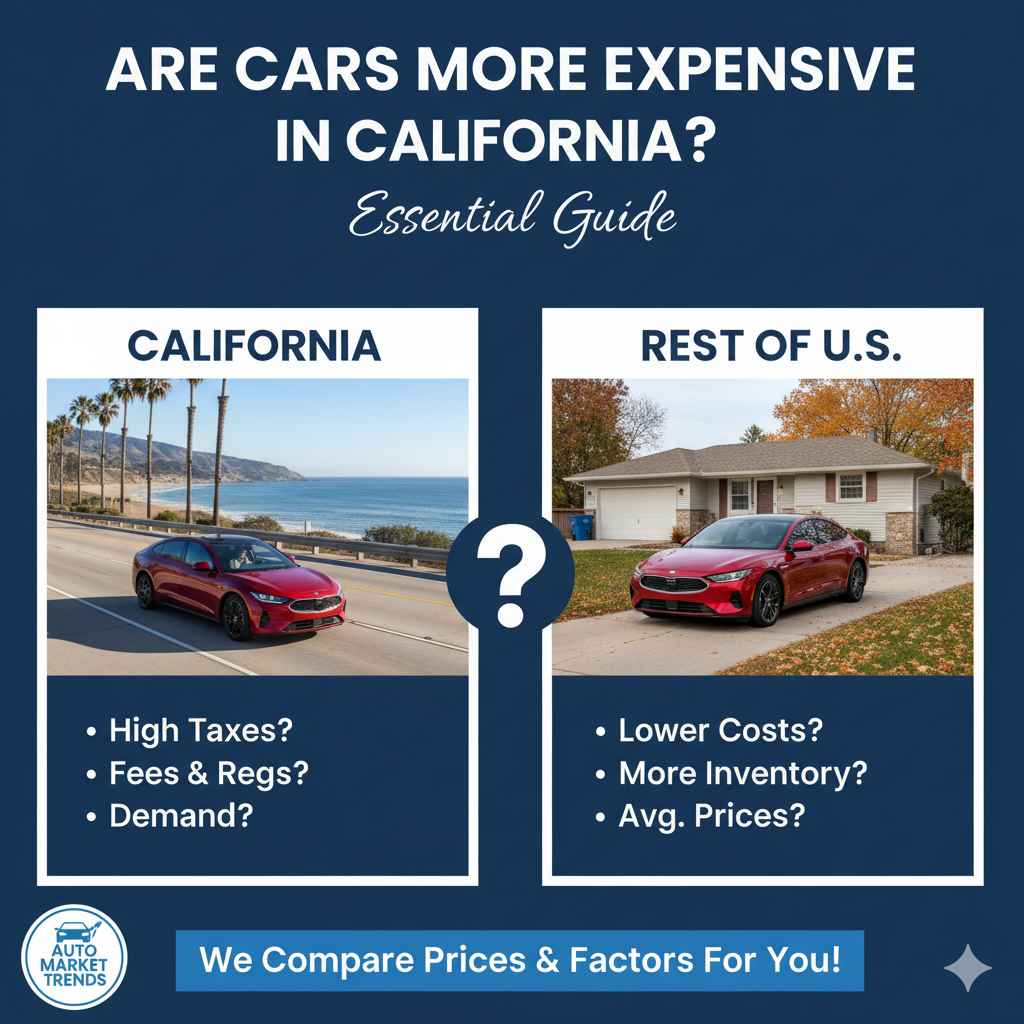
Are Cars More Expensive In California? Essential Guide
Yes, cars can be more expensive in California due to a combination of factors including higher taxes, fees, and the cost of living. However, smart shopping and understanding these costs can help you find a great deal.
Ever wondered if buying a car in California really costs more than elsewhere? It’s a question many drivers ponder, especially when looking at sticker prices or comparing deals online. You’re not alone if you feel a little confused by the numbers. Things like taxes, registration fees, and even the general cost of living can play a role. But don’t worry! I’m here to break it down in a way that makes sense, so you can feel confident about your next car purchase. We’ll review all the reasons behind the potential price difference and what you can do about it.
Why the Price Tag Might Look Different in California
California’s unique landscape and economic makeup contribute to the overall cost of car ownership. Understanding these elements is the first step to navigating the car market here. It’s not just about the car itself; it’s about the entire process from purchase to putting it on the road.
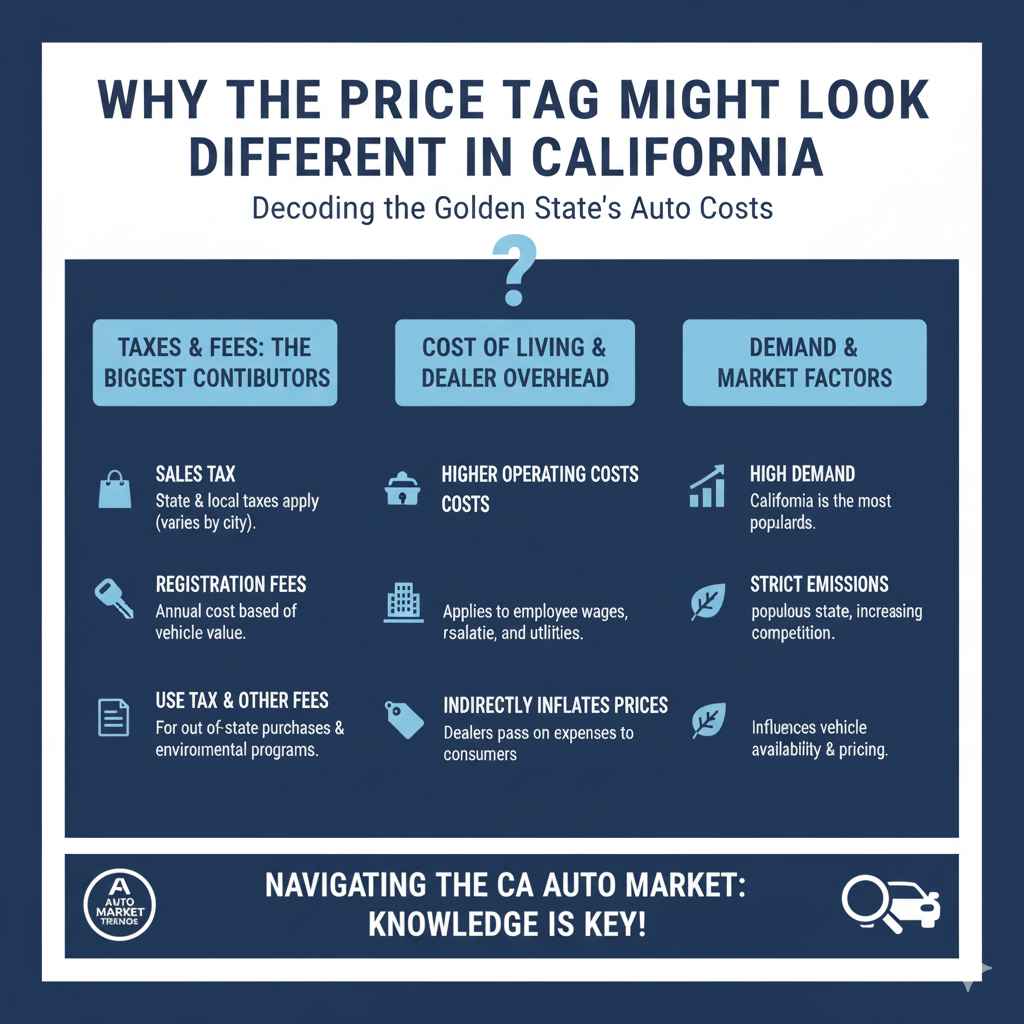
Taxes and Fees: The Biggest Contributors
When you buy a car in California, a few key taxes and fees add to the initial price. These are mandatory and set by state and local governments. Knowing what they are can help you budget better.
- Sales Tax: This is perhaps the most straightforward addition. California has a statewide sales tax, but local jurisdictions can add their own district taxes. This means the exact sales tax rate can vary depending on where you buy the car within California. For example, cities like Los Angeles or San Francisco might have a higher combined sales tax than smaller towns. The California Department of Tax and Fee Administration (CDTFA) provides detailed information on these rates.
- Registration Fees: Owning a car in California involves annual registration fees. These fees are based on the vehicle’s value and are part of the cost of keeping your car legal to drive. The Department of Motor Vehicles (DMV) handles these.
- California Use Tax: If you buy a car outside of California but bring it into the state, you may owe a “use tax.” This is essentially the same as sales tax, ensuring that you pay your dues to the state even if you bought the car elsewhere.
- Other State-Mandated Fees: There are other smaller fees that contribute to the overall cost, often related to environmental programs or specific vehicle types.
Cost of Living and Dealer Overhead
California generally has a higher cost of living compared to many other states. This can influence everything from employee wages for dealership staff to the cost of real estate for the dealerships themselves. Higher operating costs for dealerships often translate into higher prices for the vehicles they sell. This is a less direct cost but a real factor that contributes to the overall expense of buying a car.
Demand and Market Factors
California is the most populous state in the U.S., which means there’s a consistently high demand for vehicles. When demand is high, prices can naturally increase. Additionally, California has some of the strictest emissions standards in the country, which can influence the types of vehicles available and their pricing. You might find that certain types of vehicles, particularly those with advanced emissions controls or alternative fuel technologies, are more prevalent and potentially priced differently.
Understanding the True Cost: Beyond the Sticker Price
It’s easy to get fixated on just the sticker price, but a car’s expense involves more than that. Let’s look at the full picture, including ongoing costs that are especially relevant in California.
New vs. Used Cars in California
The price dynamics for both new and used cars can be affected by California’s market. For new cars, the factors mentioned above—taxes, fees, and demand—directly impact the final price. For used cars, depreciation works slightly differently. While cars generally depreciate over time, the high demand and the premium on desirable models in California can sometimes slow down depreciation, making used cars relatively more expensive than in other states.
Insurance Costs in California
Car insurance rates are a significant ongoing expense. California is known for having higher auto insurance premiums compared to the national average. This is influenced by several factors:
- High Population Density: More cars on the road in a dense population mean a higher likelihood of accidents.
- Higher Repair Costs: The cost of labor and parts for repairs can be higher in California.
- Stolen Vehicle Rates: Certain areas in California unfortunately experience higher rates of car theft, which impacts insurance premiums.
- Legal Environment: The legal landscape and frequency of lawsuits related to accidents can also influence rates.
According to the California Department of Insurance, rates are carefully regulated and based on many factors, including your driving record, the type of vehicle, and the coverage you choose.
Registration and Smog Checks
Beyond the initial registration, California requires annual renewal. The fees can fluctuate. Furthermore, California has a rigorous smog check program designed to reduce vehicle emissions. Most vehicles need to pass a smog inspection every two years to renew their registration. While this is crucial for air quality, it’s another cost and logistical hurdle for California drivers. You can find more information about smog inspections on the California Bureau of Automotive Repair (BAR) website.
Comparing California Car Prices: A Closer Look
To truly answer “Are cars more expensive in California?”, it helps to compare it with other regions. While a direct, universal comparison is tricky due to variability, we can highlight trends.
Regional Differences Within California
It’s not a one-size-fits-all situation even within California. Coastal areas and major metropolitan centers like Los Angeles, San Francisco, and San Diego tend to have higher car prices and fees (due to local taxes and higher cost of living) compared to more rural or inland parts of the state.
California vs. Other States: A General Overview
Generally speaking, you are likely to find that the out-the-door price of a car in California is higher than in many other states. This is primarily due to the cumulative effect of higher sales taxes, registration fees, and often higher dealer markups to cover operating costs. For instance, states with no state sales tax (like Oregon or Delaware) or those with lower income tax burdens might offer a lower upfront purchase price for the same vehicle.
However, it’s also worth noting that California used to have a significant advantage for electric vehicles (EVs) and hybrids due to state rebates and incentives, which could offset some of the higher costs. While these incentives can change, they have historically made greener vehicles more accessible in California.
Example of Price Variation (Illustrative)
Let’s consider a hypothetical $30,000 car. Please note that actual prices and taxes vary greatly.
| Factor | California (Example – Los Angeles Area) | Texas (Example – Austin Area) | No State Sales Tax State (Example – Oregon) |
|---|---|---|---|
| Base MSRP | $30,000 | $30,000 | $30,000 |
| Sales Tax (Approx.) | $2,670 (9.0% combined rate) | $1,950 (6.75% state rate) | $0 |
| Registration/Fees (Initial, Est.) | $300 – $500+ (Varies by vehicle value) | $150 – $300 (Varies) | $100 – $250 (Varies) |
| Estimated Out-the-Door Price | ~$33,000 – $33,200+ | ~$32,100 – $32,250+ | ~$30,100 – $30,250+ |
| Annual Insurance (Est. Diff.) | Higher | Moderate | Moderate |
| Annual Registration Renewal (Est. Diff.) | Higher | Moderate | Moderate |
Disclaimer: This table provides illustrative purposes only. Actual costs will vary based on specific location, vehicle, current tax laws, and insurance quotes. Always verify current rates with official sources. For the most precise sales tax information in California, consult the CDTFA. For Texas, check the Texas Comptroller. For Oregon, check ODOT.
Tips for Saving Money When Buying a Car in California
Even with the higher potential costs, you can absolutely find ways to save money. It just requires a bit more strategy and homework.
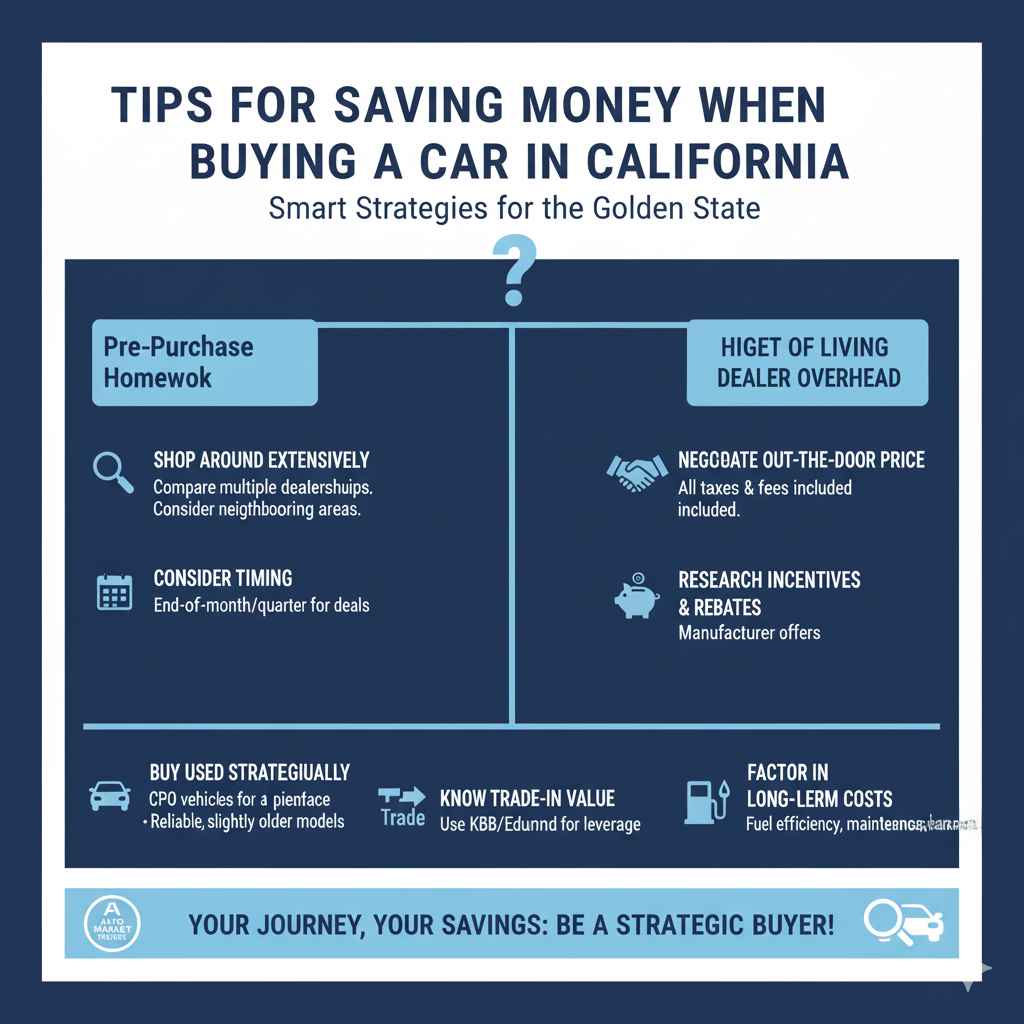
- Shop Around Extensively: Don’t settle for the first dealership you visit or the first online listing you see. Compare prices across different dealerships, both in your immediate area and potentially in neighboring counties or cities. Sometimes, driving a bit further can yield significant savings.
- Consider Timing: Dealerships often have sales goals they need to meet at the end of the month, quarter, or year. Visiting during these times might give you more negotiating power.
- Negotiate the Out-the-Door Price: Always focus your negotiation on the final, out-the-door price that includes all taxes and fees. This prevents dealers from adding hidden costs or making you think you’re getting a deal when they’re just adjusting numbers elsewhere.
- Research Incentives and Rebates: California often has state and local incentives for purchasing fuel-efficient vehicles, hybrids, or electric cars. Look into these! The Clean Vehicle Rebate Project (CVRP) is a prime example, though program availability and funding can change. Also, check for manufacturer rebates and special financing offers.
- Buy Used Strategically: While used cars can also be pricier, looking at slightly older models or brands known for reliability can save money. Consider certified pre-owned (CPO) vehicles from dealerships; they often come with extended warranties and have been thoroughly inspected, offering peace of mind.
- Know Your Trade-In Value: If you’re trading in an old vehicle, research its value beforehand using resources like Kelley Blue Book or Edmunds. This will give you a strong basis for negotiation.
- Factor in Long-Term Costs: When comparing cars, think beyond the purchase price. Look at fuel efficiency ratings, estimated maintenance costs, and insurance quotes for the specific models you’re considering. A slightly more expensive car upfront might save you money in the long run.
Frequently Asked Questions (FAQ)
Are new cars more expensive in California than used cars?
Generally, new cars have a higher upfront cost than used cars of the same model, regardless of the state. However, the depreciation rate for used cars in California might be slower due to high demand, making used cars relatively more expensive compared to other states than they might be elsewhere.
Does California’s sales tax make cars more expensive?
Yes, California’s sales tax, which can be further increased by local district taxes, is a significant factor contributing to the higher overall cost of buying a car compared to states with lower or no sales tax.
Are electric cars (EVs) also more expensive in California?
While the purchase price of an EV itself is subject to the same California-related costs (taxes, fees), the state has historically offered substantial rebates and incentives (like the CVRP) that can significantly lower the effective price of an EV, often making them more affordable upfront in California than in many other states.
Do I have to pay sales tax if I buy a car out of state and register it in California?
Yes, if you buy a car outside of California and bring it into the state for registration, you will likely need to pay the California Use Tax, which is equivalent to the sales tax rate in your California locality. The California DMV requires proof of tax payment or exemption.
How much does it cost to register a car in California?
The initial registration fee in California is based on the value of the vehicle at the time of sale and includes a state registration fee, license plate fee, and county/district fees. It can range from a couple of hundred dollars to over $1,000 for very expensive vehicles. Renewal fees are typically lower but still vary.
Is car insurance significantly more expensive in major California cities?
Yes, car insurance rates tend to be higher in densely populated urban areas of California, such as Los Angeles, San Francisco, and San Diego, compared to more rural parts of the state. This is due to higher risks associated with traffic density, accident frequency, and vehicle theft rates.
Are there any specific California laws that impact car prices?
California has some of the strictest emissions standards in the nation, set by the California Air Resources Board (CARB). These standards can influence the types of vehicles manufactured for sale in the state and potentially their technology and pricing. The requirement for regular smog checks also adds to the ongoing cost and complexity of car ownership.
Conclusion: Smart Choices Make the Difference
So, are cars more expensive in California? The answer is generally yes, when you look at the total cost of purchase and ownership. The combination of higher sales taxes, registration fees, insurance premiums, and general cost of living creates a landscape where automotive expenses can be higher than in many other U.S. states. However, this doesn’t mean you can’t get a great deal or manage your costs effectively. By understanding the factors at play and employing smart shopping strategies—comparing prices, researching incentives, negotiating wisely, and always considering the long-term expenses—you can navigate the California car market with confidence and drive away happy in your new vehicle. It’s all about being an informed buyer, and now you have the essential knowledge to do just that!