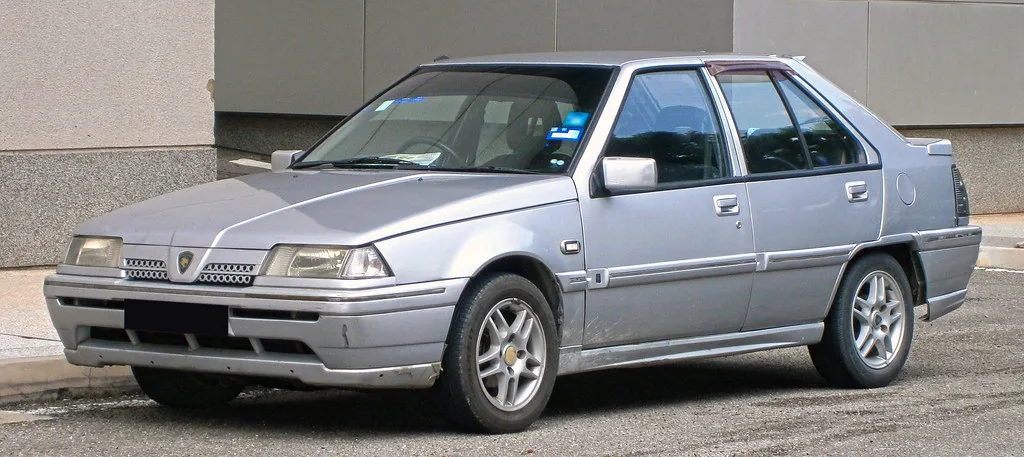
Creating a Personalized Automotive Lifestyle: Practical Guide
Start with reversible changes first: clean, fix, tint, or wrap before committing to more lasting mods, and save permanent changes for later once the look feels cohesive. Skip that order and you can waste money on mismatched parts, lose resale value, and end up with a car that looks pieced together. This guide maps a budget-friendly ladder from reversible tweaks to semi-permanent changes and permanent upgrades, with tradeoffs at each step.
What a personalized automotive lifestyle actually means


A personalized automotive lifestyle is a practical style system for your car, not a pile of random accessories. It should fit how you drive, what you carry, and how long you plan to keep the vehicle. The goal is a cabin and exterior that feel planned, easy to live with, and easy to maintain.
Style choices that fit daily driving
Start with the parts you see and touch every day. Seat covers, custom floor mats, steering wheel covers, and dashboard trim upgrades are the most accessible personalization upgrades, and they let you change the feel of the cabin without committing to permanent work. LED ambient lighting can add a controlled color layer, but keep it low enough to avoid glare.
Why cohesion matters more than quantity
One coordinated theme often looks better than several unrelated accessories. Match materials, finishes, and colors so the cabin reads as a single setup. A black-and-gray interior with brushed-metal accents will usually look cleaner than mixed chrome, carbon-look plastic, tan fabric, and neon lighting in the same space.
How to avoid a random accessory pile
Pick one focal area first: seats, mats, or lighting. Then add only items that support that choice. A trunk organizer, for example, helps keep a personalized car organized rather than cluttered, while cheap add-ons that fight the theme make the cabin look unfinished.
How do you choose a style that fits your car and routine?
Choose a style by matching the vehicle to your commute, weekend use, or family duty before you buy anything. A daily commuter often needs clean surfaces, easy cleanup, and low visual distraction. Weekend drivers may accept more expressive accents. Family drivers should favor durable materials, storage, and easy-install parts.
Match changes to commute, weekend use, or family duty
If you drive in traffic for an hour each way, comfort and visibility matter more than flashy changes. If the car is for road trips or weekend meets, you can spend more on visual detail. For family use, easy-to-wipe materials and secure fit matter more than fragile finishes.
Set a look before buying accessories
Decide whether you want sporty, clean, premium, or understated. That choice should guide every purchase. A sporty interior can use darker tones and tighter contrast. A premium look usually works better with restrained trim and matched finishes. Understated setups often age better and are easier to resell.
Check trim, color, and material compatibility
Before you buy, check whether an accessory matches the existing trim. Mismatched trim colors and mixed finishes are one of the fastest ways to make a cabin look cluttered. Also check fitment notes for your exact model year and seat layout, since a poor fit can create wrinkles, loose edges, or blocked controls.
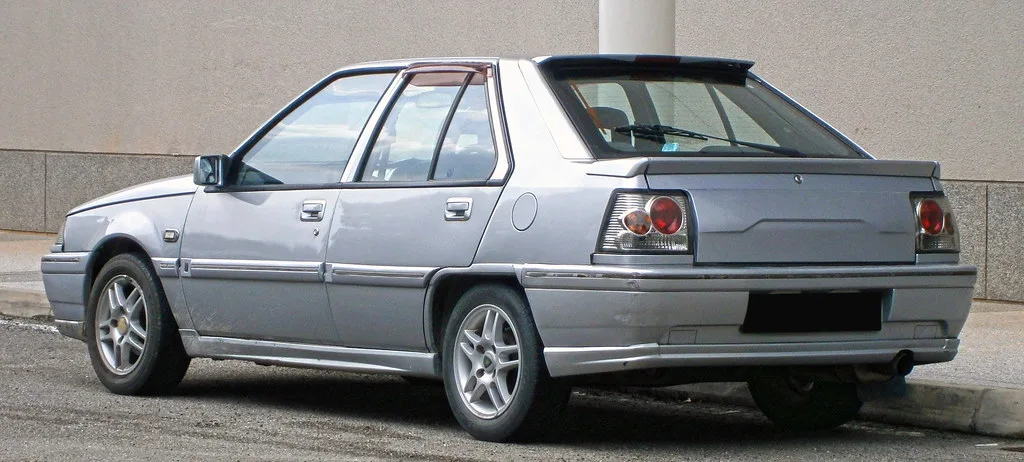
What are the easiest ways to personalize your car interior?
The easiest interior changes are seat covers, custom floor mats, steering wheel covers, and dashboard trim upgrades. These changes are accessible, affordable, and easier to reverse than paint or upholstery work. They also let you test a style before you spend on permanent changes.
Seat covers as a budget-friendly full set
Seat covers are a comfort-focused personalization option and a strong starting point for a full-set change. The BDK PolyPro Full Set Car Seat Covers are priced at $29.99, which makes them a low-risk way to adjust the cabin’s look. A full set helps the interior feel deliberate instead of patched together.
Custom floor mats for protection and style
Custom floor mats do two jobs at once: they protect high-wear areas and add a clean styling layer. They work especially well when the color, edge binding, or logo treatment matches the seat covers or trim. Poor-fit mats are a bad buy, though, because they can slide or interfere with pedals.
Steering wheel covers for grip and comfort
Steering wheel covers are part of accessible interior personalization and can improve grip while adding texture or color. Choose one that fits tightly and does not bunch up. A loose cover can feel awkward and may distract the driver, which defeats the point of the upgrade.
Dashboard trim upgrades as a visual layer
Dashboard trim upgrades add another layer of style. Use them as accents, not as the main event. Brushed, matte, or satin finishes usually age better than very glossy pieces, especially if the dashboard already has bright reflections from the windshield.
Use this three-tier personalization checklist before you buy
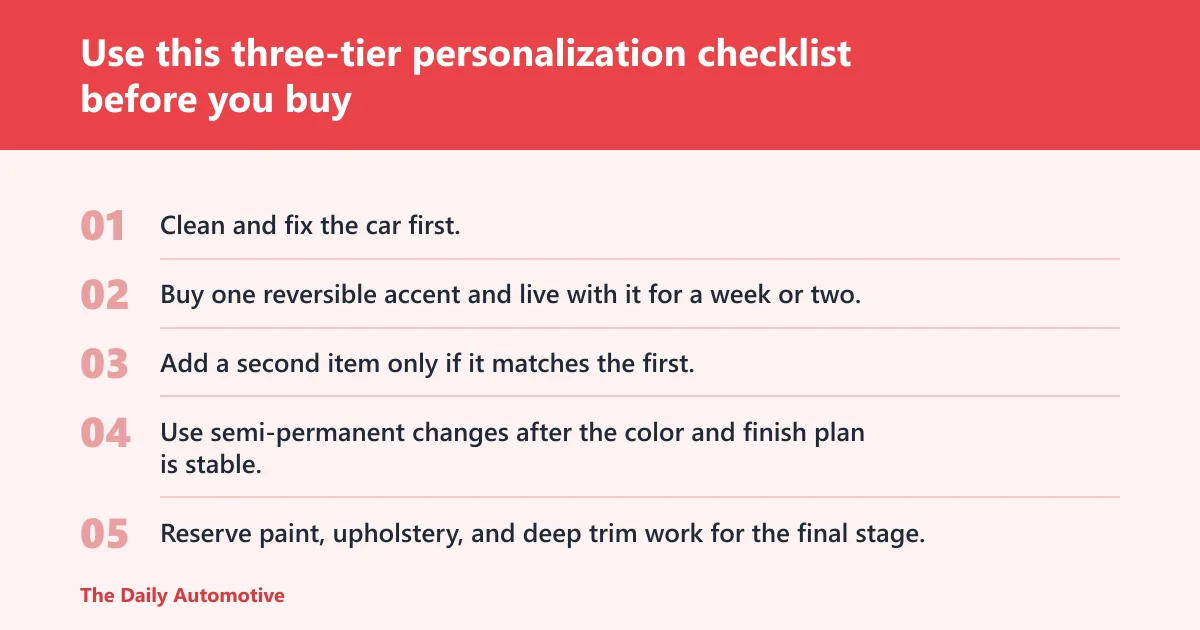
Build your setup in tiers so you do not overspend on parts that conflict with each other. Start with reversible upgrades, move to semi-permanent accents, and reserve high-cost permanent work for when the look is already settled. This order protects budget, resale, and your ability to fix mistakes.
| Tier | Typical spend band | Examples | Best for | Risk level |
|---|---|---|---|---|
| Tier 1: Reversible | $10-$75 | LED ambient lighting, seat covers, steering wheel cover, custom floor mats, trunk organizer | Testing color, comfort, and layout | Low |
| Tier 2: Semi-permanent | $75-$500 | Better-fit mats, dashboard trim upgrades, higher-quality covers, app-controlled interior lighting packages | Locking in a cohesive cabin theme | Medium |
| Tier 3: Permanent | $500 and up | Custom paint jobs, tailored interiors, upholstery work | Drivers who know the exact look they want | High |
Tier 1: Reversible changes and low budgets
Use Tier 1 to experiment. The Govee RGB Smart Car Interior LED Lights are priced at $16.98 and fit the low-cost, reversible category. The Color-Accurate Touch Up Paint for Cars is priced at $9.99 and belongs here too, because it helps with small chips without changing the whole vehicle.
Tier 2: Semi-permanent upgrades and mid-range spend
Tier 2 is where the cabin starts to feel finished. This is the stage for higher-quality seat covers, matched trim accents, and better floor protection. App-controlled interior LED lighting also sits here for some buyers because it can be part of a more deliberate lighting plan without requiring hard changes to the vehicle.
Tier 3: Permanent changes and higher budgets
Permanent changes include custom paint jobs and tailored interiors. These are high-expression options, but they should come after you know the look you want. If you are still testing colors, materials, or theme, wait. Permanent work is expensive to reverse and can narrow resale appeal.
How to sequence upgrades without wasting money
- Clean and fix the car first.
- Buy one reversible accent and live with it for a week or two.
- Add a second item only if it matches the first.
- Use semi-permanent changes after the color and finish plan is stable.
- Reserve paint, upholstery, and deep trim work for the final stage.
How can you make the cabin feel personal without clutter?
Limit yourself to one focal area at a time and keep colors and materials in the same family. A car feels personal when the pieces relate to each other. It feels cluttered when every surface competes for attention. Storage accessories, especially a trunk organizer, help preserve that clean look.
Choose one focal area at a time
Do not start with the seats, lighting, dash, wheel, and cargo area all at once. Pick one, finish it, and step back. This keeps you from buying duplicate colors or finishes that conflict. It also makes it easier to spot what the car still needs.
Keep colors and materials aligned
Limit the palette. Two main colors and one accent usually work better than a crowded mix. If the cabin already has silver trim, adding gloss black, red stitching, tan covers, and blue lighting can look busy fast. Fewer finishes usually age better too.
Use trunk organizers and storage accessories
The HOTOR Foldable Trunk Organizer is priced at $12.99 and is a practical accessory that keeps a personalized car organized rather than cluttered. It helps hide loose items that would otherwise undo the clean look you built in the cabin. That matters in cars used for work gear, groceries, or family errands.
Say your compact sedan has a black cabin, gray inserts, and a small trunk. A black seat cover set, matching floor mats, one muted trim accent, and a trunk organizer can make the car feel planned. Add bright red lighting and chrome overlays, and the same cabin can start to look noisy.
Which upgrades are worth more money, and which are not?
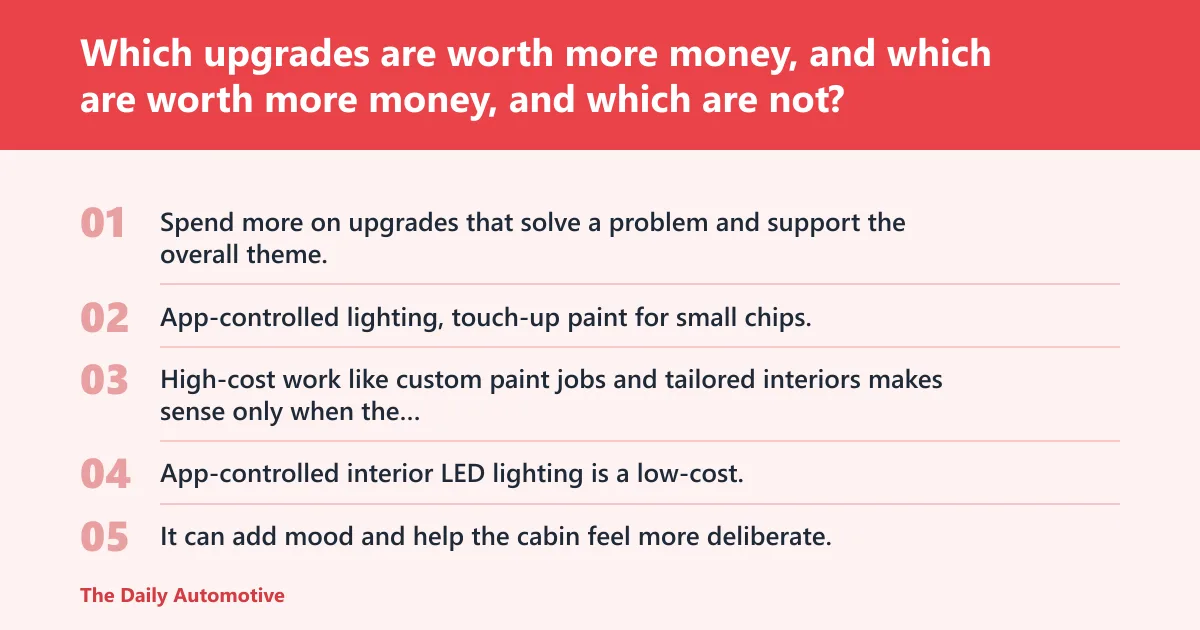
Spend more on upgrades that solve a problem and support the overall theme. App-controlled lighting, touch-up paint for small chips, and well-fitted mats often earn their place. High-cost work like custom paint jobs and tailored interiors makes sense only when the design direction is already settled.
LED ambient lighting with app control
App-controlled interior LED lighting is a low-cost, reversible personalization upgrade when used carefully. It can add mood and help the cabin feel more deliberate. Keep brightness modest and pick colors that do not wash out controls or create windshield reflections at night.
Touch-up paint for small chips and finish care
Touch-up paint is useful for small chips and finish maintenance, not for full visual transformation. It helps preserve appearance and slow visible wear. The Color-Accurate Touch Up Paint for Cars at $9.99 is a practical buy when the goal is to keep the finish tidy rather than change the car’s identity.
Custom paint jobs and tailored interiors
Custom paint jobs and tailored interiors are the highest-expression options on this list. They can deliver a bespoke feel and a strong sense of individuality, but they are also the hardest to reverse. They make the most sense when the car is a long-term keeper and the budget can absorb the work.
What to skip when the budget is tight
Skip decorative parts that do not improve fit, function, or cohesion. That includes cheap overlays that peel quickly, oversize emblems, and lighting kits with too many colors or modes. If the accessory does not support the plan, it is probably noise, not style.
What should you avoid when personalizing a car?
Avoid anything that hurts visibility, looks mismatched, or creates maintenance problems. The most common mistakes are poor-fit covers, overly bright lighting, and mixed finishes that clash with the factory trim. Those errors make the cabin feel cheaper, not more personal.
Mismatched trim and mixed finishes
Do not combine too many trim colors or surface types in one cabin. A matte dash, gloss door inserts, brushed-metal stickers, and faux wood accents can fight each other. The result often looks accidental. Keep the theme consistent from the seats to the dash to the cargo area.
Overly bright lighting and glare
Lighting should support the cabin, not dominate it. Bright LEDs can distract the driver, reflect in the glass, and reduce night comfort. If you use ambient lighting, keep it low, indirect, and in a color that does not overpower the instrument panel.
Poor-fit covers and loose mats
Poor-fit seat covers can bunch, slide, or get in the way of seat controls. Loose mats can curl or shift underfoot. Both are safety and appearance problems. If a product does not fit the exact vehicle layout, skip it and choose one that does.
Accessories that hurt visibility or maintenance
Any accessory that blocks mirrors, vents, screen controls, or storage access is a bad trade. The same goes for materials that are hard to clean in a commuter or family car. Style should fit the job the vehicle actually does.
How do I create a personalized automotive lifestyle?
Start with a clear style plan, then build it in stages. Use reversible changes first, add semi-permanent accents only after the theme is stable, and leave permanent work for last. That approach helps you create a cohesive car without clutter, visibility problems, or weak resale choices.
Build the plan around how you drive
Commuters usually do best with comfort, easy cleaning, and subtle styling. Weekend enthusiasts can choose more visual detail. Family drivers should lean toward durability, storage, and fit. A style plan that ignores the car’s job usually turns expensive fast.
Protect resale and maintenance
Reversible accessories protect resale because they can be removed. Permanent changes reduce flexibility, especially if they are highly specific in color or trim. Maintenance matters too. A clean, protected cabin and a finish with small chips repaired will usually age better than a flashy setup that is hard to keep tidy.
Use the ladder, not a leap
The smartest personalization path is gradual. Start small, keep the theme consistent, and add only what supports the look. That is how you turn a few accessories into a car that feels tailored instead of random.
Frequently asked questions
How can I make my car reflect my personality without spending much?
Use a small number of coordinated, low-cost pieces instead of many cheap add-ons. A full seat cover set, a trunk organizer, and one lighting accent can create a clear style without a large bill. Focus on fit, color match, and usefulness rather than novelty.
What car accessories are best for a unique style?
Accessories that change the cabin’s feel without overwhelming it usually work best. Seat covers, custom floor mats, dashboard trim, and steering wheel covers can all support a unique look. For more visual impact, use controlled LED lighting rather than bright, distracting kits.
How do I choose a car that fits my lifestyle and style?
Match the vehicle to your routine first, then think about appearance. Check seating layout, cargo needs, interior materials, and how much customization the model accepts without awkward fitment. A car that suits your commute or family duty will be easier to personalize well.
What budget-friendly customization upgrades are worth it?
Seat covers, custom floor mats, a trunk organizer, and modest LED ambient lighting are strong value choices. Touch-up paint is also worth it because it preserves the finish. These upgrades are inexpensive compared with paint or upholstery work, and they are easier to change later.
How do I personalize my vehicle without making it look cluttered?
Limit your palette, pick one focal area at a time, and avoid mixing too many finishes. Use storage accessories like a trunk organizer to keep loose items out of sight. Clean fit and restraint do more for a cohesive look than a long list of accessories.
Products related to this article
Sponsored / affiliate links. As an Amazon Associate I earn from qualifying purchases. I may earn additional commission from eligible campaigns.