Are Swivel Car Seats Legal in the US? A Simple Guide
Figuring out Are Swivel Car Seats Legal in the US? can be tricky. It’s a common question for parents, and it can feel a bit overwhelming at first. Don’t worry, though! This post will break down everything you need to know in a clear, easy-to-follow way. We’ll simplify the rules so you can keep your kids safe and stay on the right side of the law. Let’s get started.
What You Need to Know: Swivel Seats and US Regulations
The rules around car seats can be tough to keep straight. When it comes to swivel car seats, people often wonder if they meet the safety standards. These seats can make getting kids in and out of the car much easier. But, safety always comes first. This means checking the fine print of federal and state laws. Regulations are in place to ensure children’s protection in the event of a crash. Knowing what to watch for can prevent problems and ensure your child is safe.
Federal Safety Standards Explained
The National Highway Traffic Safety Administration (NHTSA) sets the rules. NHTSA doesn’t have specific laws about swivel car seats. Instead, all car seats, including swivel ones, must meet Federal Motor Vehicle Safety Standard 213 (FMVSS 213). This standard covers crash tests, how well the seat stays in the car, and other safety details. If a swivel car seat meets FMVSS 213, it can be sold and used in the US. However, individual states can have their own rules.
- Crash Testing: All car seats must pass rigorous crash tests. This involves simulating crashes at different speeds and angles to check how well the seat protects a child. These tests help ensure the car seat’s structure and materials will provide adequate protection in a real-world collision.
- Installation Requirements: The standard also covers how the car seat needs to be installed in a car. This includes using the seatbelt or the lower anchors and tethers for children (LATCH) system correctly. Proper installation is critical for the car seat to work as it’s intended to.
- Weight and Height Limits: Car seats have weight and height limits. These are important for safety because they help determine when a child can safely use a car seat. They ensure the car seat can correctly fit a child during a collision.
- Labeling and Information: The law requires car seats to have clear labels with important information. This includes the date of manufacture, model number, and weight/height limits. This makes sure that parents have all the details they need to use the seat correctly.
Here is a real-world example. Imagine a parent using a swivel car seat that is not properly installed. During a crash, the car seat might not stay put. The child could get seriously hurt. However, if that same seat is installed correctly, it can provide much better protection.
State-Specific Regulations on Car Seats
Even though the federal government sets the basic safety rules, states can create their own laws. Some states may have specific rules about what types of car seats are allowed or when children must switch to the next level of car seat. States often focus on the height and weight requirements. These set when a child can move from a rear-facing seat to a forward-facing seat. These requirements can also specify when a child can use a booster seat.
- Rear-Facing Car Seats: Many states require that infants and toddlers use rear-facing car seats. These seats offer the best protection for young children. They support the head, neck, and spine in a crash.
- Forward-Facing Car Seats: Once children outgrow rear-facing seats, they can move to forward-facing seats. These seats have harnesses and tethers to secure the child.
- Booster Seats: Booster seats help position children so that the car’s seatbelts fit correctly. They are usually recommended until a child can pass the “5-step test” (explained later).
- Seatbelt Use: All states require children to use seatbelts. The rules vary on age or height requirements.
Consider a situation. A parent is traveling from California (where the rules are more strict) to Arizona (where the rules are less strict). They must make sure their child’s car seat setup meets both states’ requirements. Otherwise, they might be breaking the law. Some states like California, require children to remain in a car seat or booster seat until they are at least 8 years old or 4 feet 9 inches tall. Always check the specific laws of the state where you are traveling or living.
Do Swivel Car Seats Pass the Test?
Swivel car seats need to meet the same safety standards as other car seats. This means they must meet FMVSS 213. They are also subject to state-specific rules. The key factor is whether the seat is properly installed and used according to the manufacturer’s instructions. A swivel seat that meets all of these rules is generally legal. However, it’s a good idea to always double-check state laws.
How to Check If a Swivel Seat Is Safe
Checking the safety of a swivel car seat involves several steps. First, look for the certification label. This proves the seat meets federal safety standards. Second, read the manufacturer’s instructions carefully. These instructions explain how to install and use the seat correctly. Pay special attention to the weight and height limits. These will ensure your child is using the seat correctly.
- Check the Label: Always look for a label showing the seat is certified. It shows that the seat has met the required safety standards.
- Read the Manual: The car seat manual provides important details. It will show the correct installation steps and also explain any special features the seat has.
- Check Fit: Make sure the car seat fits your car. It should also fit your child.
- Inspect the Seat: Regularly check the seat for damage, wear and tear, or any missing parts. Replace the seat if it has been in a crash.
Consider a family. They purchased a swivel car seat but didn’t read the manual. They installed it incorrectly. This can make the seat much less effective in a crash. However, if they read the manual and follow the instructions, they ensure the seat provides maximum protection. Always follow the manufacturer’s instructions!
Installation Tips for Swivel Car Seats
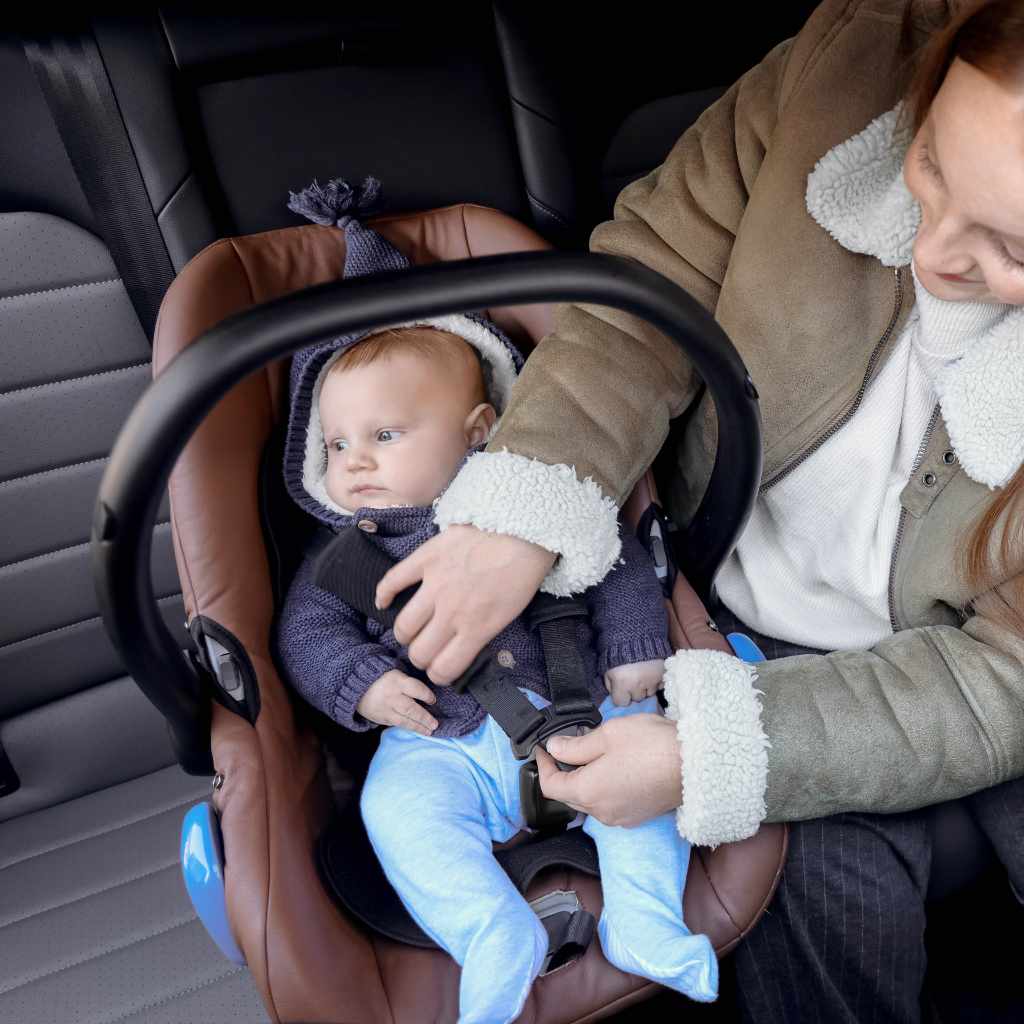
Installing a swivel car seat correctly is key to safety. Start by reading the car seat’s manual. The manual will show you step-by-step instructions. Next, choose the right installation method. You can use the car’s seatbelt or the LATCH system. Always make sure the seat is secure. Check the angle of the seat. Ensure it is at the correct recline for your child’s age and weight.
- Choose the Right Method: Decide whether to use the seatbelt or the LATCH system. Some cars and car seats have one or the other. Choose the method that fits your car and the car seat.
- Follow the Manual: Each car seat is different. Follow the steps in the car seat manual exactly. Do not skip any steps.
- Tighten the Seat: The seat should not move more than an inch side-to-side or front-to-back. If the seat moves too much, tighten the straps.
- Check the Angle: Some seats have indicators to show the correct recline angle. The correct angle ensures your child is in the best position for safety.
Imagine a scenario. A parent installs a swivel car seat using the LATCH system. However, they don’t tighten the straps enough. In a crash, the seat could move too much. In another case, the parent tightly secures the seat using the seatbelt method, ensuring a secure and safe installation.

Pros and Cons of Using Swivel Car Seats
Swivel car seats offer convenience and features that can be helpful for parents. There are both advantages and disadvantages to keep in mind. Knowing these will help you make a good decision. It’s always important to balance your needs with your child’s safety and the rules.
Advantages of Swivel Car Seats
Swivel car seats offer some nice benefits. The main one is ease of use. They make it much easier to get your child in and out of the car. This can be especially helpful for parents with back problems or for those who park in tight spaces. Some seats come with extra features. They might offer better padding or a more comfortable design. Some parents might find these features useful.
- Easier Access: The swivel feature allows you to turn the seat toward the car door. This makes it easier to place your child in the seat. This is really great for parents.
- Reduced Strain: The swivel helps you avoid bending and twisting. This can be especially good if you have back issues.
- Added Comfort: Some swivel car seats have features like extra padding or better ventilation. These extras can make the seat more comfy for the child.
- Adaptable Design: Many swivel car seats are made to adapt. They grow with your child. They often offer different positions and adjust to different sizes.
Here is an example. A parent who has a hard time bending over. A swivel car seat lets them easily lift their child into the seat without straining their back. A grandparent with a bad back can use a swivel seat without difficulty.
Disadvantages of Swivel Car Seats
Along with the benefits, there are some downsides to consider. Swivel car seats can be more expensive than regular car seats. They may be heavier. This can make them harder to move between cars. Some people also worry about the added moving parts. They wonder if these could affect the seat’s safety in a crash. It’s important to think about these things when you’re deciding whether or not to get one.
- Cost: Swivel car seats are often more expensive than standard car seats.
- Weight and Size: These seats can be heavier and bulkier. This can make them harder to move or carry.
- Complexity: Swivel seats may have more parts and functions. This makes them more difficult to install and use.
- Fit Issues: They may not fit well in smaller cars. Make sure your car has enough space.
Imagine a family that lives in a small apartment and has to carry the car seat often. The extra weight and size of a swivel car seat could be a problem. A family with an older, smaller car might find that the swivel car seat doesn’t fit well. Always measure your vehicle before purchasing.
The 5-Step Test for Seatbelts
The 5-step test is a simple way to check if a child is ready to use a regular seatbelt without a booster seat. It helps ensure that the seatbelt fits correctly. A properly fitting seatbelt protects the child in a crash. Knowing the test’s steps is important for parents. It keeps children safe as they grow.
The Five Steps
The 5-step test looks at how a child sits in the car. It checks the fit of the seatbelt. Here are the steps. Use these steps to assess whether a child is ready to graduate to a regular seatbelt. You can decide when your child is ready to transition to a seatbelt on their own.
- Sitting Position: The child should be able to sit with their back straight against the vehicle seat. Their legs should bend comfortably at the edge of the seat.
- Knee Bend: The child’s knees should bend easily at the edge of the vehicle seat. This helps the child remain in the correct position.
- Shoulder Belt Fit: The shoulder belt should rest across the middle of the shoulder. It should not touch the neck or face.
- Lap Belt Fit: The lap belt should fit snugly across the upper thighs, not the abdomen. This prevents internal injuries in a crash.
- Staying in Place: The child must be able to stay in this position for the entire trip. They should not be slouching or moving the seatbelt.
Let’s say a child is tall enough. They can pass the 5-step test and graduate to a regular seatbelt. But, they often slouch in the seat. They are likely not ready to ride without a booster. You should still use a booster seat. This will keep the seatbelt in the right position.
What if a Child Fails the Test?
If a child doesn’t pass all parts of the 5-step test, they should continue to use a booster seat. A booster seat helps position the child so that the seatbelt fits correctly. It protects the child during a crash. The goal is to make sure the seatbelt does its job. Children should use a booster seat until they meet the height and weight requirements. These ensure the seatbelt fits properly. It’s better to use a booster seat for too long than not long enough.
- Use a Booster Seat: A booster seat raises the child. This ensures the seatbelt sits across the shoulder and lap correctly.
- Consider Height and Weight: Follow the manufacturer’s recommendations for the booster seat.
- Check for Proper Fit: Regularly check the seatbelt fit while the child is using the booster seat.
- Make Adjustments: Adjust the booster seat as the child grows.
Consider a situation. A child is too short for the seatbelt to fit correctly across their shoulder. The shoulder belt sits on their neck. They need a booster seat. A booster seat makes sure the belt fits properly. It also reduces the risk of serious injuries in a collision. Using the booster seat protects the child.
Frequently Asked Questions
Question: Are swivel car seats safe?
Answer: Yes, swivel car seats are safe if they meet federal safety standards (FMVSS 213) and are used correctly. Always check the label and follow the manufacturer’s instructions.
Question: Do I need a special car to use a swivel car seat?
Answer: You don’t necessarily need a special car. However, you should make sure the swivel car seat fits in your car and is compatible with your car’s seatbelt or LATCH system.
Question: Do swivel car seats comply with state regulations?
Answer: Swivel car seats must meet federal safety standards and also comply with the car seat laws of the state where they are used. This includes rules about age, height, and weight restrictions.
Question: What if the swivel car seat is involved in a crash?
Answer: If a swivel car seat is in a crash, it may need to be replaced. Check the manufacturer’s instructions for guidance. Contact your insurance company for any further questions.
Question: Are there any restrictions on the use of swivel car seats?
Answer: The main restriction is that the seat must be installed and used according to the manufacturer’s instructions. Always make sure it meets federal standards and state laws.
Final Thoughts
So, Are Swivel Car Seats Legal in the US? The answer is generally yes, as long as they meet federal safety standards and state regulations. These seats offer a helpful feature. They make it easier to get your child in and out of the car. However, safety is always first! Ensure your chosen swivel car seat meets FMVSS 213 and the specific requirements of your state. Always install the seat correctly, following the manufacturer’s instructions closely. Remember to check the seat regularly for damage. If you have any doubts, consult your car seat manual or a certified car seat technician. By following these steps, you can confidently use a swivel car seat. Keep your child safe on every trip, and enjoy the added convenience!