Best Child Car Seats for Safety and Comfort (2026): We Compared
The best child car seat in 2026 fits your child, your vehicle, and your routine. For most families, that means a convertible seat, with the Graco Extend2Fit 2-in-1 standing out for extended rear-facing use and a long usable span. Bad fit or a poor install can leave a child less protected in a crash and make daily use harder. This guide compares top seat types by safety, fit, comfort, installation, and total cost, then shows which features actually help you use the seat correctly.
Quick comparison
| Product | Badge | Best for | Price | ||
|---|---|---|---|---|---|
 |
Evenflo LiteMax NXT Preemie and Infant Car Seat | w/Evenflo | Our pick | 3-30 lbs · Infant Car Seat · Agate | $299.99
Price as of 23 Oct 2026
|
View |
 |
Graco Extend2Fit 2-in-1 Convertible Car Seat, Gotham | 2Graco | Also great | 4-65 lbs · Convertible Car Seat · Gotham | $239.99
Price as of 23 Oct 2026
|
View |
Use the table to match seat type to your child’s current size, your back seat, and the real hidden costs that are easy to miss. The right choice is often the one you can install correctly every day without thinking twice.
📊 Car and Driver says car seats can reduce death risk by up to 71 percent. Source: Caranddriver.
How we chose
We compared seat categories by four things that matter most: crash protection claims, install consistency, child fit, and total ownership cost. Safety standards matter, but they do not help if the seat is too large for your car or too awkward to use properly.
We also weighed the practical issues competitors skip: second bases, replacement covers, expiration windows, and whether a model is realistic in a compact back seat. For test language, independent review sites note that Which tests more than 200 baby and child car seat reviews, says its crash tests are tougher than minimum legal requirements, evaluates easy and secure installation with experts and parents, and checks whether seats are well-padded and supportive for growth.
Car and Driver says car seats can reduce death risk by up to 71 percent, but that number still depends on correct fit and use. That is why installation quality gets more weight here than extra trim or luxury add-ons.
Infant car seats: best for newborns
Infant seats are the best fit for newborns because they stay rear-facing only, mount on a base with LATCH or a seat belt, and click in and out of the car without waking a baby as much. Most families use them from birth to about 9-24 months, though weight and height limits vary by model.
Who this category suits
Choose an infant seat if you want a carrier you can move between car and stroller, or if your baby is still tiny enough that a dedicated newborn fit matters most. The Evenflo LiteMax NXT Preemie and Infant Car Seat is aimed at that use case, with a 3-30 lbs range and newborn-friendly features like SensorySoothe and SensorSafe.
What to watch
The main drawback is lifespan. Infant seats are convenient early on, then you usually outgrow them sooner than a convertible. A second base can be worth it if you regularly move between two vehicles, but it is also a hidden cost that many shoppers miss.
A common first-timer mistake is buying an infant seat for the carrier convenience, then discovering the base is hard to swap between cars. In that case, the second base costs less frustration than repeated re-installation, especially if one parent drops off and another picks up every day.
Convertible car seats: best for extended rear-facing
Convertible seats are the strongest middle-ground choice for many families because they move from rear-facing to forward-facing and usually offer higher rear-facing limits than infant seats. They are often used from birth through preschool, but they are bulkier than infant carriers and take more planning in small cars.
Why bulk matters
Convertible seats can solve the “buy twice” problem, but the tradeoff is size. In a compact sedan or a vehicle with a short rear bench, a bulky shell can force a front seat too far forward or make a three-across layout impractical.
Suppose your child is 2 years old, still rear-facing, and your compact hatchback already has a tall driver behind the seat. A larger convertible may fit on paper but still fail in practice if it leaves no usable front-seat space or crowds the buckle access.
Who can skip the infant stage?
Families who do not need a carry handle, who expect to keep the child rear-facing for longer, or who want fewer replacements can often skip the infant carrier and start with a convertible. That choice makes the most sense when the car seat will stay in one vehicle most of the time.
All-in-one car seats: best for long-term value
All-in-one seats cover rear-facing, forward-facing, and booster modes, so they appeal to buyers who want a one-time purchase. Car and Driver highlights the Graco 4Ever DLX as a 4-in-1 seat with a 10-year lifespan, which is the basic value pitch of this category.
When one seat is enough
This category makes sense if you want to avoid buying a separate convertible and booster later, and if the seat will live in a larger vehicle with enough room. It can be a good budget choice over time, even if the upfront cost is higher.
Where the tradeoff hurts
All-in-one seats are usually heavier and bulkier, which can matter in a small car or when you need to move the seat often. Their long lifespan is useful, but that same size can make daily use harder than a simpler infant or convertible seat.
Think of it this way: if a seat is meant to last a long time but is too wide for your back seat, the “one and done” value disappears fast. A seat that blocks access to the buckle or crowds a sibling seat is not a value seat for that family.
Booster seats: best for older kids
Booster seats are for children who have outgrown a seat with internal straps and are ready for the vehicle seat belt to do the main restraint work. High-back boosters help position the belt and add head support, while backless boosters are more portable but demand better vehicle head support and better belt fit.
When to move up from a seat with internal straps
Do not rush this step. A child should be big enough, mature enough, and able to sit properly for the entire ride without leaning, slouching, or routing the belt incorrectly. Weight and maturity both matter because a booster only works well when the seat belt fits the body properly.
High-back vs backless
High-back boosters are usually the better starting point because they help with belt positioning and sleeping posture. Backless models are more travel-friendly, but they are less forgiving when a child still needs guidance to stay seated correctly.
What safety features matter most in a child car seat?
The features that matter most are the ones that improve correct use: a seat that installs securely, a seat belt that fits cleanly, and a shell size that matches your vehicle. Anti-rebound bars, side-impact claims, and i-Size / R129 labels can matter, but they do not replace proper installation or correct rear-facing use.
What is a real safety gain?
An anti-rebound bar can reduce seat rotation after impact and is a meaningful feature on some infant and convertible models. Car and Driver notes it on the Chicco KeyFit 35, along with its Cinch LATCH system, which points to a focus on installation consistency rather than extra ornament.
What is mostly branding or comfort?
Side-impact protection claims and i-Size / R129 marketing may signal that a seat is built to a newer standard or has side-protection features, but the label alone is not proof of a better outcome in your car. Extra padding, swivel hardware, and cup holders are comfort features first. They can help use, but they do not make a sloppy install safer.
What installation systems change
LATCH, which stands for Lower Anchors and Tethers for Children, can make installation more consistent when used correctly. Rigid-LATCH is often pitched as a more secure install option, but compatibility is model-specific, so you have to check whether your car and seat actually support it.
Which child car seat is easiest to install correctly?
The easiest seat to install correctly is usually the one with the fewest setup steps, clear belt paths, and a shape that fits your vehicle without forcing the seat into a bad angle. In many cases, that means a seat with straightforward LATCH connectors, an obvious recline adjustment, and good access to the belt path.
Where installs go wrong
Common failure cases include a loose base, the wrong recline angle for a newborn, and a seat belt that is too loose at the shoulders or hips. Oversized seats in compact cars are another problem because a seat can be technically installed yet still sit too upright, too far forward, or too close to the front seat.
What to prioritize
- Choose the correct category first: infant, convertible, or booster.
- Check vehicle fit before buying, especially for compact cars and three-across setups.
- Prefer simple, clearly marked belt paths and installation methods you will use every day.
- Make sure the seat adjustment, recline, and infant inserts support a correct fit.
- Ignore features that do not improve correct use in your vehicle.
Which child car seat is best for newborns?
An infant car seat is usually the best newborn choice because it stays rear-facing only, supports a small body better, and is built around a base installation that is easier to repeat. A good newborn seat should allow the proper recline, fit small shoulders without slack, and support the head without forcing the chin down.
Newborn fit details
Look for a seat that lists low starting weight limits, clear infant insert guidance, and a recline angle that keeps the airway open. Car and Driver notes that the Maxi-Cosi Pria starts rear-facing from as small as four pounds, which shows how much model limits can vary.
Why comfort matters here
Comfort is not a luxury in the newborn stage. If the padding is wrong, the recline is off, or the insert is too bulky, the seat adjustment can be compromised. The seat may look cushy while being harder to use correctly.
What car seat works best for small cars or three across?
For small cars or three-across setups, the best seat is usually the narrowest one that still fits the child correctly and installs cleanly. Compact convertibles and some slim infant seats tend to work better than large all-in-one models, especially when you need room for another child seat or a passenger.
Where width matters most
Car and Driver says the Graco SlimFit3 LX is narrow enough for three across, which is the kind of detail that matters more than cup-holder count. Width, buckle access, and shell shape decide whether the seat is useful in a tight back row.
When a bulky seat is the wrong choice
If the seat blocks adjacent buckles, crowds the door opening, or forces the front seat into an unsafe position, it is too large for the vehicle. That is true even if the seat is highly rated or packed with convenience features.
How long can my child use a rear-facing car seat?
Rear-facing should last as long as the seat allows within the manufacturer’s limits, because it is the safest direction for younger children. The practical switch point is usually when the child reaches the seat’s rear-facing height or weight limit, or when the body no longer fits properly in that mode.
What usually changes the timeline
Infant seats are typically used from birth to about 9-24 months, but the exact cutoff depends on your model and your child’s size. Convertible seats often extend rear-facing longer, which is one reason many families move to them after the infant stage or skip the infant seat entirely.
Why longer is often better
Rear-facing protects the head, neck, and spine better for young children because crash forces are distributed over the seat back. That does not mean every family needs the longest possible rear-facing setup, but it does mean you should not rush a forward-facing transition for convenience.
Which one should you buy?
Buy an infant seat if you need newborn portability, frequent stroller transfers, or a base that stays parked in one car. Buy a convertible if you want the best balance of rear-facing time, long-term value, and one-seat practicality. Buy an all-in-one only if you have the space and want to avoid future replacements. Buy a booster only when your child is ready for the vehicle belt to fit correctly.
If budget is tight now, a convertible often wins because it avoids a second purchase sooner than an infant carrier does. If you need two cars covered, a second base may be worth the cost for an infant seat, but a convertible can be cheaper over time if it stays in one vehicle. For very small cars, choose fit first and features second.
Say your family has one compact sedan, one preschooler, and a newborn. The newborn may need an infant seat now, but the older child may be better served by a slim convertible that leaves room for a sibling seat. The better solution is not always the most expensive one.
Car seat decision table
| Child age, height, weight | Vehicle size | Use case | Best seat category | Hidden costs to plan for |
|---|---|---|---|---|
| Newborn to about 9-24 months; model limits vary | Any size, especially if you need frequent transfers | Carrier you can move between car and stroller | Infant car seat | Second base, replacement cover, expiration window |
| Birth through preschool, still rear-facing | Best in mid-size or larger cars; check compact fit first | One seat for rear-facing, then forward-facing seat use | Convertible car seat | Replacement cover, possible second seat for another car, expiration window |
| Birth through booster use, long ownership horizon | Works best in roomy back seats | One seat for multiple stages | All-in-one car seat | Bulky fit issues, replacement cover, expiration window |
| Older child who fits the vehicle belt properly | Any, but head support matters for backless models | Seat belt positioning after seat use with internal straps | Booster seat | High-back replacement cover, vehicle head restraint compatibility |
| Smaller child under rear-facing and seat limits | Compact car or three across | Need narrow shell and easy buckle access | Slim convertible or compact infant seat | Maybe a second car seat for another vehicle |
Top picks for newborns
The Evenflo LiteMax NXT Preemie and Infant Car Seat fits families who want a lightweight rear-facing carrier for the earliest stage, with a 3-30 lbs range and newborn-focused features like SensorSafe alerts. It is a sensible pick when portability and a clear infant-only setup matter more than long-term use.
Its strengths are the newborn-friendly weight range, the carrier format, and comfort-oriented touches such as Green & Gentle Fabric. The drawback is the one you expect from an infant seat: it is temporary, so you will eventually need a larger seat, and that can raise total ownership cost if you buy a second system later.
Top picks for compact cars
The Graco Extend2Fit 2-in-1 Convertible Car Seat is the better fit when you want extended rear-facing in a seat that still works for everyday family use. Its rear-facing limit up to 50 lbs. and adjustable extension panel make it a practical choice for a child who will stay rear-facing longer.
Based on the published product details, the seat’s biggest advantage is flexibility. The drawback is size: like most convertibles, it can be bulky, so it is less ideal if your back seat is already tight or you need a true three-across setup.
Top picks for long-term value
For long-term value, the convertible is usually the better buy than a dedicated infant carrier unless you specifically need stroller-style portability. A 4-in-1 or all-in-one can make sense for a larger vehicle and a family that wants one purchase to cover more stages, but only if the seat fits the car and the child comfortably.
Car and Driver cites the Graco 4Ever DLX as a 4-in-1 seat with a 10-year lifespan, which shows why this category appeals to budget-minded families. The tradeoff is bulk, and that bulk matters more than the marketing if your back seat is tight.
Top picks for booster-stage kids
For booster-stage kids, the right pick is the one that positions the seat belt properly and keeps the child sitting correctly the whole ride. High-back boosters usually make the most sense first because they help with shoulder belt placement and head support; backless boosters are a later step for children with better maturity and a car with good head restraints.
Do not move to a booster just because a child seems large enough. The child also has to sit still, with the lap belt low and the shoulder belt crossing the chest rather than the neck.
Frequently asked questions
What is the safest child car seat for 2026?
The safest seat is the one that matches your child’s size, stays rear-facing as long as possible, and installs correctly in your vehicle. There is no universal winner. A properly fitted infant, convertible, or booster seat will outperform a more expensive seat that is too big or installed badly.
Should I buy an infant seat, convertible seat, or all-in-one seat?
Buy an infant seat if portability matters and you want a carrier for the newborn stage. Buy a convertible if you want longer rear-facing use and fewer replacements. Buy an all-in-one if you have the space and want one seat for many years, but accept the bulk tradeoff.
Are swivel car seats worth it for everyday use?
Swivel seats can make loading easier, especially in tight parking spaces, but they are a convenience feature, not a major safety upgrade. If the swivel design costs more, adds bulk, or makes the seat harder to fit in your car, it is not automatically worth it.
Products related to this article
Sponsored / affiliate links. As an Amazon Associate I earn from qualifying purchases. I may earn additional commission from eligible campaigns.
 Universal Child Car Seat Chest Harness Clip – Kids Seat Belt Adjuster & Anti Escape Buckle Guard, Child Safety Car Seat Belt Lock Clip, Toddler Seatbelt Locking Clip for Stroller & Booster (Gray)
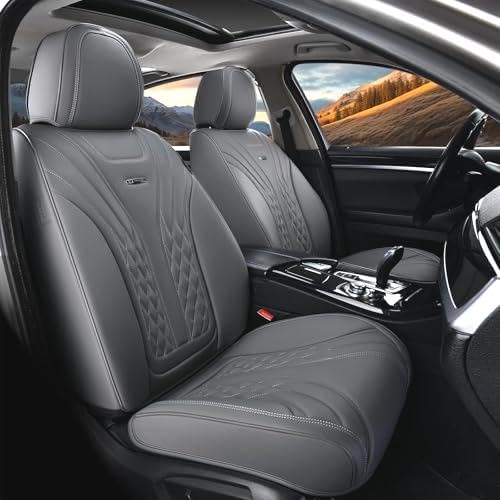 Coverado Car Seat Covers, Car Seat Covers Front Seats, 2-Pack Front Seat Cover, Nappa Leather Waterproof Seat Covers, Car Seat Protectors, Automotive Seat Covers Universal Fit for Most Vehicles