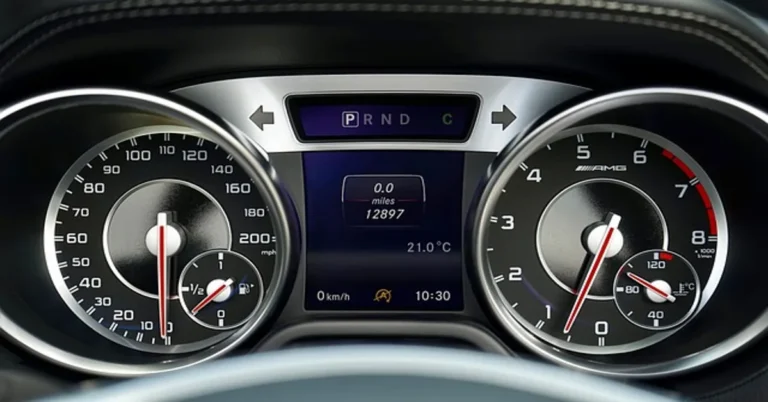
Why Does My Car Clock Keep Changing Time? (GPS, RDS & Battery Causes)
Your car clock may change time due to a faulty battery, electrical issues, or incorrect time zone settings. Regular maintenance can help prevent these issues.
Car clocks are essential for keeping track of time during your travels. A malfunctioning clock can be frustrating and distracting. Many drivers find themselves puzzled when their car’s clock unexpectedly changes. This issue can stem from various factors, including battery problems, electrical system glitches, or even user error in setting the time.
Understanding the root causes can help you address the issue quickly. Regular checks and maintenance can prevent these time-related headaches, ensuring your clock remains accurate. By keeping your car’s electrical system in good condition, you can minimize time discrepancies and enjoy smooth drives.
Quick Answer
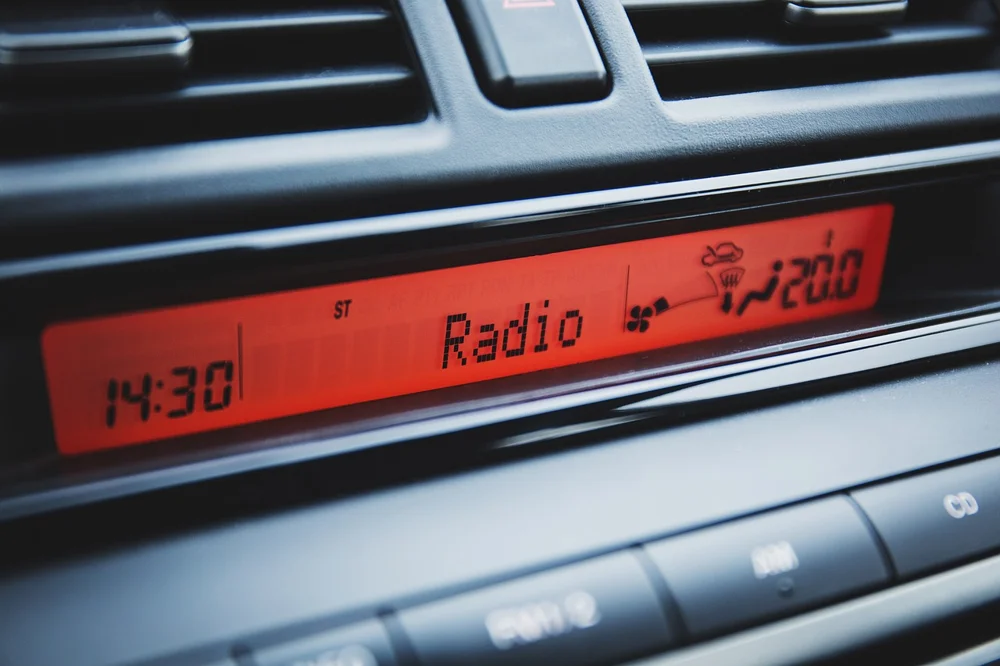
Your car clock changes time because it’s syncing with GPS or FM radio (RDS) signals, or because a weak/disconnected battery has lost its saved setting. Check your infotainment or radio’s automatic clock-sync setting first, then test the battery voltage if the clock keeps resetting on its own.
Introduction To Time Anomalies In Car Clocks
Car clocks have evolved over the years. Early models used simple mechanical systems. Digital clocks appeared later, offering better accuracy. Many car owners notice time changes in their clocks. This can be frustrating and confusing.
Common complaints include clocks that reset themselves or run too fast. Some drivers find their clocks jumping ahead or falling behind. These issues often stem from electrical problems or software glitches. Temperature changes can also affect clock performance.
Understanding these time anomalies can help drivers address the issue. Regular maintenance can prevent many clock-related problems. Keeping connections clean may also improve accuracy.
Electrical Interferences: A Culprit
Electrical issues can cause your car clock to change time. Battery problems often lead to time loss. A weak battery cannot supply steady power. This inconsistency affects the clock’s accuracy. If your battery seems to drain unusually fast, see our guide on why a car battery dies so fast.
Alternator issues can also impact timekeeping. A failing alternator may not charge the battery properly. This can result in fluctuating power levels. Such fluctuations disrupt the clock’s function.
Checking the battery and alternator regularly is important. Keeping these components in good shape helps maintain accurate time.
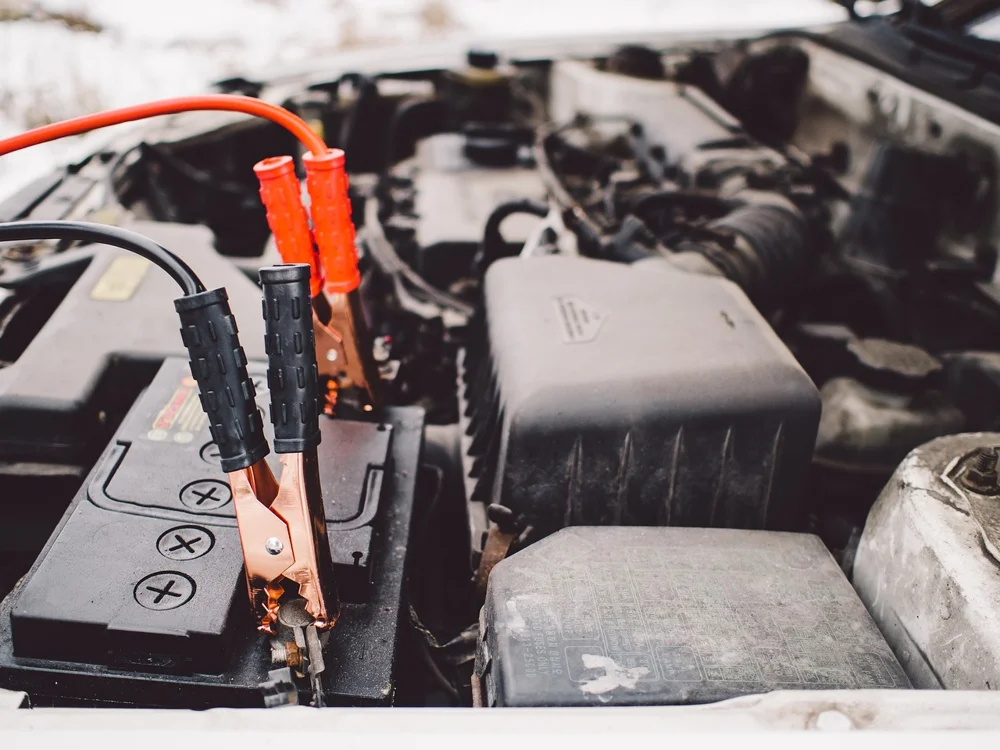
There’s one specific scenario worth calling out: if your battery was recently disconnected or replaced, it’s completely normal for the clock to reset to 12:00 or a random time. The clock has no memory without power, so this isn’t a malfunction — you’ll just need to reset it manually afterward. If you’re about to disconnect the battery yourself, check which terminal to disconnect first to do it safely.
All-Sun Automotive Memory Saver
Best for: keeping your clock, radio presets, and other settings from resetting while you disconnect the battery.
Why we picked it: plugs into the cigarette lighter/OBD port to hold a small backup charge during battery swaps.
Main drawback: only holds memory for a limited time, so battery swaps still need to be reasonably quick.
View Our Pick on Amazon
 AstroAI Digital Multimeter Best for: checking whether a weak battery is behind your clock’s time changes. Why picked: simple to read, covers the 12V range you need for car diagnostics. Drawback: won’t diagnose a bad alternator on its own without a load test. Check on Amazon |
 WINAMOO Automotive Circuit Tester Best for: finding a blown fuse on the clock or radio circuit. Why picked: digital voltage display makes it easy to confirm power at the fuse. Drawback: you’ll still need your owner’s manual to find the right fuse slot. Check on Amazon |
 Battery Terminal Cleaner Tool Best for: clearing corrosion that causes the loose, inconsistent connections behind clock resets. Why picked: wire-brush design fits standard battery post sizes. Drawback: manual effort — no powered version included. Check on Amazon |
GPS-Linked Clock Adjustments
GPS technology helps to keep your car clock accurate. It uses satellite signals to adjust the time automatically. This ensures your clock matches the current time zone.
Sometimes, GPS can cause incorrect time adjustments. For example, if you drive through different time zones, your clock may change unexpectedly. Poor satellite signals can also lead to wrong time settings. Additionally, if the GPS device is faulty, it might give incorrect time information.
Many car radios also sync their clock using RDS (Radio Data System) — a data signal broadcast alongside regular FM radio. If the FM station you’re tuned to has its own clock set incorrectly, your car radio will inherit that same wrong time. Switching to a different station, or turning off automatic clock sync in your radio’s settings, usually resolves this.
| Situation | Effect on Clock |
|---|---|
| Crossing Time Zones | Clock changes unexpectedly |
| Poor Satellite Signals | Incorrect time settings |
| Faulty GPS Device | Wrong time information |
Manual vs. Automatic Time Settings
Manual time setting gives you control over your car’s clock. You can adjust it anytime. Some users find this more reliable. However, it can be a hassle to change regularly.
On the other hand, automatic time adjustment updates the clock by itself. This feature uses GPS or radio signals. It saves time and effort for busy drivers. Yet, it may not work in all areas.
| Pros | Cons |
|---|---|
| Manual: Total control over the time | Manual: Requires frequent adjustments |
| Automatic: Always accurate time | Automatic: May fail in remote locations |
Benefits of automatic time adjustment include saving time and avoiding mistakes. It ensures your clock is always correct. Enjoy peace of mind with this handy feature.
Environmental Factors Influencing Time Display
Temperature changes can greatly affect your car’s clock. Extreme heat or cold may disrupt the clock’s mechanism. This can lead to inaccurate timekeeping. For example, a hot day can make the parts expand. Cold weather can cause them to contract.
Vibration from driving also influences timekeeping. Bumpy roads and sudden stops can shake the clock. This can result in the clock losing or gaining time. Regular vibrations may loosen internal parts over time. Keeping the car well-maintained can help reduce these effects.
Aftermarket Accessories And Time Discrepancies
Aftermarket accessories can cause time discrepancies in your car clock. Devices like GPS systems and stereos may interfere with the clock’s settings. These add-ons often draw power from the same source. This can lead to voltage changes affecting the clock’s accuracy.
To mitigate these issues, check the wiring of your accessories. Ensure they are properly installed and grounded. Using a voltage stabilizer can help maintain a steady power supply. Regularly updating software in GPS devices may also help reduce time changes.
| Accessory Type | Potential Issue |
|---|---|
| GPS System | Power fluctuations |
| Stereo System | Electrical interference |
| Dash Cam | Voltage drop |
Solving the Mystery: Step-by-Step Fixes
Most car clock time changes trace back to one of five causes. Work through these in order:
- Check the Daylight Saving Time (DST) setting. If your infotainment system or radio has an automatic DST toggle, make sure it’s set correctly for your location — an incorrectly toggled setting is one of the most common causes of a clock that’s exactly one hour off.
- Turn off automatic RDS/GPS time sync (temporarily). In your radio or infotainment settings menu, look for an option like “Auto Clock Set,” “Network Time,” or “RDS Clock” and disable it, then set the time manually to see if it holds.
- Check for a weak or recently disconnected battery. A battery under roughly 12.4 volts, or one that was just replaced or jump-started, will often cause the clock to reset. Test the voltage with a multimeter if you’re unsure.
- Inspect the fuse box for a blown fuse tied to the clock or radio circuit — check your owner’s manual for the exact fuse location and rating.
- Make sure the GPS antenna has a clear view of the sky if your clock relies on GPS timekeeping — parking in a garage or under heavy tree cover can prevent the signal from syncing correctly.
If the clock still won’t hold the correct time after working through these steps, the clock module or wiring itself may be at fault, and it’s worth having a mechanic take a look.
Which Cars Are Most Prone to Clock Time Changes?
Vehicles with GPS-linked infotainment systems or FM RDS clock sync (common on many 2015-and-newer models) are the most likely to show unexpected time changes, since the clock is being actively updated by an outside signal rather than staying fixed once set. Older cars with a simple manually-set digital clock rarely “change time” on their own — if one of those loses time, it’s almost always a weak battery or a blown fuse rather than a syncing issue.
Frequently Asked Questions
Why Does My Clock Keep Resetting In My Car?
Your car clock may keep resetting due to a dead battery, faulty wiring, or a blown fuse. Check the vehicle’s battery and electrical connections. A malfunctioning clock module can also be the culprit. Regular maintenance can help prevent these issues.
Why Is The Clock In My Car Losing Time?
The clock in your car may lose time due to a weak battery, faulty electrical connections, or a malfunctioning clock module. Temperature changes can also affect accuracy. Regular maintenance can help identify and fix the issue. Consider consulting a mechanic for a thorough check.
Why Does My Digital Clock Keep Changing Time?
Your digital clock may change time due to power interruptions, low batteries, or incorrect settings. Some models automatically adjust for daylight saving time. Ensure the clock is set correctly and check the power source for consistent timekeeping.
Why Did My Car Clock Reset to 12:00 After a Battery Change?
This is completely normal. Your car’s clock has no internal battery of its own — it relies on power from the main 12V battery to keep track of the time. Disconnecting the battery (for a replacement, repair, or jump-start) cuts that power, so the clock loses its setting and defaults to 12:00. Just reset it manually using your vehicle’s instructions once the new battery is connected.
Can a Bad Alternator Cause the Clock to Change Time?
Yes. A failing alternator can’t keep the battery properly charged, which leads to voltage fluctuations throughout the electrical system. Since the clock relies on a steady power supply, those fluctuations can cause it to lose time, reset, or behave erratically — even if the battery itself is otherwise fine.
Conclusion
A malfunctioning car clock can be frustrating. Understanding the reasons behind time changes is crucial for effective troubleshooting. Whether it’s a faulty battery, electrical issues, or software glitches, addressing these problems can restore accuracy. Regular maintenance can help prevent future disruptions.
Stay informed and keep your car’s clock running smoothly.
Products related to this article
Sponsored / affiliate links. As an Amazon Associate I earn from qualifying purchases. I may earn additional commission from eligible campaigns.