Automotive Service Technician vs Technology: Key Skills
Automotive service technicians handle hands-on repairs like oil changes and brake work, while technology-focused technicians run computer diagnostics on a vehicle’s electronic systems. Most modern shops need both skill sets, since vehicles now combine mechanical and computerized systems. This guide compares the two roles and their training paths.
The Evolution Of The Auto Repair Profession
In the ever-evolving landscape of automotive repair, the profession has undergone a remarkable transformation, blending traditional mechanic roots with cutting-edge technology. This shift has given rise to a new breed of professionals who not only wield wrenches and grit but also harness the power of diagnostics and precision tools to keep vehicles running smoothly and efficiently.
Mechanic Roots: Wrenches And Grit
The image of a mechanic with tools in hand, ready to dive into the inner workings of a vehicle, has long been a staple of the auto repair profession. These skilled individuals tackle hands-on tasks like changing oil and replacing brake pads, embodying the essence of traditional automotive repair.
Modern Techs: Diagnostics And Precision
On the other end of the spectrum, modern automotive service technicians are equipped with state-of-the-art diagnostic tools and advanced computer systems. They rely on technology to pinpoint issues with precision, delving into intricate electrical systems and addressing drivability complaints with accuracy.
ANCEL AD310 Universal OBD II Scanner – $23.99


Defining The Roles
The roles of an automotive service technician and technology are often misunderstood. While a technician specializes in hands-on work like changing oil and brake pads, an automotive technology expert uses diagnostic tools and computer systems to identify and solve issues with vehicles.
Both roles require different skill sets and expertise.
What Mechanics Embody
In the realm of automotive repair, mechanics are known for hands-on work like changing oil and brake pads.
They focus on traditional mechanical tasks and are skilled in physical repairs and maintenance of vehicles.
The Realm Of Technicians
On the other hand, automotive service technicians are experts in utilizing technology for diagnostics and repairs.
They rely on computer systems and diagnostic tools to identify and resolve issues accurately.
Skillsets In The Spotlight
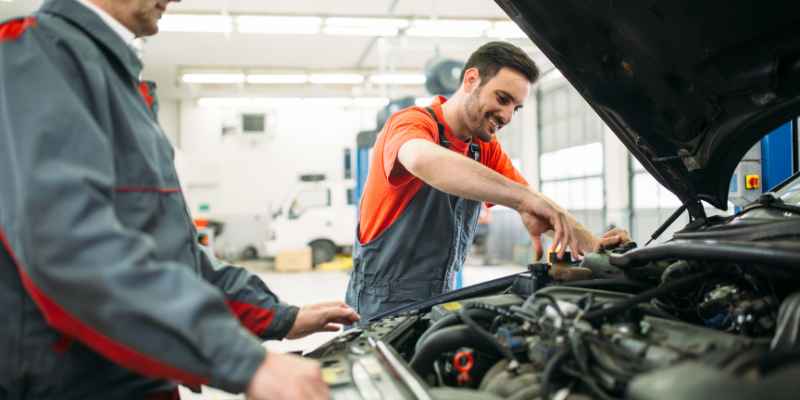
Automotive service technicians leverage technology to diagnose and repair vehicles, while traditional mechanics focus on hands-on tasks like oil changes and brake repairs. The evolution of automotive technology has elevated the role of technicians, who now utilize diagnostic tools and computer systems to address complex automotive issues.
Hands-on Expertise Of Mechanics
Automotive service technicians and mechanics possess hands-on expertise in repairing and maintaining vehicles. They are adept at conducting inspections, identifying mechanical issues, and performing intricate repairs, exhibiting a remarkable command over the physical aspects of automotive systems.
Technicians’ Analytical Mastery
Automotive technicians demonstrate analytical mastery in diagnosing and troubleshooting complex automotive problems. Their proficiency extends to utilizing cutting-edge diagnostic tools and computer systems to accurately pinpoint issues, showcasing their adeptness in leveraging technology to enhance their problem-solving capabilities.
Tools Of The Trade
When it comes to the automotive industry, the role of an Automotive Service Technician is evolving alongside the rapid advancement of technology. One of the crucial aspects that highlight this shift is the tools of the trade. Let’s delve into the classic essentials and emerging diagnostic technologies that define the Automotive Service Technician’s domain.
Classic Garage Essentials
Even with the influx of advanced technology, classic garage essentials remain integral to the Automotive Service Technician’s toolkit. These timeless tools include:
- Wrenches
- Screwdrivers
- Ratchets and sockets
- Jack stands and hydraulic jacks
- Oil filter wrenches
Emerging Diagnostic Technologies
As automotive systems become increasingly complex, emerging diagnostic technologies have become indispensable for Automotive Service Technicians. These cutting-edge tools include:
- Diagnostic scanners with advanced software for vehicle analysis
- Onboard diagnostic (OBD) systems for real-time monitoring and troubleshooting
- Computerized wheel alignment systems for precision adjustments
- Electronic torque wrenches for accurate torque measurements
- 3D wheel alignment machines for comprehensive vehicle alignment
Training And Education
When it comes to the training and education required for automotive service technicians and technology, there are distinct paths to becoming a mechanic and varying learning curves for technicians.
Paths To Becoming A Mechanic
Individuals interested in becoming mechanics typically pursue formal education through vocational programs, technical schools, or community colleges. Some may also opt for apprenticeships with experienced mechanics to gain hands-on training and practical knowledge in the field.
Learning Curve For Technicians
Technicians, on the other hand, often undergo specialized training focused on automotive technology and computerized systems. This training equips them with the skills and expertise required to diagnose and repair modern vehicles, which increasingly rely on advanced technology.
Industry Perspectives
When it comes to the automotive industry, the perspectives of employers and customers play a crucial role in shaping the roles and responsibilities of automotive service technicians in relation to technology.
Employers’ Criteria For Hiring
Employers in the automotive industry are increasingly seeking candidates with a strong foundation in technological skills. The ability to diagnose and repair modern vehicles equipped with advanced computer systems and electronic components is highly valued. Automotive service technicians are expected to possess proficiency in utilizing diagnostic tools and computer systems to accurately pinpoint and address vehicle issues. In addition, a comprehensive understanding of automotive systems is essential in meeting the stringent criteria set by employers.
Customer Trust And Preferences
Customers place a high level of trust in automotive service technicians who demonstrate adeptness in utilizing technology to diagnose and resolve vehicle problems efficiently. With the advancement of automotive technology, customers prefer technicians who are capable of addressing complex electrical and drivability issues in addition to traditional mechanical repairs. The ability to effectively communicate the diagnosis and repair options to the customers also influences their trust and satisfaction.
Economic Impact
In the realm of Automotive Service Technicians vs. Technology, the economic impact is significant. Technicians now rely on advanced diagnostic tools and computer systems, enhancing efficiency and accuracy in vehicle repairs and maintenance. This shift towards technology has revolutionized the automotive industry, creating new opportunities and higher earning potential for skilled technicians.
Salary Comparisons
The salary comparison between Automotive Service Technicians and Technology professionals is a critical aspect to consider. Automotive Service Technicians typically earn a median annual salary of $42,090, while Technology experts command a higher median salary of $88,240.
Job Market Trends
In terms of job market trends, the demand for Automotive Service Technicians is expected to grow at a steady pace due to the need for vehicle maintenance and repair services. On the other hand, the technology sector continues to experience rapid growth, with increasing demand for skilled professionals in various tech fields.
Automotive Service Technicians play a crucial role in keeping vehicles operational, while Technology professionals drive innovation and technological advancements across industries. The economic impact of these two professions is significant, as they contribute to different sectors of the economy and cater to diverse consumer needs.
As the automotive and technology industries evolve, the economic landscape shifts, creating opportunities for both Automotive Service Technicians and Technology professionals to thrive in their respective fields.
The Future Of Auto Service
As automotive technology continues to advance rapidly, the role of Automotive Service Technicians is evolving to meet the demands of the industry. Let’s explore how technicians are adapting to these advancements and what the predictions are for the next decade.
Adapting To Advancements
Automotive Service Technicians are adapting to advancements by integrating technology into their daily tasks. They now rely on diagnostic tools and computer systems to accurately identify and repair vehicle issues. This shift towards a more tech-savvy approach has revolutionized the way technicians work on modern vehicles.
Predictions For The Next Decade
- Rapid Integration of Artificial Intelligence (AI) in diagnostics
- Increased focus on electric and hybrid vehicle maintenance
- Enhanced connectivity and remote vehicle diagnostics
- Growth of specialized training programs for emerging technologies
These predictions indicate that the future of auto service will be heavily influenced by technological advancements and the need for technicians to continuously upskill to stay relevant in the industry.

Frequently Asked Questions
Is Automotive Technology The Same As A Mechanic?
Automotive technology involves using computers and technology for diagnostics, while a mechanic focuses on hands-on repairs.
What Is The Difference Between Mechanics And Technology?
Mechanics focus on hands-on work like changing oil and brake pads, while technicians use technology for electrical diagnosis.
How Does An Automotive Service Technician Use Technology?
Automotive service technicians use technology by utilizing diagnostic tools, computer systems, and their understanding of automotive systems to accurately pinpoint problems. They also perform repairs and maintenance tasks with the help of technology. Unlike traditional mechanics who rely on hands-on work, technicians use computers to diagnose both major and minor mechanical or electrical issues.
What Type Of Automotive Technician Makes The Most Money?
Automotive Service Technicians, especially Master Mechanics and ASE Certified Technicians, typically earn the highest salaries in the industry.
Conclusion
The evolving automotive industry requires a blend of traditional mechanical skills and modern technological expertise. Automotive service technicians and mechanics must adapt to new diagnostic tools and computer systems, while also mastering hands-on maintenance and repairs. Striking a balance between these skills is essential for success in the dynamic automotive service sector.
Products related to this article
Sponsored / affiliate links. As an Amazon Associate I earn from qualifying purchases. I may earn additional commission from eligible campaigns.