5 Best ABS Sensors for Budget Repairs (2026): we compared
The best budget ABS sensors are OE-style sealed wheel-speed sensors with the exact connector and mounting shape for your VIN. Buy the rear only if the fault points to a single axle, and skip universal kits. I have seen the wrong part keep the ABS light on, trigger traction-control faults, and burn money on returns or a second repair. This guide ranks low-cost sensor options by fitment safety, corrosion resistance, and real-world value, plus shows how to match the correct part before you order.
This guide is part of our Car sensors and parts guide series.
Quick comparison
| Product | Badge | Best for | Price | ||
|---|---|---|---|---|---|
 |
NewYall Pair Front Left and Right ABS Wheel Speed SensorNewYall | Budget pick | Front Left & Right Sensors | $22.50
Price as of 29 Sep 2026
|
View |
 |
ABS Wheel Speed Sensor (Front Left & Right) Replacement forCARMOCAR | Our pick | Jeep Wrangler Front L & R | $19.99
Price as of 29 Sep 2026
|
View |
 |
Front ABS Wheel Speed Sensor 2Pcs Fit for 2006-2018 ToyotaCarbhub | Also great | Toyota RAV4 Front 2Pcs | $21.99
Price as of 29 Sep 2026
|
View |
 |
A-Premium Front Left or Right ABS Wheel Speed SensorA-Premium | Budget pick | Chevy Malibu Front L/R | $13.99
Price as of 29 Sep 2026
|
View |
 |
ALS1757 Rear Left & Right ABS Wheel Speed Sensor forJTSAUTO | Upgrade pick | Silverado/Sierra Rear L & R | $16.91
Price as of 29 Sep 2026
|
View |
Use the comparison table to separate cheap-and-fine sensors from the ones worth paying extra for. A part is only cheap when the connector, cable length, and axle position match the car on the first try.
How we chose
Fitment came first. ABS wheel speed sensors are vehicle-specific, and the front/rear axle, connector style, and cable length can change the part you need even when the vehicle is the same model.
Next came corrosion resistance and cable protection, because winter-belt and salt-belt cars often fail at the wiring or connector before the sensing element itself. We also weighed install difficulty and the likely failure mode, since a hub issue can mimic a sensor issue.
Finally, we looked at OE-number matching. HELLA notes that OE numbers are often found on the spare part or vehicle documents, and that matching them exactly can help workshops complete repairs more efficiently.
NewYall pair front left and right ABS wheel speed sensor: best for Toyota hybrid budget repairs
This pair makes sense for Prius and CT200h owners who need a low-cost front axle fix and have already confirmed the fault is on the front side. Based on the fitment list, it targets common Toyota hybrid applications where OE-number matching matters more than brand hype.
What stands out is the pair format for left and right front positions, which helps when both front sensors have lived through the same road salt and age. The drawback is simple: pair packs can tempt people to replace both sides before confirming the bad corner, and that can waste money if the wiring or hub bearing is the real fault.
CARMOCAR ABS wheel speed sensor pair: best for Jeep Wrangler front repairs
This is a sensible budget option for Wrangler owners chasing a front-wheel-speed fault and wanting a plug-and-play replacement with multiple OE numbers covered. For a vehicle with off-road exposure, the appeal is the direct-fit approach and the front left/right pairing.
The downside is that Wrangler front sensors often live near grime, rust, and connector strain, so the cheapest part is not always the longest-lasting part. If the old connector is brittle or the harness is damaged, the low price of the sensor itself can be misleading.
Carbhub front ABS wheel speed sensor pair: best for Toyota RAV4 fitment confidence
This is the pick for RAV4 owners who want a direct-fit front pair with factory-style connector detail and coverage for gas, hybrid, FWD, and AWD setups. That broad application list helps when the fault is front-side and the owner wants to avoid guesswork.
The drawback is the same one that follows many broad-coverage parts: the buyer still has to verify the exact OE number, axle position, and connector shape before ordering. Broad fitment claims help, but they do not replace a VIN check and a visual match to the old sensor.
A-Premium front left or right ABS wheel speed sensor: best for low-cost Chevy commuter fixes
This one fits budget-minded Malibu and Impala owners who need a single front sensor and want a low entry price. It can make sense on a dry-climate commuter where connector corrosion is limited and the fault is clearly isolated to one wheel.
The weakness is the lack of extra protection language beyond general standards, which makes it less reassuring for winter states or high-mileage cars with tired harnesses. If the original connector is green with corrosion, saving a few dollars on the sensor can turn into a repeat repair.
JTSAUTO ALS1757 rear ABS wheel speed sensor pair: best for Silverado and Sierra rear repairs
This pair fits truck owners who need a rear left/right fix and want a direct replacement path rather than piecing together mixed parts. It is a practical choice when the fault is clearly rear axle related and the owner wants to restore ABS performance without moving into hub assembly pricing.
The drawback is that rear truck sensors can live in harsher corrosion and debris conditions than many owners expect, so cable condition matters as much as the sensor body. On a rust-prone truck, the wiring and mounting bore often deserve as much attention as the part number.
What are the best ABS sensors for budget repairs?
The best budget ABS sensors are OE-cross-reference standalone sensors that match the exact axle, connector, and cable length, because they solve the fault without paying hub-assembly money. Reinforced pigtail sensors are the next step up for worn connectors, while hub-mounted assemblies belong in repairs where bearing wear or hub damage is part of the problem.
OE-cross-reference standalone sensor: best overall budget buy
This is the safest low-cost route when the scan data points to one failed wheel-speed signal and the mounting boss looks clean. It gives the best mix of price and fitment control, especially when the vehicle uses a simple sensor bolted near the hub.
Reinforced pigtail sensor: best for worn connectors
Choose this when the old plug has heat damage, broken locks, or corrosion inside the terminals. A better pigtail can matter more than the sensor body itself, because a poor connection can mimic a bad sensor and keep the warning light on.
Hub-mounted assembly: best when bearing wear is part of the fault
Use the full hub assembly when the bearing is noisy, loose, or has sensor-internal damage that cannot be separated cleanly. Treating a hub fault like a sensor-only fault usually costs more in the end, because the ABS problem returns with the bearing issue still present.
Value-store sensor: only for simple, low-corrosion repairs
This is the cheapest lane, and it can work on a dry-climate daily driver with clean wiring and no history of repeated corrosion. It is a poor bet on winter cars, trucks, or anything with a brittle harness and a sketchy connector.
How much should an ABS sensor cost?
Standalone ABS sensors usually cost less than hub-integrated assemblies because they replace only the sensing piece, not the bearing or hub hardware. The price rises with better connector design, longer cable protection, and tighter OE-number matching, and the cheapest option can cost more after a second installation.
Standalone sensor pricing versus hub-integrated pricing
A sensor-only fix keeps parts cost down when the hub spins smoothly and the wiring is intact. Hub-integrated units cost more because they combine multiple wear items, but they can be the smarter spend when the bearing is already a problem.
What pushes the price up
Connector design, cable length, and OE matching all affect price because they reduce fitment risk. In practice, the extra money often buys fewer return trips, fewer broken clips, and less time spent proving the wrong part was ordered.
When the cheapest part costs more after a redo
On rust-belt cars, the low-price sensor can fail at the connector or fit poorly in the mounting bore, which means a second labor session. That is where a mid-price OE-style sensor often beats the bargain bin choice.
Budget ABS sensor decision table
| Sensor type | Fitment risk | Corrosion exposure | Install difficulty | Likely failure mode | When to choose OE-grade instead of the cheapest option |
|---|---|---|---|---|---|
| OE-cross-reference standalone sensor | Low when OE number matches | Medium | Moderate | Connector wear or cable damage | Use OE-grade on winter-belt or high-mileage cars |
| Reinforced pigtail sensor | Low to medium | Medium to high | Moderate | Harness faults, loose plug fit | Choose OE-grade if the original plug is brittle or heat-damaged |
| Hub-mounted assembly | Medium | High | Harder | Bearing wear, sensor ring issues | OE-grade is worth it when the hub is already noisy or loose |
| Value-store sensor | High | Low to medium | Easy | Wrong connector, poor sealing | Do not choose the cheapest part if the car sees salt, slush, or repeated warning lights |
How do you know which ABS sensor fits your car?
Start with the OE number, then confirm the axle position, connector shape, and cable length before ordering. If the car uses a front/rear split or a left/right-specific sensor, the wrong side can fit physically but still fail electrically or mechanically.
Use the OE number first
HElla says OE numbers are usually found on the spare part or vehicle documents, and OE-number search is the fastest way to narrow the part. That matters because vehicle fitment often changes with trim, drivetrain, or axle configuration.
Match front versus rear axle application
Front and rear wheel-speed sensors are often not interchangeable. A part that works on the front may have the wrong cable route, mounting angle, or connector reach for the rear.
Check connector shape and cable length
Look at the latch style, terminal shape, and how the harness is routed on the original part. A sensor with the wrong connector can create intermittent dropouts that look like a bad ABS module when the real issue is a poor fit.
Confirm with vehicle lookup and scan data
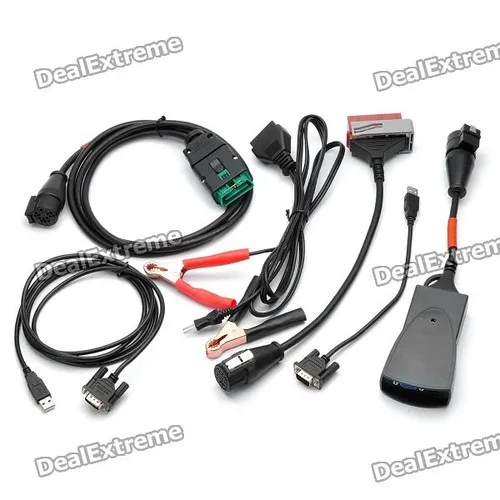
An ABS diagnostic scan tool can read wheel-speed data and help isolate sensor faults from wiring or module problems. Stellar notes that ABS diagnostics examine the sensors, control module, and hydraulic valves, which is why part swapping without a scan often wastes time.
Which one should you buy?
For a high-mileage commuter with one bad wheel-speed reading, buy the OE-cross-reference standalone sensor and replace only the failed axle position. For a rust-prone car in a snow state, pay more for better connector sealing and cable protection, because corrosion is often the real enemy.
High-mileage commuter with one bad wheel-speed reading
Choose the cheapest OE-style sensor that matches the OE number exactly, and keep the old sensor for connector comparison before installation. If the harness and hub are clean, a simple sensor-only fix is usually enough.
Rust-prone car in a snow state
Spend up for a part with better sealing and a reinforced pigtail. On salted roads, the small extra cost often prevents the repeat failure that happens when moisture enters the connector or the cable cracks near the clip.
DIY repair with no scan tool yet
Do not buy first and diagnose later. A scan tool that can read wheel-speed data is worth more than a blind part swap, because a broken wire, damaged tone ring, or bad hub can all mimic a sensor fault.
When to buy OE-grade instead of a budget sensor
Buy OE-grade when the vehicle is winter-belt, the connector is brittle, the harness is short or awkward, or the car has already eaten a cheap sensor once. The extra money is easier to justify when labor time is the expensive part.
What symptoms mean an ABS sensor is bad?
A bad ABS sensor usually shows up as an ABS warning light, traction or stability faults, or a scan that shows one wheel-speed reading dropping out intermittently. It can also feel like the system is switching off and on during slow stops or slippery driving.
Warning light symptoms
The most common clue is the ABS light, sometimes joined by traction-control or stability-control warnings. That does not automatically prove the sensor is dead; it only means the ABS control system has lost confidence in one wheel-speed signal.
Intermittent wheel-speed dropouts
If the scan tool shows one wheel signal cutting out while the others stay stable, that wheel deserves attention first. Loose wiring, a bad connector, or hub damage can create the same symptom as a failed sensor.
When a scan tool is needed
If the warning light is on but the brake pedal still feels normal, a scan tool is the cleanest next step. Stellar notes that ABS diagnostics examine sensors, control module, and hydraulic valves, which helps separate sensor faults from module or wiring problems.
Can a faulty ABS sensor affect braking performance?
A faulty ABS sensor usually affects anti-lock, traction, and stability functions more than basic hydraulic braking. The pedal may still stop the car, but the ABS control system can lose wheel-speed data, shut down assistance features, and trigger warning lights.
What the driver will notice
The car may feel normal in dry braking, then behave differently on slippery pavement because the anti-lock system is not getting reliable wheel-speed input. ABS helps maintain control in emergency situations, so losing that input matters even if the pedal still works.
What it usually does not mean
A sensor fault does not automatically mean the base brakes are weak or the pads are worn out. The issue is usually information loss, not hydraulic failure, which is why the symptom often appears as a warning light before it appears as a longer stop.
What tools do I need to replace an ABS sensor?
Most sensor swaps need basic hand tools, penetrating oil, jack stands, and a way to confirm the repair with an ABS diagnostic scan tool. The real challenge is often removing a rusted sensor without breaking the mounting bore or damaging the cable.
Basic removal tools
Expect sockets, screwdrivers, pliers, and sometimes a pick for stubborn connectors. Penetrating oil helps on rust-belt cars, and jack stands are non-negotiable when the sensor sits near the hub or brake hardware.
Diagnostic and prep tools
An ABS diagnostic scan tool is the best way to verify the fault before buying parts and to confirm wheel-speed data after installation. If the scan still shows a dropout, the problem may be wiring, hub damage, or a tone-ring issue rather than the new sensor.
Frequently asked questions
Are cheap ABS sensors reliable?
Cheap ABS sensors can work on simple, low-corrosion repairs when the OE number, connector shape, and cable length all match exactly. They are much less attractive on winter-belt vehicles, where connector sealing and cable durability matter more than the sticker price.
Do I need a wheel speed sensor or hub sensor?
Use a wheel speed sensor when the sensor is separate from the hub and the bearing feels smooth. Buy the hub sensor or full hub assembly when the bearing is noisy, loose, or the sensor is built into the hub and cannot be replaced alone.
Products related to this article
Sponsored / affiliate links. As an Amazon Associate I earn from qualifying purchases. I may earn additional commission from eligible campaigns.