Bosch Oxygen Sensor Review: OEM or Not?
Bosch is worth replacing with OEM when the exact Bosch part number matches the factory sensor and the vehicle uses a conventional narrowband upstream or downstream sensor; for wideband, air-fuel ratio, or repeat-code cases, OEM is usually the safer pick. A bad sensor match can cause poor fuel economy, rough idle, failed emissions tests, and another repair bill. This guide shows which Bosch versions fit best, when OEM is worth the premium, and how to avoid comeback risk.
Bosch vs OEM: the real trade-off


The real choice is not Bosch versus OEM in the abstract. It is whether the Bosch listing matches the factory sensor type, connector, wire count, thread size, and lead length closely enough to avoid wiring changes and repeat codes. Bosch is an OE supplier on some European makes and some GM applications, but OEM stays the safer route when calibration tolerance is tight.
What Bosch gets right as an OE-equivalent option
Bosch direct-fit sensors are built to match the original connector, cable length, and heater circuit design. That matters because a sensor can be electrically correct and still be a poor buy if the plug, lead length, or thread pattern does not line up cleanly. Bosch premium sensors may also come with anti-seize coating on the threads.
For many conventional narrowband applications, especially on some European vehicles and some GM fitments, Bosch can be the sensible price-to-match compromise. That is especially true when the factory part is expensive and the exact Bosch part number is listed for the vehicle.
When OEM justifies the higher price
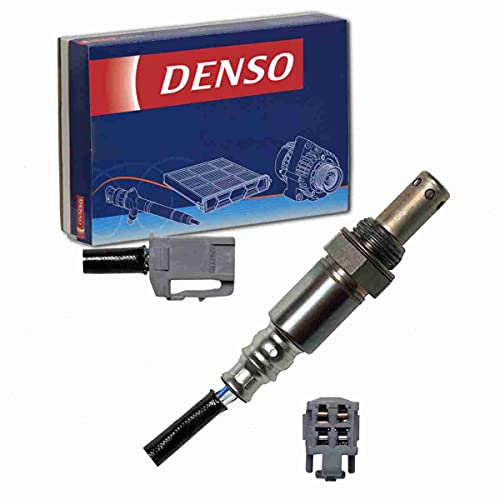
OEM is easier to justify when the sensor is upstream, the vehicle uses wideband AFR control, or the platform has a history of repeat codes after aftermarket replacement. Toyota and Lexus oxygen sensors are identified with Denso as the OEM supplier. Honda and Acura oxygen sensors are identified with NTK as the OEM supplier. GM vehicles are identified with ACDelco as the true OEM part brand.
That does not make Bosch wrong on every one of those vehicles. It does mean the premium can buy a closer match to the original calibration strategy, which matters most on systems that feed fuel trim directly.
Why fitment errors cost more than the part
A wrong sensor is expensive twice. First, you pay for the part. Then you may pay for the labor again if the code returns, the wiring has to be reworked, or the new sensor is the wrong type for the control strategy. On an upstream sensor, that comeback risk is especially painful because it can keep the engine running rich or lean.
Bosch oxygen sensor comparison matrix
This matrix is the buying shortcut. Use it before you order anything. It separates Bosch direct-fit, Bosch universal, and OEM by sensor type, vehicle age, install difficulty, and comeback risk.
| Option | Best for | Vehicle age | Install complexity | Comeback risk | Buy or not buy |
|---|---|---|---|---|---|
| Bosch direct-fit | Factory-style replacement with plug-in connector and correct lead length | Modern and late-model vehicles with a listed match | Low | Low when the exact part number matches | Buy for most conventional narrowband applications |
| Bosch universal | Older or rare applications where no exact connector match is available | Older vehicles, oddball fitments, some hard-to-source repairs | High, because it requires splicing | Higher, because wiring work can introduce faults | Not buy for most readers; buy only when fitment lookup leaves no direct-fit option |
| OEM | Wideband, upstream fuel-trim control, or repeat-code repairs | Late-model vehicles and any case with tight calibration needs | Low to moderate | Lowest when the exact factory part is used | Buy when sensor type or history makes the risk too high for aftermarket |
Bosch direct-fit vs Bosch universal
Direct-fit is the smarter default. It is plug-and-play, uses the factory connector, and avoids cutting wires. Universal sensors still have a place, but only when the exact part is unavailable or the vehicle is old enough that a splice-in repair is the practical path.
Universal sensors require splicing. That means wire cutting and crimping, and any mistake in the heater or signal wires can create a new code immediately or after a few drive cycles. If the listing does not explicitly match the application, skip it.
Bosch direct-fit vs OEM
Direct-fit Bosch is the better value when it matches the factory sensor closely and the car does not have a history of repeat codes. OEM is the better buy when the original supplier is Denso, NTK, or ACDelco and the vehicle depends on precise upstream feedback. The extra money buys less risk.
Suppose a 2011 GM sedan throws a heater-circuit fault on an upstream sensor and the listing shows Bosch direct-fit with the correct connector, thread size, and lead length. Bosch is a reasonable buy. Now suppose a late-model Toyota with a wideband upstream sensor keeps setting the same code after replacement. OEM is the safer call.
Is Bosch oxygen sensor worth it over OEM?
Bosch is worth it when the exact part number is a true fit, the sensor is a conventional narrowband unit, and the vehicle has no repeat-code history. In those cases, Bosch direct-fit often gives you the needed match without paying dealer pricing. For wideband or repeat-code cases, OEM is usually the safer buy.
When Bosch is the smart buy
Choose Bosch when the vehicle is a European application where Bosch is an OE supplier, or when the listing shows an exact direct-fit replacement for a GM vehicle. It is also a solid choice for older, high-mileage cars where the goal is to restore normal fuel trim without paying dealership pricing for a sensor that is not especially sensitive.
A bad oxygen sensor can cause poor fuel economy, rough idle, failed emissions tests, and persistent check engine lights. If Bosch gets you back to the factory spec on a conventional setup, there is little reason to pay extra for a badge alone.
When OEM is the safer buy
OEM makes more sense when the factory system uses a wideband AFR sensor, when the upstream sensor is directly controlling fuel trim, or when the vehicle has already had one aftermarket sensor fail to cure the code. In those cases, the exact calibration and response curve matter more than saving a few dollars on the part.
How repeat codes change the decision
A repeat P0133, slow switching complaint, heater-circuit fault, or false P0420 after replacement changes the risk profile. If the code returns after a correct install, the sensor may be the wrong type, the wrong connector may have been adapted, or the part may not match the control strategy closely enough.
That is why comeback risk belongs in the buying decision, not after the wrench turns. One wrong sensor can waste labor, create a second diagnostic round, and turn a simple replacement into a longer emissions problem.
Which Bosch oxygen sensor should I buy for my car?
Buy the Bosch direct-fit part only if the exact listing matches your vehicle by connector type, wire count, thread size, and lead length. Buy Bosch universal only when an exact match is unavailable and you are prepared to splice. If the car uses a wideband upstream sensor or has repeat-code history, OEM is usually the better choice.
Direct-fit for plug-and-play replacement
Direct-fit Bosch sensors are the cleanest install because they arrive with the correct factory connector and cable length. That lowers wiring risk and avoids guesswork on heater-circuit layout. Bosch direct-fit sensors are described as matching the original connector, cable length, and heater circuit design.
Universal for splice-in repairs only
Universal Bosch sensors are for repair cases where the exact match is not available. They work, but only if you are comfortable identifying the signal and heater wires and making a sound splice. That is why universal sensors are a poor default choice for daily-driver cars.
How to match connector, wire count, thread size, and lead length
- Match the exact part number first.
- Confirm connector shape and pin count.
- Check wire count and heater-circuit layout.
- Verify thread size; common sizes include M18×1.5 and M12×1.25.
- Check lead length against the original sensor.
- Confirm whether the vehicle uses a narrowband or wideband sensor.
Heated oxygen sensors are standard on most post-1996 vehicles, and unheated oxygen sensors are mostly obsolete on modern vehicles. That means connector and heater matching matter more than broad catalog descriptions. Do not buy by year and engine alone.
Upstream or downstream?
Upstream sensors sit before the catalyst and feed fuel-trim control, so they have the strictest response requirement. Downstream sensors sit after the catalyst and mainly monitor catalyst efficiency. Both can set a check engine light, but the upstream sensor is the one that most directly affects how the engine runs.
Why upstream sensors have the highest risk
Upstream oxygen sensors are the most critical sensors for engine performance. They must switch quickly enough for the ECU to adjust fueling. If response is slow, you can see lean or rich codes, rough idle, or a repeated P0133. That is where OEM often earns its premium.
What downstream sensors do after the catalyst
Downstream sensors are less demanding, but they are not optional. A bad downstream sensor can still trigger a false P0420 and make a good catalyst look bad. That is why a correct fit still matters even when the sensor is not managing fuel trim.
Picture a 2008 GM sedan with a downstream code after the catalyst. If the replacement sensor has the wrong connector or lead length, the light can come back even though the catalyst is fine. The repair then becomes a sensor-job repeat, not a converter problem.
How the fault code pattern changes the choice
Slow switching points toward a response problem, which is more serious on an upstream sensor. Heater-circuit faults point toward electrical match and connector issues. A false P0420 after replacement often points to a downstream sensor mismatch, an exhaust leak, or an install that did not preserve the original wiring path.
Bosch oxygen sensor comparison table
Use this table when the question is sensor type, not brand loyalty. Wideband and narrowband sensors are not interchangeable.
| Sensor type | Signal behavior | Best fit application | Risk if you choose wrong | Buy or no-buy |
|---|---|---|---|---|
| Wideband AFR sensor | Precise air-fuel ratio measurement with a different signal strategy | Modern vehicles with tighter fuel control | High; the wrong sensor can produce repeat codes and poor fueling | Buy OEM unless Bosch lists the exact match for your application |
| Narrowband oxygen sensor | Switching voltage behavior with simple rich/lean output | Older systems and many conventional replacement jobs | Moderate; wrong fit still causes codes, but the system is less demanding | Buy Bosch direct-fit when the exact part number matches |
Wideband AFR vs narrowband oxygen sensor
Wideband sensors measure air-fuel ratio more precisely and use a different signal strategy from narrowband sensors. Narrowband sensors are simpler, older, and cheaper in many cases, but they are not the same part. Wideband oxygen sensors cost more than narrowband sensors in the competitor guide.
Do not swap one for the other. A wideband sensor on the wrong vehicle can create the exact kind of repeat code you were trying to fix. That is especially risky on upstream positions.
Toyota, Honda, and GM fitment risk
Toyota and Lexus are commonly matched to Denso as the OEM supplier, Honda and Acura to NTK, and GM to ACDelco. Bosch may still fit some GM applications and some European makes well, but Japanese fitments deserve more caution. On those vehicles, the exact factory supplier often has the safest calibration match.
Choose Bosch if… / Choose OEM if…
Choose Bosch if the exact direct-fit part number matches the factory sensor, the car uses a conventional narrowband setup, and you want a lower-cost OE-equivalent replacement. Choose OEM if the vehicle uses a wideband AFR sensor, the code has already returned after an aftermarket replacement, or the original supplier is clearly listed as Denso, NTK, or ACDelco for that application.
Choose Bosch if…
- You have a European vehicle where Bosch is an OE supplier.
- You have a GM application with a confirmed Bosch direct-fit listing.
- The sensor is narrowband and the connector, wire count, thread size, and lead length all match.
- You want to avoid dealer pricing on an older, high-mileage car with no repeat-code history.
Choose OEM if…
- The sensor is wideband AFR, especially upstream.
- The car has repeat P0133, heater-circuit faults, or a false P0420 after replacement.
- The original supplier is Denso, NTK, or ACDelco and the fitment is exact.
- You want the lowest comeback risk on a late-model vehicle.
Frequently asked questions
Is Bosch oxygen sensor worth it instead of OEM?
Yes, when the exact Bosch direct-fit part number matches the factory sensor and the vehicle uses a conventional narrowband setup. Bosch is often the practical value choice on some European and GM applications. OEM is still the safer pick for wideband sensors and repeat-code repairs.
Are Bosch direct-fit oxygen sensors better than universal?
For most readers, yes. Direct-fit sensors avoid wire cutting, match the factory connector, and reduce install risk. Universal sensors are a backup option for older or rare applications where the exact part is unavailable. They are not the best default choice for daily-use vehicles.
What’s the difference between upstream and downstream Bosch O2 sensors?
Upstream sensors sit before the catalyst and control fuel trim, so they need fast response and the right calibration. Downstream sensors sit after the catalyst and monitor catalyst efficiency. Both matter, but the upstream sensor is usually the one where OEM has the stronger case.
Can I use bosch on a toyota, Honda, or GM vehicle?
Sometimes, but the answer depends on the exact application. Toyota and Lexus commonly use Denso as the OEM supplier, Honda and Acura commonly use NTK, and GM uses ACDelco as the true OEM brand. Bosch can still fit some GM and European applications well, but check the exact part number first.
Can a wrong oxygen sensor cause a check engine light to come back?
Yes. A wrong sensor can bring back the light if the connector, wire count, heater circuit, sensor type, or response curve does not match the vehicle. Repeat P0133, heater faults, slow switching, and false P0420 codes are all reasons to verify fitment before replacing the part.
Products related to this article
Sponsored / affiliate links. As an Amazon Associate I earn from qualifying purchases. I may earn additional commission from eligible campaigns.