Best All-Season Car Tires (2026): Based on Specs and Reviews
For most cars, the best all-season tire matches your weather: touring tires for quiet wet commuting, grand-touring tires for longer mileage, and severe-weather-rated all-seasons if winter brings regular snow. Pick the wrong type and you can end up with fast wear, more road noise, or less wet and snow traction. This guide maps tire choices to weather, commute length, winter severity, noise, grip, and value, then lists top picks by use case.
Quick comparison
| Product | Badge | Best for | Price | ||
|---|---|---|---|---|---|
 |
Bridgestone Turanza EverDrive 205/55R16 94V XL All SeasonBridgestone | Our pick | 205/55R16 · 94V · XL Touring | $169.99
Price as of 25 Oct 2026
|
View |
 |
Michelin Cross Climate 2 A/W 225/45R17 91V Passenger CarMICHELIN | Upgrade pick | 225/45R17 · 91V · CrossClimate 2 | $229.99
Price as of 25 Oct 2026
|
View |
 |
Goodyear Wrangler DuraTrac RT All-Season Radial Tire,Goodyear | Also great | 265/60R18 · 114T · Rugged Terrain | $279.02
Price as of 25 Oct 2026
|
View |
Use this comparison to sort by weather first, then by commute length and comfort needs. A tire that fits a rainy city driver can be the wrong pick for a long highway commuter.
How we chose
We compared tires on wet traction, treadwear or tread-life rating, comfort, and snow capability where that matters. We also separated standard all-season from all-weather tires so you do not buy a tire that misses your winter needs.
Consumer Reports puts the most weight on braking, hydroplaning resistance, and handling, and does not fold price into its Overall Score. That is why this guide treats price as a value check, not the whole decision.
The result is a use-case path, not a flat leaderboard. That matters because a long-wearing commuter tire can be the right answer even if a stickier, pricier model scores higher in rain.
What the weather fit matrix says
The right tire depends on how often you drive in rain, how hard your winters hit, and how many miles you add each week. A good match will usually do better than a premium tire chosen for the wrong climate.
| Climate type | Weekly mileage | Winter severity | Priority | Recommended tire category | When not to buy it |
|---|---|---|---|---|---|
| Rainy urban commuting | 150 to 300 | Mild | Quiet, wet grip | Grand Touring All-Season | Do not buy if your city gets frequent slush or repeated snow cover. |
| Suburban highway driving | 250 to 500 | Mild to moderate | Longevity, comfort | Standard Touring All-Season | Do not buy if winter road grip matters more than tread life. |
| Light-snow region | 150 to 400 | Moderate | Balanced wet and snow traction | Grand Touring All-Season or 3PMSF all-weather | Do not buy a basic touring tire if you need consistent winter confidence. |
| Frequent rain with occasional cold snaps | 200 to 350 | Mild | Wet traction, hydroplaning resistance | Grand Touring All-Season with strong wet ratings | Do not buy based on tread life alone. |
| Cold climate with regular snowfall | 100 to 300 | Severe | Winter compliance, snow traction | All-weather tire with 3PMSF | Do not buy a standard all-season if winter braking is a real concern. |
| Long-distance commuter | 400 to 800 | Mild to moderate | Longevity, low noise | Standard Touring All-Season | Do not buy a softer grand-touring tire if tread life is the top priority. |
| Mixed city and highway, low snowfall | 150 to 350 | Mild | Comfort, value | Grand Touring All-Season | Do not buy if winter storms arrive often enough to require 3PMSF tires. |
| Drivers who want snow legality and daily comfort | Any | Moderate to severe | Winter access, all-season convenience | All-weather tire with 3PMSF | Do not buy standard all-season if the local winter is harsh or long. |
Michelin CrossClimate2: best overall for cars
The Michelin CrossClimate2 is TireGrades’ 2026 best car all-season tire, with a 9.0 overall rating. It is the safest all-around bet here for drivers who want strong wet-road confidence and real winter credibility without moving to a dedicated winter setup.
Its wet grip stands out. TireGrades lists a 9.4 wet grip / wet traction score, and Consumer Reports gives it an 8.8 snow rating. That combination matters if your commute includes hard rain, standing water, or slushy roads that make hydroplaning resistance a priority.
This tire also carries 3-PMSF certification, which means it belongs in the all-weather conversation rather than the standard all-season one. That badge helps if you need better snow performance, but it does not turn the tire into a full winter tire.
The drawback is simple: drivers who do not need winter-capable tread may be paying for capability they will rarely use. If your winter is light and your mileage is high, a longer-wearing touring tire can be the better value.
Pirelli Cinturato WeatherActive: best value for cars
TireGrades names the Pirelli Cinturato WeatherActive its best value car all-season tire and gives it an 8.9 overall rating. It fits drivers who want premium wet-weather behavior without jumping to the most expensive option in the group.
Its 9.3 wet performance / wet traction score is the headline number. TireGrades also gives it a 9.2 treadwear rating, which helps the value case because it points to stronger life on the road rather than a short-lived grip-focused tread.
Car and Driver also put the Cinturato WeatherActive at the top of its all-weather tire testing, which reinforces its wet and winter-minded character. That makes it a strong fit for commuters in places that see a lot of rain plus occasional cold-weather driving.
The tradeoff is category fit. Because it leans toward all-weather duty, some drivers in mild climates may not need its snow-oriented strengths, and others may prefer a quieter grand-touring all-season if winter traction is not a priority.
Vredestein Quatrac Pro+: best budget pick for cars
The same source gives the Vredestein Quatrac Pro+ an 8.8 overall rating and names it the budget car all-season pick. It suits shoppers who want a lower entry point but still care about wet-road confidence and comfort.
The tire’s 9.2 wet performance / wet traction score keeps it relevant in rainy regions, and its 9.1 comfort score is a useful signal for drivers who spend time on rough pavement or highway expansion joints. That balance makes it easier to recommend than a bare-minimum commuter tire.
The drawback is the obvious one: budget-friendly does not mean best in every category. If your use case centers on maximum tread life or the strongest winter performance, a more expensive alternative may be the better buy.
Picture a 225/45R17 sedan used mostly for city errands and a weekly freeway commute. In that setup, the Quatrac Pro+ makes more sense than a top-priced tire if annual mileage is modest and wet grip matters more than chasing the last bit of tread life.
Which one should you buy?
Choose the CrossClimate2 if rain is frequent, winter is real, and you want the most confident all-around tire in this group. Choose the Cinturato WeatherActive if you want strong wet performance and a better value balance. Choose the Quatrac Pro+ if you want the lowest-cost path into a tire that still takes wet roads seriously.
For rainy urban commuting, start with the Michelin CrossClimate2 if snow can arrive unexpectedly, or the Pirelli Cinturato WeatherActive if you want value and strong wet traction. For suburban highway driving, a standard touring all-season often makes more sense than a more aggressive tire because quiet cruising and tread life matter more than extra snow bite.
For light-snow regions, the CrossClimate2 is the safest choice here because it brings 3PMSF certification and stronger winter intent. For drivers who should choose all-weather instead of standard all-season, the rule is simple: if winter storms are regular rather than rare, stop shopping standard all-season tires and move to 3PMSF all-weather rubber.
Say your sedan is wearing 205/55R16 tires and you commute 40 miles each weekday through heavy rain. A tire with strong wet traction and hydroplaning resistance matters more than a long treadwear number that looks good on paper but does not help in standing water.
How do all-season tires compare by weather?
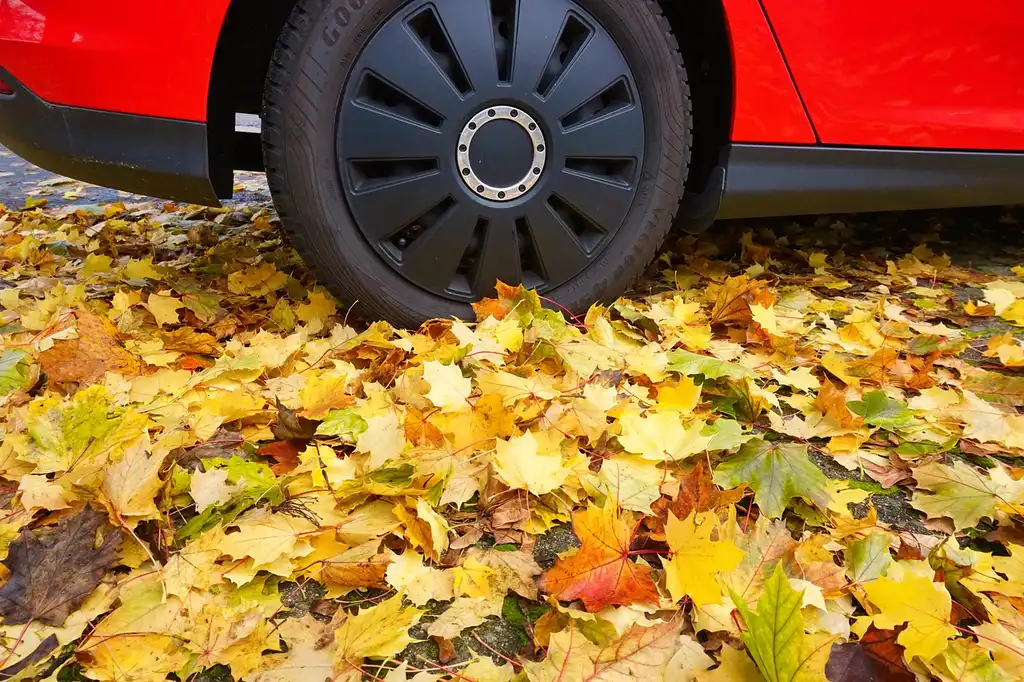
All-season tires are built for year-round use in dry, wet, and light-winter conditions. They are a compromise tire, though, so the best one for rain may not be the best one for snow, and none of them equals a true winter tire in severe cold.
Wet weather and hydroplaning resistance
Wet traction is the key safety metric in rain-heavy regions. It points to how well a tire keeps grip on soaked pavement, resists hydroplaning, and supports braking when the road has standing water or a polished surface.
That is why Consumer Reports puts braking, hydroplaning resistance, and handling near the center of its scoring. A tire that feels quiet but slips early in rain can be the wrong buy for coastal cities, thunderstorm corridors, or long freeway commutes.
Dry-road handling and braking
Dry performance still matters, especially for highway lane changes and emergency stops. Consumer Reports includes handling in its process for a reason: a tire that feels vague at speed can make an otherwise comfortable car less secure.
Grand Touring All-Season tires usually try to keep that dry-road balance while also reducing noise and ride harshness. Standard Touring All-Season tires lean even more toward calm everyday driving and long tread life.
Light snow versus harsh winter
All-season tires can work in light snow, but they are not the right answer for repeated deep snow, hard-packed ice, or long stretches below freezing. That is where winter tires win clearly, and it is where 3PMSF all-weather tires become the better compromise.
Car and Driver notes that all-weather tires carry the three-peak mountain snowflake badge, and that badge matters if you want better winter capability without swapping tires twice a year. It is not the same category as standard all-season.
Should I buy touring or grand touring all-season tires?
Buy touring tires if you want quiet highway manners, long tread life, and the least drama in day-to-day use. Buy grand-touring tires if you want a softer ride, better comfort, and a more balanced feel in wet and dry conditions, especially for sedans and minivans.
Standard Touring All-Season tires
Standard Touring All-Season tires are the everyday-driving choice. They focus on long tread life, smooth cruising, and low noise, which is why they often fit compact and midsize cars that rack up highway miles.
If your commute is mostly steady-speed pavement and winter is mild, this category can be the most economical route over time. The downside is that it usually gives away some grip and steering sharpness to more performance-minded designs.
Grand Touring All-Season tires
Grand Touring All-Season tires are the car-focused middle ground. They are built around a quiet ride and comfort, but they still aim for balanced wet, dry, and light-snow performance for sedans, coupes, and minivans.
If you care about cabin noise, a supple ride, and better all-around traction than a basic touring tire, this is often the sweet spot. The tradeoff is cost, and some grand-touring options wear faster than the longest-life touring tires.
When all-weather tires make more sense
Choose all-weather tires when your winter is severe enough that standard all-season tires feel compromised but you still want to avoid seasonal swaps. Their 3PMSF badge gives you a winter-traction step up that standard all-season tires do not offer.
That matters most in places where snow is not a novelty. A driver in a mild region may never need that extra capability, while a driver in a harsher climate may need it every month of winter.
How much should tread life matter?
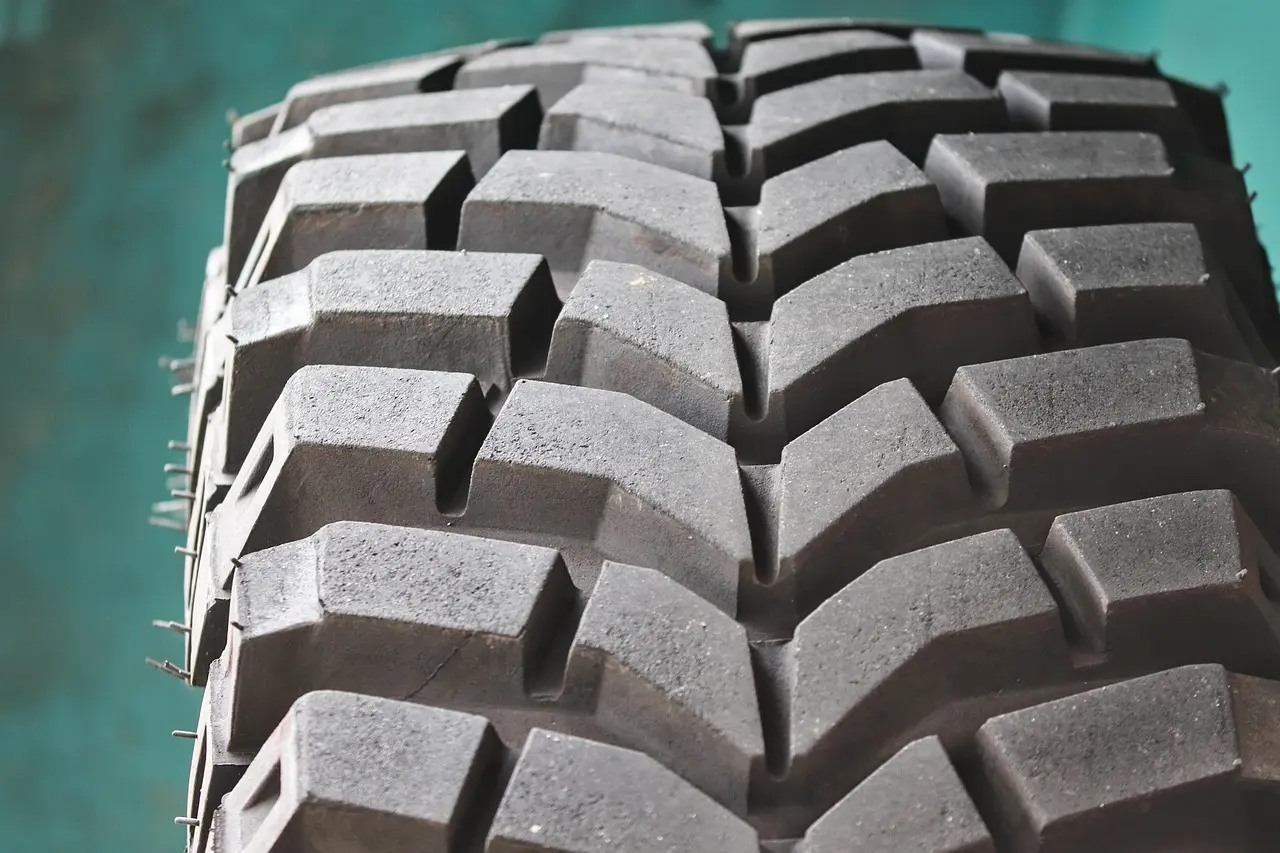
Tread life should matter a lot if you drive many miles each year, because warranty miles are a useful clue for cost per mile. Many all-season tires fall in the 60,000 to 80,000 mile range, and that spread can change the long-term math more than a small price difference at checkout.
Using warranty miles as a cost-per-mile clue
A higher treadwear warranty does not guarantee the tire will last exactly that long, but it does tell you how the maker expects the compound to behave. For commuters, that is useful because replacing tires early can erase the savings of a cheaper initial purchase.
The Bridgestone Turanza EverDrive listing, for example, carries an 80,000 mile treadwear rating. That kind of number is attractive for high-mileage drivers, but it only makes sense if the tire’s wet and dry behavior still fits the car’s actual use.
Why premium tires are not always the cheapest choice
Premium tires can be worth the extra cost when they solve a real problem, such as poor wet traction or winter confidence. They are not automatically the best value if your commute is easy and you will never use the extra capability.
A tire with a lower starting price but weaker tread life can cost more per mile than a pricier tire with a longer warranty. That is why price alone should never decide the buy.
When shorter tread life is still worth it
Shorter tread life can still make sense if you live in a rain-heavy area and need the best hydroplaning resistance you can get. It can also be a good trade if the car is driven relatively few miles and comfort or grip matters more than long-term mileage.
A common first-timer mistake is buying the longest-warranty tire available for a car that spends most of its time in heavy rain. If wet braking and water evacuation are the real concerns, the safest tire may not be the one with the biggest mileage claim.
How to choose the right all-season tire size for my car
Start with the tire size already fitted to the vehicle door placard or owner’s manual, then match the load index and speed rating the car requires. The same source recommends sticking with the original tire type and size because the vehicle was calibrated around that setup.
Do not widen the tire or change the sidewall profile just to chase a look. A size change can affect speedometer accuracy, ride quality, and wet-weather behavior, and it may create fitment problems.
- Read the door placard and confirm the original size.
- Check the load index and speed rating.
- Decide whether your winter needs call for all-season or all-weather.
- Compare wet traction and treadwear, not price alone.
- Buy the exact size unless the vehicle maker allows a different fitment.
Frequently asked questions
What are the best all-season tires for cars right now?
For most cars, the top all-season choice depends on your climate, but the Michelin CrossClimate2 is the strongest overall pick here. It leads because it combines strong wet grip, real winter credibility, and a 9.0 overall rating from TireGrades, while the Pirelli Cinturato WeatherActive and Vredestein Quatrac Pro+ cover value and budget needs.
Which all-season tire is best for wet weather?
The Michelin CrossClimate2 and Pirelli Cinturato WeatherActive are the clearest wet-weather standouts in this group. The Pirelli’s 9.3 wet performance / wet traction score is especially strong, while the Michelin’s 9.4 wet grip / wet traction score and 8.8 snow rating make it the more complete bad-weather choice.
Do all-season tires work in snow?
They work in light snow, but they are not winter tires and should not be treated that way. If your winter is regular, severe, or icy, look for all-weather tires with the 3PMSF badge or move to dedicated winter tires for the cold season.
What’s the difference between all-season and all-weather tires?
All-season tires aim for year-round balance in dry, wet, and light-winter conditions. All-weather tires add the three-peak mountain snowflake badge, which signals better winter capability and makes them a better fit when snow is frequent enough that standard all-season tires feel inadequate.
Which all-season tire lasts the longest?
Among the products covered here, treadwear favors the Bridgestone Turanza EverDrive with its 80,000 mile treadwear rating. In general, the longest-lasting tire is usually the one whose warranty, compound, and your driving style line up best, so mileage matters more than brand name alone.
What’s the best value all-season tire for a sedan?
The Pirelli Cinturato WeatherActive is the best value pick in this guide for a sedan if you want strong wet performance without paying for the top overall model. If your budget is tighter, the Vredestein Quatrac Pro+ is the lower-cost choice, though it gives up some of the premium value balance.
How do I choose the right all-season tire size for my car?
Use the original tire size on the door placard or in the owner’s manual, then match the load and speed rating. That keeps the car within its intended handling, braking, and clearance setup, which is the safest way to shop for replacements.
Are premium all-season tires worth the extra cost?
They are worth it when they fix a real problem, such as poor wet grip, weak snow traction, or low comfort. They are not automatically better value, because a premium tire with a short tread life or a feature set you will never use can cost more over time.
When should I switch from all-season tires to winter tires?
Switch when winter brings frequent snow, persistent freezing temperatures, or icy roads that expose the limits of all-season rubber. If you are asking the question every year, your climate may already be cold enough that winter tires are the safer seasonal choice.
Products related to this article
Sponsored / affiliate links. As an Amazon Associate I earn from qualifying purchases. I may earn additional commission from eligible campaigns.