Car Battery Tester Cost: What You’ll Pay by Type
Car battery testers usually cost $10 to $200: basic handheld load testers sit near the low end, digital conductance testers often run $30 to $100, and shop battery checks are commonly free to $40 if you’re only paying for a diagnostic. A weak battery check can leave you buying a battery you do not need, or missing one that fails later. This guide breaks down tester costs by type so you can compare buying a tool with paying for a shop test.
Car battery tester cost overview

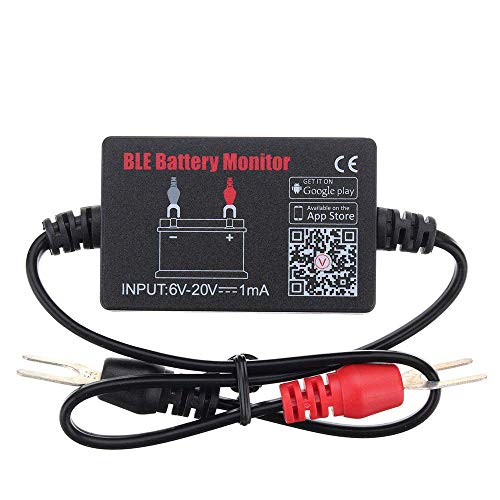
Car battery tester cost depends on how much data you want from the test. Basic 12V handheld units cost less to buy, digital testers cost more because they show battery health data and test ranges, and a shop test is often the lowest-cost way to get a one-time answer.
The price gap starts with the hardware. A basic 12V car battery tester is listed at a wholesale price of $5.84, while a 12V/24V automotive battery tester is listed at $8.72 and a 12V digital battery tester is listed at $76.03. Retail buyers usually see higher prices than wholesale listings, especially on marketplaces where shipping, bundles, and seller markups change the total.
What drives the price
Price usually follows the test method and the display. A simple LED tester needs fewer parts than a digital tester with an LCD display, language support, and battery-spec inputs like CCA and AH. Support for more than one system voltage also adds cost, because a 12V/24V unit covers more vehicle types than a basic 12V-only checker.
Hidden costs can matter more than the sticker price. Clamp leads, adapters, carrying cases, and replacement clips may add to the total, and some sellers list the tester low while charging extra for the accessories you actually need.
What a car battery tester does
A car battery tester checks battery condition and gives a quick read on whether the battery, charging system, or cranking performance looks normal. Depending on the model, it may show simple status lights, a load result, or more detailed battery data on a screen. That helps you decide whether the battery needs charging, further diagnosis, or replacement.
Basic voltage and indicator tests
A 12V car battery tester is a small handheld unit with basic LED status indicators. The listed model uses 6 LED lights to indicate engine status, fault or good, charge status, and battery health, and its size is listed at 120*48*18.5 mm. That format is useful when you want a fast visual check on a 12V passenger vehicle battery.
A basic tester usually points to condition rather than providing a full battery report. It can help you spot a weak or bad battery, but it does not give the same detail as a digital conductance tester that asks for battery specifications before producing a result.
Load and conductance checks
Some testers apply a load to see how voltage behaves under demand. Others use conductance testing, which compares the battery’s electrical response against the battery’s rated specs. Digital testers often use battery inputs such as cold-cranking amps, amp-hour capacity, and measured voltage to generate a more detailed result.
Say your car starts slowly on a cold morning, but the dash lights still work. A basic LED tester may tell you the battery looks weak, while a digital tester can also compare the battery against its 100-2000 CCA range, 30 to 200 AH capacity, and 7-16 VDC operating window.
Why test results matter before replacement
Testing keeps you from guessing. A battery can be low because it is discharged, the charging system is not doing its job, or the battery itself is worn out. The right test tells you which path to check next instead of buying parts in the dark.
-
Check the vehicle voltage.
Verify whether the vehicle uses a standard 12V system or a 24V system before you buy a tester. A 12V-only unit will fit many cars and light trucks, but it will not cover every work vehicle. -
Match the test type.
Use a basic LED tester for a quick status check, or choose a digital tester when you want CCA, AH, and voltage data. If you need a one-time diagnosis, a shop test may cost less than buying a tool. -
Read the battery label.
Look for the battery’s listed CCA and AH ratings if you plan to use a digital tester. The reading is only useful when the tester can accept the battery’s rated numbers.
Basic tester types vs digital testers
The difference is mostly in detail and price. A cheap 12V tester gives a fast yes-or-no style result through LEDs, while a digital tester gives a longer readout with battery-spec inputs and a screen. A 12V/24V tester sits between them on price, but its main advantage is voltage coverage rather than screen detail.
12V car battery tester
The basic 12V tester is the lowest-cost buy in this group. At the listed wholesale price of $5.84, it is aimed at quick checks for 12V passenger vehicles and other light-duty applications. Its six LED lights show engine status, fault or good, charge status, and battery health, so it is best when you want a fast visual answer.
This type is enough for a driver who only needs a rough battery check on one car. It is less useful if you want exact battery spec matching, a printed-style report, or support for 24V equipment.
Digital battery tester
The 12V digital battery tester is the more advanced option and the most expensive of the listed products at $76.03 wholesale. It uses an LCD display, supports more than 13 languages, measures 7-16 VDC, and accepts batteries rated from 100-2000 CCA and 30 to 200 AH. That makes it better suited to people who want a fuller diagnostic readout.
Picture a family sedan with a battery that still starts the car, but the start feels slow after a week of short trips. A digital tester can show whether the battery sits in range, whether the voltage is low, and whether the battery spec entered on the screen matches the battery label.
12V/24V automotive battery tester
The 12V/24V automotive battery tester is listed at $8.72 wholesale and works with both 12V cars and 24V heavy-duty trucks. It uses LED battery and loading indicators, so it is useful when the need is broader system coverage rather than deep digital readouts. That makes it a practical fit for mixed vehicle use.
This is the better choice when one tool needs to cover a personal vehicle and a work truck. If you only need one or two quick checks a year, the added voltage coverage may matter more than advanced features.
Battery tester cost comparison table
This table compares the three buyer paths that matter most: a cheap basic tester, a digital tester, and paying for a shop test. The best choice depends on how often you test, how much detail you need, and whether you want to own a tool or pay for a single diagnosis.
| Buyer path | Typical use case | What it measures | Likely upfront cost | Who should choose it |
|---|---|---|---|---|
| Cheap basic tester | Fast check on a 12V car when you only want a basic go/no-go read | LED status for engine, fault or good, charge status, and battery health | About $5.84 wholesale; consumer retail is often higher | DIY drivers who want a simple, low-cost tool for one vehicle |
| Digital tester | More detailed home diagnosis for drivers who want battery-spec input | 100-2000 CCA, 30 to 200 AH, and 7-16 VDC | About $76.03 wholesale; marketplace and retail pricing vary | DIY users who want a screen readout and more detailed results |
| Shop test | One-time diagnosis when you do not want to buy a tool | Usually a battery check, and sometimes charging-system testing | Commonly free to $40 | Drivers who only need a quick answer or are already at a service counter |
How much does it cost to get a car battery tested?
A shop battery test is commonly free to $40, depending on where you go and whether the test is bundled with other service work. That can be cheaper than buying even a basic tester if you only need one check. It also avoids the hidden cost of buying accessories you may never use.
When a shop test is cheaper than buying
A shop test usually makes sense when you only need a single diagnosis or when you are already at a parts counter. If the fee is free or low-cost, paying for the test can be the cheaper path than buying a tool you will use once or twice a year.
If you expect repeated checks, the math changes. After a few paid tests, a low-cost handheld unit can be less expensive than repeated shop visits, especially if you only need a quick read on one 12V vehicle.
What you usually get with the fee
Most shop battery tests focus on condition, starting performance, and sometimes charging-system checks. That extra service can help if the problem is not the battery itself. Just be clear on what the fee includes before you pay, because some counters test only the battery while others check the alternator path too.
Which tester fits your vehicle?
The right tester depends on what you drive and how often you will use it. A 12V car battery tester is enough for many passenger cars, while a 12V/24V unit is better for mixed fleets or heavy-duty trucks. A digital tester makes sense when you want more detailed measurements and plan to test more than once.
Daily driver and family car
For a daily driver, a 12V tester is usually enough if the vehicle is a standard 12V car. It gives a quick status check without paying for features you may never use. If you only want to know whether the battery looks bad or good, the basic LED unit fits that job.
DIY user who wants one tool
If you want one tool for repeat use, the digital tester is the best fit. It is more expensive, but it gives you CCA, AH, and voltage readings on the same unit. That matters when you want to compare a battery’s label against its measured behavior instead of relying on LEDs alone.
Work truck or mixed-fleet use
For a work truck or a garage with different vehicles, the 12V/24V tester is the practical middle path. It covers both 12V cars and 24V heavy-duty trucks, which makes it better for mixed use than a 12V-only tester. It does not have the same screen detail as the digital model, but it does broaden the vehicle fit.
Hidden costs to watch
The sticker price is not always the full price. Clamp leads, adapters, cases, and shipping can change the total quickly, especially on marketplace listings where the low headline price omits parts you need to test safely and correctly. Calibration and replacement clips can also add cost later.
Clamp leads, adapters, and case extras
Some sellers list only the tester body. If the clamps are short, the leads are thin, or the case is sold separately, the final purchase price rises. Read the listing closely so you know whether the package includes the pieces needed to hook the tester to a battery.
Calibration and replacement parts
Digital testers may need replacement clips or accessory leads over time, and some buyers ask about calibration when they want a more formal test setup. If a seller does not explain parts support, the lower price may not be the better value.
Marketplace pricing versus listed specs
Marketplace listings often mix wholesale-style pricing with retail presentation. That can make a tester look cheaper than it really is once shipping or accessories are added. Check whether the listed specs match the product in the cart before you compare it with a shop fee.
How does a car battery tester work?
A car battery tester works by checking battery voltage, load behavior, or conductance and then turning that information into a readout. Basic LED testers show a status result, while digital testers use battery input data and measured voltage to show more detail. The test method decides how much information you get back.
Choose the right test path
-
Start with the battery type.
Confirm whether the battery is 12V or 24V, then check the label for CCA and AH if you plan to use a digital tester. The wrong voltage range can make the tester useless for your vehicle. -
Pick the detail level.
Use a basic LED tester for a quick health check, or choose a digital unit when you want measured specs and an LCD readout. A shop test is the simplest option when you only need one answer. -
Compare total cost.
Add accessories, shipping, and any likely repeat tests before you decide. If the total is close to a shop fee, paying for the test may be the cleaner buy.
Frequently asked questions
How much is a car battery tester?
A car battery tester can be very inexpensive at the low end and much pricier once you move into digital models. A basic 12V unit is listed at $5.84 wholesale, a 12V/24V model at $8.72, and a 12V digital tester at $76.03. Retail prices are usually higher.
How much do car battery testers cost?
Most buyers will see a range that starts around the cost of a basic handheld tester and climbs with features. The broad consumer range is usually about $10 to $200, with the lower end covering simple LED units and the higher end covering more advanced digital testers and bundled kits.
What does a car battery tester do?
A car battery tester checks whether a battery looks healthy, weak, or faulted. Basic units use LEDs to show battery health or engine status, while digital testers read battery data such as CCA, AH, and voltage. The result helps you decide whether to charge, diagnose, or replace the battery.
What is the difference between a cheap battery tester and a digital one?
A cheap battery tester usually gives a simple LED result, while a digital tester shows more detailed information on an LCD screen. That extra data makes diagnosis more specific.
Is a 12V battery tester enough for my car?
For most passenger cars with a standard 12V system, a 12V tester is enough for a basic check. It is not the right choice for 24V heavy-duty trucks, and it will not provide the same detail as a digital tester. Check the vehicle’s electrical system before you buy.
Do I need a load tester or a digital tester?
Choose a load tester if you want a simple, direct battery condition check, and choose a digital tester if you want battery-spec input and a more detailed readout. A load-style test is often enough for quick diagnosis, while digital testing fits drivers who want more information before replacing a battery.
Products related to this article
Sponsored / affiliate links. As an Amazon Associate I earn from qualifying purchases. I may earn additional commission from eligible campaigns.